
Not all hosting plans are built for the way agencies work. What functions perfectly for a freelancer running a personal blog or a small business maintaining a single site quickly falls apart when you’re managing a portfolio of client websites with varying demands, tight deadlines, and zero tolerance for downtime.
Yet many agencies still make hosting decisions based on surface-level comparisons, choosing providers based on price, storage quotas, or brand familiarity. The features that actually determine whether a hosting platform can support agency operations rarely show up in side-by-side comparison charts. They live in the daily workflow, the tools your team reaches for under pressure, and the systems that quietly prevent problems before anyone notices.
So which features genuinely matter when your agency’s reputation is on the line? Here’s where you should focus your evaluation:
Centralized Multi-Site Management
Managing client websites one at a time is unsustainable at scale. Logging into individual dashboards, running updates site by site, and tracking performance across disconnected interfaces eats into hours that should be spent on billable work. A hosting platform built for agencies consolidates everything into a single control panel where you can monitor uptime, push updates, manage domains, and review performance metrics across your entire portfolio.
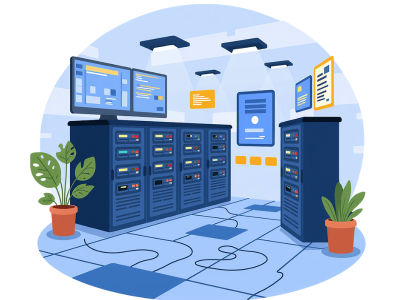
Centralized management reduces the risk of oversight. When every site is visible in one place, it’s far more difficult for a missed update or an expiring SSL certificate to slip through unnoticed.
Staging Environments That Actually Work
Every agency has experienced the fallout from pushing an untested change to a live site. It could be a theme update that breaks the layout, a plugin conflict that crashes the checkout page, or a code deployment that introduces unexpected errors. Staging environments eliminate this risk by giving your team a safe space to test changes before they go live.
The key distinction is how effortless the staging process is. The best platforms offer one-click staging creation and seamless deployment to production. If setting up a staging site requires manual server configuration or technical workarounds, it significantly increases the risk of mistakes when deadlines are looming.
Robust Security as a Default
Agencies are attractive targets for cyberattacks because a single compromised account can expose dozens of client sites. Security features shouldn’t be premium add-ons you discover only after a breach. They should come standard with your hosting plan.
At a minimum, look for free SSL certificates across all sites, automated malware scanning, a server-level Web Application Firewall (WAF), DDoS protection, and two-factor authentication for every user with account access. These layers work together to create a defense system that protects your clients without requiring your team to manually configure each safeguard.
Reliable Automated Backups
When things go wrong, and they inevitably will, your ability to recover depends entirely on the quality of your backups. Providers of reliable web hosting for agencies offer platforms that perform automated daily backups of every site on your account. These backups are retained for at least 30 days, with one-click restore functionality that lets you roll back individual sites without affecting others.
During a crisis, you can’t rely on backups that require manual initiation or support tickets. Removing the human bottleneck is the entire point of automation; recovery happens quickly and confidently, even at two in the morning.
Scalable Resources on Demand
Client needs are unpredictable. A product launch, a viral social media moment, or a seasonal traffic surge can multiply a site’s resource requirements overnight. If your hosting environment operates on fixed resource allocations, those spikes become outages instead of opportunities.
Scalable hosting adjusts CPU, memory, and bandwidth dynamically based on real-time demand. This ensures that a traffic surge on one client site doesn’t degrade performance across the rest of your portfolio. Scalable models ensure resources match actual demand, so your infrastructure stays efficient without unnecessary overhead.
Developer-Friendly Tooling
SSH access, Git integration, WP-CLI support, and compatibility with modern development workflows are essential for teams that ship work efficiently. A hosting platform that restricts these tools forces developers into manual workarounds that slow down every project and introduce unnecessary friction.
Evaluate hosting platforms from your developers’ perspective, not just from the management’s point of view. The team doing the hands-on work will know immediately whether a platform supports their workflow.
Prioritizing What Impacts Your Operations
Feature lists can be overwhelming, and every hosting provider markets their offering as the complete solution. You should focus on the features that directly affect your agency’s daily operations.
Centralized management, effortless staging, built-in security, automated backups, scalable supports growth. The right hosting partner becomes an invisible part of your team, handling the infrastructure so your people can focus entirely on delivering exceptional work for every client you serve.resources, and developer-friendly tools form the foundation of a hosting environment that
