Author: Shabir Ahmad

  • How Small Businesses Can Use AI to Write Professional Invoices and Client Emails

    How Small Businesses Can Use AI to Write Professional Invoices and Client Emails

    The problem many small businesses often face is with their official communications. To write emails and invoices that are effective yet not mechanical-sounding is vital, especially when you are striving for success.

    Most owners prefer to do this by themselves, but this generally leads to late-night, rushed replies that are often more delayed than they should be.

    One of the first things microentrepreneurs need to learn is to delegate some of the vital tasks; however, to do so, they need a reliable source. And, currently, AI is almost as reliable and effective as a seasoned employee.

    Small business owners often fear that using AI might take away their advantage of sounding warm and personal to their clients, but this couldn’t be further from the truth.

    Let’s take a look at how you can use AI to reduce errors in your communication, save time, and meet deadlines, without losing the human touch of your brand.

    person working on  phone and pc

    Client Communication is the Heart of Your Business

    Entrepreneurs often don’t realize that invoices and emails are not just a means to an end; they are brand touchpoints. To uphold your brand’s image, your communication game needs to be on point.

    An email that sounds abrupt, rude, and/or hurried can permanently damage the carefully built relationship with your client, and it could have serious repercussions, like a lost deal or no recurring purchase.

    An unclear invoice can lead to payment delays or even a mispayment, hampering your business flow. Did you know that most late payments occur due to unclear invoices, missing details in emails, or even a weak follow-up communication?

    AI can deal with such issues, helping your business communication stay clear, consistent, and structured, without eating up your time.

    AI for Emails and Invoices: What it Can and Cannot Do

    Before you consider using AI for your small business’s communication, you need to clearly understand what it can and cannot do.

    AI is excellent at logically structuring your text, and can help brush up the tone and grammar. So, if you write down a coarse draft for the email, it can edit the structure, fix the grammar, and adjust the formality of your tone based on context.

    Hence, it is perfect for rewriting your messages to ensure you sound clearer and more professional. However, you simply cannot leave the entire task to AI. Unless you provide context, it will not know your client history and may respond inappropriately.

    For example, if a client is upset with you, they might sound perfectly calm with the language they are using, but the nuanced undertone will certainly be indecipherable for AI.

    So you cannot use it when a case is sensitive and requires human judgment. It can also be downright dangerous to use AI for emails that need to adhere to legal obligations, because without guidance, AI will not understand the gravity of the situation.

    So, AI is best used as an assistant for drafting and editing your email, but the content it carries will still need to rely on humans.

    A Word of Caution Before Integrating AI

    ai email writer

    If you are using AI to create drafts for your emails, or even to polish them, you need to know that most LLMs tend to hallucinate information.

    If AI is writing your drafts, you need to be super careful while editing the email. And, if you use it to edit your emails, you must edit it a final time, to ensure it didn’t add any hallucinated extras.

    This is why running your drafts through a ChatGPT detector is crucial. Some detectors now come with a hallucination detector, which can ensure that nothing extra was added.


    Setting a Clear and Professional Invoice Language With AI

    You get to customize invoice notes, payment terms, and descriptions in most invoicing tools, which makes AI your perfect partner when making those edits. Here’s what AI can do for your invoicing.

    a. Writing Clear and Respectful Payment Terms

    A small business with not enough experience can struggle to word payment terms, without sounding unprofessional or unintentionally aggressive. AI can help you write invoices that sound firm while still using respectful language.

    For example, if you prompt AI specifically to “Write an invoice for a small business with clear professional terms with a week due date,” it can typically produce something professional-sounding, like this: Payment will be due in a week from the invoice date. Please feel free to contact us if youhave any queries regarding the invoice.”

    A statement like that is clear, professional, and leaves no space for ambiguity.

    b. Standard and Clear Service Description

    If your service description is unclear in your email communication, your client may find it difficult to understand what you do. Using vague phrases for services like “Consulting work” or “Design Services” can make them feel confused.

    Use AI to rewrite descriptions and make them specific and client-friendly. Especially when it comes to line items in invoices, being clear and professional is crucial. So, if you prompt AI to write a line item in a professional manner for “Website work,” you might end up with “Website design and layout updates, including homepage and contact page revisions.”

    This shows exactly how much work has been done, reducing the chance of dispute and speeding up approvals.

    c. Writing Polite Yet Effective Payment Reminders With AI

    We all know that payment reminders are the worst. They are one of the most uncomfortable parts of running a business. Many entrepreneurs delay them, just because they don’t want to sound rude.

    This is where AI can remove the uncomfortable emotion from the process, while keeping the tone respectful. If you ask an LLM to “create a friendly payment email reminder for an invoice that was due 3 days ago,” it can make something calm yet effective, without sounding accusatory.

    Being consistent is important, as clients are more likely to pay up on time if the reminders feel like a regular part of the business, and not personal and attacking.

    If a few more reminders are needed, then tone matters even more. AI can help adjust the firmness required without the email feeling aggressive. AI can help you find the right degree of firmness needed for such reminders.

    Improve Client Emails Without Sounding Too Artificial

    The degree of formality that is needed to maintain for your client emails can be difficult for a microentrepreneur. Your emails can end up sounding too short and casual, or too long and unclear.

    Use AI as a second pair of eyes that adjusts the tone, keeping it the right amount of formal without sounding suffocating. If your writing style is long and winding like a maze where the main point disappears, use AI to restructure it.

    You can prompt AI by saying, “Make this email more concise and clear, while maintaining a professional tone.” LLMs are best at improving readability by breaking paragraphs, keeping them short and crisp by removing unnecessary use of language. They can create a shorter version of the email while keeping the action items clear.

    Not all your clients will expect the same tone when you reply. In fact, adjusting the tone according to familiarity and loyalty can help retain your clients for longer.

    If you keep the tone warm with a long-term client, they are most likely to stay around for longer. But a new corporate client will expect more formality. You can just tell AI what you need, and it will give you exactly the kind of email that the specific client expects.

    Create Reusable Email and Invoice Templates

    AI is best at creating templates, and you will need them when you want to stay consistent from one client to the next, as consistency shows a touch of professionalism. Instead of rewriting similar emails again and again, use AI to make:

    • Invoice templates
    • Follow-up reminders
    • Project update emails
    • Proposal acceptance confirmations

    Once you have generated these, you can save and reuse them, making adjustments accordingly. This helps create a communication system, instead of creating new emails every time.

    Avoid Common AI Mistakes in Business Communication

    You need to be careful with AI use, because it can make you lose clients. Avoid the following mistakes when using AI for your small business communications.

    1. Use of Overly Generic Language: AI text can end up sounding generic and artificial. You must review the drafts, humanize and personalize them before you send them out, and using an AI detector can help verify how much of the content still reads as machine-generated before it reaches your client. Adding even one sentence that shows a genuine connection can make a massive difference.

    2. Sending Emails Without Checking: Do not ever copy and paste AI text without reviewing it. Any AI content should be treated as a draft, not as a final product.

    3. Sharing Sensitive Information: Do not paste full contracts, financial details, or confidential client data into AI tools without fully learning about the platform’s privacy policies. It can put you into a legal issue without realizing it.

    Final Thoughts

    AI can be your friend or your foe when used in business communication. You can use it to make drafts or as a proofreader/editor for your emails. It can fine-tune your invoices and other emails, keep things professional, and set the right tone, according to the context you provide.

    Never send out AI-written emails without checking, and always remember to humanize them to add a personal touch. Remember that personal touch is the upper hand small businesses have against big corporations.

  • How Integrated CRM and Marketing Automation Improve Lead Conversion Rates

    How Integrated CRM and Marketing Automation Improve Lead Conversion Rates

    If you run a small or growing business, you’ve probably felt this pain before. Leads come in from your website, emails go out from another tool, and sales follow-ups live in someone’s inbox or notebook. Nothing fully connects. As a result, good leads cool off, timing gets missed, and conversions suffer.

    This is where an integrated CRM and marketing automation setup can make a real difference. Not because it’s flashy or trendy, but because it fixes very practical problems you deal with every day.

    Let’s break down how this kind of system actually helps you turn more leads into customers—and where the limits are.

    person doing crm analysis

    What “Integrated” Really Means (Without the Buzzwords)

    An integrated CRM with marketing automation and WhatsApp automation simply means your contact data, emails, website activity, WhatsApp conversations, and sales follow-ups all live in one place.

    When someone fills out a form, opens an email, visits your pricing page, or replies to a quote, that activity shows up on their contact record automatically. No copying. No guessing. No switching tabs all day.

    Many cloud CRM software for small business platforms now combine these features so you don’t need five separate tools stitched together with fragile integrations.

    You Respond Faster (And Speed Matters More Than You Think)

    Speed is one of the biggest factors in lead conversion.

    A well-known study by Harvard Business Review found that companies that contacted leads within one hour were nearly seven times more likely to qualify them than those that waited longer.

    An integrated system helps you respond faster because:

    • New leads trigger alerts instantly
    • Follow-up emails can go out automatically
    • Sales reps see activity in real time

    You don’t rely on memory or manual checks. You act while the lead still cares.

    You Stop Treating Every Lead the Same

    Not all leads are equal. Some are just browsing. Others are close to buying.

    When CRM and marketing automation work together, you can see the difference clearly. For example:

    • One lead opened three emails and visited your pricing page
    • Another only downloaded a guide once

    With that context, you know who needs a call today and who needs more time.

    This kind of basic lead scoring doesn’t require advanced tech skills. It comes from tracking behavior across emails, forms, and your website in one system. Alongside integration, evaluating lead generation software for 2026—focusing on data quality, intent signals, and CRM integrations—helps ensure automation and scoring work reliably across your stack.

    Your Follow-Ups Become Consistent (Even on Busy Days)

    Most leads don’t convert because follow-up stops too soon.

    Life gets busy. Sales reps forget. Emails don’t get sent.

    Marketing automation fixes this problem by handling routine follow-ups for you. You can set up simple sequences like:

    • A welcome email after a form submission
    • A reminder if a quote isn’t opened
    • A check-in email after a demo

    You still control the message, but the system makes sure nothing slips through the cracks.

    Sales and Marketing Finally Share the Same View

    One common issue in small businesses is that marketing and sales work from different data. Marketing sees email opens. Sales sees pho help bridge this gap by combining email marketing insights with customer engagement data, enabling both teams to make more informed decisions from a unified view of the customer journey.

    An integrated CRM removes that gap.

    When sales can see what content a lead engaged with, conversations become more relevant. When marketing can see which leads actually convert, campaigns improve.

    This shared view leads to better decisions on both sides, without extra meetings or reports.

    You Use Real Behavior, Not Guesswork

    Instead of guessing what a lead wants, you see what they do.

    You can track:

    • Pages visited
    • Emails opened
    • Forms submitted
    • Quotes viewed

    That information helps you time your outreach better. A lead who just revisited your pricing page may be ready for a call. One who hasn’t engaged in weeks may need a softer touch.

    This is one reason many businesses choose platforms like SeoToaster CRM, which combine contact management, website tracking, and automation in a single system. You’re not forced to piece everything together manually.

    Conversion Rates Improve Because Friction Drops

    Most conversion problems come from friction, not lack of interest.

    • Slow responses
    • Repetitive questions
    • Irrelevant follow-ups

    Integrated CRM systems reduce friction by keeping information organized and accessible. You don’t ask leads to repeat themselves. You don’t send emails that ignore their previous actions. This seamless approach clearly demonstrates the benefits of CRM, making interactions more efficient and trustworthy.

    When the experience feels smoother, trust builds faster. Trust leads to conversions.

    The Trade-Offs You Should Know About

    This approach isn’t perfect for everyone.

    Here are a few honest trade-offs:

    • Setup takes time, especially at the start
    • Your team needs basic training to use it well
    • Automation works best when your processes are clear

    If your data is messy or your sales process isn’t defined, automation won’t magically fix that. You still need discipline and clear workflows.

    Why This Matters More for Small Businesses

    Large companies can afford separate tools, teams, and manual workarounds. Small businesses can’t.

    When your CRM and marketing automation live together — supported by strong data protection and device security practices — operations become more streamlined and secure:

    • You save time
    • You reduce software costs
    • You respond faster with fewer people

    That efficiency is what allows small teams to compete with much larger ones.

    Final Thoughts

    Integrated CRM and marketing automation improve lead conversion rates for simple reasons. You respond faster. You follow up better. You understand your leads more clearly.

    It’s not about fancy features. It’s about removing everyday friction from your sales process.

    If you want higher conversion rates, start by making sure your tools talk to each other. When they do, your leads won’t feel ignored, rushed, or misunderstood—and that alone makes a real difference.

  • Is Finx Currently The Best Online Payment Solution?

    Is Finx Currently The Best Online Payment Solution?

    Payment processing sits at the center of every transaction a business makes. When funds move from a customer’s account to a merchant’s bank, the infrastructure handling that transfer determines how quickly operations run, how much revenue gets retained, and how smoothly the entire checkout process feels for the person paying. 

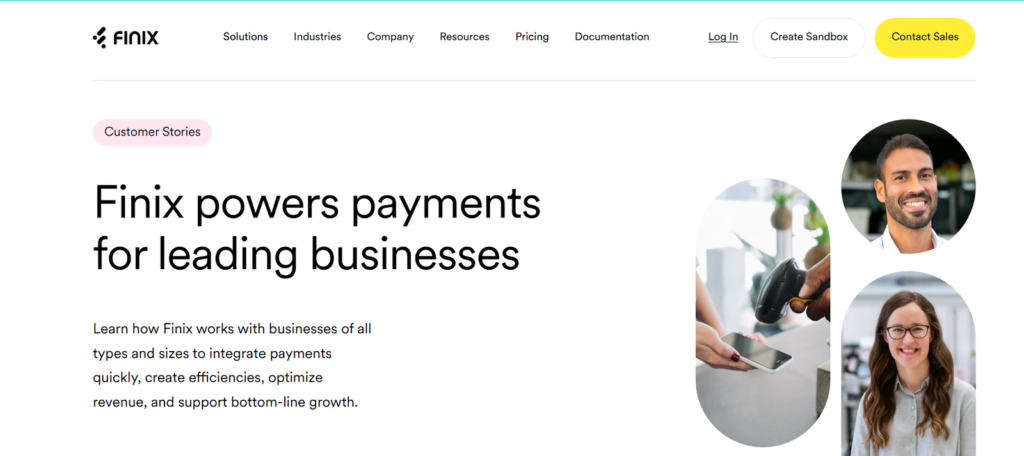
    Choosing the right payment solution affects profit margins, customer satisfaction, and the administrative burden placed on internal teams. Finix has positioned itself as a platform built to handle these demands with flexibility and direct card network access, which raises a reasonable question about where it ranks among available options.

    The platform has grown substantially over the past year, and recent funding rounds have allowed continued product development. To understand if Finix deserves consideration as a top-tier payment solution, it helps to look at what the platform offers, how it performs, and what businesses report after working with it.

    What Finix Actually Does

    Finix is a payment processing platform that lets businesses, such as a Split Expense App, integrate payment acceptance directly into their software. The company holds direct connections to American Express, Discover, Mastercard, and Visa, which means transactions do not need to route through intermediary processors before reaching the card networks. This direct connection model affects both the speed of transactions and the pricing structures available to merchants.

    The platform handles payment processing for billions of dollars annually. Businesses using Finix gain access to same-day onboarding, which removes the extended waiting periods that often accompany new merchant account setups. An analytics API provides access to transaction data, giving businesses the ability to track payment performance and identify patterns in their revenue streams.

    Finix supports more than 24,000 merchants, and the company has reported that it closed more deals in 2024 than in its entire previous history combined. Revenue quadrupled over the past year, indicating that businesses are actively choosing this platform over alternatives.

    The Features That Shape Daily Operations

    In March 2025, Finix introduced several new features designed to address common friction points in payment processing. Account Updater automatically refreshes stored card information when customers receive new cards, reducing the number of failed recurring payments that occur when card details become outdated. Network Tokens add a layer of security by replacing sensitive card numbers with tokenized references during transactions.

    Instant Payouts allow merchants to receive funds immediately rather than waiting through standard settlement windows. For businesses that rely on quick access to capital or operate with tight cash flow cycles, this feature changes how rapidly funds become available for reinvestment or expenses.

    New hardware terminal options expand the physical payment acceptance capabilities available through the platform. Businesses that operate in-person locations alongside online storefronts can process transactions through both channels using the same underlying system.

    How Pricing Works With Finix

    Customers working with Finix have reported that the pricing model operates with transparency. Rather than encountering hidden fees or complex rate structures that vary unpredictably, businesses describe the pricing as competitive and straightforward. Flexible marketplace account structures allow platforms that serve multiple merchants to configure payment flows in ways that suit their specific business model.

    This flexibility matters for companies operating as marketplaces or platforms where payments must split between multiple parties. The ability to customize how funds move through the system affects both operational efficiency and the checkout flow that end customers encounter.

    Why Customer Relationships Seem Different Here

    Something that appears repeatedly in customer feedback involves the quality of ongoing support. Businesses report that Finix operates more like a partner than a vendor. The company maintains availability through Slack for support questions, which provides faster response times than traditional ticketing systems.

    Customers also describe a product development process that responds to their actual requests. New features and updates appear based on what businesses using the platform ask for, rather than following a roadmap disconnected from user needs. This approach to development means the platform grows in directions that serve the merchants relying on it.

    Long-term processing strategy support extends beyond technical issues. Businesses describe working with Finix to plan how their payment operations should scale as they grow. This type of strategic involvement goes beyond typical customer service and enters the territory of ongoing consultation.

    A Platform Built With Users In Mind

    Finix received the 2024 UX Design Award in both the Payment and Transaction and Finance categories. This recognition points to the interface and workflow design that businesses interact with when using the platform. A well-designed user interface reduces training time for staff, decreases errors during transaction processing, and makes administrative tasks faster to complete.

    Design awards reflect how easily teams can accomplish tasks within the platform. When dashboards, reporting tools, and configuration options work intuitively, businesses spend less time managing their payment system and more time on their actual operations.

    The Investment Behind Continued Growth

    In October 2024, Finix raised $75 million in Series C funding. Acrew Capital led the round, with Leap Global and Lightspeed Venture Partners participating as co-leads. This level of investment allows the company to continue building out its infrastructure, adding features, and expanding its team.

    For businesses evaluating a payment processor, the financial stability of that processor matters. A well-funded company can maintain reliable operations, invest in security infrastructure, and continue developing new capabilities. The funding also signals that sophisticated investors have examined the company’s performance and growth trajectory and decided to support its continued expansion.

    Does Finix Deliver As A Top Payment Solution?

    Answering this question requires looking at what matters most when selecting a payment processor. For businesses that value direct card network connections, same-day onboarding, transparent pricing, and responsive customer support, Finix checks each of those boxes. The platform processes billions annually and supports over 24,000 merchants, indicating that it operates at scale without sacrificing service quality.

    The introduction of features like Account Updater, Network Tokens, and Instant Payouts in early 2025 shows continued attention to solving real problems that merchants encounter. These are not superficial additions but functional tools that affect payment success rates and cash flow management.

    Customer testimonials consistently mention the partnership quality of the relationship, the willingness of the company to respond to feature requests, and the competitive nature of the pricing structure. These factors combine to create a platform that serves businesses well across multiple dimensions.

    The Final Word On Finix

    Finix offers a payment processing platform that handles high transaction volumes while maintaining the kind of responsive service typically associated with smaller providers. The direct connections to major card networks provide pricing flexibility and processing reliability. Recent feature additions address specific pain points that affect recurring payments, security, and fund availability.

    For businesses seeking a payment solution that combines technical capability with genuine customer support, Finix presents a strong case. The platform has grown rapidly, attracted substantial investment, and maintained positive relationships with the merchants it serves. These factors together suggest that Finix belongs in the conversation when discussing top online payment solutions, and for many businesses, it may represent the best fit based on their specific needs and priorities.

    The decision ultimately depends on what each business requires from its payment infrastructure. Finix has demonstrated that it can deliver on the fundamentals while also providing the configurability and support that growing businesses need as their payment processing demands increase.

  • Leading Crowdfunding Platforms for Startups: A Complete Guide for Founders

    Leading Crowdfunding Platforms for Startups: A Complete Guide for Founders

    Raising funds is one of the biggest challenges every startup faces. While traditional funding options like bank loans, angel investors, and venture capital are still popular, crowdfunding platforms for startups have completely changed how founders raise capital. Today, startups can connect directly with people who believe in their idea and are willing to support it financially.

    Crowdfunding platforms such as Kickstarter, Indiegogo, StartEngine, WeFunder, SeedInvest, Republic, and Crowdcube help startups raise capital while validating ideas, building brand awareness, and attracting early customers. Whether you are launching a new product or scaling a high-growth business, choosing the right platform is critical. This blog explains how these leading crowdfunding platforms work and helps you decide which one best fits your startup goals.

    What Is Crowdfunding and Why Is It Important for Startups?

    a person holding crowdfunding banner

    Crowdfunding is a method of raising money from a large number of people, usually through an online platform. Instead of relying on a single investor, startups receive small contributions from many supporters.

    For startups, crowdfunding offers several advantages:

    It reduces dependency on traditional investors.
    It helps test market demand before full-scale launch.
    It builds trust and visibility for new brands.
    It allows founders to retain more control over their business.

    There are mainly three types of crowdfunding:

    Reward-based crowdfunding, where backers receive products or perks.
    Equity crowdfunding, where investors receive company shares.
    Donation-based crowdfunding, mainly used for social causes.

    Let’s now look at the top crowdfunding platforms that startups trust worldwide.

    1. Kickstarter – Best for Product-Based Startups

    Kickstarter is one of the most well-known crowdfunding platforms globally. It focuses mainly on reward-based crowdfunding, making it ideal for startups launching physical products, creative ideas, or innovative tech solutions.

    Startups use Kickstarter to pre-sell their products and raise funds for production. Instead of giving away equity, founders offer rewards such as early access, limited editions, or special discounts.

    Kickstarter works best for startups that already have a prototype or concept ready. The platform has a strong global audience, which helps startups gain visibility quickly.

    From tech gadgets to design products and creative projects, Kickstarter is a powerful platform for validating ideas and building early customer trust.

    2. Indiegogo – Flexible Crowdfunding for Global Startups

    Indiegogo is another popular crowdfunding platform for startups, especially those looking for more flexibility. Unlike Kickstarter, Indiegogo allows both fixed funding and flexible funding, meaning startups can keep the funds even if they don’t reach their target.

    Indiegogo is widely used by tech startups, hardware companies, and innovative businesses. It supports global campaigns, making it suitable for startups targeting international markets.

    One of the biggest advantages of Indiegogo is its post-campaign feature. Even after the crowdfunding campaign ends, startups can continue selling products through the platform.

    For startups that want flexibility and global exposure, Indiegogo is a strong choice.

    3. StartEngine – Equity Crowdfunding for High-Growth Startups

    StartEngine is a leading equity crowdfunding platform that allows startups to raise capital by selling shares to investors. It supports both accredited and non-accredited investors, opening funding opportunities to a broader audience.

    This platform is ideal for startups looking to scale rapidly and willing to offer equity in return for investment. Many tech startups, SaaS companies, and innovative businesses prefer StartEngine for long-term funding.

    StartEngine also provides marketing support, investor dashboards, and campaign management tools. This makes it easier for founders to manage investor relationships while focusing on business growth.

    If your startup is growth-focused and equity funding makes sense, StartEngine is worth considering.

    4. WeFunder – Community-Driven Startup Funding

    WeFunder is one of the most startup-friendly equity crowdfunding platforms. It allows everyday people to invest in startups with relatively low minimum investment amounts.

    This platform is designed to help founders build a strong community of supporters who are emotionally invested in the company’s success. WeFunder is especially popular among early-stage startups and small businesses.

    Startups benefit from WeFunder’s transparent process, storytelling approach, and supportive investor base. The platform encourages founders to clearly explain their mission, vision, and impact.

    For startups that value community engagement along with funding, WeFunder is an excellent option.

    5. SeedInvest – Curated Equity Crowdfunding Platform

    SeedInvest is known for its high standards and strong investor network. Unlike open platforms, SeedInvest carefully reviews startups before allowing them to raise funds. This adds credibility and attracts serious investors.

    SeedInvest is suitable for startups with strong business models, growth potential, and clear financial plans. Many technology, healthcare, and fintech startups use this platform to raise capital.

    The platform connects startups with experienced investors who often provide strategic guidance in addition to funding. While the approval process is more selective, successful campaigns gain significant investor trust.

    SeedInvest is ideal for startups aiming for long-term equity partnerships.

    6. Republic – Crowdfunding with a Global Reach

    Republic is a fast-growing crowdfunding platform that supports equity, token-based, and community investing. It allows startups to raise capital from a diverse global investor base.

    Republic focuses on innovation, inclusivity, and long-term growth. The platform supports startups in technology, gaming, blockchain, and emerging industries.

    One of Republic’s key strengths is its strong emphasis on compliance and investor protection. This builds confidence among both founders and investors.

    For startups with a global vision and innovative business model, Republic offers a flexible and modern crowdfunding solution.

    7. Crowdcube – Leading Crowdfunding Platform in Europe

    Crowdcube is a popular equity crowdfunding platform in the UK and Europe. It allows startups to pitch their ideas to retail and institutional investors through structured campaigns.

    Crowdcube is widely used by startups in fintech, consumer goods, and technology sectors. It provides tools for valuation, investor communication, and campaign promotion.

    European startups often choose Crowdcube because of its strong regulatory framework and established investor community. The platform helps startups raise funds while maintaining transparency and trust.

    If your startup is based in Europe or targeting European investors, Crowdcube is a strong option.

    How to Choose the Right Crowdfunding Platform for Your Startup

    Choosing the right crowdfunding platform depends on your startup’s goals, stage, and funding needs.

    If you want to launch a product and test market demand, reward-based platforms like Kickstarter and Indiegogo are ideal.

    If you are building a scalable business and ready to offer equity, equity crowdfunding platforms like StartEngine, WeFunder, SeedInvest, Republic, or Crowdcube make more sense. Also consider factors such as platform fees, investor reach, and use scenario modeling software to evaluate equity dilution before making a decision.

    Once equity is issued to investors or employees, 409A valuation firms become a necessary annual step, ensuring shares are appraised at fair market value and stock options stay IRS-compliant.

    Also consider factors such as platform fees, investor reach, campaign flexibility, and legal requirements before making a decision.

    SEO Benefits of Crowdfunding for Startup Growth

    social group of fund seeker

    Crowdfunding campaigns also offer indirect SEO and marketing benefits. When your campaign gains attention, it generates backlinks, social shares, and brand mentions. These signals help improve online visibility and search engine rankings.

    By combining crowdfunding with content marketing, startups can attract organic traffic and long-term brand recognition.

    Final Thoughts

    Crowdfunding platforms have become a powerful funding solution for startups worldwide. They not only provide capital but also help validate ideas, attract customers, and build credibility.

    The key to a successful crowdfunding campaign lies in choosing the right platform, telling a compelling story, and maintaining transparency with supporters.

    Whether you are launching a product or scaling a business, the right crowdfunding platform can turn your startup idea into reality.

  • Best Finance Staffing Agencies for World Class Talent in [this_year]

    Best Finance Staffing Agencies for World Class Talent in [this_year]

    I worked with a mid-market manufacturer that kept missing gross margin targets by two to three points. On paper, the reports looked clean. P&Ls closed on time, variance dashboards were in place, but actual cost behavior kept drifting. It wasn’t until we brought in a contractor through a finance staffing firm, one with deep cost accounting experience, that the issue came into focus. 

    He rebuilt the standard cost model, separated usage from price variance, and aligned BOMs with what actually ran on the floor. Within 45 days, scrap and freight-in were visible, and margin variance came back within forecast.

    At the same time, I heard about a SaaS company that hired FP&A talent through a generalist agency. The models looked great. But collections were averaged instead of analyzed, and DSO assumptions never got pressure-tested. They missed a covenant test by $180K.

    The right finance hire doesn’t just report the numbers. They explain them, and that’s where real control begins.

    Top 3 Quick Picks: [this_year]’s Best Finance Staffing Agencies

    If you need a shortlist now, start here.

    1. Somewhere: Best for Global, Cost-Efficient Finance Talent
      • No upfront fees, pay on hire
      • Six-month replacement guarantee
      • Pre-vetted accountants, FP&A, payroll
    2. Robert Half: Best for Rapid, Scalable Finance Staffing
      • Large candidate bench nationwide
      • Contract, contract-to-hire, direct hire
      • Fast turnaround for multi-role needs
    3. Korn Ferry: Best for Executive and Leadership Finance Roles
      • CFO and finance leadership search
      • Comp and org design advisory
      • Board-level credibility and reach

    Want the deeper breakdown, use cases, and hiring playbooks? Keep reading for full reviews and selection criteria.

    How to Choose the Right Finance Staffing Agency

    Choosing a finance staffing partner is about operational fit, tooling fluency, and the ability to reduce risk without adding friction, especially in companies scaling fintech software development. Here’s what to look for when evaluating agencies.

    1) Define Your Model, Then the Role

    Map how money moves before you pick a title. Subscription, project, or transactional revenue changes the brief. Spell out cash cycles, tooling, and the first 30-day outcomes.

    A good agency reflects your model with similar placements and names the exact statements and reconciliations owned. If they cannot explain where cash or margin leaks in your motion, expect generic résumés.

    2) Match Tooling With Proven Hands-On Depth

    NetSuite OneWorld is not QuickBooks plus add-ons. Ask for candidates with verifiable experience in your ERP, planning, and revenue tools.

    Push for proof, like saved searches they built, intercompany they’ve closed, or CRM-ERP sync fixes. Tool mastery saves weeks, avoids rework, and lowers ramp risk.

    3) Prioritize Controls, Not Just Throughput

    Fast close without controls creates tidy errors. Ensure screening covers reconciliations, approvals, and audit readiness across revenue, purchasing, payroll, and treasury.

    Have candidates walk through a balance sheet they stabilized and when they escalated. Strong agencies test prevention, not only cleanup.

    4) Test Detail Under Deadline Pressure

    Accuracy slips at quarter-end. Ask for timed exercises: a quick variance bridge, a corrected journal entry with rationale, or a short cutoff memo.

    Review artifacts, not vibes. Hire the one who produces clean output and documents assumptions.

    5) Hire for Sector and Statement Fluency

    Manufacturing means standard cost and PPV. SaaS means ASC 606 and deferred revenue. Healthcare, fintech, and nonprofits have their own traps.

    Demand sector examples and have candidates narrate your P&L and cash flow. Fluent language cuts translation time and policy disputes.

    6) Align the Engagement Model With SLAs

    Decide on contract, contract-to-hire, or direct placement, then set measurable SLAs, for example, close-day targets, reconciliations per week, DSO improvement, or forecast error bands.

    Great agencies commit to timelines, candidate volume, and replacements, and publish weekly progress. Metrics keep the partnership honest.

    The 6 Best Finance Staffing Agencies for [this_year]

    1. Somewhere: Best for Global, Cost-Efficient Finance Talent

    • Founded: 2009
    • Headquarters: Dallas, TX

    Why Somewhere is the best finance staffing agency: Somewhere places pre-vetted accountants, payroll, FP&A, finance ops, and analyst talent from regions like the Philippines, Latin America, South Africa, and Eastern Europe into U.S. teams, with a simple pay-on-hire model and a six-month replacement guarantee. This reduces upfront risk and shortens time to impact for lean finance orgs.

    What you will notice in week one is process fluency and clear communication in remote settings, which cuts management overhead. Expect tight shortlists rather than volume, an intake that clarifies systems, cadence, and ownership, and candidates comfortable with async collaboration.

    Good fit if you want fast stabilization in close, AR, vendor management, or FP&A support without retainers. Less ideal if you require on-site presence in a single U.S. metro.

    2. Robert Half: Best for Rapid, Scalable Finance Staffing

    • Founded: 1948
    • Headquarters: Menlo Park, CA

    Robert Half’s advantage is reach and speed across AP, AR, payroll, staff accounting, and interim controller coverage. Their footprint and specialist divisions produce quick shortlists, and multi-role campaigns can run in parallel across regions. This is practical when you already know the profile, need options fast, and want contract, contract-to-hire, or direct placement choices.

    Expect a streamlined intake, a large candidate bench, and a predictable turnaround. Come prepared with crisp requirements and testing scenarios so the scale works in your favor. Choose this when the time to fill is the top constraint. If you want heavy advisory on scope or custom assessments, pair their speed with clear internal guardrails.

    3. Korn Ferry: Best for Executive and Leadership Finance Roles

    • Founded: 1969
    • Headquarters: Los Angeles, CA

    Korn Ferry is built for CFOs, finance directors, and senior finance business partners. The firm adds an advisory layer before the search begins, aligning on role scope, compensation strategy, and org design, then activating a leadership network with board credibility.

    This suits transformation, turnaround, and public-company readiness, where precision matters more than raw speed.

    Plan for structured stakeholder interviews, market benchmarking, and a rigorous process that narrows the slate to leaders who fit your governance and scale.

    Use Korn Ferry when the hire will sit in audit committee meetings and influence capital strategy. If you mainly need mid-level throughput, another partner will be faster and more cost-efficient.

    4. Hays: Best for Mid-Senior Finance Specialists

    • Founded: 1968
    • Headquarters: London, United Kingdom

    Hays combines local market specialization with sector familiarity. They are strong on controllers, management accountants, and senior analysts where technical rigor and team leadership intersect, and they bring salary guides and trend data to calibrate offers. Expect shortlists that reflect your business model, not just a title match.

    This is a fit when you want quality without a retained executive search commitment. Come ready with your month-end targets, tooling, and the first 30-day outcomes, and ask for similar placements they have delivered in your industry. If your need is niche executive search, Korn Ferry may be better aligned.

    5. Michael Page: Best for Technical Finance Functions

    • Founded: 1976
    • Headquarters: Addlestone, Weybridge

    Michael Page runs specialist teams for audit, tax, treasury, and FP&A, which help surface candidates with exact exposure, for example, international tax, treasury with ERP integration, or analytics tied to compliance. Their precision pays off when requirements are non-negotiable, and the onboarding curve needs to be short.

    Use this firm when you want fewer resumes, each tightly aligned to scope and regulatory nuance. Ask for recent examples in your sector and environment. If your brief is broad or exploratory, a high-volume partner may be more efficient at the top of the funnel.

    6. Insight Global: Best for Multi-Region Finance Support

    • Founded: 2001
    • Headquarters: Atlanta, GA

    Insight Global supports finance and administrative hiring across the U.S., Canada, and the U.K. with strength in contract, contract-to-hire, and direct placement. They are effective for distributed back-office builds where you need AR, AP, payroll, billing, or staff accounting capacity in multiple locations at once.

    Expect fast response times, flexible engagement types, and the ability to stand up shared-services teams without retained search. Bring a clear rollout plan, time zones, and SLA targets so they can stage delivery by site. If you require niche leadership or advisory on finance architecture, consider pairing this with a strategic search partner.

    Final Thoughts on Choosing a Finance Staffing Partner

    Strong finance staffing protects margin, shortens close, and keeps your board materials credible. That does not happen by accident. It starts with a clear brief that mirrors your revenue model, tool stack, and the first 30 days of outcomes you expect. Write those outcomes in plain language. Name the statements owned, the reconciliations due, and the SLAs that prove progress.

    Pick the partner that matches the altitude of the role. If you need throughput on AP, AR, or payroll across locations, choose a firm built for scale and speed. If you are hiring a CFO or finance director, pick a search partner that can pressure test scope, compensation, and governance before they source. For mid-senior specialists, look for sector fluency and proof of hands-on depth in your systems.

    Insist on how, not only who. Ask for screening artifacts, for example, a variance bridge, a cutoff memo, or a sample reconciliation. Set timelines, candidate counts, and replacement terms. Agree on a communication cadence that covers week one, week two, and the first month. The right agency will volunteer leading indicators, not excuses.

    Then move. Run one or two anchor workflows first, confirm decision rights, and expand scope only after quality is consistent. When you combine a precise brief with the right partner and measurable SLAs, your finance team gets quieter, your numbers get cleaner, and your decisions get faster.

  • From Visibility to Growth: The Role of Websites, Apps, and SEO in Business Success

    From Visibility to Growth: The Role of Websites, Apps, and SEO in Business Success

    In the modern digital landscape, the role of websites, apps, and SEO in business growth has become more important than ever. Customers no longer rely only on physical visits or word-of-mouth. Instead, they search online, visit websites, explore mobile apps, and engage with emails before making decisions. Businesses that fail to build a strong digital presence often struggle to attract and retain customers.

    To achieve sustainable success, businesses must focus on visibility, engagement, and trust. This is where websites, mobile apps, SEO, and email marketing come together to create a strong digital foundation.

    Why Online Visibility Is Critical for Businesses

    female working online

    Online visibility for businesses determines how easily customers can find and recognize a brand. When people search for products or services, they usually trust businesses that appear on the first page of search results. Without proper SEO and a well-structured website, even high-quality offerings can go unnoticed.

    A strong digital presence ensures that businesses remain accessible at all times. It allows companies to communicate clearly, share information instantly, and stay relevant in competitive markets. Digital marketing for business growth is no longer limited to promotion; it is about building lasting connections.

    Importance of Website for Business Growth

    The importance of a website for business cannot be overstated. A website serves as the digital headquarters of a brand. It is where customers learn about services, pricing, expertise, and values. A professional website builds credibility and encourages users to take action.

    Websites also play a major role in SEO for business success. Search engines rely on website content to understand what a business offers. High-quality pages, informative blogs, and clear service descriptions improve rankings and attract organic traffic. A well-optimized website supports lead generation, customer education, and brand authority. For early-stage companies, saas seo services for startups can help accelerate this process by aligning website structure, content strategy, and keyword targeting with growth-focused acquisition goals.

    How Websites and Apps Help Businesses Connect with Customers

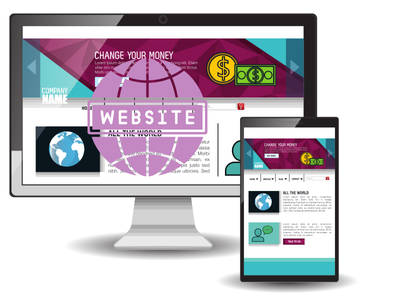
    websites and apps

    Understanding how websites and apps help businesses connect with customers is essential for long-term growth in the digital era. A website is often the first point of contact between a business and a potential customer. It helps attract visitors through search engines, social media, and online campaigns, and then informs them about products, services, and brand values. A well-structured website answers common questions, builds trust, and guides users toward meaningful actions such as making a purchase, filling out a form, or requesting a consultation.

    Websites also play a key role in educating customers. Through blogs, service pages, testimonials, and FAQs, businesses can clearly explain their offerings and highlight their expertise. This transparency reduces hesitation and helps customers feel confident in their decisions. In addition, websites allow businesses to collect leads and feedback, creating opportunities for continued communication through email or other channels.

    Mobile apps focus more on convenience, speed, and personalized engagement. Once a customer downloads an app, interactions become quicker and more direct. Apps allow users to access services with minimal effort, save preferences, track activity, and receive updates in real time. This ease of use improves the overall customer experience and makes interactions feel more personal.

    The role of mobile apps in business growth is especially strong when it comes to customer retention. Apps encourage repeat usage by offering features such as push notifications, personalized offers, and reminders. These touchpoints keep the business present in the customer’s daily routine without being intrusive. Over time, this regular engagement builds loyalty and strengthens the relationship between the brand and its users.

    When websites and mobile apps work together, they create a complete and connected customer journey. The website attracts and informs, while the app engages and retains. This combination ensures consistent communication, better customer satisfaction, and stronger long-term connections that support sustainable business growth.

    SEO for Business Success and Sustainable Traffic

    SEO is the driving force behind digital visibility in today’s competitive online environment. When customers actively search for products or services, SEO for business success ensures that a company appears at the right time with the right solution. Businesses that rank higher in search results are often seen as more trustworthy, which directly improves brand credibility and customer confidence.

    Unlike paid advertising, which stops generating results once the budget is exhausted, SEO delivers long-term value. A well-optimized website continues to attract relevant visitors over months and even years. This steady flow of organic traffic makes SEO a cost-effective and sustainable approach to business growth.

    A strong SEO strategy begins with understanding user intent. By researching what people are searching for and using those keywords naturally within helpful content, businesses can attract users who are genuinely interested in their offerings. This results in better engagement, longer time spent on pages, and higher chances of conversion.

    Technical performance also plays a vital role in SEO success. Fast loading speed, mobile responsiveness, secure connections, and a clean website structure all improve user experience. Search engines prioritize websites that are easy to navigate and perform well across devices, making technical SEO an essential part of the process, especially when combined with insights from SERP Volatility Tracking Tools to monitor ranking fluctuations and algorithm-driven changes.

    Content quality strengthens SEO even further. Regularly updated blogs, detailed service pages, and informative articles help establish authority within an industry. Over time, this consistent content builds trust with both users and search engines, leading to improved rankings and visibility.

    AI SEO tools help businesses manage and improve all these efforts effectively. Tools like Google Search Console and Google Analytics provide insights into website performance, user behavior, and traffic sources. They help identify which pages are performing well and where improvements are needed.

    Advanced SEO platforms such as Ahrefs, SEMrush, and Ubersuggest support keyword research, competitor analysis, backlink tracking, and ranking monitoring. Many businesses also use a trusted Links Building Marketplace to discover guest posting opportunities, authority backlinks, and niche-relevant outreach websites. These tools help businesses discover new opportunities, optimize content, and fix technical issues that may affect search performance.

    By combining strategic SEO practices with the right tools, businesses gain consistent exposure, higher-quality leads, and stronger online authority. SEO becomes not just a traffic channel but a core foundation of long-term digital marketing success.

    Email Marketing for Business Growth

    Email marketing plays a powerful role in nurturing relationships. Email marketing for business growth helps businesses stay connected with leads and customers through regular, personalized communication using email software like Woodpecker or Brevo. Email marketing for business growth helps businesses stay connected with leads and customers through regular, personalized communication. Emails allow brands to share updates, promotions, educational content, and reminders directly in users’ inboxes.

    Unlike social media platforms, email marketing provides complete control over the audience. A strong SEO and email marketing strategy ensures that visitors discovered through search engines can be nurtured into loyal customers over time. This consistent engagement builds trust and encourages repeat business. For online stores looking to maximize these benefits, ecommerce email marketing enables targeted messaging based on customer behavior, helping drive repeat purchases and long-term loyalty.

    How Digital Channels Work Together

    The real impact is seen when digital tools are aligned. SEO attracts users, websites educate them, email marketing nurtures relationships, and mobile apps retain customers. This integrated approach strengthens every stage of the customer journey.

    For example, a customer may find a business through Google search, explore the website, subscribe to emails, and later install the app for ongoing engagement. This seamless experience improves conversions and long-term loyalty. Some of the noticeable impacts are:

    1. Building Trust and Authority Online

    Trust is a key factor in business success. A professional website builds confidence, high SEO rankings add credibility, mobile apps demonstrate reliability, and email marketing reinforces communication. When all channels present a consistent message, customers feel secure choosing the brand.

    Digital trust leads to stronger customer relationships, positive reviews, and organic referrals, all of which support business growth.

    2. Improve Digital Marketing Performance

    Websites, apps, SEO, and email marketing generate valuable data. Businesses can analyze website traffic, keyword performance, email engagement, and app usage to understand customer behavior. This insight helps refine digital marketing for business growth and improve decision-making.

    Data-driven strategies allow businesses to personalize experiences, optimize content, and enhance customer satisfaction without guesswork.

    3. Competing Effectively in the Digital Marketplace

    Digital tools have leveled the playing field. Small and medium businesses can now compete with larger brands by focusing on strong SEO, informative websites, simple apps, and targeted email campaigns, or by partnering with the best niche SEO agencies. Success depends more on strategy and execution than on size or budget.

    With the right approach, businesses can expand reach, strengthen relationships, and grow sustainably.

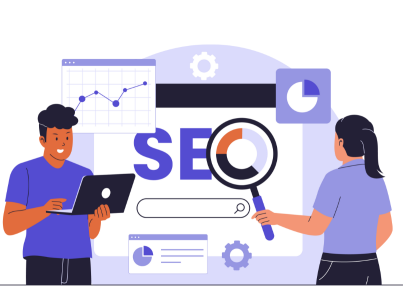
    persons working on seo analysis

    Effective Digital Tools That Support Business Growth

    To make websites, apps, SEO, and email marketing truly effective, businesses need the right tools to manage, measure, and improve performance. These tools help automate tasks, analyze customer behavior, and optimize digital strategies. When used correctly, they save time, reduce errors, and deliver better results across all digital channels.

    • Website Analytics Tools (Google Analytics, Search Console)
      These tools help businesses understand how visitors interact with their website. They show which pages perform well, where users drop off, and which content drives conversions. This data helps improve user experience and SEO performance.
    • SEO Tools (Ahrefs, SEMrush, Ubersuggest)
      SEO tools assist in keyword research, competitor analysis, and ranking tracking. They help businesses identify search opportunities, optimize content, and fix technical SEO issues that affect visibility and traffic.
    • Email Marketing Tools (Mailchimp, Brevo, HubSpot)
      Cold email platforms
      make it easy to design campaigns, segment audiences, and track open and click rates. These tools for email marketing help businesses send personalized emails, nurture leads, and build long-term customer relationships.
    • Mobile App Analytics Tools (Firebase, Mixpanel)
      These tools track app usage, user behavior, and engagement levels. They help businesses understand how customers use their apps and identify areas that need improvement to increase retention and satisfaction.
    • Marketing Automation Tools (HubSpot, Zoho, ActiveCampaign)
      Automation tools connect websites, email marketing, and CRM systems. They help businesses manage leads, automate follow-ups, and deliver consistent communication across channels, supporting scalable business growth.

    Final Thoughts

    The role of websites, apps, and SEO in business growth is central to modern success. Websites establish credibility, SEO drives visibility, email marketing builds relationships, mobile apps enhance loyalty, and referral programs using tools like ReferralCandy drive word of mouth growth

    When these elements work together, businesses move smoothly from visibility to long-term growth. Investing in a connected digital strategy is no longer optional; it is essential for businesses that want to thrive in today’s competitive digital world.

  • Why Businesses Choose AI-Powered .NET Development for High-Performance Apps

    Why Businesses Choose AI-Powered .NET Development for High-Performance Apps

    AI-driven .NET application development will help your business respond quicker and always stay Ahead of the pack in this competitive marketplace. Your business can now make effective use of AI-driven .NET application development with cross-platform capabilities in a variety of industries such as healthcare, finance, and education. Businesses can now make effective use of AI-driven .NET application development with advanced security capabilities.

    With AI-driven .NET application development, your business can enjoy the benefits of end-to-end AI capabilities in .NET application development. Businesses can now make effective use of AI-driven .NET application development with scalability capabilities. Businesses can now make effective use of AI-driven .NET application development with increased performance capabilities.

    What is AI-Powered .Net Development?

    why businesses choose ai-powered .net

    AI for .Net Development is referred to as infusing Artificial Intelligence and Machine Learning into applications developed using the .Net environment. AI for .Net Development can be described as a blend of resilience in the Microsoft Development Environment with enhanced AI solutions in an attempt to help businesses come up with something smarter, quicker, and very adaptable. AI for .Net Development utilizes solutions such as ML.Net, Azure Cognitive Services, ONNX Runtime, and other third-party AI models to enhance applications by imparting them with some essential capabilities such as predictive analysis, language processing, automation, and informed decision-making.

    Companies can benefit from this technology by developing conventional apps into AI-powered systems with massive data processing capabilities, pattern recognition, and personalized usage experiences using .net development services. The added security benefit, cross-platform capabilities, and cloud integration can be completely guaranteed with AI-powered .Net solutions, making them a perfect choice for developing enterprise-level apps.

    Overall, AI-powered .Net development solutions improve their operating efficiency, minimize manual work, and allow them to launch high-performance apps aligned with contemporary digital requirements.

    Top Reasons Businesses Prefer AI-Enabled .NET for High-Performance Apps

    The current business requirements include speed, intelligence, scalability, and security in applications. The integration of AI in .Net application development has emerged as one of the most preferred options because it leverages the capabilities of AI on the reliability of .Net. No matter which Software Development Company or .Net Development Companies a firm chooses to work with, including ASP.Net Development Companies, AI and .Net integration will always provide outstanding application performance for a very long time.

    One of the most attractive benefits is fast application performance because .NET runs with an optimized runtime environment for better memory management, and with a technology such as Native AOT, machine learning-powered apps can easily achieve better application performance under heavy workloads. With machine learning models such as ML.NET, Azure AI, or ONNX Runtime amplifying these capabilities, expert .NET developers can help enterprises achieve real-time insights and automation more effectively.

    The other benefit offered by this cloud platform is enterprise-grade security. Right from authentication/authorization to data security, all sorts of features are incorporated in this .NET framework, ensuring safe incorporation of AI capabilities, which are of immense importance in healthcare, finance, and ecommerce.

    Another reason why companies prefer AI-powered .Net is because of platform choice. Companies which provide services in .Net development can create web, mobile, desktop, cloud, and IoT apps using a single platform. 

    Organizations in need of scalability, innovation, and reliability can benefit greatly from partnering with a trusted .Net Development Company, which will enable them to have an edge in being able to utilize AI in their application development to keep up with the dynamic digital world.

    Sectors Where AI-Assisted .NET Development Offers a Benefit

    Several sectors have hopped onto the bandwagon in utilizing AI-powered .NET development for smarter and performance-driven digital solutions in AI powered LMS. The healthcare sector is always busy updating with the latest AI-enabled solutions for advanced diagnostics, patient analysis, and efficient workflows using AI-enabled .NET solutions.

    The financial and banking sector utilizes the latest AI-enabled solutions for enhanced fraud protection, risk analysis, and customized customer service. E-commerce and retail businesses employ AI-enabled .NET solutions for a personalized shopping experience, efficient inventory management, and customer engagement.

    AI solutions for .NET have applications in the manufacturing sectors for Predictive Maintenance, Supply Chain Optimization, and Internet of Things Automation. In contrast, adaptive learning systems based on AI are used in education and business SaaS to offer learning and planning solutions.

    With assistance from a .Net development company, an ASP.Net development company, or a custom .Net development company, corporations can make the most of advanced AI functionalities tailor-made to a specific industry. A reliable .Net development company will not only deliver scalable solutions but will also provide end results with a focus on performance.

    Selecting an Appropriate Technology Stack

    In this case, it is essential to focus on the right technology stack which will benefit the organization if they want to develop high-performance apps using AI and .NET. As a result of fast-paced developments in AI and cloud technology, it can be anticipated that scalability, speed, and viability will be challenged in this case, thus making it important to adopt tools and frameworks. The latest technology versions of .NET, such as versions 8 and 9, have a robust platform with enhanced performance capabilities and support for AI workloads.

    With this technology, companies can leverage ML.NET for developing custom machine learning models, Azure Cognitive Services for incorporating plug-and-play AI capabilities, and ONNX Runtime for device-optimized inference. Some other architectures which can be used in conjunction to make such systems more scalable and maintainable include microservices architecture, Clean Architecture, and containerization using Docker.

    Selecting an optimum mix of these technology solutions will allow an organization to develop an application that is smarter, faster, and more secure. Pairing this with runtime monitoring helps teams keep track of performance in real time and catch issues before they affect users. Therefore, when it comes to developing high-performance applications with capabilities to cope with dynamic digital demands, AI-enabled .Net Development is being increasingly chosen by business organizations. 

    Conclusion 

    AI-powered .Net Development is quickly becoming a favorite among businesses in a bid to create high-performance, secured, and scalable apps. The fact that .Net leans on the strength of the .Net framework in addition to AI and machine learning capabilities means organizations can create smarter experiences for their users and gain insights in real time.

    The flexibility of .Net, which integrates with cloud, web, mobile, and IoT in a seamless manner, makes it unmatched in .Net solutions. With a greater focus on automation and data-driven decisions among businesses, AI-powered .Net Development is the perfect platform for innovation and efficiency, hence a worthwhile investment for progressive firms.

  • How Smart Brands Keep Content Quality High in a Competitive Market

    How Smart Brands Keep Content Quality High in a Competitive Market

    Content quality can make or break your business in today’s digital marketplace. Whether you’re running a SaaS startup, managing an e-commerce store, or offering cloud-based business solutions, your content directly impacts customer trust and revenue.

    But here’s the problem: as competition intensifies and content production accelerates, maintaining quality becomes increasingly difficult. Smart brands aren’t just creating more content—they’re creating better content through strategic systems and smart tools.

    people having market insights

    Let’s explore how successful businesses maintain high content standards while scaling their operations in competitive markets.

    Why Content Quality Matters More Than Ever

    Content isn’t just about filling up your blog anymore. For businesses offering solutions like inventory management, billing systems, or payroll automation, quality content serves several critical purposes.

    1. Building Trust and Authority: Your content establishes your expertise in your field. When potential customers research business management solutions, they’re looking for brands that demonstrate deep knowledge through valuable insights, not surface-level information.

    2. Improving Search Rankings: Google’s latest algorithms prioritize content that shows genuine expertise and provides real value to readers. For B2B SaaS companies, this means your articles about GST compliance or invoice management need to be genuinely helpful, not just keyword-stuffed promotional material- an approach reflected in Vidico’s SaaS explainer video examples, where complex topics are broken down with clarity and relevance.

    3. Converting Visitors into Customers: Quality content guides prospects through their buying journey with clear information. whether that clarity comes from detailed articles, product walkthroughs, or visual explainers supported by motion graphics video production. A startup founder needs comprehensive details about how cloud solutions can streamline their operations—not vague marketing talk that wastes their time.

    4. Retaining Existing Customers: Educational content and practical guides keep your current users engaged and help them maximize the value they get from your platform.

    The stakes are high. Poor content quality leads to damaged reputation, search penalties, lost customer trust, and wasted marketing budgets. Every piece of content you publish represents your brand.

    The AI Content Revolution: Benefits and Risks

    Artificial intelligence has transformed content creation in remarkable ways. AI writing tools can generate blog posts, product descriptions, social media content, and technical documentation in minutes instead of hours.

    For small teams managing comprehensive business platforms, this efficiency is incredibly tempting. You can theoretically produce ten times more content covering topics from inventory tracking to tax auditing without hiring more writers or stretching your budget.

    However, AI-generated content comes with specific risks that can undermine your brand:

    1. Missing the Human Touch: AI lacks firsthand experience with your product, industry challenges, or customer pain points. Generic information about payroll management doesn’t compare to insights gained from actual implementation experience with real businesses.

    2. Generic Brand Voice: AI produces neutral, cookie-cutter content that sounds like everyone else. In crowded markets like business automation software, your unique voice and perspective help you stand out from dozens of competitors.

    3. Accuracy Issues: AI can generate incorrect information about specific features, pricing structures, or technical specifications. For complex topics like ledger maintenance or expense tracking systems, accuracy is absolutely essential to maintaining credibility.

    4. Search Engine Penalties: Google has explicitly stated that mass-produced, low-value content violates their spam policies. While using AI isn’t banned outright, content lacking originality, depth, and genuine expertise can seriously hurt your search rankings.

    The solution isn’t avoiding AI altogether. Use it strategically while maintaining human oversight, genuine expertise, and authentic brand voice.

    How to Build a Quality Control System That Works

    Smart brands implement multi-layer systems to ensure consistent quality across all content. Here’s how to structure yours effectively:

    Start With Strategic Planning

    Quality begins before a single word gets written. Successful content teams invest significant time in thorough planning:

    1. Know Your Audience Deeply: Understand exactly who you’re writing for and what specific information they need. If targeting startup founders exploring business management solutions, address their real concerns about implementation complexity, pricing transparency, and integration with existing tools they already use.

    2. Find Content Gaps: Identify what your competitors aren’t covering adequately. What unique insights can you share about inventory management or billing automation based on real customer experiences and success stories? Analyzing real search results using SERP API helps reveal keyword gaps and ranking opportunities your competitors may be missing.

    3. Set Clear Goals: Every piece should have a defined purpose beyond “ranking for keywords.” Are you educating prospects about cloud invoicing benefits? Helping existing customers optimize their expense tracking workflows? Building thought leadership in your industry?

    4. Create Detailed Briefs: Whether working with internal writers, freelance contributors, or AI tools, comprehensive briefs ensure everyone understands target audience, key messages, required depth, and brand voice expectations.

    Combine Human Expertise With Technology

    The most effective content strategy blends human knowledge with smart tool usage:

    1. Use Subject Matter Experts: Assign content creation to people who genuinely understand the topic at a deep level. An accountant writing about GST compliance automation produces far better, more accurate content than a general writer researching the subject for the first time.

    2. Include Original Data and Research: Share proprietary insights, anonymized customer data, industry surveys, and case studies. When discussing business automation trends or ROI metrics, original data makes your content uniquely valuable and cite-worthy.

    3. Share Real Customer Stories: Authentic examples, especially through customer testimonial video production, of how your solution solved specific problems carry significantly more weight than hypothetical scenarios. Detail the challenges, implementation process, and measurable results.

    4. Let AI Assist, Not Replace: Use AI for research assistance, outline generation, first drafts, or content expansion—but always add substantial human refinement. The final content must reflect genuine human insight, experience, and perspective.

    Implement Rigorous Review Processes

    Before publishing anything, every piece should pass through systematic quality checks:

    1. Verify All Facts: Double-check all statistics, product claims, pricing information, and technical details. Accuracy about your platform’s features—whether inventory tracking capabilities, billing functions, or tax audit tools—is absolutely non-negotiable.

    2. Check Brand Consistency: Ensure the content aligns perfectly with your established tone and style guidelines. Does it sound authentically like your brand, or does it read like generic software marketing that could apply to any company?

    3. Ensure Authenticity: With AI-generated content flooding the internet, verify your material maintains genuine originality and authentic voice by taking deliberate steps to humanize AI-generated text before publication. Tools like AI Content Detector help identify sections that may read as machine-generated, allowing you to refine them with more natural, human-like phrasing before publication.

    4. Review Structure and Readability: Assess whether content flows logically, is properly formatted for easy scanning, includes helpful visuals or examples, and guides readers toward clear, actionable next steps.

    Optimize After Publication

    Quality control doesn’t stop when you hit the publish button:

    1. Monitor Performance Metrics: Track how content performs in terms of organic traffic, user engagement, conversion rates, and search rankings. Which articles about business automation or inventory management generate the most qualified leads?

    2. Listen to User Feedback: Pay careful attention to comments, questions, and customer support inquiries that indicate content gaps or areas of confusion that need clarification.

    3. Keep Content Current: Regularly update articles about software features, pricing plans, regulatory compliance requirements, or industry best practices that evolve over time.

    4. Test and Iterate: Experiment with different headlines, content structures, or calls-to-action to continuously optimize performance based on real data.

    Scaling Content Without Sacrificing Quality

    Growing businesses face a common challenge: producing more content to meet demand while maintaining strict quality standards. Here’s how to achieve this balance successfully:

    1. Document Your Standards: Create comprehensive brand guidelines covering voice, writing standards, formatting requirements, and quality benchmarks. When everyone understands expectations clearly, maintaining consistency becomes achievable even at scale.

    2. Build a Knowledge Library: Create an internal resource hub with detailed product documentation, customer success stories, industry research, and pre-approved messaging. This ensures all content creators have easy access to accurate information and authentic examples.

    3. Train Your Writers Thoroughly: Whether working with in-house teams or freelance contributors, invest meaningful time educating content creators about your product features, industry landscape, and customer needs. Writers who truly understand cloud-based business management solutions produce substantially better content about inventory tracking, expense management, or payroll systems.

    4. Use Tools Wisely: AI writing assistants, grammar checkers, essay grader tools, SEO optimization tools, and content management systems can significantly enhance efficiency without compromising quality—when used as helpful aids rather than complete replacements for human judgment.

    5.Maintain Quality Gates: Don’t let volume pressure override your quality standards. Publishing fewer pieces of genuinely excellent content beats flooding your blog with mediocre material that damages your credibility.

    6. Refine AI Outputs Carefully: If using AI to accelerate content creation, ensure all outputs sound natural, authentic, and human. Tools like TextToHuman can help polish AI-generated drafts to connect better with human readers while preserving your intended message and brand voice.

    Your Action Plan for Better Content Today

    Ready to elevate your content quality immediately? Here are practical steps you can implement starting today:

    1. Audit Current Content: Review your existing blog posts, product pages, and educational resources. Identify pieces that underperform, contain outdated information, or don’t meet your current quality standards.

    2. Define Quality Metrics: Establish specific, measurable criteria for content quality—readability scores, originality percentages, engagement benchmarks, or conversion rates.

    3. Create a Review Checklist: Develop a standardized checklist that every single piece must pass before publication, covering fact-checking completion, brand alignment, SEO optimization, and proper formatting.

    4. Plan Content Strategically: Build your editorial calendar around genuine audience needs and questions, not just keywords you want to rank for. What real challenges do startups face when implementing inventory systems?

    5. Involve Expert Contributors: Engage team members with deep expertise in specific areas—accounting, inventory management, software development, customer success—to review and enhance content quality.

    The Competitive Edge of Quality Content

    In markets flooded with generic content and AI-generated filler, authentic quality becomes your most powerful differentiator. When potential customers search for cloud inventory management or automated invoicing solutions, they encounter dozens of similar-sounding vendors claiming to solve their problems.

    Brands that genuinely stand out provide truly valuable information: detailed implementation guides, honest feature comparisons, real customer examples with measurable results, and expert insights demonstrating deep industry understanding.

    For businesses offering comprehensive solutions—helping startups manage inventory efficiently, streamline billing processes, or automate tax compliance—your content proves your expertise. Every genuinely helpful article positions you as a knowledgeable partner worth trusting, not just another vendor making claims.

    Final Thoughts

    As AI tools advance rapidly and content production becomes easier than ever, quality standards will continue rising. Search engines will get better at identifying truly valuable content. Audiences will become increasingly selective about what they invest time reading.

    The brands that win in this environment will be those consistently delivering authentic, insightful content that respects readers’ time and intelligence.

    You don’t need a massive content team or unlimited marketing budget to produce quality content. You need unwavering commitment to excellence, systematic quality processes, thoughtful tool usage, and genuine focus on serving your audience’s real needs.

    Make quality your non-negotiable standard. Your audience and business results will absolutely reflect that commitment.

  • The Leading AI Video generators of [this_year] Set to Transform Marketing Forever

    The Leading AI Video generators of [this_year] Set to Transform Marketing Forever

    The year [this_year] has brought a powerful shift in the world of marketing. Video creation, once an expensive and time-consuming process, has now become fast, affordable, and incredibly efficient thanks to AI.

    Brands that once relied on large production teams and long timelines are now creating videos in minutes. This change is not just saving time it is completely transforming how businesses communicate with their customers.

    AI video generators are the main force behind this transformation. These tools use advanced algorithms to turn simple text prompts into complete videos, allowing marketers and content creators to work faster, smarter, and more creatively.

    Whether a business wants an advertisement, a product demo, a social media reel, or a personalised customer message, AI can now produce it almost instantly. Marketing is experiencing a true revolution, and it is powered by these leading generators.

    Why AI Video Generators Matter in [this_year]

    person working on ai

    The demand for video content is higher than ever before. Brands need continuous streams of short videos, ads, tutorials, and explainer content to stay visible online. Traditionally, creating such videos required hiring writers, editors, actors, and designers. It also involved equipment, sets, and a lot of waiting. Using an AI Social Media Content Generator can significantly simplify this process and speed up content production.

    An AI Video Generator eliminates the traditional barriers of video production. Powered by advanced video engines, deep learning models, and realistic AI avatars, it enables businesses to create professional-quality content in minutes at a fraction of the usual cost. They offer speed, creativity, and scalability in ways that traditional production simply cannot match. To further enhance visual quality, an image upscaler 4K can improve the clarity and resolution of images used in videos, ensuring sharper and more professional-looking content across digital platforms.

    The Leading AI Video Innovators of [this_year]

    people and ai representation through face and digits

    Today’s AI tools are unlocking new levels of creativity for businesses. Here are the platforms driving this change and helping reshape marketing forever.

    1. Synthesia 3.0 – Hyper-Realistic AI Actors for Ads

    Synthesia has taken a major leap with its upgraded platform, Synthesia 3.0. The new version offers AI-generated actors that look unbelievably realistic. These virtual presenters can express emotions, perform natural gestures, and maintain eye contact just like real humans. Brands can now produce spokesperson videos without hiring actors or renting studios.

    What makes Synthesia especially valuable for marketers is its ability to create multilingual videos instantly. A brand can produce the same advertisement in dozens of languages without re-shooting anything. This helps companies reach global audiences faster and at a much lower cost. For many businesses, Synthesia has become a replacement for traditional studio shoots.

    2. Magic Hour AI – AI Lip Sync for Realistic Video Communication

    Magic Hour AI stands out for its ability to create realistic, AI-powered lip-synced videos from audio and video content. The platform allows creators, marketers, and educators to produce talking videos that look natural and professional without manual editing. Businesses and content creators can use Magic Hour to deliver engaging video messages, tutorials, or personalized social media content quickly and efficiently. The upgraded AI engine ensures smooth lip-syncing, realistic facial movements, and precise audio alignment, making it highly effective for audience engagement. By automating the lip-sync process, Magic Hour helps brands and creators save time while producing polished, professional-quality videos that capture viewer attention.

    3. Runway Gen-4 – Turning Text Into Cinematic Ads

    Runway AI continues to lead in high-end AI video generation. Its newest model, Runway Gen-4, can transform simple text prompts into cinematic-quality visuals. If a marketer wants a luxury product shot, a dramatic slow-motion sequence, or a futuristic city scene, Runway generates it with professional precision.

    This makes the tool a favourite among brands looking to create premium ads without hiring production teams. Small businesses can now compete with large companies by producing world-class video content at a fraction of the budget. Runway Gen-4 has become a must-use tool for agencies and marketers who want stunning visuals quickly.

    4. Pika 2.6 – Creativity for Social Media Teams

    Pika gained popularity due to its creative flexibility, and new version makes it even better. Pika 2.6 allows social media teams to create videos in a wide range of styles—cinematic, animated, futuristic, or realistic. It also offers smart storyboarding, smoother motion, and improved scene-to-scene consistency, helping creators produce more polished videos.

    This platform is especially helpful for brands that need daily content for platforms like Instagram, TikTok, and YouTube. Instead of spending hours on editing, businesses can use Pika to generate fresh and engaging videos in just a few minutes. Its creativity-friendly design makes it a favourite for modern marketing teams.

    5. DeepBrain AI Studio – Next-Level Virtual Human Presenters

    DeepBrain continues to push the boundaries of virtual human technology. Its AI presenters feel more natural and lifelike than ever before. They can deliver scripts smoothly, express emotions, and match a brand’s communication style perfectly.

    This makes DeepBrain an excellent choice for companies that create a lot of communication-focused videos such as onboarding messages, product announcements, training videos, or personalised customer content. Businesses no longer need cameras, lights, or actors. Everything can be produced directly through the platform, making communication simpler and faster.

    6. Lumen5 AI – Automated Content for Marketers

    Lumen5 has cemented itself as a favourite among content marketers. The platform can take a blog post, article, or script and automatically convert it into a video. It identifies the most important points, suggests visuals that match the message, and adds branded elements like colors, fonts, and layouts.

    For businesses that want to turn written content into engaging video content, Lumen5 is a powerful tool. It helps brands maintain a consistent flow of videos without needing editing skills or design knowledge. Lumen5 continues to be a go-to solution for marketers focusing on storytelling and content repurposing.

    7. Invideo AI – Complete Script-to-Video Automation

    Invideo AI is one of the easiest video platforms to use. With a single command, the system can create a complete video—right from writing the script to adding a voiceover, visuals, transitions, and captions. This complete automation is especially useful for small businesses and agencies that need quick turnaround on ads and promotional content.

    Invideo is widely used for YouTube ads, social media campaigns, product launches, and event promotions. It offers speed and convenience without compromising on quality. Many marketers consider it one of the most time-saving tools of the year.

    8. HeyGen – Hyper-Personalised Avatar Messaging

    HeyGen stands out because of its personalisation capabilities. The platform allows brands to create lifelike AI avatars that can deliver customised video messages. Companies use HeyGen to greet thousands of customers in their own languages or to send personalised offers and product recommendations.

    The upgraded version includes more natural lip-syncing, smoother voice integration, and improved expression control. This has made HeyGen extremely effective for customer engagement, helping brands build deeper, more personal connections with their audience.

    9. Veed AI Suite – Quick and Simple Videos for Businesses

    Veed’s AI suite has become popular among beginners and small teams that want straightforward video creation. The platform makes it easy to produce promotional videos, tutorials, social content, and YouTube visuals without advanced editing knowledge.

    Its user-friendly interface ensures that even someone with no video experience can create polished content. For everyday marketing needs, Veed offers a practical and efficient solution that saves time while maintaining quality.

    10. Adobe Firefly Video – AI Power for Professionals

    Adobe continues to dominate the professional creative market with its Firefly Video tools. Adobe offers intelligent editing, realistic background generation, advanced motion graphics, and powerful enhancement tools. Designers and creative teams prefer this ecosystem because it allows full control while also reducing repetitive work through automation.

    For businesses that focus on premium branding and high-end video production, Adobe Firefly provides an unmatched balance of creativity, precision, and reliability. It remains one of the strongest AI-assisted tools for professional marketers.

    How These AI Innovators Are Transforming Marketing

    The rise of AI video tools is changing marketing in ways that were once unimaginable. Businesses can now produce content much faster, allowing them to execute campaigns in real time. To keep costs low while maintaining quality, exploring free AI video generation tools can be a practical approach for many teams. Marketing teams no longer need large budgets to create quality videos. Even small businesses can produce ads that look professional and visually stunning.

    Another major benefit is global reach. AI avatars and voice cloning allow brands to create videos in multiple languages without any additional production effort. This makes it easier for companies to connect with international audiences.

    Personalised marketing is also growing rapidly. AI makes it possible to send custom video messages to thousands of customers at once—something that was nearly impossible before. This level of personalisation helps increase trust, conversions, and customer satisfaction.

    Most importantly, AI allows marketers to focus more on creativity and strategy. Instead of spending hours editing or planning shoots, they can use their time to experiment, test ideas, and think about long-term brand growth.

    The Future of AI Video in Marketing

    As AI continues to evolve, video creation will become even more advanced. We can expect real-time AI actors, fully automated marketing workflows, realistic 3D scenes, deeper personalisation, and even AI-generated virtual influencers representing brands.

    These innovations mean that businesses will be able to produce unlimited high-quality content without worrying about time, budgets, or technical skills. AI is not replacing marketers—it is empowering them to do more with less effort.

    Final Thoughts

    The leading AI video innovators are redefining what is possible in marketing. They are helping businesses create content faster, engage audiences better, and tell stories in new and meaningful ways. Whether you want to produce ads, informative videos, or personalised messages, these AI tools open the door to endless creative possibilities.

    Marketing has entered a new era, and the companies adopting these AI innovations are the ones who will stay ahead in today’s fast-paced digital world.

  • How a Meta Advertising Agency Uses Algorithms for Better Audience Targeting

    How a Meta Advertising Agency Uses Algorithms for Better Audience Targeting

    Over the past few years, while monitoring digital advertising trends, I have seen a trend where agencies and companies place greater trust on the algorithm through the whole targeting process. There is an adaptive quality to the advertising ecosystem of Meta, where precision targeting has become the main factor influencing evolutionary developments in that area. However, prior to the debate on the algorithms, it is of great importance to point out that the audience and campaign performance are affected by other factors in the digital advertising industry.

    One of such factors is that if a brand runs Meta ads, it is likely that they also partner with an amazon ppc management agency, an amazon ppc agency, or services providing amazon ppc. Some even utilize amazon ppc advertising services or hire an amazon ppc expert for managing cross-platform campaigns. These multiple approaches provide brands with a wider range of visibility, and according to what I know, Meta advertising algorithms are increasingly playing a role in the amplification of these results.

    With this background, let us consider the function of algorithms in making it possible for a Meta advertising agency to perform more precise and efficient audience targeting.

    Understanding the Power of Meta Advertising Algorithms

    meta ads

    Meta has a very powerful system of algorithms in place that are able to analyze and interpret vast amounts of different kinds of data like behavioral, demographic, and psychographic data. According to my market research, such algorithms are capable of analyzing the user interaction with posts, videos, pages, ads, and even external websites. This data is, then, used to predict the user’s intention and put the ad in front of the person who is most likely to act. Based on my experience with the study of algorithmic systems, the technology used by Meta is not just the one that depends on fixed audience segments; it is the one that constantly learns and changes according to the real-time user behavior.

    This ability to learn dynamically is the reason why brands often report better results when the campaigns are run for a longer period. The system collects more signals, discovers valuable patterns, and optimizes the audience for the ads. According to my information, this is what makes Meta ads so powerful for businesses that are looking for a scalable and long-term advertising strategy.

    How Algorithms Improve Audience Segmentation

    In the past, traditional audience segmentation was mainly based on demographic filters that included factors like age, gender, income, and location. These filters are still being used but to a lesser extent; Meta has started using machine learning to come up with even deeper, behavior-based segments. The platform monitors users’ every move, such as their content engagement, video viewing duration, link clicks, and online product views.

    By user actions, interests, and conversion possibility, Meta’s algorithm clusters users. Thus, it allows the agencies to target the audience not only on the basis of intention but also on a very realistic basis. My market research states that this behavior-based segmentation is much stronger than the audience created by manual means, as it is continuously adapting with the changes in user behavior.

    To that end, a Meta advertising agency utilizes such knowledge to design campaigns that correspond accurately with particular user journeys. They do not target wide groups rather, they focus on micro-segment of people that are more likely to engage and convert which, in turn, increases the probability of engagement and conversion.

    Lookalike Audiences Built with Algorithmic Precision

    algorithms representation

    The Lookalike Audience system developed by Meta has gained a reputation as one of the most effective marketing tools for advertisers. According to my information, the algorithm pinpoints the traits that are common among the already existing high-value customers and then proceeds to detect the new potential ones who are likely to act in the same way. My studies have shown that the algorithm scrutinizes a large number of data points such as users’ online activities, past purchases, and interaction with the content patterns.

    Thus, this method enables companies to increase their exposure while still being able to target the right audience. A Meta advertising agency takes advantage of Lookalike Audiences to assiduously up the ante on the campaigns that are already performing well without incurring excessive costs. The accuracy of the algorithm is significantly improved when it is used together with server-side tracking or conversions API since it receives more precise data.

    Moreover, the Lookalikes get updated on their own as the customer habits change, thus making sure that the targeting is always up-to-date and appropriate.

    Real-Time Optimization Through Machine Learning

    Through constant evaluation of campaign performance and ad delivery adjustment, Meta’s machine learning models are always looking for ways to deliver the best results. According to my research, the optimization in real-time is cutting through the ad delivery of the people who are more likely to do the desired action, be it to buy, register, or watch a video.

    This situation of being in the right place at the right time eliminates the manual work and thereby the campaign turns highly efficient. The advertising agency that works with Meta gets this automation advantage where the strategists can channel their efforts into the areas of creative enhancement, landing page optimization, and conversion paths.

    As per my knowledge, with the longer campaigns, the algorithm gets to know the user behavior through predicting user behavior super precisely. That means the cost per result is slashed and the ROI is improved by a remarkable percentage.

    Predictive Behaviors and Intent Modeling

    Meta’s prediction technologies are geared towards a clear understanding of the future actions of the users. According to my studies, the system looks at the history of the user’s actions to make a guess on the user’s decision, whether he is likely to buy a product, join a newsletter, or get an app.

    By preventing insights, agencies can match users with the right message at the right time. For instance, the ads showing the product’s good side might reach the user who is always checking the reviews, while the one who left some items in the cart might get a retargeting ad with a limited-time offer.

    Such a high degree of personalization heightens the relevance and thus lifts the conversion rates. According to my market research, intent-based modeling is one of the primary reasons for Meta advertising to consistently outperform many other digital channels.

    Creative Matching Using Algorithmic Insights

    Meta’s algorithm goes beyond delivering advertisements to users; it also pairs users with the most appealing and corresponding creative to their personality. Through this, Meta’s Dynamic Creative Optimization (DCO) makes use of machine learning to instantly test variations of headlines, images, videos, and call-to-actions.

    From my knowledge, the algorithm rapidly picks out the combinations that are generating the most engagement and then gives priority to the respective variations. This is at the core of a Meta advertising agency’s operations, as the agency usually depends on this feature to cut down on testing time and performance optimization without incurring extra workload.

    On the basis of my research, the creative pairing is decidedly beneficial for brands looking to reach out to different audience segments or conducting campaigns across multiple devices. The algorithm guarantees that the suitable creative appears for the appropriate person at the right moment.

    Retargeting Powered by Algorithmic Intelligence

    Retargeting is one of the biggest benefits of Meta advertising. The platform, through algorithmic intelligence, analyzes user activity across websites, shopping carts, product pages, and app interactions.

    User signals are the markers that point out the audience who are warmer and have already shown some form of interest. According to my market research, this really helps to significantly increase the chances of conversion. Tapping into this information, a Meta advertising agency formulates retargeting funnels that re-engage potential buyers and lead them back to the point of purchase.

    Based on my understanding, Meta’s retargeting is extremely effective when used in conjunction with catalog ads, especially for e-commerce brands that deal with numerous SKUs.

    Algorithmic Learning That Improves Over Time

    A continuous learning cycle is one of the main advantages of Meta’s system. The system gathers more and more data, it goes on getting progressively more intelligent. It follows the seasonal habits, the popular content, and the shifts in user engagement, thus gaining better and better understanding of the whole situation.

    This constant development of the system makes sure that the campaigns are still able to compete even when the market is really crowded with similar products. A Meta advertising agency, for example, makes use of this continuous learning to ensure a stable long-term performance and to be able to increase the scale of their campaigns in a proper manner.

    Conclusion

    Based on my research, Meta’s advertising algorithms are extremely important for the agencies to be able to deliver very accurate, potent and scalable audience targeting. These systems are capable of processing complicated data, making predictions about user behavior, ‘real-time’ optimizing campaigns, and matching the right creatives with the corresponding personas. According to my knowledge, it is mainly due to this algorithmic power that brands are able to unlock faster growth and become more competitive in the digital world. 

    The targeting capabilities of Meta become even more important when they are combined with the overall paid media strategies. Numerous brands are using ecommerce ppc, hiring an ecommerce ppc agency, or investing in ecommerce ppc management and ecommerce ppc services to enhance their advertising performance in general. Along with these activities, Meta’s algorithmic targeting comes into play by attracting very good quality traffic and raising the rates of conversion. This method has been in a perfect sync with the increasing demand for advanced ppc for ecommerce which makes Meta advertising a must-have in the current performance marketing landscape.