Author: Shabir Ahmad

  • Time Management & Employee Happiness: Why One Fuels Other

    When we want to talk about time management at work, many of you think of time blocks, alarms, and huge to-do lists. But the relationship between time management and employee happiness is way more than schedules.

    In fact, time management has the power to transform a person’s work experience. In this article, we talk about the importance of time management, how it might affect well-being, and what organizations can do to ensure that time management becomes a reality.

    Why Time Management Matters for Happiness

    employee , time, happiness icons

    If employees feel overwhelmed by tasks, deadlines, or unpredictability, their job satisfaction and mental health suffer. Good time management, by contrast, provides structure, autonomy, and clarity – all of which are ingredients for happier employees.

    The data backs it

    • A meta-analysis spanning 158 studies found that good time management practices correlate with higher performance evaluations and improved personal well-being.
    • Employee happiness isn’t just “nice to have” – happier teams are ~12% more productive on average. 
    • Yet, employee happiness is at a worrying low: in late 2023, it hit a four-year nadir.

    Common Time Traps That Kill Happiness

    Before prescribing solutions, we have to understand what goes wrong in most cases. Multitasking, micromanagement, and inflexible and rigid schedules do not respect the natural work rhythms and work needs. Together, all these habits cause stress and decreased motivation, and dissatisfaction on the job.

    When these traps persist, employees feel undervalued, overworked, or powerless – all enemies of workplace happiness.

    How Smart Time Management Boosts Happiness

    Here are actionable strategies and behaviors that link time management to heightened well-being. We also draw on practices that Matterapp’s blog has written about (so you can connect back), while leveraging tools like a time calculator to better plan, track, and optimize your daily schedule. For example, Matterapp offers time management worksheets to help structure weeks and reduce stress.

    1. Block scheduling with buffers

    Instead of packing your calendar full, group similar tasks into blocks and leave blank buffer zones between them. This reduces task switching and gives breathing room.

    • Example: 9:00–10:30 for focused work, 10:30–10:45 buffer (email, quick call), 10:45–12:15 for another block.

    2. Use appointment scheduling tools

    Top-tier appointment scheduling tools make meeting appointments easier, eliminate double booking, and save valuable time for customers, managers, and employees.

    3. Use time management worksheets and planners

    Tools like daily or weekly worksheets help people see tasks, deadlines, and priorities at one glance. You can find effective worksheets online and implement them in your organization.

    4. Embrace flexibility in working hours

    Allowing workers to choose when they work (within reason) taps into autonomy. Because 58% prefer choosing their hours, flexibility becomes a morale booster, not just a perk.

    5. Delegate and protect focus time

    Leaders should guard “deep work” periods where employees aren’t disturbed (no meetings, notifications). That lets them make meaningful progress rather than jumping between tasks.

    6. Daily “highlight” or MIT (Most Important Task)

    Ask: What one task would make today feel successful? Focus energy on that first. This tactic prevents employees from scattering attention.

    7. Accountability + periodic review

    Encourage individuals to review their own time logs weekly. What sucked time? What worked? Use insights to iterate.

    Best Practices for Organizations

    best practices

    Individual practices are essential. But real change happens when organizations build systems and culture that support time management as a pathway to happiness.

    1. Provide training & frameworks

    Teach employees time management methods (like Pomodoro, Eisenhower matrix). Matterapp’s blog frequently emphasizes improving workflow through structured methods.

    2. Encourage asynchronous communication

    If everything has to be “live,” interruptions dominate. Let people reply to messages at times that suit their rhythms. Use tools like Matterapp to centralize feedback, recognition, and tasks in fewer real-time disruptions.

    3. Leadership models behavior

    When leaders respect boundaries (e.g., no after-hours emails) and manage their own time well, employees feel permission to do the same.

    4. Enable flexible/hybrid arrangements

    Research shows remote or hybrid work helps employees better maintain work–life balance, and tools like hybrid workplace software make coordinating these arrangements much easier. Moreover, it’s one of the trends that you need to implement in your organization. 

    Monitor workload & burnout risk

    Use surveys, check-ins, or pulse tools to detect when employees feel overloaded. Address trouble before it becomes a crisis.

    Overcoming Implementation Challenges

    We won’t pretend this is easy. Common obstacles include:

    • Resistance to change: People often cling to old habits.
    • Unequal roles: Some jobs (customer service, support) have fewer chances for uninterrupted time.
    • Leadership misalignment: If managers don’t value time management, employees won’t either.
    • Urgency culture: When every task is labeled “urgent,” nothing feels prioritized.

    To combat these:

    1. Start small (pilot teams) and let success stories spread.
    2. Customize approaches per role.
    3. Train managers explicitly on time respect.
    4. Use transparent communication: explain why time management matters for happiness.

    Sample Plan: 90-Day Rollout

    Below is a sample plan to embed time management practices:

    PhaseActionPurpose
    Days 1–15Audit current time usage across teamsBaseline measurement
    Days 16–30Train employeesIntroduce worksheets, prioritization methods
    Days 31–60Pilot “focus blocks” and buffer zonesTest what works
    Days 61–90Roll out flexible scheduling and deep work normsScale what succeeds
    OngoingSurvey, review, refineContinuous improvement

    Final Thoughts

    Time management is not a rigid discipline of timers and constraints. Rather, it’s a tool to elevate employee happiness. 

    By combining individual practices (worksheets, blocks, MITs) with organizational support (training, flexibility, leadership modeling), we can create a culture where time becomes an ally – not an enemy.


  • Why Real Time Alerts Are the Backbone of Smart Business Operations in 2025

    Why Real Time Alerts Are the Backbone of Smart Business Operations in 2025

    The 2025 digital age is a fast paced world where information travels at a faster rate than ever before. In the case of businesses, every minute matters particularly to save their brand, management or even finding new opportunities. This is where live warning systems become the major pillar of intelligent business processes.

    Unlike the Media Alerts Services that monitor references to a brand or Media Intelligence services that deliver actionable data, enabling organizations to respond fast, strategically, and successfully to any scenario.

    The Real-Time Alerts and the Strengths of the Modern Business

    discussion on real time alerts

    Media Monitoring and Media Intelligence strategies are grounded on real-time alerts. They alert decision-makers immediately on matters of utmost importance- whether it is a viral tweet, breaking news or the social media feedback on customers.

    This short-term has become a competitive edge in 2025. A CEO might have to deal with a PR matter, or a marketing department may have a chance to utilize trending content, Media Alerts Solutions make sure that no opportunity or threat will be missed.

    The Power of the Media Alerts in Enhancing Decision-Making

    The Modern Media Alerts Services are artificial intelligence and data analytics that help to filter a huge amount of digital noise. These tools will not bombard the teams with irrelevant data, but it will only draw attention to those which are the most important.

    The following are the ways they improve decision-making:

    • Proactive Risk Management: Instant warnings are used to identify the potential crises like negative publicity or viral complaints before they go out of control.
    • Customer Sentiment Insights: Through the monitoring of the media and social conversations, businesses get a better insight of what customers think and feel.
    • Quick Response Time: Teams are able to respond instantly to the opportunities and risks to ensure brand reputation and trust.
    • Market Trend Identification: It provides the business with precision and timely information which helps to modify their strategies according to the market dynamics.

    Media Alerts Platforms: Intelligent Business Operations at the Core

    A Media Alerts Platform combines the use of different tools social listening, media monitoring, and analytics, in a single dashboard. Such systems do not report data, but rather convert information to actionable insights.

    By the year 2025, these platforms are smarter and are being automated through AI and predictive analytics. Businesses are able to set alerts on particular keywords, competitors or subjects and hence each stakeholder will get the appropriate information at the appropriate time.

    An example is that a retail brand can send alerts to review, competitor promotions, and a financial company can monitor the changes in the policy or the events on the market in real-time.

    The purpose of media surveillance and intelligence in operations in real time

    surveillance eye

    Although real time alerts are equipped with instantaneous alerts, Media Monitoring is all-inclusive in the channels of delivery, including news sites, blogs, forums, podcasts, and social media.

    Media Intelligence goes to a higher level by evaluating trends, tone and context. Put together, they constitute a potent mechanism in which the alerts are not only reactive, but also predictive.

    Businesses are using these insights in 2025 to:

    • Forecast industry shifts
    • Enhance brand messages consistency.
    • Assess the effect of marketing promotions.
    • Enhance stakeholder relationship.

    With Media Alerts Solutions combined with more comprehensive monitoring systems, firms can make the raw data strategic foresight.

    The Reason Why Real-Time Alerts are a Must in 2025

    In the contemporary extremely interconnected world, reputational losses or lost chances could happen due to the delay in response. This is the reason why real-time media alerts are essential:

    • Agility and Speed: They enable organizations to be quicker than their competitors because of their ability to respond instantly.
    • Reputation Management: The brands can quickly put rumors to rest, customer support or PR issues.
    • Operational Efficiency: The monitoring goes on autopilot with alerts so that the team can work on more valuable strategies.
    • Improved Cooperation: The integration of platforms will make sure that marketing, PR, and leadership teams have concerted information.

    In simple terms, for survival and success in the digital business ecosystem real-time alert systems are no longer a luxury, but a necessity.

    Selecting the Appropriate Media Alerts Solution.

    The decision of which Media Alerts Solution to choose will rely on the size of your organization, requirements, and objectives. The main characteristics that should be noted are:

    • Multi-Channel (news, blogs, social media) Coverage.
    • Filter and Alerts customization.
    • AI-Based Sentiment Analysis
    • Media Intelligence Dashboards Integration.
    • Portable Monitoring Mobile Accessibility.

    The most popular Media Alerts Services provide scalable and cloud-based services that follow the company growth and change of communication requirements.

    Conclusion

    RTA media alerts in real-time have set the tone of being a responsive, knowledgeable, and dynamic organization in 2025. Through Media Monitoring, Media Intelligence and Media Alerts Platforms, businesses are developing forward-looking ecosystems that predict obstacles before they arise.

    Real-time alerts are not merely tools, but the very blood and body of intelligent business activities, both in safeguarding brand reputation and in pursuing new opportunities.

  • Quotient Rule in Calculus: A Simple Guide for Data Analytics Students

    Quotient Rule in Calculus: A Simple Guide for Data Analytics Students

    When studying calculus, one of the first challenges students face is finding the derivative of a function that is written as a fraction, one function divided by another. The quotient rule is the formula that helps us do exactly that. It tells us how to find the rate of change for a ratio of two differentiable functions.

    For example, if a function f(x)f(x)f(x) is divided by another function g(x)g(x)g(x), the quotient rule gives a clear method to find its derivative without breaking the logic of differentiation. It’s especially useful when both the numerator and denominator are complex and can’t be simplified easily.

    A common mistake many learners make is assuming that the derivative of a fraction is just the fraction of the derivatives — meaning they wrongly think

    This looks neat but it’s completely wrong. Differentiation doesn’t work that way because both the numerator and denominator are changing with respect to xxx, and their changes are interdependent. The quotient rule accounts for this interaction correctly by applying both derivatives in a specific order.

    In this guide, you’ll learn:

    • The exact formula for the quotient rule.
    • The proof and reasoning behind it.
    • Step-by-step examples with clear solutions.
    • The mistakes to avoid when applying it.
    • And a set of practice problems to strengthen your understanding.

    By the end, you’ll not only remember the formula — you’ll understand why it works and how to use it confidently in any calculus problem.

    Basic Form of the Quotient Rule

    The quotient rule is used to find the derivative of a function that’s formed by dividing one function by another.
    If you have two differentiable functions f(x)f(x)f(x) and g(x)g(x)g(x), and g(x)≠0g(x) \neq 0g(x)=0, then the derivative of their quotient is given by:

    This formula might look complicated at first, but it follows a simple pattern that’s easy to remember.

    Memory Trick: “Lo Dhi minus Hi Dlo, over Lo squared”

    A popular way to remember the quotient rule is this short phrase:

    “Low D High minus High D Low, over Low squared.”

    Here’s what that means:

    • Low (Lo) → the denominator g(x)
    • High (Hi) → the numerator f(x)
    • D High (Dhi) → the derivative of the numerator f′(x)
    • D Low (Dlo) → the derivative of the denominator g′(x)

    So, putting it all together:

    Breaking Down Each Part

    Let’s interpret the components:

    • Numerator f(x): the “top” function — the one being divided.
    • Denominator g(x): the “bottom” function — the one doing the dividing.
    • f′(x): tells you how fast the numerator is changing.
    • g′(x): tells you how fast the denominator is changing.
    • Square of the denominator [g(x)]2: ensures that the result is still properly scaled, keeping the overall structure of the fraction intact.

    Simple Analogy for Data Analytics Students

    Think of f(x) as profit and g(x) as cost. The quotient f(x) / g(x) then represents profit per unit cost, a ratio analysts often study.
    When both profit and cost change with time, the quotient rule tells you how profit per cost is changing overall, accounting for both movements together, not separately.

    This formula forms the foundation for understanding how ratios evolve, a concept that shows up everywhere in calculus, optimization, and data analytics.

    Where the Quotient Rule Comes From (Intuitive Proof)

    Many students memorize the quotient rule formula without knowing why it works, but understanding its origin makes it easier to remember and apply correctly.

    Let’s build the rule from something you already know: the product rule.

    Step 1: Rewrite the quotient as a product

    We start with: h(x)=f(x)/g(x)

    We can rewrite this as: h(x)=f(x)⋅1/g(x)=f(x)⋅[g(x)]−1

    Now it looks like a product: one function f(x) multiplied by another function [g(x)]−1

    Step 2: Apply the product rule

    The product rule says: (uv)′=u′v+uv′(uv)’

    Here, u=f(x)u and v=[g(x)]−1


    So: h′(x)=f′(x)⋅[g(x)]−1+f(x)⋅d/dx[g(x)]−1

    Step 3: Differentiate the reciprocal term

    The derivative of [g(x)]−1 can be found using the chain rule:

    That simplifies to:

    Step 4: Substitute back into the equation

    Now plug that into our earlier expression for h′(x):

    Simplify the terms:

    Step 5: Combine into a single fraction

    To get a common denominator [g(x)]2

    And that’s the quotient rule.

    Why This Matters

    Understanding this derivation helps you see that the quotient rule isn’t random, it’s just the product rule applied cleverly to a reciprocal function.

    When you grasp this logic:

    • You’re less likely to mix up the signs or the order in the numerator.
    • You can reconstruct the formula even if you forget it.
    • You understand how it ties into other differentiation rules.

    Connection to Data Analytics

    In data analytics, ratios like profit per customer or conversion rate are functions of changing quantities. The quotient rule shows how the rate of change of that ratio depends on both the numerator (e.g., profit) and denominator (e.g., customers).


    By knowing why the formula works, analysts can better interpret whether changes in such metrics are driven more by the top or bottom variable, a key insight in performance optimization.

    Step-by-Step Examples

    Find the derivative of h(x)=x2/x+1​

    1) Identify fff and ggg

    • f(x)=x2 (the numerator, “high”)
    • g(x)=x+1 (the denominator, “low”)

    2) Compute derivatives f′(x) and g′(x)

    • f′(x)=2x
    • g′(x)=1

    3) Apply the quotient rule

    Quotient rule:

    Substitute:

    Simplify the numerator

    Compute numerator step-by-step: (2x)(x+1)−x2= 2x2+2x−x2 = x2+2x

    So h′(x)=x2+2x / (x+1)2

    You can factor numerator if you like: h′(x)=x(x+2) / (x+1)2

    Quick tips shown by the examples

    • Always identify f(x) (top) and g(x) (bottom) first.
    • Compute f′(x) and g′(x) cleanly before substituting.
    • Keep the numerator ordered as f′(x)g(x)−f(x)g′(x) order matters.
    • If possible, simplify the original function first — that can make differentiation easier and reduce algebra.
    • Use product rule on f(x)⋅[g(x)]−1 as a cross-check; it should give the same result.

    Common Mistakes and Pitfalls When Using the Quotient Rule

    1. Mixing up the order in the numerator

    Mistake: Writing g′(x)f(x)−f′(x)g(x)

    instead of f′(x)g(x)−f(x)g′(x)

    Remember: “low d-high minus high d-low, over low squared.”
    If you flip the order, your answer will have the wrong sign.

    2. Forgetting to square the denominator

    Students often stop at just g(x) in the denominator instead of [g(x)]2

    Always finish with [g(x)]2

    not just g(x).

    3. Using the rule when simplification is easier

    Before jumping into the quotient rule, check if you can simplify the fraction or rewrite as a product first.
    Example:

    much easier to differentiate term by term.

    4. Applying it where the denominator is zero

    Remember: the derivative only exists where both f(x) and g(x) are differentiable and g(x)≠0
    If g(x)=0 at a point, the function (and its derivative) are not defined there.

    5. Losing track of parentheses

    When substituting into the formula, missing parentheses can change the entire expression.
    Always write:

    before simplifying.

    Quick Recap:
    ✔ Keep order: f′g−fg′
    ✔ Square the denominator
    ✔ Simplify first if possible
    ✔ Check denominator ≠ 0
    ✔ Use parentheses carefully

    When to Use the Quotient Rule vs Alternative Methods

    The Quotient Rule is a powerful tool, but it’s not always the fastest or simplest way to find a derivative. Knowing when to use it (and when not to) will save time and help you avoid messy algebra.

    When You Should Use the Quotient Rule

    Use the quotient rule only when:

    • The function is clearly a quotient of two differentiable functions i.e., it looks like h(x)=f(x)/g(x)

      ​ where both f(x) and g(x) are differentiable.
    • Simplifying the function before differentiating is not easy or possible.

    Example: h(x)=x2+3x+1 / x3−2x​

    Both numerator and denominator are nontrivial functions, so the quotient rule is the cleanest choice.

    When It’s Better to Simplify First

    Sometimes, you can rewrite the expression using basic algebra or exponent rules before applying differentiation.

    Example: h(x)=1 / x2 = x−2

    Now you can simply use the power rule: h′(x)=−2x−3 =−2x−3

    Much quicker no need for the quotient rule.

    Another example: h(x)=x2 / x =x

    Simplify before differentiating otherwise, you’d be doing unnecessary work.

    Comparing to the Product Rule

    Remember that: f(x) / g(x)=f(x)⋅[g(x)]−1

    In some cases, applying the product rule to this rewritten form may feel more intuitive.
    For instance: h(x)=sin⁡x / x2 =sin⁡x⋅x−2

    Now apply the product rule: h′(x)=(cos⁡x)(x−2)+(sin⁡x)(−2x−3)

    You’ll reach the same answer you’d get with the quotient rule but often with cleaner algebra.

    Decision Flow for Choosing the Right Method

    Here’s a quick way to decide:

    SituationBest Method
    Function is a clear fraction and cannot be simplifiedQuotient Rule
    Denominator is a single term (like x2, x3, etc.)Simplify and use Power Rule
    Function can be rewritten as a productProduct Rule
    Denominator = 0 or not differentiableQuotient Rule not valid

    Rule of Thumb

    If simplification saves you time — take it.
    If not — the quotient rule has your back.

    Understanding when and why to choose each method will make your calculus problem-solving faster, cleaner, and less error-prone.

    Applications and Real-World Context of the Quotient Rule

    The quotient rule isn’t just a classroom exercise it shows up in many real-world situations where one changing quantity is divided by another. Whenever you have a ratio of two variables that both change, the quotient rule helps describe how fast that ratio changes.

    1. Physics: Speed, Velocity, and Efficiency

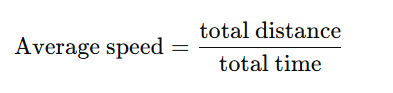
    In physics, you often deal with ratios like y=distance / time​.

    If both distance and time depend on another variable (say x or t), you need the quotient rule to find how the rate changes.

    For example, if distance = f(x) and time = g(x):

    This tells us how speed or velocity changes when both the distance covered and the time taken vary at different rates, a key part of motion analysis.

    2. Economics and Business Analytics

    In economics, ratios like:

    • Profit per unit = Profit ÷ Units Sold
    • Cost efficiency = Output ÷ Input
    • Return on investment (ROI) = Profit ÷ Investment

    depend on quantities that both change with time or production levels.
    The quotient rule lets analysts calculate marginal changes, for example, how ROI changes as investment and profit both vary.

    This insight helps businesses decide how small changes in costs or investments will affect their overall efficiency.

    3. Engineering and System Performance

    Engineers often analyze performance metrics that involve ratios:

    • Voltage per current
    • Force per area (pressure)
    • Efficiency = Output ÷ Input

    If both the numerator and denominator depend on other parameters (temperature, load, resistance, etc.), the quotient rule provides the derivative, showing how sensitive the system’s performance is to these changes.

    4. Data Analytics and Machine Learning

    In data analytics, you frequently measure rates, like:

    • Conversion rate = Clicks ÷ Impressions
    • Engagement ratio = Active users ÷ Total users

    When both parts change over time (e.g., both clicks and impressions fluctuate daily), the quotient rule helps analysts understand whether the rate change is driven more by the numerator or denominator, crucial for optimization and forecasting.

    5. Everyday Example: Average Speed

    Suppose you’re driving and want to know how your average speed is changing over time.

    As both distance and time increase, the quotient rule helps compute how quickly your average speed is rising or falling — an essential insight for navigation systems and speed monitoring apps.

    Takeaway

    The quotient rule is more than a differentiation trick, it’s a model of how ratios evolve in real life.
    Whether you’re studying physics, economics, or data analytics, understanding how one changing variable interacts with another gives you deeper insight into how systems behave.

    Conclusion: Mastering the Quotient Rule

    The quotient rule is one of the most practical tools in calculus, it helps you understand how the rate of change behaves when one changing quantity is divided by another.
    From physics and engineering to economics and data analytics, it forms the foundation for analyzing ratios that evolve over time.

  • How Money Laundering Works: Understanding the Process with Real-Life Examples

    How Money Laundering Works: Understanding the Process with Real-Life Examples

    Money laundering is one of the largest threats to the global financial setup. The act allows the criminals to cover the traces of the sources of money that have been acquired illegally and present them to look like it was acquired in line with the law. This manipulation not only contributes to organized crime but also undermines economic stability and destroys the reputation of financial institutions. To further explain this point, we shall delve into what money laundering is with example, how it is carried out, and why so much emphasis is put on the source of funds in the prevention of money laundering.

    What Is Money Laundering with an example?

    man with money baskets

    Money laundering refers to obscuring the source of money realized due to criminal acts like drug dealing, corruption, and fraud. This is aimed at getting the money illegally under the guise of being clean and legitimate. It usually occurs in the three broad phases, which are placement, layering, and integration.

    As an example, one can refer to a criminal who makes a lot of money by gambling something illegal. When it comes to placing such huge amounts of money into a bank, it would be suspicious. During the placement phase, therefore, the individual will leave deposits in small amounts in many accounts or enterprises. During the layering phase, money is moved around through various accounts, which may be in different countries or through shell companies, to complicate the trail. Last but not least, in the process of integration, the money is reinvested into the economy in the form of legitimate investments like real estate, luxury goods, or business ventures.

    The whole of this cycle converts dirty money into clean money. This example represents what money laundering is, with an example- an attempt to conceal the illegal sources of wealth intentionally and in a complex way.

    The Significance of determining the source of funds.

    Where the money used in a transaction comes from is known as the source of funds. In legitimate business transactions, the customers are required to prove that their money is a result of legitimate business. This information is used by the financial institutions and the regulators to stop money laundering and terrorist financing.

    When the criminals are trying to conceal the illegal proceeds, they usually forge documents or alter financial records to make their money look genuine. As an example, they can create nonexistent companies, provide false invoices, or report the income earned by non-existent companies. Checking the origin of funds will uncover these machinations, and one should see to it that transactions are in line with the anti-money laundering (AML) laws.

    Financial institutions apply Source of Funds (SoF) and Source of Wealth (SoW) checks to determine how a customer obtains their wealth and the consistency of it with their financial profile. When a person with a low income earns a significant sum of money or invests a lot in a new investment without giving a definite course of action as to why, it brings to mind the possibility of money laundering.

    Life Cases of Money Laundering.

    money bag

    One of the most famous ones is the one conducted by the Panama Papers, which revealed how influential people and corporations all over the world used offshore accounts and shell companies to conceal their assets. These organizations were utilized in the transportation of illegal money across borders, and it was virtually impossible to track the source of funds.

    The other instance is the Danske Bank scandal in which more than $200 billion of suspicious transactions were made through its branch in Estonia. The funds were mainly contributed by Russia and other former Soviet states. The money was laundered in complicated layers of transactions and bogus company set-ups to seem genuine. The case demonstrated the fact that even large financial organizations are prone to being used without appropriate AML checks.

    With these examples, it is evident that money laundering is being conducted both at the small scale and the global scale. In both a single and a big company, the goal is the same, which is to hide the source of illegal income.

    The effects of Money laundering on the economy.

    The implications of money laundering extend well past financial crime. It undermines economies by creating corruption, diminishing trust among people, and manipulating market competition. When outlaws inject huge amounts of illegal money into legal markets, it may escalate the prices of assets and render it difficult to compete with genuine enterprises.

    Furthermore, the laundered money usually finds its way into financing more illegal deals, including drug trafficking, terrorism, and human trafficking. This is a perpetuating cycle of crime that contributes to instability and rises in financial and social expenses to governments and citizens.

    Law enforcers such as the Financial Action Task Force (FATF) have come up with international norms of fighting money laundering. These consist of customer due diligence measures, monitoring transactions, and reporting suspicious transactions, which are obligatory. Enforcing these measures will mainly rely on determining and establishing the source of funds.

    Money Laundering Prevention by Compliance.

    Financial institutions need to embrace sound compliance systems to combat money laundering. This involves authenticating the identity of the customer, where he or she got the wealth and money, and keeping track of their financial dealings to ascertain abnormalities. Artificial intelligence and machine learning are more sophisticated technologies that are currently being deployed to flag suspicious transactions in real time.

    The training of the employees and following the strict policy of AML is essential too. The banks and other businesses are required to keep abreast with the changes in regulations, and to ensure that all the transactions are in accordance with the legal requirements. The reporting and detection of suspicious transactions not only help the institutions to avoid punishment but also help in making the world of global financial transparency a safer and more transparent place.

    Conclusion

    Knowing the definition of money laundering and example is a precious opportunity to grasp how money is used to cover illegal gains and why such efficient financial protection is needed. The misuse of the banking system by criminals can be prevented, and this can be achieved by following the origin of funds as well as practicing effective AML procedures.

    Money laundering is not only a financial crime, but it is a menace to the world’s economies since it supports corruption. Transparency, compliance, and cooperation between regulators and financial institutions are the only sure way to make sure that the flow of illegal money can be successfully interrupted and the integrity of the global financial system is maintained.

  • Top Five Signs Your Team Needs Staff Augmentation Right Now

    Top Five Signs Your Team Needs Staff Augmentation Right Now

    Have you ever felt that nagging pressure as a key deadline looms, and you just don’t have the hands, or the right skills, to get the job done? That feeling is often the first whisper that your current operational model might be hitting its ceiling.

    We are not talking about permanently expanding your payroll; we are discussing a strategic, surgical approach to talent acquisition. The model we refer to is it staff augmentation solutions, a flexible strategy where you hire external professionals to work alongside your in-house team temporarily.

    It’s fundamentally different from traditional outsourcing because you retain complete control and management over the project and the augmented personnel.

    The primary benefit is straightforward: it offers specialized talent quickly, bridging immediate resource or skill gaps without the burden of long-term commitment. Ignoring your team’s silent distress signals can lead to catastrophic project failures and employee burnout. Effective workforce management practices can help prevent these issues by ensuring optimal staffing levels and better resource planning.

    Recognizing the signs early is not just good management; it’s essential survival in the modern business world. This approach, supported by quality staff augmentation services, ensures you can scale up swiftly, keeping your focus on core business objectives while getting expert help where you need it most.

    The Five Critical Signs Your Team Needs Augmentation

    Staff Augmentation

    So, how do you know when your operational engine is sputtering and needs a turbo boost from a staffing augmentation company? These five indicators aren’t just minor annoyances; they are critical warning lights demanding your immediate attention. Ignoring them means sacrificing quality, timelines, and, most importantly, your existing team’s well-being. Look closely at your daily operations.

    Are your team members constantly scrambling to keep up? Are key projects consistently stalled? If the answers are yes, you should be considering this flexible talent model right now, particularly for software development staff augmentation, where niche skills are constantly required.

    Sign 1: The Weight of Overload and Burnout

    Let’s face it: your core team is your most valuable asset, yet they are often the first to be affected by unexpected project spikes or capacity shortfalls. When everyone is working 60-hour weeks, juggling three different roles, and canceling vacation plans, you are running on fumes.

    This is the weight of overload and burnout. What are the tell-tale symptoms you should watch for? Frequent sick days, a palpable drop in team morale during meetings, or an increase in minor mistakes that signal exhaustion.

    When your lead developer is managing databases instead of coding core features, they are “stretched too thin.” This pervasive stress not only decimates engagement but also increases the likelihood of high turnover. Engineering teams, for instance, can turn the tide by tracking developer productivity with Swarmia, gaining insights into workflow bottlenecks and fostering a healthier environment for sustainable delivery

    Bringing in a temporary expert through IT staff augmentation acts as a necessary pressure-release valve, giving your core staff the breathing room to focus on their primary, high-value tasks, thereby protecting their mental health and ensuring long-term retention.

    Sign 2: Project Delays and Missed Deadlines

    Missed Deadlines

    If you find yourself constantly moving the goalposts on major deliverables, you aren’t just experiencing a bad week; you have a systemic capacity problem. Consistently failing to meet project timelines is the most tangible and destructive sign that your team requires external support.

    Every missed deadline is more than an internal issue; it erodes client trust, damages your company’s reputation in the marketplace, and, critically, translates directly into lost revenue or increased costs. Think of it like a traffic jam: one unexpected bottleneck (like a sudden surge in tasks or a single employee leaving) can gridlock the entire system.

    When internal resources are already fully committed, any new, urgent project simply cannot be absorbed without delaying something else. This sign often follows directly from the first, an overloaded team inevitably becomes a slow team.

    To accelerate your delivery cycles and ensure projects are completed on time and on budget, you need the swift intervention offered by a professional IT staff augmentation company.

    Sign 3: Critical Skills Gaps in Niche Expertise

    Your in-house engineers are brilliant, but are they experts in quantum computing or specialized blockchain protocols? Probably not. The need for hyper-specific, short-term expertise defines the modern landscape of IT team augmentation. This is the issue of critical skills gaps in niche expertise.

    You might have a six-month project that requires an expert in Cloud Security Compliance (something your team doesn’t need permanently) or a developer proficient in a rare legacy system. Hiring a full-time employee for this specialized, temporary role is a colossal waste of resources, requiring months of recruitment time and leaving an underutilized employee once the project concludes.

    IT staff augmentation services are the ideal solution here, functioning like a technical SWAT team. They provide a high-level specialist exactly when you need them, injecting the exact technical acumen required for that specific phase, thereby ensuring your project proceeds without the costly delays caused by internal learning curves. Also, software development staff augmentation services connect you with expert developers across diverse technology stacks, eliminating skill gaps instantly.

    Sign 4: Stalled Innovation and Low Quality Output

    Low Quality Output

    When teams are in constant crisis mode, the metaphorical firefighting scenario, they stop looking forward. They stop innovating.

    The sign of stalled innovation isn’t always obvious; it shows up as an inability to dedicate time to strategic planning, quality assurance, or exploring new technologies. If your core team is tied up in routine maintenance or endless backlog processing, who is building the next generation of your product?

    When capacity is maxed out, quality is the first casualty. Development becomes rushed, testing is skimped on, and the final deliverable suffers. This isn’t laziness; it’s a symptom of being too distracted by operational tasks to focus on growth.

    Bringing in augmented support for routine tasks frees up your senior talent to concentrate on the high-value, strategic work that genuinely drives the business forward. This essential injection of focus through technology staff augmentation helps ensure that your output is not only timely but also excellent.

    Sign 5: The Costly and Slow Traditional Hiring Cycle

    How long does it really take to hire a senior developer? Weeks for job posting, weeks for screening and interviews, and then months of notice period before they even start. The traditional hiring cycle is notoriously costly and painfully slow especially when you’re trying to hire software developers in India, where demand is high and top talent gets snapped up quickly.

    The high transactional costs include recruiter fees, background checks, HR onboarding time, and the salary expenses of internal staff dedicated to interviewing. In the fast-moving world of tech, waiting four to six months for a permanent hire can mean losing a competitive advantage or missing a crucial market window.

    Software engineering staff augmentation offers an immediate, streamlined alternative. By bypassing lengthy HR procedures, you can onboard pre-vetted, highly skilled professionals within days or a couple of weeks, enabling immediate project commencement.

    This speed and efficiency dramatically reduce your hiring risk and accelerate your time-to-market, proving that time is indeed money.

    The Immediate Solution: Augmenting Your Workforce

    Recognizing the five signs is the first step toward reclaiming control of your projects and protecting your team. The next step is embracing the strategic value of team augmentation services.

    This model isn’t just about adding headcount; it’s about optimizing workflow, enhancing agility, and building a resilient, scalable operation.

    Staff augmentation for IT allows you to precisely target the skill or capacity deficit you need to fill, integrating the new talent directly under your existing management structure. Many companies also pair this approach with AI recruitment software to accelerate sourcing and vetting before bringing augmented talent on board.

    It’s a mechanism that quickly turns project bottlenecks into smooth execution, enabling your internal team to return to their core competencies and strategic tasks.

    Here are the critical benefits of partnering with a quality IT staff augmentation services provider:

    • Access to Global Talent: You can instantly tap into a vast, borderless pool of specialized skills that might be unavailable locally, ensuring you get the absolute best expertise for the job.
    • Flexibility and Scalability: You can easily scale your team up during peak development or down once a project is complete, aligning your costs with project needs.
    • Cost Efficiency: You avoid the significant, long-term overhead costs—including benefits, taxes, office space, and continuous training—associated with permanent, full-time employment.
    • Retention of Control: Unlike traditional outsourcing, you maintain direct management oversight, dictating the tools, methodologies, and daily priorities of the augmented team members.

    Conclusion

    We have explored the definitive warning signs, from the emotional toll of burnout to the economic disaster of missed deadlines and the strategic threat of skills gaps. Recognizing these signals quickly is absolutely crucial for maintaining business health and achieving a competitive edge.

    It is time to retire the old mindset that external help is a last resort. Instead, we must view staff augmentation as a sophisticated, strategic IT staff augmentation tool for modern resource management.

    It is the tactical advantage that ensures capacity is always met with capability, driving forward innovation while simultaneously protecting your core team from unnecessary strain.

    By strategically choosing staff augmentation services, you invest not only in your projects but also in the long-term sustainability and happiness of your people.

  • Exploring the Power and Potential About TrafficStars in Digital Marketing

    Exploring the Power and Potential About TrafficStars in Digital Marketing

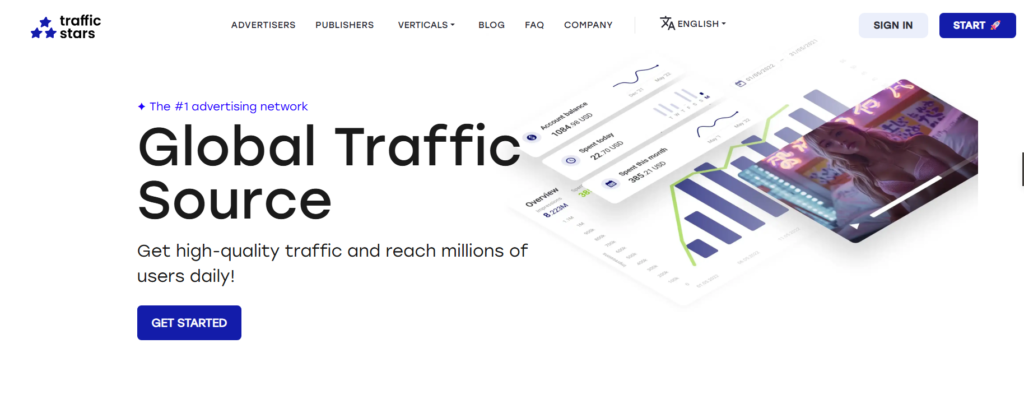
    Advertisers and publishers are always on the lookout for reliable platforms that can deliver high-quality traffic and measurable results. One platform that has consistently stood out for its performance and versatility is TrafficStars, a global advertising network built to maximize ROI for advertisers across various industries.

    By understanding how to leverage the full potential of TrafficStars, marketers can open the door to a vast and diversified pool of opportunities that help scale their digital efforts effectively.

    What Makes TrafficStars a Game-Changer in Digital Advertising

    TrafficStars has established itself as a performance-driven platform designed for both advertisers and publishers. It provides access to premium ad inventory, precise targeting tools, and real-time analytics that make campaign management transparent and data-centric.

    The platform caters to multiple verticals, including mainstream, iGaming, and adult traffic, allowing marketers to tap into unique audience segments while maintaining control over their campaigns. Its flexible ad formats — display, native, video, and pop-under — make it suitable for both brand awareness and conversion-focused campaigns.

    For those looking to experience the platform firsthand, trafficstars.com offers a user-friendly interface and a full suite of tools that empower advertisers to manage and optimize their campaigns with ease. The dashboard’s simplicity hides an incredibly powerful backend that leverages AI and machine learning to ensure optimal ad delivery and performance.

    Key Benefits of Using TrafficStars

    TrafficStars stands out from other ad networks thanks to its focus on transparency, flexibility, and intelligent automation. Below are some of the most impactful advantages that attract marketers to the platform:

    • Advanced Targeting Capabilities: Advertisers can filter audiences by country, device type, browser, OS, and even user behavior.
    • AI-powered optimization: AI-Powered Optimization plays a crucial role in modern ad strategies, as smart algorithms help maximize conversions and minimize wasted spend by automatically adjusting bids and placements in real time.
    • Premium Global Reach: With direct publisher relationships and millions of impressions daily, the network offers unmatched scale.
    • Multiple Ad Formats: From native and video to display banners, users can tailor campaigns to match their goals and creative vision.
    • Real-Time Data and Reporting: Marketers can monitor performance instantly and adapt their strategies on the go.

    This combination of automation and human control creates a powerful synergy — one that’s especially valuable in industries that rely on consistent traffic and engagement.

    How TrafficStars Drives Growth Across Verticals

    One of the platform’s greatest strengths lies in its adaptability. TrafficStars supports diverse markets, making it an ideal solution for advertisers working in entertainment, gaming, lifestyle, and other performance-driven niches.

    Powering iGaming and Adult Traffic Campaigns

    For instance, in the iGaming and adult traffic sectors, TrafficStars has become a trusted partner for brands seeking high-quality conversions. The network’s compliance standards, coupled with advanced segmentation options, help advertisers reach the right users at the right time — without compromising on campaign ethics or safety.

    In both of these industries, timing and relevance are everything. With TrafficStars’ machine learning optimization, ads are delivered to users most likely to engage, helping marketers achieve better ROI even in competitive verticals.

    Best Practices for Maximizing Results on TrafficStars

    Success with TrafficStars isn’t just about choosing the right ad format — it’s about strategic execution. Here are some proven tips to help you make the most out of your campaigns:

    1. Start with Clear KPIs: Define what success looks like — whether that’s CTR, conversions, or retention.
    2. Test and Optimize: Run multiple creatives and landing pages to see which combinations drive the best results.
    3. Use Smart Bidding: Take advantage of automated bid optimization to balance reach and cost efficiency.
    4. Segment Your Audience: Narrow targeting allows for more personalized messages and higher engagement.
    5. Analyze and Scale: Regularly review campaign data, eliminate underperforming placements, and reinvest in top performers.

    By applying these principles, advertisers can move beyond basic traffic acquisition and focus on building long-term, scalable revenue streams.

    The Future Potential of TrafficStars in Digital Marketing

    As the advertising ecosystem continues to evolve, TrafficStars remains at the forefront of innovation. The platform’s ongoing investment in artificial intelligence, privacy compliance, and user experience ensures it stays aligned with both advertiser needs and industry standards.

    Moreover, its emphasis on transparency and quality makes it a sustainable option for brands that value ethical advertising and measurable outcomes. With a growing emphasis on personalization and contextual targeting, TrafficStars is well-positioned to continue driving strong conversion rates and brand visibility when integrated with tools like an AI Facebook ad maker.

    Final Thoughts

    TrafficStars is more than just an ad network — it’s a powerful ecosystem that empowers digital marketers to reach, engage, and convert audiences with precision. By combining AI-driven insights, transparent data, and global traffic reach, it offers an all-in-one solution for scaling campaigns effectively.

    Whether you’re running a performance marketing campaign or building brand awareness across diverse audiences, exploring the full potential of TrafficStars can be the key to unlocking your next level of growth.

  • How Personalized Packaging Can Improve Brand Perception and Loyalty

    How Personalized Packaging Can Improve Brand Perception and Loyalty

    Personalized packaging does more than protect a product, it shapes how people see a brand and how much trust they place in it. A package that feels tailored creates a sense of value and attention that generic packaging cannot deliver.

    Personalized packaging improves brand perception and builds loyalty by making each purchase feel more meaningful and connected to the customer. For brands selling through platforms like Amazon, adding personal touches to their packaging can elevate the customer experience, setting them apart in a competitive marketplace.

    Small details such as a name, a custom message, or packaging that reflects past purchases can leave a lasting impression. These touches show that a brand pays attention and cares about the individual experience, which often leads to repeat business. In a crowded market, this level of personalization helps a brand stand out and stay memorable.

    Beyond the first impression, thoughtful packaging can turn customers into long-term supporters. It creates moments worth sharing, sparks positive word of mouth, and strengthens the emotional link between people and the products they choose. This connection is what transforms a single purchase into an ongoing relationship.

    How Personalized Packaging Shapes Brand Perception and Loyalty

    Personalized Packaging

    Personalized packaging influences how customers view a product, how they connect with a brand, and whether they return for future purchases. It can create memorable first impressions, strengthen emotional ties, and reinforce a company’s image in a crowded market.

    Creating Memorable Unboxing Experiences

    Unboxing has become part of the overall customer experience. A well-designed package can turn a simple delivery into a moment that feels thoughtful and unique. Details like custom colors, names, or messages give customers the sense that the product was prepared specifically for them.

    This added attention can be especially powerful in e-commerce. For example, businesses that use fulfillment services for Amazon can still stand out by adding personalized touches to their packaging before items reach buyers. Even small changes, such as inserts with customer names or limited-edition designs, can make the experience more memorable.

    As a result, customers often share these experiences on social media, which creates organic exposure for the brand. A positive unboxing moment can build anticipation for future orders and influence how customers talk about the company with others. 

    Building Emotional Connections Through Personalization

    Personalized packaging can trigger positive emotions like surprise, excitement, or appreciation. A package that feels tailored to the individual communicates that the brand values the customer beyond the transaction.

    This sense of recognition helps form a stronger bond. For example, a handwritten note or a design that reflects customer preferences can make the interaction feel human rather than transactional. These details can increase trust and make customers more likely to return.

    Emotional connections often lead to loyalty. Studies show that people who feel emotionally tied to a brand are more willing to recommend it to others. Personalized packaging can therefore move beyond aesthetics and create a foundation for long-term relationships.

    Improving Brand Identity and Visual Appeal

    Packaging is often the first physical touchpoint between a customer and a brand. Consistent use of colors, typography, and imagery makes products easier to recognize and remember. Adding personalized elements on top of that consistency communicates creativity and attention to detail.

    For new businesses, unique packaging can help establish identity in a competitive space. A design that reflects brand values, such as sustainable materials or cultural themes, can signal authenticity and quality. Carefully designed visuals where you can edit images to fine-tune every detail ensure the brand is presented consistently and professionally. Customers notice these details and often associate them with the overall value of the product.
    Personalized packaging helps brands create a stronger emotional connection with their customers. In digital marketing materials, brands also use tools that can enhance pictures to ensure visual content reflects the same level of quality and attention to detail.

    Strong visual appeal also improves shelf presence. In crowded markets, personalized packaging can help a product stand out, making it easier for customers to choose it over alternatives.

    Driving Repeat Purchases and Customer Engagement

    Personalization does more than create a good first impression. It can influence buying behavior over time. Customers who feel recognized are more likely to make repeat purchases, and they often engage with the brand beyond the initial sale.

    Some companies use packaging to reward loyalty. For example, sending unique designs to long-term customers or including personalized discount codes can encourage repeat orders. This approach not only increases sales but also strengthens the relationship with existing buyers.

    Personalized packaging can also support word-of-mouth marketing. Customers who feel valued often share their experiences with friends or online communities. This creates additional exposure without extra advertising costs, while also reinforcing the brand’s reputation for care and detail.

    Innovative Packaging Strategies for Lasting Loyalty

    customer loyalty

    Brands can strengthen customer loyalty by combining technology, sustainable practices, social engagement, and creative design. Each approach influences how customers view a product, shapes their purchasing decisions, and builds long-term trust.

    Leveraging Technology: QR Codes, NFC Tags, and Augmented Reality

    Interactive technology allows packaging to go beyond a simple container. QR codes created with tools like The QR Code Generator (TQRCG) can link customers to product tutorials, personalized messages, or loyalty rewards.. NFC tags provide instant access to exclusive content with a quick tap of a smartphone.

    Augmented reality creates engaging experiences that connect customers directly with a brand’s story. For example, scanning packaging can reveal 3D product demonstrations or behind-the-scenes videos. These features add value and make the unboxing moment more memorable.

    Technology also gives brands useful data. By tracking how customers interact with QR codes or NFC tags, companies gain insights into preferences and behaviors. Tools like Uniqode simplify this process by providing real-time analytics to help you refine your customer engagement strategies. This information helps adjust future packaging design and marketing strategies to improve customer satisfaction.

    Sustainable and Eco-Friendly Packaging Solutions

    Consumers increasingly expect brands to show environmental responsibility. Packaging that uses biodegradable materials, recycled paper, or plant-based plastics signals a commitment to sustainability. This choice influences purchasing decisions and builds trust with eco-conscious buyers.

    Furthermore, companies must stay ahead of the curve as sustainable packaging regulations globally become stricter, requiring changes in material sourcing, recyclability targets, and waste reduction strategies.

    Brands can also reduce waste by designing packaging that uses fewer layers or serves a second purpose, such as storage. Minimalist typography and clear labeling further reinforce the message of responsible production.

    Eco-friendly packaging not only benefits the environment but also strengthens brand perception. Customers often associate sustainable practices with honesty and care, which increases loyalty over time. A brand that values the planet shows it values its customers as well.

    Amplifying Brand Visibility Through Social Media

    Social media amplifies the impact of packaging design. Unique and visually appealing packaging often encourages customers to share unboxing moments online. This type of organic content increases brand visibility without additional advertising costs.

    Brands can encourage sharing by including personalized notes, bold typography, or packaging elements that photograph well. A hashtag printed inside a box or on a label can also guide customers to share their experience with a wider audience.

    This strategy creates a cycle of engagement. Customers enjoy recognition from the brand, while the brand benefits from authentic promotion. The result is stronger connections and greater reach among potential buyers who trust peer recommendations.

    Unique and Custom Packaging Design Trends

    Distinctive packaging design helps a product stand out in crowded markets, so collaborating with a packaging design agency that’s basing its decisions on data-backed insights is crucial to fostering customer loyalty. Custom shapes, textured surfaces, or bold color schemes create a lasting impression. Typography choices also influence perception, as fonts can signal elegance, playfulness, or modernity.

    Limited-edition packaging tied to holidays or cultural events adds a sense of exclusivity. Customers often see these designs as collectibles, which increases repeat purchases.

    Personal touches, such as names or messages printed on packaging, create stronger connections with customers. These small details show attention to individual preferences and increase satisfaction. Over time, such design strategies reinforce brand identity and encourage loyalty.

    Conclusion

    Personalized packaging gives brands a way to stand out in a crowded market. It signals attention to detail and creates a sense of value that customers notice.

    It also supports stronger connections by making each purchase feel more meaningful. As a result, customers are more likely to return and recommend the brand to others.

    Therefore, companies that use thoughtful design and customization can improve perception and build lasting

  • Business Internet Solutions: Dedicated vs Shared Connection Options

    Business Internet Solutions: Dedicated vs Shared Connection Options

    Businesses lose an average of $5,600 per minute during internet outages, according to Gartner research. Yet 62% of companies still operate on consumer-grade shared connections that weren’t designed for enterprise demands.

    The decision between dedicated and shared internet connections shapes everything from customer experience to operational efficiency. But most IT departments struggle to justify the cost difference without understanding the technical and business implications of each option.

    Advanced Networking Requirements for Modern Business

    connect on cell phones

    Modern businesses require sophisticated networking features unavailable on shared connections. Quality of Service (QoS) prioritization ensures critical applications receive necessary bandwidth even during peak usage. A medical practice can prioritize telehealth sessions over email traffic, guaranteeing patient consultations proceed smoothly.

    Multi-site connectivity through MPLS or SD-WAN technologies requires dedicated connections at each location. These private networks enable secure, high-speed communication between offices without routing traffic over the public internet.

    Companies using IPRoyal’s dedicated ISP proxies for market research or competitive analysis particularly benefit from dedicated connections’ consistent performance and enhanced security features.

    Static IP addressing, standard with dedicated connections, enables reliable remote access and server hosting. Shared connections typically provide dynamic IPs that change periodically, breaking VPN connections and complicating security configurations. E-commerce businesses running their own servers save thousands monthly by hosting internally rather than paying cloud providers.

    Understanding Connection Architecture Fundamentals

    Shared internet connections operate like apartment building plumbing. Multiple businesses draw from the same bandwidth pool, creating unpredictable performance during peak hours. Your 100 Mbps plan might deliver 20 Mbps when neighboring offices stream their morning video conferences.

    Dedicated connections provide exclusive bandwidth pipelines. If you purchase 500 Mbps, you receive 500 Mbps consistently, regardless of what happens in adjacent buildings. The infrastructure serves your organization alone, eliminating the variable of competing traffic.

    The technical distinction goes deeper than simple bandwidth allocation. Shared connections route through consumer-grade equipment optimized for cost efficiency. Dedicated services utilize enterprise hardware with redundant components, advanced traffic management, and proactive monitoring systems. This architectural difference impacts not just speed but reliability, latency, and security capabilities.

    Performance Metrics That Impact Business Operations

    Raw download speeds tell only part of the story. Latency variations between shared and dedicated connections can reach 300%, dramatically affecting real-time applications like video conferencing and VoIP phone systems.

    Packet loss rates reveal another critical difference. Shared connections average 0.5-2% packet loss during congestion, while dedicated lines maintain below 0.01%. For a company processing 10,000 transactions daily, that difference translates to 50-200 failed operations versus one.

    Upload speeds particularly suffer on shared connections, often capped at 10-20% of download rates. Dedicated services provide symmetrical speeds, crucial for businesses hosting servers, uploading large files, or supporting remote workers accessing company resources. A design firm uploading client presentations experiences 5x faster transfers with symmetrical dedicated bandwidth.

    Security Implications for Modern Enterprises

    security sign and man on pc

    Shared connections expose businesses to lateral security risks. When multiple organizations use the same network infrastructure, sophisticated attackers can potentially intercept traffic or launch attacks from within the shared environment. The FBI’s Internet Crime Report documented 847,000 cybercrime complaints in 2023, with many originating from compromised shared networks.

    Dedicated connections enable comprehensive security implementations impossible on shared infrastructure. Organizations can deploy custom firewall rules, implement intrusion detection systems, and maintain complete traffic logs. These capabilities become essential for companies handling sensitive data or requiring compliance with regulations like HIPAA or PCI-DSS.

    Network segmentation represents another security advantage. Dedicated connections allow businesses to create isolated network zones for different departments or applications. This isolation prevents breaches from spreading across the entire organization, containing potential damage to specific segments.

    Cost Analysis Beyond Monthly Fees

    Shared business internet typically costs $100-500 monthly, while dedicated connections range from $500-5,000. But focusing solely on subscription costs ignores the complete financial picture.

    Downtime costs dwarf connection fees for most businesses. Shared connections average 44 hours of downtime annually, versus 4 hours for dedicated services. For a 50-employee company with $100,000 monthly payroll, those extra 40 hours of downtime cost $23,000 in lost productivity alone. Customer acquisition costs compound these losses when unreliable connections drive clients to competitors.

    Dedicated connections include service level agreements (SLAs) guaranteeing 99.99% uptime with financial penalties for failures. Shared services rarely offer meaningful SLAs, leaving businesses without recourse during outages. The predictability of dedicated connections enables accurate capacity planning, preventing emergency bandwidth purchases that cost 3-5x standard rates.

    Industry-Specific Requirements and Compliance

    Healthcare organizations face strict HIPAA requirements that effectively mandate dedicated connections for transmitting patient data. The encryption, logging, and access control capabilities necessary for compliance remain technically unfeasible on shared infrastructure.

    Financial services companies must demonstrate network security and reliability for SOX compliance. Dedicated connections provide the audit trails and guaranteed performance metrics regulators require. Harvard Business Review research indicates that 89% of financial institutions consider dedicated connectivity essential for regulatory compliance.

    Manufacturing facilities implementing IoT sensors and automation systems need deterministic network performance. Shared connections’ variable latency can disrupt production lines where millisecond timing matters. One automotive parts manufacturer reported 15% productivity improvements after upgrading from shared to dedicated connectivity.

    Migration Strategies and Implementation

    Transitioning from shared to dedicated connections requires careful planning to minimize disruption. Successful migrations typically follow a phased approach over 60-90 days.

    Begin by auditing current bandwidth usage and application requirements. Monitor traffic patterns for at least two weeks, identifying peak usage times and critical services. This data guides dedicated bandwidth sizing, preventing over-provisioning that wastes money or under-provisioning that constrains growth.

    Implement the dedicated connection alongside existing shared service initially. This parallel running period allows testing and configuration adjustments without risking business operations. Gradually migrate services to the dedicated connection, starting with non-critical systems before moving mission-critical applications. Most businesses maintain minimal shared connectivity as emergency backup even after completing migration.

    Future-Proofing Network Infrastructure

    5G business internet promises to blur the lines between dedicated and shared services. But technical analysis from IEEE suggests true enterprise-grade 5G remains 3-5 years from widespread availability. Businesses need reliable solutions today, not theoretical future technologies.

    Dedicated fiber connections offer the most future-proof option, supporting speeds up to 100 Gbps with current technology. As bandwidth demands grow 50% annually, the scalability of dedicated infrastructure becomes increasingly valuable. Shared connections requiring complete replacement for speed upgrades cost more long-term than scalable dedicated services.

    Edge computing and distributed cloud architectures assume reliable, high-bandwidth connectivity at each location. Companies planning these implementations should install dedicated connections proactively, avoiding rushed deployments when projects launch. The lead time for dedicated circuit installation ranges from 30-120 days, making advance planning essential.

    Making the Strategic Decision

    Businesses processing fewer than 100 daily transactions with under 20 employees might justify shared connections temporarily. But growth plans should factor in inevitable dedicated connection requirements. The disruption and cost of emergency migrations exceed planned transitions by 200-300%.

    Dedicated connections become non-negotiable for organizations handling sensitive data, supporting remote workforces, or operating customer-facing services. The reliability, security, and performance advantages directly impact revenue and reputation. One hour of downtime can destroy months of customer relationship building.

    The choice between dedicated and shared connections ultimately reflects business priorities. Companies viewing internet connectivity as a utility commodity will gravitate toward shared services. Organizations recognizing connectivity as strategic infrastructure invest in dedicated solutions. The 10x price difference seems insignificant when dedicated connections prevent a single costly outage or security breach that shared services couldn’t avoid.

  • How Digital Innovation Is Transforming Corporate Landscape

    How Digital Innovation Is Transforming Corporate Landscape

    In today’s fast-paced digital economy, technology has become the backbone of every successful business. Whether it’s a small startup or a global enterprise, computing systems now drive decision-making, streamline operations, and open new avenues for innovation. This digital landscape is often referred to as the Business Computing World, a dynamic environment where technology and business strategy merge to create smarter, faster, and more efficient organizations.

    corporate meeting

    The concept of the Business Computing World encompasses everything from cloud computing and artificial intelligence to data analytics, cybersecurity, and enterprise software systems. Understanding this world is crucial for any organization aiming to thrive in an age defined by digital transformation.

    What Is the Business Computing World?

    The Business Computing World refers to the collective use of computing technologies to support, manage, and optimize business processes. It integrates tools, systems, and software that help companies operate more efficiently and competitively.

    From cloud platforms like AWS and Azure to AI-driven analytics and automation tools, business computing connects every department finance, operations, marketing, and customer service—through data and digital intelligence.

    At its core, it’s about using technology not just to perform tasks, but to create value, enhance productivity, and drive strategic growth.

    The Evolution of Business Computing

    pc table for work

    The journey of business computing began in the mid-20th century with the introduction of mainframe computers. Initially, computing in business was limited to tasks like payroll processing and data storage. However, as technology advanced, so did the possibilities.

    • 1960s–1980s: The rise of personal computers allowed businesses to move beyond centralized systems. Spreadsheets and early databases changed the way companies managed information.
    • 1990s: The internet revolutionized communication and commerce. Email, websites, and online databases became essential.
    • 2000s: Cloud computing emerged, allowing companies to store and access data remotely, reducing costs and increasing scalability.
    • 2010s–Present: Artificial intelligence, big data analytics, and machine learning transformed the way organizations make decisions and predict market trends.

    Today, business computing is no longer just an IT concern it’s a strategic business enabler that touches every aspect of modern enterprise.

    Key Components of the Business Computing World

    a. Cloud Computing

    Cloud computing has reshaped how businesses store and manage data. Instead of relying on local servers, companies use online platforms like Amazon Web Services (AWS), Google Cloud, and Microsoft Azure.

    Benefits include:

    • Cost efficiency and scalability
    • Real-time collaboration
    • Enhanced data backup and security
    • Accessibility from anywhere

    Cloud computing enables startups and large corporations alike to scale their operations without heavy infrastructure costs.

    b. Artificial Intelligence (AI) and Machine Learning (ML)

    AI, ML, and AI agents are at the heart of modern business computing. They enable companies to analyze data patterns, predict consumer behavior, and automate routine processes.

    Applications include:

    • Predictive analytics in marketing and finance
    • AI-powered chatbots for customer support
    • Machine learning for fraud detection
    • Intelligent automation and IT automation for operational efficiency.

    AI strategy is transforming how businesses understand customers and make data-driven decisions. Additionally, AI copilots are emerging as valuable assistants in various industries, helping professionals make complex decisions based on advanced algorithms and real-time data

    c. Big Data and Analytics

    Every business today generates vast amounts of data—from sales transactions to social media engagement. Big data analytics helps make sense of this information, turning raw data into actionable insights.

    Key advantages include:

    • Better customer understanding
    • Improved decision-making
    • Trend forecasting
    • Operational efficiency

    In the Business Computing World, data is often referred to as the “new oil” — a critical resource for business growth.

    d. Cybersecurity Systems

    As businesses go digital, protecting data and systems becomes more important than ever. Cybersecurity technologies such as encryption, firewalls, and multi-factor authentication safeguard company assets from hackers and data breaches. Partnering with a trusted cyber security company helps implement these controls effectively.

    Modern security practices include:

    • Cloud-based threat detection
    • Zero-trust architecture
    • AI-driven risk assessment

    Without strong cybersecurity, the benefits of business computing can quickly turn into liabilities. Resources like an attack surface management tools guide can help organizations identify vulnerabilities across digital environments and strengthen defenses before threats escalate. For endpoint resilience across remote devices, consider solutions that pair backup with real-time threat prevention, such as Acronis anti-malware software, which protects Windows/macOS systems without heavy overhead. It’s also wise to verify a domain’s email security with an MTA-STS checker, ensuring that your communications infrastructure meets professional standards.

    Without strong cybersecurity, the benefits of business computing can quickly turn into liabilities.
    Partnering with a cybersecurity marketing agency can help ensure your messaging accurately reflects your security posture while reaching your target audience effectively.

    e. Enterprise Software Systems

    Enterprise systems such as ERP (Enterprise Resource Planning), CRM (Customer Relationship Management), and HRM (Human Resource Management) integrate various business functions into a single digital platform. They help companies automate workflows, improve collaboration, and maintain consistency across departments. Plus, a Dynamics 365 partner can help implement and customize these systems to fit your business needs.

    The Benefits of Business Computing

    Embracing the Business Computing World provides several tangible advantages:

    1. Increased Efficiency

    Automating repetitive tasks and integrating digital tools reduce human error and save time.

    2. Cost Reduction

    Cloud and SaaS (Software as a Service) models eliminate the need for expensive hardware, reducing IT costs.

    3. Better Decision-Making

    Through analytics and AI, businesses can access real-time insights for strategic planning. Working with strategic planning consultants can further refine these insights with the help of a smart spreadsheet, thus helping companies develop actionable strategies and make well-informed decisions.

    4. Enhanced Collaboration

    Cloud-based communication tools and project management software foster teamwork across locations.

    5. Scalability

    Modern computing solutions allow businesses to easily scale up or down according to market demands.

    6. Competitive Advantage

    Early adopters of advanced computing gain an edge by innovating faster and responding more effectively to market trends.

    Challenges in the Business Computing World

    While the benefits are immense, the digital landscape also presents challenges:

    a. Data Security Risks

    Cyber threats are increasing, with ransomware and phishing attacks posing serious risks to business operations.

    b. Integration Complexity

    Combining new technologies with legacy systems can be time-consuming and expensive.

    c. Skill Gaps

    Many businesses struggle to find qualified professionals in areas like data science, AI, and cybersecurity.

    d. Cost Management

    Although cloud and SaaS models are cost-effective, poor management of subscriptions and storage can lead to financial inefficiency.

    e. Rapid Technological Change

    Keeping up with new tools and updates requires continuous learning and adaptability.

    Despite these challenges, organizations that plan strategically and invest wisely in their computing infrastructure can overcome these hurdles and thrive.

    The Future of Business Computing

    The Business Computing World continues to evolve rapidly. Emerging trends are set to redefine how companies operate in the next decade.

    a. Quantum Computing

    Quantum computing has the potential to solve complex problems in seconds that would take traditional computers years. It could revolutionize industries such as finance, healthcare, and logistics.

    b. Edge Computing

    Instead of relying solely on cloud servers, edge computing processes data closer to its source, reducing latency and improving speed.

    c. AI-Driven Automation

    Future systems will increasingly automate decision-making, allowing businesses to operate almost autonomously in some areas.

    d. Sustainability in Computing

    Green computing and eco-friendly data centers are becoming priorities as companies strive for environmental responsibility.

    e. Blockchain Integration

    Blockchain technology offers transparent, secure, and decentralized ways to record transactions, which could redefine business data management.

    Why Businesses Must Adapt

    In today’s competitive world, staying relevant means embracing technology. Companies that fail to adopt modern computing solutions risk falling behind more agile competitors.

    Adapting to the Business Computing World isn’t just about installing new software it’s about transforming the organizational mindset, investing in innovation, and building a culture of digital literacy.

    Businesses must also focus on training employees, enhancing cybersecurity measures, and using data ethically to build customer trust and long-term sustainability.

    Conclusion

    The Business Computing World is not just a trend it’s the foundation of the modern economy. From startups to multinational corporations, every organization now relies on computing technologies to stay competitive, efficient, and future-ready.

    By embracing cloud computing, AI, big data, and cybersecurity, businesses can unlock new opportunities for innovation and growth. However, success in this digital era requires more than just technology it demands strategic vision, continuous learning, and adaptability.

    As we move further into the 21st century, one thing is clear: the future of business belongs to those who understand and master the power of computing.

  • Proof of Income for Businesses: Why Verification Is Critical for B2B Transactions

    Proof of Income for Businesses: Why Verification Is Critical for B2B Transactions

    Trust is the building block of any business-to-business (B2B) relationship in the digital economy today, which is very fast and highly digitalized. The financial viability of a business partner can no longer be checked or not when seeking credit, establishing relations with suppliers, or recruiting new vendors, it has become necessary. Income verification is one of the best methods that can be used to develop and uphold that trust.

    When the person is presenting his or her payslips or tax returns as the source of income, the business is relying on the financial statements, bank statements and the data of transactions verified to prove their financial stability. Nevertheless, even in such a case, this documentation may be managed or distorted without the verification process, and in the case of B2B transactions, such risks can be severe.

    currency notes

    The Increasing Significance of Proof of Income in the B2B World

    Business-to-business dealings are usually associated with huge sums of money, recurrent billing patterns, and protracted agreements. Organizations must seek assurance that their partners are financially able to fulfill their obligations before extending credit lines, providing them services on account, or establishing a relationship with their suppliers.

    Proof of income is that guarantee. It confirms that a company is earning a stable income and is financially stable. To lenders, suppliers and service providers, it also becomes a major pointer of credit worthiness, reliability as well as financial transparency.

    Nevertheless, with the shift towards online financial transactions, the old system of verification which uses paper-based statements or manual reports is becoming less sufficient. The fraudsters can either fake documents, alter electronic records or personate legitimate organizations and it is challenging to tell who is real and who is not.

    Verification of Business Income is a difficult task

    Even though proving income is vital, the businesses have numerous difficulties with verifying it successfully:

    Document Manipulation

    With the help of simple tools, it is possible to alter the financial statements and bank records digitally. These doctored documents are likely to be approved as genuine without proper verification systems, which may result in fraud.

    Unstable Reporting Standards

    Businesses in various regions and industries apply various accounting standards and hence income documents cannot be assessed in a similar manner.

    Absence of Transparency of Online Transactions

    A lot of B2B dealings are made online, digital wallets or cross border accounts, hence it is more difficult to determine the authenticity of the income.

    Manual Processes that are Time Consuming

    Conventional verification may take days or weeks, slowing down the onboarding and contract approvals, particularly when it is done manually.

    The only way to overcome these challenges is to make businesses move towards automated verification systems which are technology based to verify financial and identity information in real time.

    The importance of Income Verification to B2B Transactions

    B2B

    1. Minimizes Credit and Default risks

    Businesses must be assured that their clients will make their payments on time when they give them trade credit or other flexible payment terms. Confirmed evidence of income is a clear view of the financial ability of the company hence reducing the risk of defaults and bad debts. To further safeguard against potential non-payments, companies often rely on trade credit insurance, which helps protect cash flow when customers fail to pay.

    2. Prevents Financial Fraud

    B2B frauds (i.e. falsified invoicing, shell companies, etc.) frequently start with falsified financial data. Document verification is done to make sure that documents that are received on income are real and are related to checked business accounts, often supported by OTP service verification for added security

    3. Assures accountability and transparency

    The Know Your Business (KYB) and Anti-Money laundering (AML) regulations apply to many industries in the present day. These guidelines dictate the need to check on the identity as well as the financial activity of business partners. Evidence of income verification assists organizations to comply with these obligations and still conduct their operations free of fraud.

    4. Enhances Long-term collaborations

    Confirmation develops trust among the business associates. The mutual trust in the financial situation of both parties contributes to the easy process of transactions, more effective cooperation, and more resilient partnership in the long term.

    How Technology Makes Business Income Checking Easy

    income in dollars

    The move towards cloud accounting; billing and verification systems has transformed the process of business validation of financial data. Recent software can be combined with banks, ERP systems and government repositories to automatically check income and transaction records.

    This is the way that digital verification enhances efficiency:

    1. Automated Data Collection: Businesses will be able to link their financial systems so that they can easily exchange verifiable income information via physical statements that are not requested.

    2. Real-Time Authentication: Records can be verified by cross-checking with other verified records, and whether they are genuine in a matter of seconds.

    3. Audit trail: Digital verification establishes accountable logs that are better tracked.

    4. Quicker Onboarding: Companies are able to onboard new clients or partners, in a short amount of time without due diligence being sacrificed.

    5. Identity Verification The role of identity verification in Income Validation.

    Although it is important to verify financial data, it is also important to verify the identity of the person behind such data as well. Even without backing up the ownership of the business or business operations, the income alone does not suffice to legitimize the business.

    This is where the identity verification and KYC/KYB solutions are. They associate financial evidence with an established identity and make sure that the business submitting income statements is actually in existence and is in legal operations, often supported by complementary tools like PEP Screening to strengthen risk assessment

    ShuftiPro is one of the solutions that work in this space.

    A worldwide identity test and conformity platform. ShuftiPro provides organizations with the ability to conduct real-time KYC, KYB, AML screening, as well as authenticating documents. ShuftiPro can be used to make sure that the income demonstration is associated with real, legitimate entities by validating the business owners and ensuring that they are legitimate, such as by making sure that they have filed their taxes or provided bank statements.

    In the case of B2B websites, financial services companies, and accounting software companies, the implementation of such tools will not only lead to improving trust but also minimize the risk of fraud and money laundering as well as reputational losses.

    Development of Trust-Centric B2B Ecosystem

    Trust and transparency are what make partnerships fruitful in a highly digital and globalized business environment. Income verification proof is this plus identity verification is what makes this trust.

    Organizations that automate and verify themselves can:

    • Reduce onboarding delays
    • Minimize fraud risk
    • Enhance compliance mechanisms
    • Develop long-term and reliable relationships with business associates and customers.

    With organizations becoming more and more digital, the incorporation of trusted verification technologies will cease to be the choice, but it will become one of the competitive benefits.

    Final Thoughts

    Income verification is not a formality of the back-office anymore, it is a strategic requirement of sustainable business growth. Financial verification combined with powerful identity checks with the help of such solutions as ShuftiPro.

    Business organizations will be able to make the transactions they have with each other transparent, compliant, and safe.

    In a world where financial credibility and online trust is the factor of success, proven evidence of income is the secret behind long business relationships.