

Warehousing is not about putting products on shelves anymore. These days businesses need to get orders and know exactly how much stuff they have in stock to make sure their employees are working well and work smoothly with the people who supply them with products. If you have a store, a company that makes things or a retail business picking the right warehouse management partner can really affect how happy your customers are and how much money you make.
Nowadays companies that manage warehouses have cool technology, automated systems, ways to track inventory and solutions for getting products from one place to another. They can help all kinds of businesses from ones that want to save money on warehouse space to big companies that have to manage products all over the world. There are warehouse management companies that can meet the needs of any business.
In this guide we will look at 20 of the warehouse management companies that are helping businesses get better at keeping track of their inventory, saving money on operations and making their warehouses run more smoothly. Warehouse management companies are really important. We will explore how they can help your warehouse management needs. Warehouse management is a part of any business and these companies are experts in warehouse management.
What Is a Warehouse Management Company?
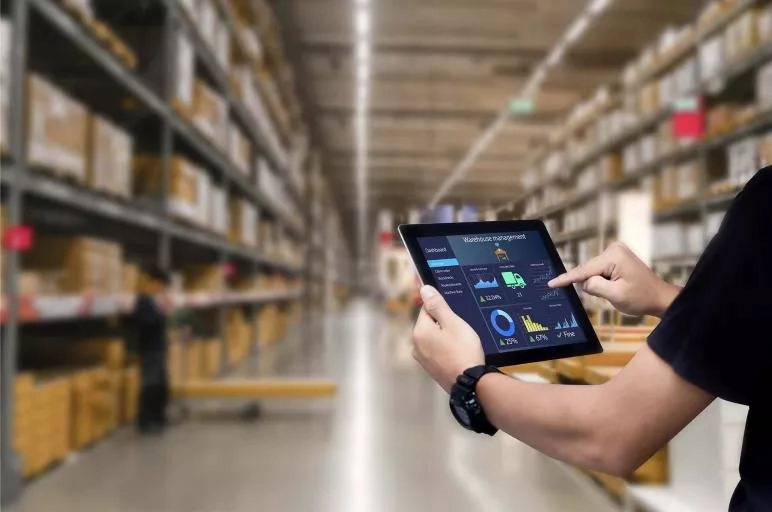
A warehouse management company helps businesses organize their warehouse. They use software, automation and consulting to make things run smoothly. These companies provide tools to manage inventory. They also help with workflows order accuracy and efficiency.
Their solutions include:
- Warehouse Management Systems
- Inventory tracking
- Labor management
- Order fulfillment
- Shipping integrations
- Supply chain visibility
The main goal of a warehouse management company is to move products through the warehouse. This means getting products from receiving to storage then to picking, packing and shipping. By making warehouses work better these companies help businesses save money. They also help businesses get work done and make customers happier.
The warehouse management company ensures products move efficiently through every stage.
They help businesses reduce costs and increase productivity.
They deliver a customer experience.
20 Best Warehouse Management Companies
1. Manhattan Associates
Manhattan Associates is a known company that makes really good warehouse management systems. They have a system that is on the cloud and it helps people who own businesses to keep track of the things they have in stock, get more work done by the people who work for them, fill orders correctly and make their warehouses run better. Manhattan Associates solutions are used by stores, people who make things and companies that move things from one place to another because these companies need to be very good at getting things done quickly and handling a lot of work. Manhattan Associates is used by these companies because they need to be very efficient and be able to handle a lot of things at the time. Manhattan Associates helps them do that.
Key Features
- Advanced inventory management
- Warehouse automation support
- Real-time visibility
- Labor optimization tools
2. Blue Yonder

Blue Yonder is known for combining artificial intelligence and machine learning with warehouse management technology. Its platform helps organizations improve inventory planning, demand forecasting, warehouse operations, and supply chain performance. Businesses benefit from greater operational visibility and data-driven decision-making that improves efficiency across the entire supply chain.
Key Features
- AI-driven analytics
- Inventory optimization
- Workforce management
- End-to-end supply chain visibility
3. SAP
SAP offers enterprise-grade warehouse management capabilities through its extensive supply chain management ecosystem. Its solutions are particularly popular among large organizations that require seamless integration between warehouse operations, procurement, manufacturing, and logistics. SAP’s advanced features help businesses maintain accurate inventory records and improve warehouse productivity.
Key Features
- Enterprise-grade WMS
- Integrated supply chain management
- Real-time inventory tracking
- Automation support
4. Oracle
Oracle Warehouse Management Cloud provides businesses with a modern, scalable solution for managing warehouse operations. The platform delivers real-time inventory visibility, mobile warehouse functionality, and advanced analytics that help organizations improve inventory accuracy and accelerate order fulfillment processes.
Key Features
- Cloud-based deployment
- Mobile warehouse operations
- Inventory visibility
- Advanced reporting
5. Infor
Infor offers flexible and scalable warehouse management solutions designed for businesses of all sizes. The platform helps organizations improve inventory accuracy, optimize labor utilization, and automate critical warehouse processes. Infor’s solutions are particularly valuable for companies looking to support growth while maintaining operational efficiency.
Key Features
- Inventory optimization
- Labor management
- Automation integration
- Analytics dashboards
6. Körber Supply Chain
Körber Supply Chain provides advanced warehouse management solutions focused on adaptability and long-term scalability. Its software supports complex warehouse environments and integrates with automated systems, making it suitable for businesses seeking greater operational flexibility and improved warehouse performance.
Key Features
- End-to-end warehouse management
- Automation compatibility
- Inventory control
- Custom workflows
7. Tecsys
Tecsys is a company that helps with managing warehouses and getting things from one place to another. They do this for places like hospitals and stores and other companies that sell things. The technology that Tecsys uses helps these businesses keep track of what they have, in stock, make sure they are sending the things to the right people and see what is going on with their supplies. Tecsys warehouse and distribution management solutions also help these companies deal with problems that’re specific to their industry like Tecsys does for the healthcare industry and Tecsys does for the retail industry and Tecsys does for the wholesale distribution industry
Key Features
- Advanced inventory tracking
- Order management
- Supply chain visibility
- Industry-specific solutions
8. HighJump
HighJump has built a strong reputation for helping businesses improve warehouse productivity through flexible and configurable warehouse management software. Its solutions allow organizations to customize workflows according to their operational requirements while maintaining real-time visibility into warehouse activities.
Key Features
- Flexible workflows
- Real-time inventory updates
- Labor tracking
- Cloud deployment options
9. Fishbowl
Fishbowl is a tool, for managing warehouses. It helps small and medium-sized businesses control their inventory and manage their warehouses without breaking the bank.
It has a simple and easy to use platform. This platform combines inventory management with manufacturing and order fulfillment.
The main goal of Fishbowl is to make inventory control and warehouse management easy and affordable.
It offers tools to help businesses track and manage their inventory.
Fishbowl also helps with manufacturing and order fulfillment processes.
It is designed to be user-friendly.
This makes it easy for businesses to get started with managing their warehouses.
Key Features
- Inventory control
- Order tracking
- Manufacturing integration
- User-friendly interface
10. NetSuite
NetSuite combines enterprise resource planning (ERP) capabilities with warehouse management functionality in a unified cloud platform. Businesses can manage inventory, orders, financials, and warehouse operations from a single system, helping improve efficiency and visibility across departments.
Key Features
- Inventory visibility
- Warehouse automation support
- Order management
- Cloud accessibility
11. Logiwa
Logiwa is designed specifically for eCommerce businesses and third-party logistics providers. Its cloud-based platform helps companies manage high-volume order fulfillment, automate warehouse tasks, and maintain accurate inventory across multiple sales channels.
Key Features
- Multi-channel fulfillment
- Real-time inventory tracking
- Order automation
- Shipping integrations
12. 3PL Central
3PL Central is a system that helps companies who handle shipping and storage for people. These companies are called third-party logistics providers. They need to keep track of what’s in the warehouse and who it belongs to. 3PL Central gives them the tools they need to do this.
They can use 3PL Central to keep track of inventory and automatically send bills to clients. The system also gives them reports. Shows them what is going on in the warehouse. This makes it easier for logistics companies to work with a lot of customers. 3PL Central is really good at helping third-party logistics providers manage their warehouse operations and client inventory.
Key Features
- Client inventory management
- Billing automation
- Reporting tools
- Warehouse visibility
13. Cin7
Cin7 is a cloud-based inventory and warehouse management platform designed for businesses operating across multiple sales channels. It synchronizes inventory data in real time, helping organizations prevent overselling, improve inventory accuracy, and streamline warehouse operations.
Key Features
- Inventory synchronization
- Warehouse tracking
- Sales channel integration
- Automated workflows
14. Deposco
Deposco provides cloud-based warehouse and fulfillment solutions that help businesses improve operational efficiency and customer satisfaction. Its platform enables companies to optimize inventory management, order processing, and fulfillment workflows while gaining actionable business insights.
Key Features
- Inventory management
- Fulfillment optimization
- Analytics and reporting
- Order orchestration
15. Softeon
Softeon delivers highly flexible warehouse management solutions for organizations with complex supply chain requirements. The platform helps businesses optimize warehouse operations, improve labor productivity, and support warehouse automation initiatives.
Key Features
- Warehouse optimization
- Labor management
- Inventory visibility
- Automation support
16. Generix Group
The Generix Group provides companies with ways to manage their warehouses and supply chains. This helps businesses work better and get more done. The Generix Group technology helps with things like keeping track of inventory, managing transportation and running warehouses. It does this for different types of industries. The Generix Group solutions are used to make inventory control and transportation management easier for businesses. The Generix Group warehouse management is very helpful for companies.
Key Features
- Warehouse execution
- Inventory tracking
- Transportation integration
- Supply chain optimization
17. Reply
Reply provides digital warehouse management solutions that help organizations improve inventory control, warehouse productivity, and operational visibility. Its scalable platform is suitable for businesses seeking long-term growth and digital transformation.
Key Features
- Cloud deployment
- Automation integration
- Inventory management
- Performance monitoring
18. Mecalux
Mecalux combines warehouse management software with advanced automation technologies to create highly efficient warehouse environments. Its solutions support automated storage systems, inventory management, and warehouse optimization initiatives.
Key Features
- Automated storage systems
- Inventory control
- Warehouse optimization
- Real-time monitoring
19. SSI SCHAEFER

SSI SCHAEFER is a global leader in warehouse logistics and automation solutions. The company provides innovative technologies that help businesses improve inventory management, optimize picking processes, and increase overall warehouse efficiency.
Key Features
- Warehouse automation
- Inventory management
- Picking optimization
- Supply chain solutions
20. Dematic
Dematic specializes in intelligent warehouse automation and supply chain optimization technologies. Its solutions incorporate robotics, automated fulfillment systems, and warehouse control software to help businesses increase efficiency, reduce errors, and scale operations effectively.
Key Features
- Robotics integration
- Automated fulfillment
- Warehouse control systems
- Inventory visibility
These warehouse management companies represent some of the most trusted names in the industry, offering solutions that help businesses improve inventory accuracy and cloud based accounting, streamline operations, reduce costs, and meet growing customer expectations in an increasingly competitive marketplace.
How to Choose the Right Warehouse Management Company
Every business has unique requirements. Before selecting a warehouse management provider, consider:
1. Business Size
Small businesses may need affordable and simple solutions, while enterprises often require advanced automation and analytics.
2. Industry Requirements
Some providers specialize in healthcare, manufacturing, retail, or eCommerce.
3. Scalability
Choose a solution that can grow alongside your business.
4. Integration Capabilities
Ensure the platform integrates with your ERP, CRM, eCommerce platforms, and shipping providers.
5. Budget
Consider both upfront implementation costs and ongoing subscription fees.
6. Customer Support
Reliable technical support is essential for minimizing downtime.
Benefits of Working with a Warehouse Management Company
Partnering with a reliable warehouse management company can help businesses streamline operations, reduce costs, and improve customer service. As supply chains become more complex and customer expectations continue to grow, having the right warehouse management partner can make a significant difference in overall business performance.
Improved Inventory Accuracy
Warehouse management companies use advanced tracking technologies such as barcode scanning, RFID systems, and real-time inventory monitoring to ensure accurate stock records. This reduces inventory discrepancies, prevents stockouts and overstocking, and helps businesses make better purchasing and planning decisions.
Faster Order Fulfillment
Efficient warehouse processes enable products to move quickly from receiving to storage, picking, packing, and shipping. Optimized workflows and automated systems help reduce processing times, allowing businesses to fulfill customer orders faster and meet delivery expectations more consistently.
Reduced Labor Costs

Modern warehouse management solutions automate many repetitive tasks and improve workforce productivity. By optimizing employee schedules, reducing manual data entry, and streamlining warehouse operations, businesses can lower labor expenses while maintaining high levels of efficiency.
Better Warehouse Space Utilization
A warehouse management company can help businesses maximize available storage space through strategic inventory placement and efficient warehouse layouts. Better space utilization reduces congestion, improves accessibility, and allows companies to store more products without expanding their facilities.
Increased Customer Satisfaction
Customers expect accurate orders and fast deliveries. Effective warehouse management reduces shipping mistakes, improves order accuracy, and ensures products are delivered on time. This leads to a better customer experience, stronger customer loyalty, and more positive reviews.
Enhanced Supply Chain Visibility
Warehouse management providers give businesses tools to see what is going on. These tools show the inventory levels and the status of orders. They also show how the warehouse is doing. This helps managers make decisions. They can see what is happening. Fix problems with the supply chain quickly. Warehouse management is important because it helps managers know what is going on with the inventory levels and the warehouse performance. Warehouse management providers offer real-time dashboards and reporting tools to help with this.
Support for Business Growth
As businesses get bigger, managing warehouses gets more complicated. A good warehouse management system can handle stock, more orders and extra warehouses without slowing down. This helps companies grow without losing control of their operations. They can add locations and still keep things running smoothly.
Reduced Shipping Errors
Order mistakes can lead to returns, refunds, and dissatisfied customers. Warehouse management systems improve accuracy through automated verification processes, barcode scanning, and quality control checks. As a result, businesses experience fewer shipping errors and lower return-related costs.
Stronger Competitive Advantage
In today’s fast-paced market, efficient warehouse operations can be a key differentiator. Businesses that can deliver products quickly, accurately, and cost-effectively are better positioned to compete and retain customers. Working with a warehouse management company helps organizations build a more agile and responsive supply chain, creating a lasting competitive advantage.
By investing in the right warehouse management partner, businesses can improve operational efficiency, reduce costs, and create a seamless experience for customers while preparing for future growth.
Conclusion
The best warehouse management companies use technology and automation to help businesses run their warehouses in a way. They have people who really know what they are doing.
If you need a warehouse management system that you can access from anywhere or if you want to automate your warehouse or if you want a solution for your supply chain the companies listed above are good options for any size business.
The best company for you depends on what kind of business you’re in, how complicated your operations are, what your plans are, for growing and how much money you have to spend.
If you choose the warehouse management company to work with your business can do things more efficiently, save money and make your customers happier.
Frequently Asked Questions (FAQs)
1. What is a warehouse management company?
A warehouse management company provides software, services, or technology that helps businesses manage inventory, storage, order fulfillment, and warehouse operations more efficiently.
2. What does a Warehouse Management System (WMS) do?
A WMS tracks inventory, manages warehouse workflows, optimizes storage space, and improves order accuracy and fulfillment speed.
3. Which warehouse management company is best for small businesses?
Fishbowl, Cin7, and Logiwa are often considered suitable options for small and growing businesses due to their ease of use and scalability.
4. How much does warehouse management software cost?
Costs vary depending on features, number of users, warehouse size, and deployment type. Pricing can range from a few hundred dollars per month to enterprise-level investments.
5. Can warehouse management software integrate with eCommerce platforms?
Yes. Most modern warehouse management solutions integrate with platforms like Shopify, Amazon, WooCommerce, and other online marketplaces.
6. What industries use warehouse management solutions?
Retail, eCommerce, manufacturing, healthcare, wholesale distribution, food and beverage, and logistics companies commonly use warehouse management systems.
7. How does warehouse management improve inventory accuracy?
By using barcode scanning, real-time inventory updates, automated tracking, and reporting tools, warehouse management systems significantly reduce human errors.
8. What should businesses look for when choosing a warehouse management company?
Businesses should evaluate scalability, integration options, automation capabilities, pricing, customer support, and industry-specific expertise before making a decision.
9. Is cloud-based warehouse management software better than on-premise software?
Cloud-based solutions typically offer easier updates, lower infrastructure costs, and greater accessibility, while on-premise systems provide more control over data and customization.
10. Can warehouse management systems support automation?
Yes. Many modern WMS platforms integrate with robotics, automated storage systems, conveyors, and AI-powered technologies to improve efficiency.
