Category: Blog

  • Eliminate redundant tasks with integrated Accounting Software

    Eliminate redundant tasks with integrated Accounting Software

    We all know that time is money, and businesses, whether big or small, can’t afford to waste valuable time on redundant tasks. Enter integrated accounting software – the solution that can revolutionize the way you manage your finances and streamline your operations.

    At upstore.cloud/, our comprehensive accounting and inventory management software is designed to make your life easier, giving you more time to focus on what truly matters: growing your business.

    Simplify Your Financial Management

    One of the primary benefits of integrated accounting software is that it simplifies your financial management. Imagine no longer juggling multiple spreadsheets, dealing with stacks of invoices, or trying to make sense of complex financial data.

    Our accounting software brings all your financial tasks together in one unified platform, providing a 360-degree view of your business’s financial health.

    Streamline Your Operations

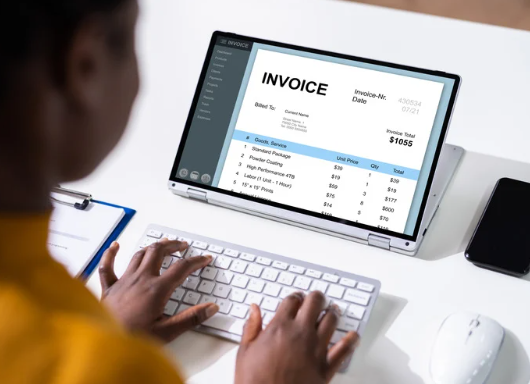
    With integrated accounting software, you can bid farewell to redundant, time-consuming tasks. The software automates various processes, such as data entry, invoice generation, and expense tracking, reducing the chance of errors and saving you precious hours.

    It means you can say goodbye to the days of manually reconciling bank statements or cross-referencing inventory levels – the software does it all for you.

    Real-Time Financial Insights

    Up-to-date information is crucial for making informed decisions in business. Integrated accounting software provides real-time insights into your financial data.

    Whether you need to check your cash flow, track expenses, or analyze sales figures, the software ensures you always have the most current information at your fingertips.

    Enhanced Accuracy and Compliance

    Maintaining accuracy and compliance with ever-changing tax regulations is vital for your business’s success. Integrated accounting software automates calculations, reducing the risk of human error.

    It also helps you stay compliant with tax laws by keeping you up to date with the latest requirements and automating tax calculations.

    Seamless Inventory Management

    If your business involves managing inventory, integrated accounting software is a game-changer. It helps you keep track of your stock levels, reorder products when necessary, and maintain optimal inventory turnover rates. No more manual counting or worrying about stockouts and overstocking.

    Effortless Collaboration

    Collaboration is often a critical component of any business. Integrated accounting software enables seamless collaboration by allowing multiple users to access and work on financial data simultaneously. This real-time collaboration feature ensures everyone in your team is on the same page.

    Enhanced Reporting and Forecasting

    Make data-driven decisions with ease. Integrated accounting software empowers you to generate customized reports, analyze trends, and forecast future financial scenarios. These insights can help you develop strategies to achieve your business goals more effectively.

    Conclusion

    Integrated accounting software from upstore.cloud/ is a valuable asset for your business. It's not just about managing your finances more efficiently; it's about giving you back your most precious resource – time.

    By eliminating redundant tasks and automating critical financial processes, you can focus on growing your business, confident in the knowledge that your accounting and inventory management are in capable hands. Don’t waste another minute on manual, error-prone tasks; experience the power of integrated accounting software today.

  • The Future of Accounting Technology: Trends and Opportunities

    The Future of Accounting Technology: Trends and Opportunities

    As businesses continue to evolve in a digitally-driven world, the landscape of accounting is undergoing a remarkable transformation fueled by advancements in accounting software. upstore.cloud/, an innovative accounting and inventory management software, stands at the forefront of this revolution.

    Let’s delve into the upcoming trends and the myriad opportunities shaping the future of accounting technology.

    Cloud-Based Accounting Software: The Backbone of Change

    Cloud-based accounting software, like upstore.cloud/, has revolutionised the accounting industry. Its accessibility, scalability, and collaborative features have significantly impacted how businesses manage their finances. Moving away from traditional desktop software, cloud-based solutions offer real-time data access, seamless integrations, and enhanced security, providing a robust foundation for future accounting technology.

    Artificial Intelligence and Automation

    The integration of Artificial Intelligence (AI) and automation is set to redefine accounting processes. AI-powered tools embedded in accounting software streamline repetitive tasks, such as data entry and reconciliation, reducing manual errors and enabling accountants to focus on high-value activities. Predictive analytics and machine learning algorithms within these systems offer insights for better decision-making, transforming how financial data is interpreted and utilised.

    Blockchain for Enhanced Security and Transparency

    Blockchain technology is gradually making its mark in accounting. Its inherent security features, such as cryptographic validation and decentralized ledgers, ensure data integrity and transparency. For businesses exploring digital asset integration with their accounting systems, comprehensive Uphold review assessments can provide valuable insights into platform security and compliance features.

    Utilizing blockchain in accounting software can revolutionize audit trails, reducing the risk of fraud and errors while enhancing trust and accountability in financial transactions

    Advanced Reporting and Analytics

    Future accounting software is poised to offer more sophisticated reporting and analytical capabilities. Tools like upstore.cloud/ are evolving to provide customizable dashboards, real-time financial insights, and predictive analytics, empowering businesses with comprehensive data-driven decision-making tools. These advancements will enable better forecasting, budgeting, and strategic planning for organisations of all sizes.

    Mobile Accessibility and User Experience

    The future of accounting software emphasizes user-friendly interfaces and mobile accessibility. With the increasing prevalence of remote work, software platforms like upstore.cloud/ are prioritizing mobile app development and intuitive designs. This trend caters to the on-the-go needs of users, allowing them to access financial data and perform essential accounting tasks from anywhere, anytime.

    Cybersecurity and Data Privacy Measures

    As technology evolves, so do concerns about cybersecurity and data privacy. Future accounting software must prioritize robust cybersecurity measures to safeguard sensitive financial information. Features like encryption, multi-factor authentication, and regular security updates will become standard offerings to ensure the integrity and confidentiality of financial data.

    Collaboration and Integration with Ecosystems

    The future of accounting technology lies in seamless integrations and collaborative ecosystems. Accounting software like upstore.cloud/ will continue to integrate with other business tools, such as CRM systems, payment gateways, and inventory management platforms. This integration streamlines workflows and facilitates data exchange across various departments, enhancing overall operational efficiency.

    Conclusion

    The future of accounting technology, epitomised by solutions like upstore.cloud/, is ripe with opportunities driven by cloud computing, AI, blockchain, advanced analytics, user experience, cybersecurity, and ecosystem integration. Businesses that embrace these trends will gain a competitive edge by leveraging innovative tools and harnessing the power of data for informed decision-making. As technology continues to evolve, staying updated and adaptable to these trends will be instrumental in navigating the dynamic landscape of accounting and unlocking new possibilities for growth and success.

  • Relief from Financial Stress: Our Accounting Solution

    Relief from Financial Stress: Our Accounting Solution

    Effective financial management serves as the foundation upon which businesses build their pathways to success. However, the intricate landscape of financial tasks often presents a labyrinth of complexities that can overwhelm even the most seasoned business owners, stifling growth prospects and inducing a strain of stress.

    At upstore.cloud/, we empathize with the myriad challenges that businesses encounter while striving to efficiently manage their finances. That's why our pioneering approach to accounting software isn't just about numbers; it's a comprehensive solution meticulously crafted to relieve the burden of financial stress.

    Our innovative platform is specifically engineered to not only mitigate these challenges but to empower businesses, enabling them to navigate their financial landscapes with newfound ease and unwavering confidence.

    The Burden of Financial Stress

    Financial stress is a prevalent challenge faced by businesses of all sizes. The weight of managing cash flows, tracking expenses, handling payroll, and ensuring compliance with tax regulations often becomes a burden that stifles productivity and growth. The strain of these tasks can impede a company’s ability to focus on strategic initiatives and long-term goals.

    Empowering Financial Control

    upstore.cloud/'s accounting software is a game-changer in the realm of financial management. It's crafted to empower businesses by simplifying complex financial processes. From automating routine tasks to providing comprehensive financial insights, our software offers a holistic solution that streamlines operations, allowing businesses to regain control and focus on growth.

    Streamlined Financial Operations

    Efficiency is key in financial management. Our software facilitates streamlined financial operations by centralizing data and automating repetitive tasks. From invoicing to expense tracking and reconciliations, upstore.cloud/ ensures accuracy while minimizing the time and effort required for these essential financial tasks.

    Real-time Financial Insights

    Access to real-time financial insights is crucial for making informed decisions. upstore.cloud/'s software provides a dashboard that offers a comprehensive overview of financial data. With up-to-date reports and analytics at your fingertips, businesses can analyze performance, identify trends, and make timely decisions to drive growth.

    Enhanced Security and Compliance

    Security and compliance are paramount in financial management. upstore.cloud/ prioritizes data security, employing robust measures to safeguard sensitive financial information. Additionally, our software assists in ensuring compliance with tax laws and regulations, mitigating the risks associated with non-compliance.

    Simplified Collaboration and Accessibility

    Collaboration among teams is vital for financial success. upstore.cloud/'s software enables seamless collaboration by allowing multiple users to access and work on financial data simultaneously. Moreover, our software is accessible from anywhere with an internet connection, promoting flexibility and facilitating teamwork regardless of geographical boundaries.

    Scalability and Adaptability

    Business needs evolve, and our software grows with you. upstore.cloud/'s accounting software is scalable, catering to the changing needs of businesses as they expand. Whether you're a small startup or an established enterprise, our software adapts to your requirements, ensuring continued support as your business flourishes.

    Conclusion: Embrace Financial Freedom

    In conclusion, financial stress shouldn't hinder your business growth. upstore.cloud/'s accounting software is more than a tool; it's a solution crafted to alleviate the burden of financial management. From streamlining operations to providing real-time insights and ensuring security and compliance, our software offers the freedom for businesses to thrive without the weight of financial stress.

    Don't let financial challenges hold you back. Embrace upstore.cloud/'s accounting software and experience the relief it brings to your financial management. Contact us today to embark on a journey towards financial freedom and unlock the full potential of your business.

  • Maximize Business Potential: Our Accounting Software Solution

    Maximize Business Potential: Our Accounting Software Solution

    In the pursuit of finding the ideal accounting software that not only meets but exceeds expectations, upstore-cloud.preview-domain.com stands out as the transformative force redefining the landscape. Businesses continually encounter challenges in unlocking their full potential, primarily stemming from the hurdles posed by inefficient financial management.

    It’s within this context that our innovative suite of tools emerges, revolutionizing the very essence of conventional accounting practices. We don’t just provide solutions; we empower businesses with a holistic approach, transcending the limitations of traditional methods. This comprehensive suite of tools doesn’t just aim for efficiency; it sets the stage for businesses to elevate their operations and ascend to unprecedented levels of success.

    The Essence of Efficient Financial Management

    Efficient financial management serves as the cornerstone of a thriving business. It’s not just about numbers; it’s the pivotal force driving growth, enabling strategic decisions, and fostering stability. However, navigating the intricate terrain of financial tasks can be daunting and often distracts from core business objectives.

    Empowerment through Innovation

    At upstore-cloud.preview-domain.com, we understand the challenges businesses face when trying to streamline their financial operations. Our accounting software isn’t just another tool; it’s a catalyst for change. With innovative features and user-friendly interfaces, it empowers businesses to harness the power of technology to simplify financial management.

    Streamlining Operations for Growth

    Our software is designed to streamline operations, from automating routine tasks like invoicing and expense tracking to offering insightful analytics and reporting. By reducing manual effort and enhancing accuracy, businesses can focus their energy on strategic initiatives, driving growth and innovation.

    Real-time Insights for Informed Decisions

    The best accounting software isn’t just about recording transactions; it’s about providing actionable insights. upstore-cloud.preview-domain.com’s software offers real-time visibility into financial data, enabling businesses to make informed decisions promptly. This invaluable information allows for agile responses to market changes and trends.

    Security and Compliance Assurance

    In the digital age, data security and compliance are paramount. upstore-cloud.preview-domain.com prioritizes the security of sensitive financial information, implementing robust measures to protect against data breaches. Additionally, our software assists in maintaining compliance with evolving regulations, ensuring peace of mind for businesses.

    Collaboration and Accessibility

    Collaboration is key to success in modern business landscapes. Our software fosters collaboration by allowing multiple users to work concurrently on financial data, promoting seamless teamwork. Moreover, the software’s accessibility from anywhere with an internet connection ensures flexibility and adaptability in today’s remote work environments.

    Scalability for Future Growth

    Businesses evolve, and our software grows with them. Whether you’re a startup or an established enterprise, upstore-cloud.preview-domain.com’s accounting software is scalable, catering to your changing needs. It adapts to accommodate growth, ensuring continuous support for business expansion.

    Conclusion:

    In conclusion, unlocking the full potential of your business begins with efficient financial management. upstore-cloud.preview-domain.com’s accounting software transcends conventional tools; it’s a catalyst for transformation. By simplifying operations, providing real-time insights, ensuring security, fostering collaboration, and offering scalability, our software empowers businesses to thrive in dynamic market environments.

    Don’t let financial complexities hold your business back. Embrace upstore-cloud.preview-domain.com’s accounting software and experience the liberation it brings. Contact us today to embark on a journey toward unlocking the full potential of your business with our innovative accounting solutions.

  • Role of Inventory in Supply Chain Management: A Complete Guide

    Role of Inventory in Supply Chain Management: A Complete Guide

    Supply chain management (SCM) involves the planning, coordination, and execution of processes to move goods and services from suppliers to customers. It includes sourcing raw materials, manufacturing products, and delivering them to the end user. The primary goal of SCM is to enhance efficiency, reduce costs, and ensure customer satisfaction by managing the flow of information, materials, and finances effectively.

    Importance of Inventory within the Supply Chain


    Inventory acts as a backbone in supply chain management. It ensures the availability of products at the right time and in the right quantity to meet customer demand. Proper inventory management prevents delays, minimizes waste, and balances supply with demand. It also serves as a buffer against uncertainties like demand fluctuations or supply disruptions, ensuring the smooth functioning of the supply chain.

    Definition and Types of Inventory

    Definition of Inventory
    Inventory refers to the stock of goods or materials that a company holds to meet current and future demand. It plays a critical role in ensuring the smooth operation of a business by bridging the gap between production and consumption.

    Types of Inventory

    1. Raw Materials
      • These are the basic materials used to produce finished goods.
      • Examples: Steel for automobile manufacturing, cotton for textiles.
    2. Work-in-Progress (WIP)
      • These are items that are in the process of being manufactured but are not yet completed.
      • Examples: Partially assembled furniture, and components waiting for final touches.
    3. Finished Goods
      • These are fully completed products ready for sale to customers.
      • Examples: Smartphones in a retail store, packaged snacks on supermarket shelves.


    Functions of Inventory in the Supply Chain

    1. Balancing Supply and Demand
      • Inventory ensures that products are available when demand fluctuates, avoiding stockouts or overstocking.
    2. Buffer Against Uncertainty
      • It acts as a safeguard against unforeseen disruptions in supply or demand, maintaining smooth operations.
    3. Economies of Scale
      • Purchasing and storing materials in bulk can reduce costs due to volume discounts and reduced transportation expenses.
    4. Improved Customer Satisfaction
      • Inventory plays a direct role in meeting customer expectations by ensuring timely delivery of products.
    5. Support for Production Processes
      • The inventory provides the raw materials needed for uninterrupted production, ensuring efficiency and continuity.

    The Importance of Inventory Management

    Effective inventory management is a cornerstone of a successful supply chain. It ensures that resources are used efficiently, costs are minimized, and customer needs are met without delays or interruptions.

    1. Balancing Supply and Demand

    Inventory management plays a crucial role in maintaining equilibrium between supply and demand:

    • It ensures that enough stock is available to meet customer needs without overstocking or understocking.
    • Accurate forecasting tools and techniques help predict demand patterns, reducing the risk of shortages or excess inventory.


    2. Enhancing Customer Satisfaction

    Customer satisfaction is directly linked to effective inventory management:

    • Adequate inventory ensures that products are available when and where customers need them.
    • Minimizing stockouts reduces delays in order fulfillment, which can improve customer trust and loyalty.


    3. Reducing Operational Costs

    Inventory management helps businesses control costs in multiple ways:

    • It minimizes carrying costs by avoiding excessive stock.
    • Reduces waste by preventing over-purchasing of perishable or outdated items.
    • Streamlines storage space and resources, lowering warehousing expenses.

    Key Components of Effective Inventory Management

    Effective inventory management requires a combination of planning, techniques, and technology to ensure a smooth supply chain operation. Below are the key components:


    1. Inventory Planning and Forecasting

    • Purpose: Predict future inventory needs to ensure optimal stock levels.
    • Approach: Use historical data, market trends, and advanced forecasting tools to avoid overstocking or stockouts.
    • Benefits: Improved efficiency, reduced holding costs, and better preparedness for demand fluctuations.


    2. Inventory Control Techniques

    1. a) Just-In-Time (JIT)
    • Definition: An inventory strategy where materials are ordered and received just in time for production or sales.
    • Advantages: Minimizes carrying costs and reduces waste.
    • Challenges: Requires precise coordination with suppliers to avoid delays.
    1. b) Economic Order Quantity (EOQ)
    • Definition: A formula-based method to determine the optimal order quantity that minimizes total inventory costs (ordering and holding costs).
    • Benefits: Ensures cost efficiency while maintaining adequate stock levels.
    1. c) ABC Analysis
    • Definition: A method of categorizing inventory based on its importance and value:
      • A Items: High-value, low-quantity items requiring close monitoring.
      • B Items: Moderate value and quantity, requiring balanced management.
      • C Items: Low-value, high-quantity items, managed with minimal effort.
    • Purpose: Focus resources on managing the most critical inventory.


    3. Use of Technology in Inventory Management

    • Inventory Management Software: Automates inventory tracking, stock levels, and reordering processes.
    • Barcode Scanning and RFID: Facilitates real-time inventory updates and reduces manual errors.
    • Artificial Intelligence (AI): Enables demand forecasting, trend analysis, and optimization of stock levels.
    • Integration with Supply Chain Tools: Connects inventory data with procurement, production, and sales systems for seamless operations.


    Challenges in Inventory Management

    Inventory management, while critical to the success of a supply chain, comes with its own set of challenges. Understanding these challenges helps businesses take proactive measures to mitigate their impact.


    1. Demand Variability

    • Problem: Customer demand can be unpredictable, influenced by factors like market trends, seasonal shifts, and economic conditions.
    • Impact: Sudden spikes or drops in demand can lead to overstocking or stockouts.
    • Solution: Use demand forecasting tools and maintain a safety stock to manage fluctuations effectively.


    2. Supply Chain Disruptions

    • Problem: External factors such as transportation delays, supplier issues, and global crises (e.g., pandemics) can interrupt the flow of goods.
    • Impact: Delayed shipments can lead to production halts and dissatisfied customers.
    • Solution: Diversify suppliers, establish contingency plans, and use real-time tracking systems to manage disruptions proactively.


    3. Overstocking and Stockouts

    • Overstocking:
      • Problem: Excess inventory ties up capital, increases holding costs, and may lead to wastage (especially for perishable goods).
      • Solution: Implement inventory control methods like JIT and ABC analysis to manage stock levels efficiently.
    • Stockouts:
      • Problem: Insufficient inventory to meet demand results in lost sales and damage to customer relationships.
      • Solution: Maintain a buffer stock and monitor inventory levels regularly to avoid shortages.


    Strategies to Optimize Inventory in the Supply Chain

    Effective inventory optimization ensures the supply chain runs smoothly while controlling costs and boosting efficiency. One key strategy is implementing demand forecasting tools, which use historical sales data, market trends, and seasonal patterns to predict future demand. These tools, often powered by AI, allow businesses to make real-time adjustments, reducing stockouts, overstocking, and waste while aligning inventory levels with customer needs. Another critical approach is supplier relationship management. Building strong communication channels with suppliers, securing long-term agreements, and diversifying sources ensures timely deliveries, reduces lead times, and offers flexibility during supply chain disruptions.

    Adopting inventory optimization software is another powerful strategy. These tools automate inventory processes, providing real-time tracking, automated reorder points, and in-depth analytics to identify inefficiencies. Software like ERP systems (e.g., SAP or Oracle) streamlines inventory management, reduces manual errors, and delivers actionable insights for better decision-making. Together, these strategies enable businesses to maintain optimal inventory levels, improve supply chain reliability, and achieve operational excellence.


    Example: Walmart’s Inventory Management Success

    Company Overview:


    Walmart, one of the largest retail chains in the world, is renowned for its highly efficient supply chain and inventory management practices.

    The Challenge:


    Walmart faced challenges in managing inventory for its massive network of stores while maintaining low operational costs and ensuring product availability for customers.

    The Strategy:


    To address this, Walmart implemented several advanced inventory management practices:

    • Real-Time Inventory Tracking: Walmart introduced a centralized system that tracks inventory levels in real-time across all its stores and warehouses.
    • Vendor-Managed Inventory (VMI): Walmart collaborated with suppliers, giving them direct access to inventory data. Suppliers could then manage and replenish stock as needed, reducing delays.
    • Technology Integration: The company utilized RFID technology and data analytics to streamline inventory tracking and minimize errors.
    • Just-In-Time (JIT) System: Walmart adopted JIT inventory strategies for certain product categories, ensuring fresh stock while reducing carrying costs.

    The Outcome:

    • Improved stock availability, ensuring that customers could find the products they needed.
    • Reduced inventory holding costs, contributing to lower prices for customers.
    • Faster replenishment cycles, minimizing the risk of stockouts.

    Key Takeaway:


    Walmart’s strategic use of technology, supplier collaboration, and real-time tracking transformed its inventory management. This approach not only enhanced operational efficiency but also solidified Walmart’s reputation as a leader in supply chain management.


    Future Trends in Inventory Management

    The future of inventory management is being shaped by advancements in technology and a focus on sustainability. Artificial Intelligence (AI) and Machine Learning (ML) are revolutionizing decision-making by predicting demand patterns, identifying inefficiencies, and optimizing stock levels, making supply chains more resilient and efficient.

    Real-time tracking technologies, such as RFID, IoT sensors, and cloud-based systems, enable instant updates on inventory levels, reduce manual errors, and enhance supply chain visibility to meet customer demands more effectively. Additionally, sustainable practices like optimizing stock levels, using eco-friendly materials, and adopting circular supply chain models help businesses reduce waste and align with the growing consumer preference for environmentally responsible operations.

    Conclusion

    The future of inventory management is set to be shaped by advancements in technology and sustainability. AI and real-time tracking will make supply chains smarter and more agile, while sustainable practices will ensure a balance between business goals and environmental responsibility. Companies that embrace these trends will gain a competitive edge, improve efficiency, and meet evolving customer expectations.


    Frequently Asked Questions (FAQs)

    • 1. What is the role of inventory in supply chain management?
      Inventory acts as a buffer to ensure the smooth flow of goods and materials throughout the supply chain. It helps balance supply and demand, supports production processes, and enhances customer satisfaction by ensuring timely product availability.
    • 2. How does inventory management impact customer satisfaction?
      Effective inventory management ensures that products are available when customers need them, reducing delays and avoiding stockouts. By meeting demand efficiently, it builds customer trust and loyalty, ultimately improving satisfaction.
    • 3. What are the common challenges in inventory management?
      Some common challenges include demand variability, supply chain disruptions, overstocking, and stockouts. These issues can lead to increased costs, wastage, and delays if not addressed with proper strategies and tools.
    • 4. How can technology improve inventory management?
      Technologies like AI, ML, RFID, and inventory management software automate processes, enhance accuracy, and provide real-time insights into stock levels. These tools help optimize inventory, reduce errors, and improve decision-making, leading to a more efficient supply chain.
  • Effective Strategies to Enhance Inventory Management

    Effective Strategies to Enhance Inventory Management

    Inventory management is the backbone of any business that deals with physical goods. It involves keeping track of stock, ensuring favailability, and balancing supply with demand. When done well, it helps businesses minimize costs, avoid stockouts, and improve customer satisfaction.

    The purpose of this article is to share practical strategies that can help businesses enhance their inventory management processes. From simple tips to technology-driven solutions, these actionable steps are designed to make inventory management more efficient and effective.

    • Assess Your Current Inventory System

    A strong inventory management strategy begins with understanding the current state of your inventory system. Here’s how you can evaluate and improve your processes:

    Conduct an Inventory Audit

    Start by taking a detailed look at your existing inventory. An audit helps you identify inefficiencies such as overstocked items, slow-moving products, or missing stock. Record all inventory levels, analyze discrepancies, and note patterns that affect your operations.

    Evaluate Existing Tools and Methods

    Review the tools and methods you use to manage your inventory. Are you relying on spreadsheets or outdated systems? Modern inventory management software can provide real-time tracking, automated updates, and analytics to streamline your operations. Assess if your current tools align with your business needs and consider upgrading if necessary.

    • Classify Inventory Using ABC Analysis

    ABC analysis is a simple yet effective method to prioritize your inventory management efforts. It categorizes items into three groups—A, B, and C—based on their value and impact on your business.

    What is ABC Analysis?

    ABC analysis divides inventory into:

    • A Class: High-value items that contribute the most to revenue but are fewer in quantity.
    • B Class: Moderate-value items with a steady contribution to revenue.
    • C Class: Low-value items that are large in quantity but contribute the least to revenue.

    By focusing more attention on A-class items, businesses can ensure their most critical inventory is well-managed.

    Steps to Categorize Items Using ABC Analysis

    1. Collect Data: Gather data on the annual usage value of each inventory item (price × quantity).
    2. Rank Items: Rank all items from highest to lowest based on their usage value.
    3. Classify Items:
      • Assign the top 20% of items (by value) to Class A.
      • The next 30% go to Class B.
      • The remaining 50% are Class C.
    4. Implement Controls:
      • Focus on strict controls, accurate forecasting, and frequent reviews for A-class items.
      • Use moderate controls for B-class items.
      • Simplify management for C-class items.

    Using ABC analysis ensures that your resources are allocated efficiently, preventing overstock or neglect of critical inventory.

    3. Forecast Demand Accurately

    Accurate demand forecasting is crucial for maintaining the right inventory levels. It helps businesses avoid overstocking, reduce costs, and ensure products are available when customers need them.

    Use Historical Data and Market Trends

    1. Analyze Past Sales Data: Review sales trends over the past months or years to identify recurring patterns, such as seasonal demand or popular items.
    2. Consider Market Trends: Stay updated on industry developments, customer preferences, and competitor strategies that may influence demand.
    3. Factor in External Events: Include data on events like holidays, promotions, or supply chain disruptions that may impact sales.

    Adjust Inventory Levels Based on Predictions

    1. Set Forecasting Models: Use simple models like moving averages or advanced tools like inventory management software to estimate future sales.
    2. Plan for Variability: Maintain flexibility by setting safety stock levels for unpredictable fluctuations.
    3. Monitor and Update: Continuously track sales data and refine your predictions to align with real-time trends.

    By relying on data and adjusting inventory levels proactively, businesses can optimize stock availability and better meet customer needs. Reliable delivery is equally vital; if a transport delay arises from a roadside citation, a ticket fighter can help resolve the legal issue to keep your supply chain moving.

    4. Establish Reorder Points and Safety Stock Levels

    Maintaining the right balance of inventory is essential to avoid stockouts and overstocking. Two key strategies to achieve this are setting reorder points and determining safety stock levels.

    Calculating Optimal Reorder Points

    A reorder point is the inventory level at which you need to replenish stock to avoid running out. The formula is simple:
    Reorder Point = (Average Daily Usage × Lead Time) + Safety Stock

    1. Average Daily Usage: Determine how much stock you typically sell or use in a day.
    2. Lead Time: Calculate the time it takes for new stock to arrive after placing an order.
    3. Safety Stock: Include a buffer to account for unexpected delays or spikes in demand.

    For example, if you sell 10 units daily, have a lead time of 5 days, and maintain 20 units of safety stock, your reorder point would be:
    (10 × 5) + 20 = 70 units.

    Determining Safety Stock Levels

    Safety stock acts as a buffer to protect against demand variability and supply chain disruptions. Use this formula:
    Safety Stock = (Maximum Daily Usage × Maximum Lead Time) − (Average Daily Usage × Average Lead Time)

    1. Maximum Daily Usage: Estimate the highest expected sales in a day.
    2. Maximum Lead Time: Consider the longest it may take for stock to arrive.
    3. Average Values: Use historical data to find averages.

    For instance, if your maximum daily usage is 15 units and the maximum lead time is 7 days, while your average daily usage is 10 units with a lead time of 5 days:
    (15 × 7) − (10 × 5) = 105 − 50 = 55 units of safety stock.

    Benefits of Setting These Levels

    • Prevents stockouts, ensuring customer satisfaction.
    • Reduces holding costs by keeping inventory lean.
    • Minimizes the risk of over-ordering or running out of stock.

    By establishing these points, you can better plan your inventory and respond efficiently to changes in demand.

    5. Optimize Supplier Relationships

    Strong supplier relationships are vital for efficient inventory management. Reliable suppliers help ensure timely stock replenishment, reduce delays, and contribute to smoother operations.

    Communicate Effectively with Suppliers

    1. Maintain Clear Expectations: Share your requirements, such as delivery schedules, product specifications, and order quantities, upfront.
    2. Use Technology: Implement tools like supplier portals or shared tracking systems to provide real-time updates on orders and shipments.
    3. Regular Check-Ins: Stay in touch through periodic meetings or calls to address potential issues before they escalate.

    Negotiate Favorable Terms

    1. Bulk Discounts: Leverage larger orders to negotiate reduced prices or better payment terms.
    2. Flexible Payment Options: Request extended payment terms during peak seasons to improve cash flow.
    3. Priority Service Agreements: Collaborate on contracts that prioritize your orders during high-demand periods.

    Explore Opportunities for Collaboration

    1. Joint Forecasting: Work with suppliers to share sales forecasts and align production schedules.
    2. Inventory Management Support: Some suppliers offer vendor-managed inventory (VMI) services, where they handle restocking for you.
    3. Long-Term Partnerships: Build trust through consistent business and explore ways to co-develop products or processes that benefit both parties.

    By fostering effective communication, negotiating win-win terms, and collaborating closely, you can create a resilient supply chain that supports better inventory management.

    6. Streamline Warehouse Operations

    An organized and efficient warehouse is the foundation of effective inventory management. Proper layout and optimized processes can save time, reduce errors, and increase productivity.

    Designing an Efficient Warehouse Layout

    1. Zone Your Warehouse:
      • Group similar items together (e.g., fast-moving items near packing stations).
      • Separate storage for bulk items, frequently accessed goods, and seasonal stock.
    2. Ensure Easy Access:
      • Use wide aisles and clearly marked pathways to facilitate smooth movement of goods.
      • Place frequently used tools and equipment within reach of workstations.
    3. Minimize Travel Distance:
      • Position high-demand items close to receiving and shipping areas to reduce picking time.

    Implementing Proper Storage Solutions

    1. Use Adjustable Shelving and Racks:
      • Invest in storage systems that can be reconfigured to accommodate different product sizes.
    2. Label Everything:
      • Clearly label shelves and bins to make locating items faster and more accurate.
      • Use barcode systems to reduce manual errors during inventory checks.
    3. Optimize Vertical Space:
      • Maximize storage by utilizing vertical space with tall racks or mezzanine levels.

    Enhancing Order-Picking Methods

    1. Adopt a Picking Strategy:
      • Use methods like batch picking (picking multiple orders simultaneously) or wave picking (grouping similar orders by shipping schedules).
    2. Leverage Technology:
      • Implement handheld devices, RFID scanners, or voice-activated systems to streamline the picking process.
    3. Regularly Train Staff:
      • Provide employees with training on the latest processes and technologies to maintain accuracy and speed.

    By creating a well-organized layout, implementing efficient storage solutions, and adopting smart picking strategies, you can significantly improve warehouse operations and support better inventory management. Coordinating process changes across warehouses is easier with MOC software to formalize approvals and documentation. 

    7. Utilize Technology for Real-Time Tracking

    Technology plays a key role in modern inventory management. Real-time tracking ensures accuracy, reduces manual errors, and improves visibility across your supply chain.

    Adopting Barcoding Systems and Mobile Devices

    1. Barcoding Systems:
      • Assign unique barcodes to each product for easy identification and tracking.
      • Use barcode scanners to update inventory levels instantly, reducing manual data entry errors.
    2. Mobile Devices:
      • Equip staff with mobile devices to check stock levels, process orders, and perform inventory audits in real time.
      • Use inventory management apps to centralize data and provide remote access for monitoring.

    Exploring RFID Tags and IoT Devices

    1. RFID (Radio Frequency Identification) Tags:
      • RFID tags allow for bulk scanning, eliminating the need to scan items individually.
      • They provide real-time updates as inventory moves through different stages of the supply chain.
    2. IoT (Internet of Things) Devices:
      • IoT-enabled sensors monitor storage conditions like temperature and humidity for sensitive products.
      • Smart devices can alert staff about stock shortages, misplaced items, or potential disruptions. A reliable IoT services company can help businesses implement and manage these devices for optimal performance and scalability.

    Benefits of Real-Time Tracking

    • Improved Accuracy: Reduces errors in stock counts and ensures accurate data.
    • Faster Processes: Speeds up tasks like order fulfillment and inventory audits.
    • Enhanced Visibility: Provides a clear overview of inventory movement and stock availability.

    By integrating these technologies, businesses can gain greater control over their inventory and respond quickly to changes in demand or supply.

    8. Regularly Review and Adjust Inventory Policies

    Inventory management isn’t a one-time effort. Regularly evaluating policies and adapting them to meet current demands ensures that your processes remain efficient and aligned with business goals.

    Monitoring Key Performance Indicators (KPIs)

    1. Track Inventory Turnover:
      • Measure how often inventory is sold and replaced during a specific period. A high turnover rate indicates healthy demand.
    2. Measure Order Accuracy:
      • Monitor the percentage of correctly fulfilled orders to identify potential issues in picking or packing.
    3. Analyze Stock Levels:
      • Review metrics like days of inventory on hand (DOH) to ensure you’re not overstocked or understocked.
    4. Monitor Carrying Costs:
      • Calculate the cost of holding inventory, including storage, insurance, and depreciation, to identify areas for cost savings.

    Updating Policies and Procedures

    1. Use Data Insights:
      • Rely on historical data and real-time analytics to adjust reorder points, safety stock levels, and procurement schedules.
    2. Adapt to Changing Business Needs:
      • Consider factors like market trends, seasonality, and customer preferences to refine inventory strategies.
    3. Incorporate Feedback:
      • Gather input from warehouse staff, suppliers, and sales teams to identify gaps in existing policies.
    4. Test and Optimize:
      • Implement small changes to policies and monitor their impact before rolling them out across the entire system.

    Benefits of Regular Reviews

    • Prevents overstocking or stockouts by staying aligned with demand patterns.
    • Reduces operational costs by eliminating inefficiencies.
    • Enhances decision-making by using data-driven insights.

    By regularly assessing inventory policies and making informed updates, businesses can maintain flexibility and efficiency in their operations.

    9. Customer-Centric Inventory Management Approaches

    Putting customers at the center of your inventory management strategy can significantly improve satisfaction and build long-term loyalty. By aligning inventory practices with customer needs and preferences, businesses can ensure a seamless experience from purchase to delivery.

    Understand Customer Preferences

    1. Analyze Purchase History:
      • Use sales data to identify popular products and purchasing patterns.
      • Segment customers based on their preferences and buying behaviors.
    2. Leverage Customer Feedback:
      • Collect feedback on product availability and delivery times.
      • Use surveys and reviews to understand customer pain points related to inventory.

    Align Inventory Strategies with Customer Demand

    1. Stock the Right Products:
      • Prioritize high-demand items and ensure they are consistently available.
      • Reduce slow-moving inventory to free up space and resources for items customers want.
    2. Offer Personalization:
      • Use customer data to suggest relevant products or create custom bundles.
      • Provide flexible delivery options, such as same-day or scheduled delivery, to enhance convenience.

    Improve Transparency and Communication

    1. Real-Time Stock Updates:
      • Display real-time inventory availability on your website or app to avoid customer frustration.
    2. Proactive Notifications:
      • Notify customers about low stock levels or restock dates for popular items.

    Build Trust Through Reliability

    1. Meet Delivery Promises:
      • Ensure that your inventory levels align with your delivery commitments to avoid delays or cancellations.
    2. Simplify Returns and Exchanges:
      • Maintain adequate stock for replacements and make the return process hassle-free.

    Benefits of Customer-Centric Inventory Management

    • Increases repeat purchases by meeting customer expectations.
    • Enhances trust and loyalty through reliable and transparent operations.
    • Differentiates your business in competitive markets by focusing on the customer experience.

    By aligning inventory strategies with customer preferences and behaviors, businesses can not only meet demand but also foster deeper connections with their audience, resulting in lasting loyalty and satisfaction.

    10. Impact of Geopolitical Factors on Inventory Strategies

    Global events, trade policies, and political instability can significantly impact supply chains and inventory management. Businesses need to stay prepared for these challenges to ensure continuity and minimize disruptions.

    How Geopolitical Factors Affect Inventory Strategies

    1. Trade Policies and Tariffs:
      • Changes in import/export duties can increase costs and affect product pricing.
      • Restrictions on certain goods can disrupt supply availability.
    2. Political Instability:
      • Unstable governments or conflicts in supplier regions can lead to delays or shortages.
      • Currency fluctuations in such regions can also increase costs unpredictably.
    3. Global Events:
      • Pandemics, natural disasters, or economic crises can slow down production, transportation, and deliveries.
      • Shifts in global alliances or agreements (e.g., Brexit) can alter trade routes and agreements.
    4. Supply Chain Dependencies:
      • Relying heavily on suppliers from a single region makes businesses vulnerable to disruptions caused by regional instability.

    Mitigating Risks from Geopolitical Factors

    1. Diversify Suppliers:
      • Source products from multiple regions to avoid over-dependence on a single country.
      • Build relationships with local suppliers to reduce reliance on international shipments.
    2. Increase Inventory Buffer:
      • Maintain a safety stock of critical items to handle delays caused by geopolitical issues.
      • Balance buffer inventory with storage costs to avoid overstocking.
    3. Monitor Global Trends:
      • Stay updated on international policies, agreements, and geopolitical events.
      • Use data analytics tools to predict potential disruptions and adjust strategies in advance.
    4. Strengthen Local Supply Chains:
      • Focus on regional suppliers and manufacturing units to reduce transportation risks.
      • Encourage nearshoring or onshoring practices where feasible.
    5. Collaborate with Logistics Partners:
      • Work closely with shipping and logistics providers to plan alternate routes and minimize delays.
      • Negotiate flexible terms to account for unforeseen disruptions.

    Benefits of Proactive Strategies

    • Ensures continuity of supply even during global disruptions.
    • Reduces dependency on unstable regions, lowering risk.
    • Helps maintain customer trust by avoiding stockouts and delays.

    By recognizing the impact of geopolitical factors and taking steps to mitigate risks, businesses can create resilient inventory strategies that adapt to global challenges. This not only protects the supply chain but also strengthens long-term operations.

    11. Enhancing Inventory Management through Employee Training and Engagement

    Employees are the backbone of an efficient inventory management system. Proper training and active engagement ensure that staff can effectively handle inventory processes, reduce errors, and improve overall accuracy.

    Importance of Training Staff in Inventory Best Practices

    1. Boosts Operational Efficiency:
      • Well-trained employees can execute tasks like stock tracking, order picking, and audits with greater speed and accuracy.
      • Proper knowledge of tools and systems minimizes delays and errors.
    2. Reduces Errors:
      • Training helps staff understand the importance of data accuracy, such as recording inventory levels correctly and preventing stock discrepancies.
    3. Improves Use of Technology:
      • Employees trained on inventory management software, barcode scanners, or RFID systems can use these tools more effectively, maximizing their potential.
    4. Supports Compliance and Safety:
      • Training ensures staff follow safety guidelines when handling inventory, reducing workplace accidents.

    Leveraging Employee Insights to Improve Inventory Processes

    1. Encourage Feedback:
      • Ask employees for input on current processes, as they are often the first to notice inefficiencies.
      • Use their suggestions to streamline workflows and resolve recurring issues.
    2. Recognize and Reward:
      • Acknowledge employees who identify cost-saving measures or improve inventory accuracy, fostering a culture of continuous improvement.
    3. Promote Cross-Training:
      • Train employees across different inventory roles, such as stock monitoring, order fulfillment, and warehouse organization, to improve adaptability.

    Steps to Implement Effective Training and Engagement

    1. Develop Comprehensive Training Programs:
      • Include sessions on inventory management basics, software usage, and error prevention.
      • Provide hands-on practice to reinforce learning.
    2. Use Visual and Interactive Tools:
      • Incorporate videos, infographics, and real-world scenarios to make training engaging and easier to understand. Using an AI animation video generator, you can quickly produce dynamic visuals that reinforce key training concepts with minimal manual effort.
    3. Conduct Regular Refresher Courses:
      • Schedule periodic training to update staff on new tools, policies, or industry best practices.
    4. Create Open Communication Channels:
      • Hold regular meetings to discuss challenges and gather suggestions for process improvements.

    Benefits of Employee Training and Engagement

    • Enhances inventory accuracy and reduces costly mistakes.
    • Increases employee confidence and satisfaction in their roles.
    • Encourages innovation and collaboration to improve inventory systems.

    By investing in employee training and actively involving them in inventory management decisions, businesses can build a more efficient, accurate, and adaptable inventory system. This not only benefits operations but also fosters a motivated and empowered workforce.

    12. Implementing Circular Economy Principles in Inventory Management

    A circular economy approach focuses on reducing waste by designing products and supply chains that prioritize recycling, reuse, and resource efficiency. This strategy helps businesses optimize resources, lower costs, and contribute to environmental sustainability.

    Designing Products for Recycling and Reuse

    1. Create Durable Products:
      • Design products that last longer and can be repaired easily, reducing the need for frequent replacements.
    2. Use Recyclable Materials:
      • Opt for materials that can be easily recycled or repurposed at the end of a product’s lifecycle.
    3. Standardize Components:
      • Use interchangeable parts to simplify repairs and promote reuse across multiple product lines.

    Adapting Supply Chains for Circular Practices

    1. Reverse Logistics:
      • Develop systems to collect used products from customers for recycling, refurbishing, or repurposing.
      • Partner with logistics providers that specialize in reverse supply chains.
    2. Collaborate with Recycling Partners:
      • Work with recycling facilities to ensure proper processing of materials and components.
    3. Inventory Tracking for Returns:
      • Use technology to monitor and manage returned goods effectively, ensuring they are processed efficiently for reuse.

    Minimizing Waste Through Better Inventory Practices

    1. Demand-Driven Inventory:
      • Align production closely with demand forecasts to avoid overproduction and excess stock.
    2. Redistribute Unsold Goods:
      • Donate or sell surplus inventory at a discount to avoid waste.
    3. Reduce Packaging Waste:
      • Use minimal and eco-friendly packaging materials to decrease environmental impact.

    Benefits of Circular Economy Principles in Inventory Management

    • Cost Savings: Lower expenses through reduced waste and efficient use of resources.
    • Sustainability: Support environmental goals by minimizing landfill contributions.
    • Customer Appeal: Attract eco-conscious consumers by adopting green practices.

    Steps to Get Started

    1. Conduct a Waste Audit:
      • Identify areas in the supply chain and inventory process where waste occurs.
    2. Train Employees:
      • Educate staff about circular economy principles and their role in implementing sustainable practices.
    3. Set Goals and Measure Impact:
      • Establish clear sustainability targets and track progress regularly.

    By incorporating circular economy principles, businesses can transform inventory management into a more sustainable and cost-effective system while supporting global efforts to reduce waste and preserve resources.

    13. Utilizing Drones and Robotics in Warehouse Management

    Technology is revolutionizing warehouse operations, with drones and robotics playing a significant role in improving efficiency and accuracy. These tools help automate tasks, reduce manual errors, and optimize resource allocation.

    Using Drones for Inventory Counts

    1. Automated Stock Checks:
      • Drones equipped with cameras and sensors can scan barcodes or RFID tags, enabling quick and accurate inventory counts.
      • They can cover large warehouse areas faster than manual checks, reducing the time needed for audits.
    2. Real-Time Data Collection:
      • Drones provide live data on inventory levels, helping businesses identify discrepancies immediately.
      • This ensures up-to-date information, enabling better decision-making.
    3. Improved Accessibility:
      • Drones can reach high shelves and difficult-to-access areas, eliminating the need for ladders or specialized equipment.

    Deploying Robots for Picking and Packing

    1. Streamlining Order Fulfillment:
      • Robots can navigate warehouse aisles, pick items from shelves, and deliver them to packing stations, speeding up the process.
      • Advanced robots can handle multiple orders simultaneously, boosting productivity.
    2. Enhancing Accuracy:
      • Robots use programmed routes and algorithms to minimize picking errors, ensuring the right items are selected for every order.
    3. Reducing Physical Strain:
      • Automating repetitive tasks like picking and packing reduces the workload on employees, allowing them to focus on more complex tasks.

    Benefits of Drones and Robotics in Warehouses

    • Increased Efficiency: Automation accelerates inventory counts and order fulfillment.
    • Cost Savings: Reduced reliance on manual labor lowers operational costs in the long run.
    • Better Space Utilization: Robots can work in narrower aisles and optimize storage layouts.
    • Scalability: Drones and robots can be scaled up as the business grows, ensuring consistent performance.

    Steps to Implement Drones and Robotics

    1. Assess Warehouse Needs:
      • Identify processes where automation can deliver the most value.
    2. Invest in Technology:
      • Choose drones and robots compatible with your inventory management system.
    3. Train Staff:
      • Provide employees with training on operating and maintaining these technologies.
    4. Monitor and Optimize:
      • Regularly review performance metrics to ensure the technology is delivering expected results.

    By integrating drones for inventory management and robots for picking and packing, warehouses can achieve higher efficiency, better accuracy, and a more streamlined operation, setting the stage for future growth.

    Conclusion

    Effective inventory management is the key to running a successful business. By assessing your current system, leveraging technology, and implementing proven strategies like ABC analysis and accurate demand forecasting, you can optimize your operations and reduce inefficiencies.

    Regularly reviewing policies and maintaining strong supplier relationships further ensures that your inventory stays aligned with your business goals. Whether you’re a small retailer or a large corporation, these actionable steps can help you improve stock control, minimize costs, and enhance customer satisfaction.

    Start taking these steps today to streamline your inventory processes and position your business for long-term success.