Category: Blog

  • what is a double shift at a restaurant

    what is a double shift at a restaurant

    For anyone working in the restaurant industry, the term “double shifts” probably brings a mix of emotions. It’s that situation where an employee works two consecutive shifts in a day. Imagine this: you start your morning shift at 8 a.m., finish at 3 p.m., take a short break, and then slide right into the dinner rush that ends at 11 p.m. Sounds exhausting, right? Well, double shifts can be a reality for chefs, servers, bartenders, and even managers in bustling restaurants.

    But let’s take a step back and understand why double shifts exist in the first place. At their core, double shifts are a way for restaurants to handle fluctuating customer demand throughout the day. For example, a restaurant might have a busy lunch crowd and an equally packed dinner service, so having staff overlap during these key periods ensures smooth operations.

    Why Do Double Shifts Happen So Often?

    • Staffing shortages: With the rising challenges in recruiting and retaining restaurant employees, doubling up on shifts often becomes a necessity when the team is short-handed.
    • Seasonal spikes: Think holidays, weekends, or big events. These periods drive huge increases in demand, meaning more hands are needed on deck.
    • Operational efficiency: Restaurants sometimes rely on a core team of trusted, experienced employees who can handle consecutive shifts instead of bringing in untrained staff who may slow things down.

    Double Shifts: Problem or Opportunity?

    While double shifts may sound like a grind, they can also be an opportunity, particularly for people looking to increase their earnings or gain more experience in their role. Many tipped workers, for example, welcome double shifts because they can make a significant chunk of their weekly income in just a day. Similarly, some employees find double shifts rewarding as they offer a chance to strengthen their skills, bond with coworkers, and demonstrate reliability to managers.

    However, to make the most of double shifts, employees and employers alike need to approach them with care and planning. Without strategies in place to manage the workload, the result can be exhaustion, decreased morale, and even health issues down the line. Regular feedback collected through pulse survey software can also help managers understand how employees feel about long shifts and identify early signs of fatigue or burnout in busy restaurant environments.

    How Double Shifts Impact Staff Workload and Well-being

    Let’s talk about double shifts in the restaurant industry – a hustle most of us admire but few truly understand until they’ve stepped into those non-slip shoes. Sure, double shifts might sound like a badge of honor for the hard-working few, but they can also be a double-edged sword, contributing to challenges with workload, health, and overall well-being. So how does pulling those back-to-back shifts really impact restaurant staff? Let’s dive in.

    The Workload Juggle: Balancing Plates (Literally and Figuratively)

    Double shifts inevitably mean longer working hours, translating to higher physical demands and mental strain. Picture this: You’re managing the lunch rush, running plates, taking orders, and barely catching a breath – but instead of going home to recharge, you stay to take on dinner service. Doing this repeatedly? Exhausting. The intensity of combining two shifts into one day doesn’t just pile on more tasks; it can quickly leave someone feeling overwhelmed.

    Staff often report feeling stretched thin, especially in roles like servers or kitchen staff. Working double shifts means prioritizing speed and efficiency for hours on end, leading to mounting pressure. As multitasking ramps up, it’s easy for errors to slip in, which can, in turn, amplify stress levels. It’s not just about “putting in extra hours”; it’s about doing so in an industry where chaos is a constant companion.

    what is a double shift at a restaurant

    Toll on Physical Health: The Job Can Be Tough on the Body

    Working in a restaurant already demands a high level of physical stamina: standing for hours, lifting heavy trays, maneuvering around tight spaces, and staying on your feet almost all day. Add a double shift into the mix, and you’re asking a lot from your body. This kind of workload can lead to issues like chronic fatigue, muscle pain, or even long-term joint problems. Plus, without adequate breaks, proper hydration, and well-rounded meals, staff may find their health suffering even faster.

    Let’s Not Forget Mental and Emotional Well-being

    While the physical strain of double shifts is hard to ignore, let’s not overlook how they can weigh on someone’s mental and emotional health. Burnout is a genuine risk when employees face never-ending shifts with little time for recovery. Constantly dealing with customers in high-stress environments, unresolved concerns about mistakes, or the pressure to meet expectations while exhausted can quickly lead to frustration, irritability, or even disengagement from the job.

    When Rest is Just as Important as Work

    We can’t talk about well-being without emphasizing the importance of rest. Unfortunately, for many restaurant employees, double shifts can disrupt not only their sleep but also their personal lives. Limited downtime between shifts makes it nearly impossible to relax, recharge, or even enjoy a meal away from work.

    Over time, this lack of balance can contribute to a cycle of stress, poor sleep, and low energy. Even for the most passionate industry professionals, the demand to continuously perform at peak energy levels without sufficient recovery is unsustainable.

    A Day in the Life: Managing Back-to-Back Shifts Without Burnout

    Tackling double shifts in the restaurant industry can feel like the ultimate test of endurance. But don’t worry—surviving (and even thriving) through these long days is not just about sheer grit; it’s about smart strategies and mindful self-care. So, grab that metaphorical apron (or literal one) and let’s walk through what it takes to make a double shift not only doable but manageable.

    Start Strong: The Power of Morning Prep

    Any seasoned restaurant worker will tell you that how you start your day sets the tone. Double shifts demand fuel, so never skip breakfast! Opt for a meal loaded with slow-burning energy—think oatmeal, a banana, and maybe a touch of peanut butter. And don’t forget the importance of hydration: beginning your day hydrated gives you a head start for the long hours ahead.

    Before heading to work, take a moment to mentally prepare yourself. Deep breathing, a quick stretch, or even reviewing your game plan for the day can help you hit the ground running. Being proactive is the key here.

    Stay Energized: Pacing Yourself Matters

    Double shifts are a marathon, not a sprint. You might want to push hard during the first few hours, but you’ll burn out halfway through if you don’t pace yourself. Build a rhythm: stay focused, yet steady. Get comfortable with prioritization—what needs attention now, and what can wait for later?

    It’s also crucial to keep snacks handy. Look for easy, healthy options like nuts, fruit, or granola bars. These keep your energy levels stable without the sugar crash. And while caffeine can be a lifesaver, use it wisely. Too much coffee too soon, and you’ll risk running out of steam before that second shift is even halfway done.

    Make Downtime Actually Count

    If you’re lucky enough to snag a break between shifts, use it wisely. Resist diving into your phone for endless scrolling—that might just drain you even more. Instead, step outside for fresh air, stretch your legs, or even take a quick power nap (yes, 15-20 minutes of shuteye can be magic).

    Food and hydration are also non-negotiable on your break. A balanced, protein-packed meal will give you the stamina for round two. If you can, chat with coworkers or engage in something uplifting. Just a little bit of positivity can make a world of difference when you’re gearing up for another shift.

    The Mental Game: Keep a Resilient Mindset

    Double shifts test your mental endurance, and that’s where attitude matters most. Instead of focusing on how tired you might be, try reframing your perspective: think of it as a chance to challenge yourself, earn that paycheck, and hone your multi-tasking skills like a pro.

    Some quick hacks to keep your mood lifted include reminding yourself what you’re working towards, practicing gratitude (hey, at least today’s tips look promising!), and staying connected with your supportive coworkers. A bit of camaraderie can turn a tough shift into a shared triumph.

    Self-Care After Clocking Out

    Congratulations—you’ve made it! Now comes the recovery phase. First, resist the urge to collapse without eating; your body needs food (and hydration) to reset. Warm up a favorite meal, or grab something nourishing that isn’t fast food.

    Afterward, focus on proper rest. Take a warm shower to relax those hardworking muscles and unwind your mind. Need some quick stress relief? Try a few minutes of light stretching or meditation. And remember—getting a full night of sleep is crucial for preventing burnout, especially if double shifts pop up regularly on your schedule.

    Legal Guidelines and Policies Surrounding Double Shifts

    Double shifts are a common fixture in the restaurant industry, often seen as an opportunity to earn more but also a potential source of exhaustion. While they can benefit employees and employers alike, staying informed about the legal guidelines surrounding these extended work hours ensures fairness and protects workers’ rights. Let’s dive into the key regulations that every restaurant owner, manager, and employee should know to create a safe and compliant work environment.

    Why Legal Guidelines Matter

    While double shifts can be a practical necessity during busy periods, like holidays or weekends, they raise concerns around workers’ health, safety, and wage fairness. Legal frameworks exist to prevent exploitative practices and ensure workers are compensated fairly without jeopardizing their well-being. Knowing these laws not only safeguards employees but also helps businesses avoid costly legal problems.

    Important Labor Laws to Know

    • Overtime Pay: In many countries, employees are entitled to overtime pay when they work beyond a standard number of hours, usually 40 hours per week in the U.S. The Fair Labor Standards Act (FLSA) mandates that eligible workers must receive 1.5 times their regular hourly wage for overtime hours.
    • Maximum Work Hours: While federal laws in some countries don’t limit the number of hours an adult can work, states or local jurisdictions may have specific rules. For example, some regions have mandatory break periods after extended work hours.
    • Breaks and Meal Periods: Depending on where you’re located, there may be legal requirements for providing meal or rest breaks. For example, California mandates that workers receive a 30-minute unpaid meal break after working more than five hours, along with paid 10-minute rest breaks for every four hours worked.
    • Fatigue Management Regulations: Although unusual in the restaurant industry, some jurisdictions may impose specific laws to address worker fatigue, particularly for long shifts.
    • Youth Labor Laws: When double shifts involve minors, stricter rules usually apply. For instance, there are often strict limits on the number of hours teenagers can work in a single day or week.

    Common Compliance Issues in Restaurants

    Restaurant owners and managers should be mindful of common compliance pitfalls when scheduling double shifts:

    1. Improperly Calculated Overtime: In a fast-paced environment, it can be easy to miss an employee going into overtime. Using automated scheduling or payroll software can help avoid mistakes.
    2. Failure to Provide Breaks: A packed dining room and rushed kitchen staff often lead to skipped breaks—a violation in states with mandatory rest periods.
    3. Overworking Without Consent: Employees generally must opt into double shifts voluntarily, particularly if they extend into significant overtime.

    How to Stay on the Right Side of the Law

    Maintaining compliance is easier when you implement some best practices:

    • Transparent Scheduling: Keep schedules predictable and provide ample notice for double shift assignments.
    • Educate Managers: Train your leadership team on labor laws to prevent unintentional violations.
    • Track Time Accurately: Use reliable time-tracking tools to ensure all hours are recorded and compensated correctly.
    • Encourage Open Communication: Create a workplace culture where employees feel comfortable expressing concerns about their workloads or breaks.
    • Consult Legal Experts: When in doubt, seek guidance from labor law experts to check that your practices align with regulations.

    Strategies Restaurants Use to Make Double Shifts Work Efficiently

    Double shifts might sound overwhelming at first, but with the right strategies in place, restaurants around the globe continue to make them work like a well-oiled machine. Whether you’re a seasoned restaurant owner, a chef, or a server pulling long hours, efficiency is the name of the game. Let’s dive into some tried-and-true strategies that help restaurants thrive under the pressure of double shifts, while keeping the team energized and the service top-notch.

    1. Streamlined Staffing Schedules

    The foundation of any successful double shift starts with smart scheduling. Restaurant managers know that overloading team members can lead to a decline in both morale and performance. Many restaurants rely on scheduling software to ensure shifts are balanced, legally compliant, and considerate of individual employee needs. For example:

    • Alternating team responsibilities between front-of-house (FOH) and back-of-house (BOH) staff ensures no one person bears the same burden all the time.
    • Managers may stagger start and break times during double shifts to avoid service gaps and reduce fatigue.
    • Cross-training staff allows greater flexibility, enabling team members to swap roles or provide relief when someone tires out.

    When schedules are built with care, everyone benefits and the entire operation runs more smoothly.

    2. Prioritizing Breaks and Micro-Rest Opportunities

    Nobody can operate at full speed for 16 hours straight—nor should they be expected to! Restaurants that excel in managing double shifts proactively schedule proper breaks into the day. Here’s how they do it:

    1. Dedicated break zones: These spaces are free of distractions and equipped with comfortable seating, snacks, and sometimes even a little entertainment like books or a TV.
    2. Micro-breaks: Employees are encouraged to take quick 5-minute breathers between busy periods to recharge. Even a short pause can help shift focus and reduce physical strain.

    By valuing breaks, restaurants remind their teams that rest is not a luxury—it’s a necessity to maintain high-quality service.

    3. Leveraging Technology to Lighten the Load

    Technology isn’t just a convenience—it’s a game-changer. Many restaurants adopt tools that support efficiency during double shifts. For instance:

    • Point-of-sale (POS) systems: Fast and intuitive POS systems speed up order-taking and payment processes, reducing stress during peak hours.
    • Inventory management software: Automated tracking makes stock replenishment easier, saving crucial time for BOH staff.
    • Kitchen display systems (KDS): These systems help chefs and line cooks coordinate orders seamlessly, minimizing confusion and enhancing speed.

    By embracing technology, restaurants can eliminate small inefficiencies that often stack up during back-to-back shifts.

    4. Energizing Team Morale Through Communication and Perks

    Working a double shift isn’t just physically demanding—it’s emotionally taxing as well. Restaurants that value their teams invest in keeping morale high. Here’s how:

    • Managers lead with open communication, regularly checking in with staff to address concerns or fatigue.
    • Many workplaces offer free or discounted meals during shifts, ensuring employees stay fueled and happy.
    • Some restaurants add fun rewards, like recognizing “Employee of the Double” or giving out small bonuses, to show appreciation for extra effort.

    Teams perform their best when they feel supported and recognized. A little appreciation goes a long way!

    5. Pre-Shift Meetings and Post-Shift Reviews

    Preparation is key for a smooth double shift. Successful restaurants kick off each shift with a quick huddle to set expectations, highlight specials, or address anticipated busy periods. Similarly, post-shift reviews provide opportunities to debrief and identify areas for improvement, so each day gets better than the last.

    Real-Life Stories: Employees Reflect on Double Shift Culture

    Double shifts are often viewed as a badge of honor in the restaurant industry. They demand grit, stamina, and a hearty dose of resilience. But what’s it really like to live and breathe the double shift culture day in and day out? To find out, I spoke with restaurant employees who’ve been in the trenches. Here are their stories, insights, and tips to thrive in this unique working environment.

    what is a double shift at a restaurant

    “It’s a Hustle, but I Love the Rush”

    Meet Jamie, a server at a bustling downtown diner. She talks about how double shifts, though grueling, have become an integral part of her life. “There’s something oddly satisfying about starting with the breakfast crowd and sticking around long enough to see the dinner rush. Of course, it’s not always easy—my feet are usually killing me by the end of the night—but I thrive on the fast-paced energy.”

    Jamie says that what keeps her going is the camaraderie with her coworkers and the satisfaction of knowing she’s providing excellent service to her customers. “When a day’s grinding me down, a quick laugh with the kitchen staff or a compliment from a regular can really lift my spirits,” she shares with a smile.

    “Balance is Key—Even on the Hardest Days”

    Marcus, a line cook with eight years of experience, focuses on balance as his survival tactic. “Double shifts are tough, no doubt about it,” he says, “but I’ve learned that prepping for them is half the battle.” His advice for making it through these grueling workdays is simple but effective:

    • Hydrate: “I keep a water bottle near me at all times—seriously, staying hydrated changes the game.”
    • Fuel Your Body: “Snacks like nuts or fruit keep me energized without bogging me down.”
    • Quick Mental Breaks: “Even 60 seconds to take a breath and reset makes a difference when you’re running on fumes.”

    For Marcus, a double shift becomes more bearable when the staff works together as a team. “When the kitchen is having a bad night, it feels like we all rally to get through it. Those are the moments I’m weirdly proud of.”

    “Some Days Are Just Tough—And That’s Okay”

    Not every employee has a love-hate relationship with double shifts; some openly dislike them, and that’s okay too. Sarah, a part-time hostess pursuing her degree, acknowledges that while the extra money is helpful, double shifts are physically draining. “When I know I’ve got a double, I mentally prepare myself the night before. I remind myself it’s just one day—it’ll pass.”

    Her strategy? Emotional boundaries. “I’ve learned to leave work stress at work. If I carry the complaints, mess-ups, or tough tables with me, I’ll never get the rest I need to tackle another shift.”

    Key Takeaways for Navigating Double Shifts Like a Pro

    Tackling double shifts in the restaurant industry can sometimes feel like running a marathon and sprinting a 100-meter dash back-to-back. It’s tough, for sure, but not impossible. Whether you’re a seasoned pro or just gearing up for your first long day, equipping yourself with the right strategies can make all the difference. Let’s dive into some actionable advice to help you master double shifts without feeling like you’ve been steamrolled by the end of it.

    1. Preparation is Everything

    Taking on a double shift starts long before you clock in. The key here? Preparation. Think ahead:

    • Hydration: Start hydrating the night before. Keep a reusable bottle on hand during your shift and refill often.
    • Prioritize Sleep: A solid night’s sleep is your secret weapon for endurance.
    • Meal Prep: Double shifts demand double energy. Pack energy-boosting snacks like nuts, fruits, or granola bars to keep you fueled throughout the day. Avoid junk food; it’ll zap your energy later.
    • Comfortable Clothing: Your shoes and outfit determine how comfortable your workday will be. Opt for non-slip shoes and breathable attire to keep you moving with ease.

    2. Master the Art of Time Management

    Double shifts can feel like a time warp if you don’t pace yourself effectively. Smart time management isn’t just about doing things quickly; it’s about maintaining efficiency. Stick to these tips:

    1. Breaks Matter: If you’re entitled to breaks, take them. Even a short 5-10 minute pause can re-energize you.
    2. Pace Yourself: Don’t blow all your energy in your first shift. Save some stamina for the second half of the double shift.
    3. Organize Tasks by Priority: Focus on tasks that need immediate attention and don’t get sidetracked by less urgent demands.

    3. Keep a Positive Headspace

    Mental fatigue can be just as draining as physical exhaustion. A positive attitude may not magically refill your energy reserves, but it sure lightens the load. Create a mental toolkit for yourself:

    • Music or Podcasts: If your workplace allows, listening to your favorite playlist or audiobooks during breaks can lift your spirits.
    • Focus on Short-Term Milestones: Instead of dreading the hours ahead, think about getting to your next break or completing a specific task.
    • Lean on Your Team: Your coworkers are likely in the same boat. A few shared jokes or mutual encouragement can go a long way with camaraderie.

    4. Post-Shift Self-Care is the Secret Sauce

    You’ve made it through—now what? Effective recovery ensures you’re ready to tackle the next shift. Here’s how you can wind down:

    • Stretch It Out: Loosen up tense muscles with a light stretching routine. You’ll wake up feeling less achy.
    • Eat a Balanced Meal: Replenish your body with a healthy mix of protein, veggies, and carbs.
    • Unplug and Relax: Resist the urge to scroll through your phone endlessly. Instead, read a book, watch your favorite show, or practice mindfulness to truly recharge.

    5. Learn When to Say No

    While double shifts can lead to extra income and growth opportunities, it’s essential to know your limits. Consistently piling on extra hours can lead to burnout. If you feel overworked or your performance is slipping, talk to your manager or supervisor. A proactive approach shows you’re responsible and self-aware.

  • Restaurant TMS what you need to know

    Restaurant TMS what you need to know

    Let’s paint a picture: It’s Friday night at your restaurant, the place is buzzing, and the tables are packed. But hold on—it feels more like organized chaos than smooth sailing. Staff are scrambling to seat guests, tables are sitting empty for longer than they should, and your waiting area is one collective sigh of impatience. Sounds familiar? If so, it’s time to talk about why better table management isn’t just a nice-to-have; it’s a must-have.

    In any restaurant, especially during peak hours, table management is the heartbeat of your operations. It’s what keeps the flow of guests moving, ensures consistent revenue, and maintains your reputation for excellent service. Without an effective system in place, that heartbeat gets irregular, and suddenly, what should be a great night for your business becomes a stressful experience for both your staff and your diners.

    Why It’s Hard to Manage Tables Without the Right Tools

    At its core, the challenge of table management comes down to juggling several moving pieces:

    • Coordinating reservations, walk-ins, and waitlists.
    • Ensuring every table is turned over efficiently without rushing diners.
    • Balancing party sizes with available seating options.

    When you’re relying on pen and paper, sticky notes, or scattered communication, it’s easy for things to get messy. You might end up double-booking tables, keeping guests waiting longer than necessary, or overlooking special requests—it’s like trying to complete a puzzle with missing pieces.

    The Benefits of Streamlining Table Management

    Here’s the good news: A well-run table management system can take your operations from reactive to proactive. Here’s what you can expect when you ditch the chaos and embrace an organized approach:

    1. Better Guest Experience: No one likes waiting around or seeing empty tables when they’re hungry. A good system helps reduce wait times and ensures every guest’s journey—whether they’ve reserved online, walked in, or joined a waitlist—is seamless.
    2. Happier Staff: When your hosts and servers aren’t scrambling to figure out where to seat the Smith party of five, they can focus on what they do best—offering stellar service. Less stress means better morale.
    3. Optimized Seating: A strong system helps you maximize your floor plan’s potential. You’ll seat more parties without rushing anyone, which means increased revenue per service.

    Signs It’s Time to Upgrade

    Not sure if your restaurant really needs a better table management system? Ask yourself:

    • Do guests frequently complain about long waits?
    • Are your servers struggling to keep up with table turnovers?
    • Is your team spending more time managing tables than interacting with diners?
    • Do you often feel like you’re losing potential revenue because of empty or underutilized tables?

    If you answered yes to any of these, it’s probably time to explore solutions that can bring order to your restaurant floor. The goal is simple: let technology do the heavy lifting so you and your team can focus on creating memorable dining experiences.

    Restaurant TMS what you need to know

    A Deep Dive Into Key Features Modern Table Management Systems Offer

    Running a successful restaurant means more than just serving great food – it’s about creating seamless experiences for your guests. That starts with managing your tables effectively. Modern table management systems have transformed how restaurants operate, offering a range of powerful features that can take your efficiency and customer satisfaction to new heights. Let’s look at some of these key features and why they matter.

    1. Real-Time Table Availability Updates

    Say goodbye to scribbling on paper seating charts or relying on memory to track table status. Modern systems provide real-time updates on which tables are occupied, vacant, or being cleaned. This visibility ensures hosts and managers can immediately determine where to seat the next guests. It also helps prevent awkward double-bookings or long wait times that can impact customer experience.

    2. Easy Reservation Management

    Today’s customers expect to be able to book a table online with just a few clicks. Modern systems seamlessly integrate with reservation platforms, making it easy to manage advance bookings alongside walk-ins. Some even allow customers to modify or cancel reservations on their own, reducing no-shows and headaches for your staff. Bonus points if the system also sends automatic confirmation emails and SMS reminders!

    3. Customizable Floor Plans

    Not every restaurant layout is created equal, and modern table management systems get that. They allow you to create and customize digital floor plans that reflect your actual seating arrangements. You can adjust layouts for special events, accommodate large parties, or even adapt to social distancing regulations when needed. The flexibility can truly streamline daily operations.

    4. Waitlist Management Made Simple

    No one likes to be left in the dark while waiting for a table. Advanced systems streamline waitlist communication by allowing hosts to input guest details (like party size and contact information) and send SMS updates when a table is ready. This improves the guest experience by minimizing frustration and lets your staff focus on hospitality rather than hunting down waiting customers.

    5. Data-Driven Guest Preferences

    Modern systems don’t just manage where your guests sit – they help you understand who your guests are. With built-in features for tracking repeat customers, dietary preferences, and even seating preferences (think: “near the window” or “quiet corner”), you can provide highly personalized experiences that keep customers coming back. After all, who doesn’t love being remembered?

    6. Integration With Mobile Apps

    Mobile-first is the way forward, and many table management systems now integrate directly with mobile apps. This allows your team to access real-time updates and make seating decisions from anywhere in the restaurant – no need to hover over a host stand all day. It’s a simple way to boost your team’s efficiency and agility.

    7. Reporting and Analytics Tools

    Running a data-driven business is key to long-term success. Many systems offer robust reporting tools that track metrics like table turnover, average dining time, or peak hours. These insights help you identify trends, forecast busy periods, and ultimately make more informed decisions about staffing and menu adjustments.

    Bridging the Gap: Connecting Reservations, Walk-ins, and Waitlists

    We’ve all been there — walking into a bustling restaurant, only to be told that there’s a long wait. While reservations are neatly maintained, walk-in guests sometimes feel overlooked, and waitlists can be a jumbled mess. That’s where a modern table management system truly shines — it bridges the gap between reservations, walk-ins, and waitlists.

    Let’s break it down and see how you can create a cohesive dining experience for every guest, whether they planned ahead or decided on your restaurant last minute.

    Reservations: Rolling Out the Red Carpet for Your Planners

    Reservations give your more organized patrons peace of mind. If they booked ahead, they expect seamless seating. A robust table management system ensures that reservations are tracked, updated, and honored efficiently. This doesn’t just mean having a guest’s name on a list — it includes integrating timing, party size, and preferences, like “window seating” or “no loud areas.” A good system guarantees no double-booking and helps staff prepare for smoother transitions.

    Pro Tip: Encourage your guests to book online and integrate your reservation platform with your system. This cuts down manual efforts and mistakes while offering guests real-time availability to book from anywhere.

    Walk-ins: Welcoming the Spontaneous Diners

    While reservations are predictable, walk-ins can be unpredictable — and that’s okay. Not everyone plans their meals days in advance. Serving walk-in guests well requires flexibility and a thoughtful strategy.

    A smart table management system helps by showing the availability of tables at a glance. It empowers your hosts to quickly determine which tables can be instantly filled and which ones might be ready soon. You can even estimate precise wait times for walk-ins, earning their trust and ensuring they feel valued rather than ignored.

    Waitlists: Turning Waits into Anticipation, Not Frustration

    Waitlists don’t have to mean missed opportunities or unhappy guests. Long gone are the days when diners hovered by the front door waiting to hear their name shouted across the restaurant. Your table management system can make waiting a breeze with features like SMS updates, estimated seat times, and guest communication. Guests can wait comfortably outside, wander nearby, or relax without feeling forgotten.

    Pro Tip: Use automated waitlist notifications to keep guests informed. A simple text that says, “Your table will be ready in 10 minutes!” adds an extra professional touch.

    Bringing It All Together: A Truly Unified System

    Reservations, walk-ins, and waitlists don’t have to collide in chaos. A smart table management system connects them seamlessly. Real-time table tracking and predictive algorithms mean your staff always knows where they stand, no matter how busy the night gets.

    • Balance priorities: The system ensures reservation holders are seated as planned while also making room for walk-ins.
    • Minimize downtime: Empty tables are lost revenue. Efficiently linking across all guest types ensures you always have someone seated.
    • Enhance guest experiences: Whether booked, walking in, or waiting, every guest gets attentive management and clear communication, making them feel valued.

    Maximizing Seating Efficiency Without Compromising Guest Comfort

    One of the trickiest balancing acts in any restaurant is ensuring every seat is used efficiently while still making your guests feel at home. Let’s face it—packing people into a dining room like sardines is not a vibe. And yet, empty tables hurt your bottom line. So how do you strike the perfect balance? Let’s dive into some practical, tried-and-true methods to maximize seating efficiency without turning your restaurant into a stuffy, uncomfortable experience for your guests.

    Start With a Smart Floor Plan

    Your floor plan is the foundation of optimized seating. Think of it as a puzzle—you need to arrange the pieces, aka tables, in a way that maximizes space but also feels open and inviting. When creating your layout, keep these factors in mind:

    • Traffic Flow: Make sure your guests and staff can move around easily. Nobody enjoys being bumped during dinner or struggling to squeeze through narrow spaces.
    • Table Types: Mix it up! Include a combination of two-tops, four-tops, and larger communal or banquet-style tables to accommodate various party sizes.
    • Ambiance: Guests should never feel crammed or exposed. Think about lighting, acoustics, and spacing when arranging your tables.

    A restaurant table management system can help you virtually design your layout and identify pinch points before committing to a physical arrangement—which is a total game-changer.

    Leverage Technology to Keep Things Moving

    A modern table management system can do wonders in keeping your restaurant running efficiently. These platforms provide real-time data on seating availability so you can manage the flow of incoming and outgoing guests with ease. Some even offer dynamic seating optimization, which automatically suggests which parties to seat at which tables for maximum space utilization.

    Pro tip: Many systems also feature waitlist management and guest notifications, allowing you to seamlessly handle busy periods while improving the overall guest experience. People love texts that say, “Your table is ready!” instead of another round of “How much longer do we have to wait?”

    Prioritize Guest Comfort

    Efficiency doesn’t mean much if guests leave feeling rushed or uncomfortable. Here’s how to make sure your service is both fast and thoughtful:

    • Don’t Rush Guests: While turning tables is important, timing is everything. Be observant—servers should be able to subtly gauge when a guest is ready to move on versus when they’re still deep in conversation or savoring the last bite of dessert.
    • Build in Proper Spacing: Even if your restaurant is small, resist the urge to pack tables too tightly. A few extra inches between setups can make a big difference in how people perceive the dining experience.
    • Remember Personalization: Know your regulars, honor special requests, and cater to the needs of different groups. A family with kids will have different expectations than someone hosting a business lunch.

    Train Your Team for Success

    Efficient table management isn’t just about technology and layout—it’s a team effort. Ensure everyone, from your hosts to your servers, understands the importance of maximizing seating without sacrificing service quality. Conduct regular training sessions on how to manage table turnover gracefully and manage delays tactfully during peak hours.

    Integrating Your Table Management With Point of Sale and Kitchen Systems

    Let’s talk about something that can revolutionize the way your restaurant operates: integrating your table management system with your Point of Sale (POS) and kitchen systems. Sounds fancy, right? But don’t worry—it’s not as daunting as it may seem. The benefits? Oh, they’re endless. Let’s dig in!

    Why Integration Is the Game-Changer

    Picture this: a seamless communication loop between your servers, the kitchen, and even your front-of-house team. When your table management system is connected to your POS and kitchen systems, every department operates in harmony. Why does this matter? Because a disjointed workflow can lead to missed orders, food delays, and ultimately, unhappy guests. And let’s face it, no one wants that!

    Integrating these systems ensures that as soon as a guest is seated, every detail about their experience—from orders to payments—is captured and flowed through in real-time. This keeps your team in sync and allows smoother service, reducing stress for everyone.

    Restaurant TMS what you need to know

    The Perks of a Connected Restaurant

    Here are some of the key advantages you’ll see when you take table management to the next level:

    • Streamlined Communication: Integration eliminates the need for servers to play courier between the POS and the kitchen. The second an order is punched in, it reaches the correct station, making everyone’s job easier.
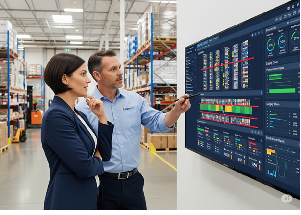
    • Real-Time Updates: You’ll know exactly how many tables are in use, which ones are waiting to pay, and where your bottlenecks are—all in an instant. This helps adjust workflows on the fly.
    • Enhanced Accuracy: Fewer communication breakdowns mean fewer mistakes. This is especially important during peak hours when the margin for human error increases.
    • Data-Driven Decisions: Integration allows for better reporting, meaning you can track popular menu items, average table turnaround times, and peak dining hours in one streamlined dashboard.

    Consider the Impact on Guest Experience

    An integrated approach doesn’t just make your team’s life easier; it takes guest satisfaction to a whole new level. For starters, faster order handling means shorter waiting times, and that’s always a win. Guests also appreciate when servers don’t have to disappear for long stretches to “check with the back.” Dining out is all about the experience, and inefficiency can easily chip away at that joy.

    Beyond service speed, integration lends a personal touch to guest interactions. For example, a synced-up system could notify servers that it’s a frequent diner’s birthday or remind them of a loyal customer’s favorite drink. These small details don’t just impress—they build lasting relationships.

    What to Look for in Integration Solutions

    When shopping for technology that connects your table management with your POS and kitchen systems, pay close attention to:

    1. Compatibility: Ensure the tools you choose can work together seamlessly. Some table management systems are designed with built-in POS and kitchen connectivity, while others may need third-party integration.
    2. User-Friendliness: Tech shouldn’t feel like a puzzle for your team to decode. Look for platforms that are intuitive and offer plenty of customer support.
    3. Scalability: Can the system grow with your business? Whether you’re running one restaurant or planning to expand to multiple locations, flexibility is key.

    Data Insights You Didn’t Know Could Improve Your Restaurant’s Workflow

    Let’s talk about a not-so-secret weapon that separates thriving restaurants from those constantly battling inefficiency—data insights. In today’s tech-driven world, your table management system doesn’t just organize who sits where and when; it quietly collects and processes data that can revolutionize the way your business operates. So, let’s uncover why this matters and how you can use those insights to elevate your restaurant’s workflow.

    1. Understanding Guest Behavior

    Data about your customers can feel like gold dust when used effectively. Modern table management systems can track customer preferences, dining habits, and average meal durations. For example, have you noticed that some guests prefer a quick dinner during the weekday rush, while weekend diners linger longer over wine and dessert? By recognizing these trends, you can tailor your service with precision. This kind of foresight strengthens customer loyalty—and happy guests are likely to return (and leave glowing reviews!).

    2. Pinpointing Peak Hours

    Ever feel like your restaurant runs like clockwork one hour but spirals into chaos the next? Data insights can paint a clear picture of your peak traffic hours. Knowing exactly when you’re busiest allows you to optimize staff scheduling and even adjust reservation slots. With the right data in hand, you’ll have a tighter grip on balancing walk-in customers and reservations to reduce wait times without turning anyone away.

    3. Fine-Tuning Table Turn Times

    If you haven’t been tracking how long your tables are occupied, you’re leaving money on the table—literally. Many table management systems provide insights into table turn times, showing how long it takes to seat, serve, and clear each party. If your tables linger empty between reservations or service is slower than industry benchmarks, you lose potential revenue. With this insight, you can address bottlenecks by training your staff, tweaking menus, or streamlining workflows in the kitchen.

    4. Spotting Menu Trends

    Pairing your table management system with sales data can give you surprising insights into your menu. Are certain dishes consistently ordered by parties of a specific size? Do large groups gravitate toward your shareable platters, while solo diners prefer a quick lunch special? Recognizing these patterns allows you to adjust your menu offerings based on the guest profile during different time slots, maximizing revenue without extra effort.

    5. Forecasting Staff Needs

    Gone are the days of guessing how many servers you’ll need on a Friday night. By analyzing historical data, table management systems can help you forecast staffing requirements with confidence. You can ensure you have enough hands on deck during rushes and save on labor costs during quieter times. It’s win-win for your guests and your bottom line!

    6. Improving Waitlist Predictions

    One of the most guest-frustrating situations in a busy restaurant is an inaccurate wait time. Using data, your table management system can help predict wait times better than a gut instinct ever could. This insight helps set realistic expectations for walk-ins and reduces complaints, all while making your restaurant experience more seamless.

    Your Checklist for Picking the Right Table Management Solution

    Choosing the best restaurant table management system can feel like an overwhelming task, but fear not! With an explosion of options out there, it’s critical to focus on what fits your unique needs. Don’t worry if you’re not sure where to begin—we’ve got you covered with this simple, yet comprehensive, checklist to help you make a smart choice.

    1. Ease of Use: Keep It Simple (for Everyone)

    Let’s start with the basics: your table management system should be user-friendly. Not just for tech-savvy managers but also for hosts, servers, and anyone else on your team who might use it. Features should be intuitive and easy to navigate, from assigning tables to viewing schedules at a glance. If your staff needs endless training to use the software, that’s a red flag.

    2. Customization: One Size Doesn’t Fit All

    Every restaurant is unique, so your system should be able to adapt to your floor plan, style, and workflow. Whether you have a cozy café or a buzzing fine-dining establishment, look for software that allows you to tailor table sizes, zones, and layouts to match your operations.

    3. **Scalability: Growth Must Be Supported**

    Are you planning to expand, add more tables, or maybe open new locations down the line? Pick a system that can grow with your business. Scalability is key! You don’t want to wrestle with switching systems later because your chosen tool isn’t built to handle a busier, larger-scale operation.

    4. Seamless Integration With Existing Tools

    Your table management system shouldn’t exist in isolation. Can it work hand-in-hand with your reservation software? Your POS and kitchen management system? Choose a solution that integrates like a dream with the tools you already use, so you end up with one cohesive ecosystem. It’ll not only save time but also streamline your entire workflow.

    5. Real-Time Updates and Connectivity

    If your system doesn’t provide real-time updates—think long delays in syncing reservations and cancellations—it’s time to look for something that does. Connectivity is critical, especially if you’re juggling walk-ins and online bookings. A lag in updates could mean empty tables when you could be accommodating hungry guests.

    6. Data-Driven Insights and Analytics

    Choose software that empowers you with valuable data. From peak hours to table turnover rates, insights gathered from your system can help optimize your operations and improve profits. Some modern systems even use AI to forecast demand—how cool is that?

    7. Customer Support: A Safety Net You Can Count On

    Things can go wrong—technology isn’t always perfect. That’s why you need a vendor with reliable customer support, available when you need them. Quick problem-solving can make or break a busy Friday night, so consider vendors known for excellent service.

    8. Affordability and Pricing Transparency

    Cost is always a factor, so figure out your budget ahead of time and compare pricing models. Some systems have upfront fees, while others work on a subscription basis. Bonus points for solutions with no hidden fees—transparency matters!

    9. Demo-Friendly: Try Before You Buy

    Don’t commit to a system without experiencing it firsthand. Look for providers that offer free trials or demos so you can test the waters. This will give you confidence in your investment and give your team a chance to provide input before rolling it out fully.

  • Benefits of Automated Testing Tools for E-commerce Success

    Benefits of Automated Testing Tools for E-commerce Success

    The e-commerce industry is evolving at an unprecedented pace, driven by changing consumer expectations and rapid technological advancements.

    Customers now demand flawless website performance, faster load times, and seamless checkout experiences across devices. Even minor bugs or slow updates can lead to abandoned carts and significant revenue loss along with huge demand for measures E-commerce accounting.


    To stay competitive, businesses must ensure their platforms remain reliable and user-friendly at all times. Automated testing tools have emerged as a game-changer, enabling companies to accelerate testing cycles, reduce human errors, and maintain high-quality digital storefronts.

    This article explores the key benefits of using automated testing tools in e-commerce and why they are essential for sustainable growth.

    The Growing Complexity of E-commerce Testing

    E-commerce Testing

    The e-commerce landscape has transformed into a highly dynamic and complex ecosystem. With customers accessing platforms through multiple devices, browsers, and payment options, businesses face significant challenges in delivering consistent user experiences. ECommerce Testing Services help organizations ensure that every element of their online store functions seamlessly across all platforms and environments.

    Ensuring every transaction runs flawlessly under varying conditions is no longer optional, it’s a necessity for survival in this competitive market.

    Increasing Multi-Device and Cross-Browser Demands

    Modern consumers shop on desktops, tablets, and smartphones using a variety of browsers. Each combination can present unique challenges, making manual testing inefficient and error-prone.

    Automated testing tools simplify this process by running parallel tests across different environments, while Cloud penetration testing ensures compatibility and seamless performance for all users.

    High Transaction Volumes and 24/7 Availability

    E-commerce platforms often experience unpredictable traffic surges during sales events, product launches, or festive seasons.

    Manual methods struggle to replicate high-load scenarios, leading to undetected bottlenecks. Automated load and stress testing ensure that systems can handle peak traffic without compromising speed or reliability.

    Shorter Release Cycles and Frequent Updates

    The shift toward agile development and continuous delivery requires frequent updates to features and fixes. Manually testing every release is impractical and time-consuming.

    Automation enables rapid regression testing and supports continuous integration pipelines, ensuring faster rollouts without sacrificing quality.

    Need for Robust Security and Compliance

    Handling sensitive data such as payment information adds another layer of complexity.

    Automated tools help validate security protocols and compliance with industry standards like PCI DSS, reducing the risk of data breaches and penalties.

    Core Benefits of Automated Testing Tools for E-commerce

    Automated testing tools have become an integral part of modern e-commerce development. They help teams release updates quickly, maintain high accuracy, and reduce costs while ensuring smooth user experiences. Below are the key benefits that make automation a necessity rather than an option, helping businesses save time, maintain consistency, and maximize efficiency in their digital strategies.

    Faster Release Cycles and Continuous Delivery

    E-commerce platforms must frequently update product catalogs, add promotional features, and fix bugs without downtime.

    Manual testing slows this process, making it difficult to keep pace with customer expectations. AI powered test automation speeds up regression and functional testing, allowing development teams to deliver updates faster.

    When integrated into continuous integration and delivery pipelines, automated tests run automatically with every code change.

    This ensures that new features or fixes are verified almost instantly, significantly reducing release times. Businesses can roll out improvements weekly or even daily, staying competitive in a rapidly evolving market.

    Enhanced Accuracy and Reduced Human Errors

    Manual testing relies heavily on the skills and attention of testers, which can result in overlooked bugs, especially during repetitive tasks.

    Automated tools eliminate this inconsistency by running predefined scripts exactly the same way each time. This ensures accurate results for critical processes such as checkout flows, inventory updates, and payment gateways.

    Automated testing in e-commerce also provides better coverage by simulating numerous scenarios, including edge cases that manual testers might miss.

    This level of precision minimizes the risk of deploying faulty features that could frustrate customers or lead to lost sales.

    Cost Efficiency and Scalability

    While setting up automated testing requires initial investment in tools and script development, it pays off over time.

    Once created, test scripts can be reused across multiple versions and environments, saving significant time and labor costs. This reusability is especially valuable for e-commerce businesses that frequently update products, pricing, and seasonal campaigns.

    Automation also allows teams to scale their testing efforts effortlessly. During peak sales events, such as holidays, load tests can be executed on demand to ensure systems handle high traffic volumes without performance issues.

    Improved User Experience and Customer Retention

    Customer experience is at the core of e-commerce success. Even a minor glitch, such as a slow checkout page or broken search functionality, can drive users away.

    Automated testing helps detect these issues early, enabling businesses to address them before they affect real customers.

    By continuously validating features across multiple devices and browsers, automated tools ensure smooth navigation, fast page loading, and error-free transactions.

    A consistently positive shopping experience leads to higher customer satisfaction, increased conversions, and improved retention rates over time.

    Popular Automated Testing Tools Used in E-commerce

    Automated testing tools cater to various e-commerce needs, from functional testing to load validation and cross-browser compatibility.

    Among these, several stand out for their effectiveness and adaptability in fast-paced retail environments.

    1. testRigor

    testRigor is a no-code testing platform designed to simplify automated test creation and maintenance. It allows teams to write tests in plain English, reducing dependency on programming skills.

    For e-commerce businesses, this means faster onboarding and collaboration between technical and non-technical teams. testRigor is especially useful for validating critical workflows such as checkout, payment processing, and product searches.

    Its AI-driven approach also reduces script maintenance, making it ideal for platforms with frequent updates.

    2. Selenium

    Selenium is a widely used open-source automation tool for web application testing. It supports multiple programming languages, allowing testers to create flexible scripts for validating features like shopping carts and payment gateways.

    Its compatibility with CI/CD pipelines makes it a reliable choice for regression and functional testing.

    3. Cypress

    Cypress is an end-to-end testing tool known for real-time reloading, easy debugging, and fast execution.

    It is well-suited for testing dynamic features such as product filters or interactive carts, ensuring smooth customer experiences across browsers.

    4. JMeter

    Apache JMeter specializes in performance and load testing. It simulates high-traffic scenarios, helping e-commerce platforms prepare for peak sales events and avoid performance bottlenecks.

    5. WebDriverIO

    WebDriverIO, built on Node.js, simplifies browser and mobile testing. Its integration with tools like Appium and Sauce Labs makes it suitable for businesses that need seamless cross-platform validation.

    Conclusion

    Automated testing tools have become essential for e-commerce businesses striving to deliver smooth, reliable, and high-quality customer experiences.

    They accelerate release cycles, improve accuracy, reduce costs, and support scalability, all of which are critical in a fast-paced online retail environment.

    By integrating automation into their development and testing workflows, businesses can identify issues early, ensure consistent performance across devices, and maintain customer trust.

    Adopting this approach positions e-commerce platforms to stay competitive, meet user expectations, and achieve sustainable growth in a constantly evolving digital market.

  • Why Real Time Media Monitoring is Critical in 2025

    Why Real Time Media Monitoring is Critical in 2025

    The speed of media in the modern world does not only influence the way stories are narrated but also influences the perception of the masses in real time. Social media can turn a negative mention into a national headline within an hour. A stock price can also be influenced by an executive comment that can go viral. A PR campaign can be ruined by one misunderstood tweet.

    The only protection against such scenarios is real time media monitoring. It allows communications teams to:

    • Detect emerging crises before they erupt
    • Track brand mentions across thousands of sources simultaneously
    • Identify influential voices and sentiment trends
    • Understand how narratives are spreading—and where they’re gaining traction

    In such high-stakes sectors as finance, healthcare, energy, and politics, even a few minutes of delay in detecting a threat can cost millions of dollars or a damaged brand in the long run.

    Key Features That Define Advanced Media Monitoring Services

    Media Monitoring Services

    Contemporary media monitoring services are much more than mention tracking. The current platforms run on AI, natural language processing (NLP), and machine learning algorithms. Integrating the best LLM tracking tools alongside these platforms can also help businesses monitor how their brands are mentioned, cited, and surfaced across AI-powered search and conversational platforms. They offer:

    • Cross-platform monitoring: News in print and online, podcasts, Reddit threads, and short-form video services, such as TikTok.
    • Sentiment analysis: AI-powered engines provide an indication of whether mentions are positive, neutral, or negative.
    • Geo-located intelligence: Find out where people are talking about something in the world and how loud they are talking.
    • Real-time alerts: Get real-time alerts on key brand or industry keywords.
    • Influencer analytics: Find journalists, influencers and public figures spreading your brand story, positive or negative.

    These are not only desirable capabilities but a competitive edge in the business where brand trust, market positioning, and public image directly influence revenue.

    How Media Monitoring Platforms Support Strategic Decision-Making

    The most effective media monitoring tools do not simply monitor mentions, but use raw data to create actionable insights.

    Real-time dashboards enable executives, brand managers and corporate communications teams to visualize spikes in mentions, shifts in sentiment and emerging topics across media channels. This provides organizations with a 360-degree perspective of their media presence and assists in making decisions based on facts, rather than assumptions.

    As an example, when a financial services company experiences a spike in negative coverage in a particular area, it can identify the source, determine its accuracy and put the appropriate spokesperson on the ground in minutes. Being able to react before the media story sets in concrete is the distinction between being in control of the discussion and dealing with the fallout.

    Real-Time Monitoring in Crisis Management

    Possibly the most mission-sensitive use of real time media monitoring is crisis communications. The first red flags of a PR crisis can be found on the periphery sites- blogs, social posts, or online forums. The story is already popular when the traditional media picks it up

    Real-time monitoring enables:

    • Early detection of emerging crises
    • Message alignment across departments and stakeholders
    • Tracking public sentiment before, during, and after an event
    • Response strategy optimization based on feedback and coverage

    A case in point: A pharmaceutical firm introduces a new drug and in a few hours, the side-effect reports start trending on social media. Under the traditional monitoring, this trend may not be detected by the brand until the next news cycle. Real-time tools alert them in real-time and allow them to begin influencing the narrative before it is too late

    Integration with Broader Media Intelligence Services

    Broader Media Intelligence Services

    Media intelligence services are a step further to monitoring. They integrate media monitoring and in-depth analytics, competitive benchmarking, influence score of influencers, and reputation management.

    When paired with real-time data, media intelligence can reveal:

    • Which competitors are gaining attention and why
    • Which publications and journalists are shaping industry sentiment
    • Which brand messages are resonating with audiences

    These insights are invaluable for marketing teams planning campaigns, for PR firms advising clients, and for C-suites shaping communication strategy. In effect, media intelligence becomes a strategic asset rather than a reporting tool.

    Industries Leading the Adoption of Real-Time Monitoring

    Some industries have moved faster than others in adopting real-time media monitoring tools.

    • Finance & Banking: Tracking breaking news, regulatory changes and market sentiment in real time to control investor relations.
    • Healthcare & Pharma: Monitoring the discussion in the media about the introduction of drugs, clinical trial outcomes, and patient experience.
    • Government & Politics: Monitoring public opinion during elections, policy rollouts, and international incidents.
    • Retail & Consumer Brands: Managing influencer relations, seasonal campaigns, and customer feedback at scale.

    These industries require hyper-speed, accuracy, and agility—something only real-time tools can provide.

    Choosing the Right Real-Time Monitoring Tool

    With dozens of providers in the market, not all media monitoring solutions are created equal. Coordinating data exchange across tools often calls for an API integration company to implement stable connectors and robust error handling. The best platforms offer:

    • API integration with internal tools like Slack, Teams, and CRMs
    • Predictive analytics based on historical data
    • Coverage across multilingual, global media outlets
    • Custom dashboards for different business units
    • Human + AI hybrid curation for maximum accuracy

    What you need depends on your business size, media exposure, and communication goals. However, real-time responsiveness, customization, and reliable data are non-negotiable in 2025.

    Conclusion: From Reaction to Anticipation

    The days of weekly reports in the media are gone. Brands that use stagnant, slow, or obsolete monitoring systems are just too exposed. On the other hand, those companies that invest in real time media monitoring are transitioning to proactive and predictive models of communication.

    The payoff is obvious: more effective crisis management, cleverer PR tactics, clearer competitive intelligence and more robust brand reputations.

    Real-time visibility is not merely a technological advancement, but a change in the way organizations understand, adjust and lead within a rapidly changing media landscape. Unless you are tuned into the media as it is happening, you are already behind by one step.

  • How to calculate restaurant par levels

    How to calculate restaurant par levels

    Running a restaurant can often feel like trying to juggle a dozen tasks at once. You’re managing staff, overseeing the kitchen, and keeping customers happy—all while making sure the costs don’t spiral out of control. Sound familiar? One secret weapon that every restaurant manager should know about is understanding and implementing par levels. But what exactly are par levels, and why should you care? Let’s dive into the basics and help crack the code!

    What Are Par Levels?
    Par Levels

    Par levels, or “par stock levels,” are essentially the minimum amount of inventory you need on hand to meet your restaurant’s needs without over-ordering. Think of them as your trusty safety net, ensuring you always have enough ingredients or supplies to operate smoothly, but not so much that you’re wasting money or letting items spoil.

    For example, if your restaurant usually goes through 25 heads of lettuce per week, you might set a par level of 30 to account for any unexpected surge in demand. Anything below this number tells you it’s time to reorder, while staying just above it keeps you confident and prepared.

    Why Are Par Levels Important?

    At first glance, you might think par levels are just about keeping things organized. But in reality, they’re deeply tied to your restaurant’s profit margins, efficiency, and customer satisfaction. Here’s why:

    • Cost Control: By setting accurate par levels, you’re not overstocking perishable items that may go to waste or understocking and risking customer dissatisfaction.
    • Streamlined Operations: Imagine being in the middle of a Saturday night rush only to discover that you’re out of a key ingredient. Accurate par levels ensure this doesn’t happen.
    • Better Decision-Making: Par levels serve as a snapshot of your inventory needs and trends. This can help you identify what sells, what doesn’t, and how to adjust orders over time.

    How Do You Establish Par Levels?

    The first step is understanding that par levels aren’t one-size-fits-all. Restaurants vary in size, menu offerings, and the types of customers they serve. However, a simple formula can get you started:

    1. Determine your weekly usage of an item. For this, sales data or past inventory records are your best friends.
    2. Factor in delivery frequency. If your supplier delivers twice a week, you’ll need to account for that when setting your thresholds.
    3. Add a small buffer to account for unexpected demand. It’s better to have a little extra in case of an unexpected rush!

    Common Challenges with Par Levels

    Despite their benefits, setting and maintaining par levels can be tricky. Some restaurants set numbers too high out of fear of running out, while others barely keep track at all. The key is to treat par levels as a dynamic system—you’ll need to reevaluate and adjust them regularly based on sales trends, seasonal shifts, and menu changes.

    Key Ingredients for Setting Accurate Par Levels

    Let’s dive into the fundamental building blocks behind determining par levels for your restaurant. After all, if you’re trying to manage your stock efficiently and reduce waste, getting your par levels just right is an absolute must. Whether you’re running a small cafe or a bustling dining hotspot, a solid understanding of the essentials helps ensure your business stays lean and profitable. Ready? Let’s break it down together!

    1. Understand Your Menu Inside-Out

    At the heart of setting par levels is your menu. Your menu guides demand; some dishes may require large amounts of inventory, while others might call for specialty items used sparingly. Start by analyzing each item on your menu and identifying the ingredients required for each dish. How often are these dishes ordered? Are there staples your kitchen can’t live without, like flour, cooking oil, or chicken?

    Take notes on high-turnover ingredients. These items will naturally require higher par levels to avoid disappointing guests (nobody likes seeing “out of stock” next to a favorite dish!). On the other hand, you can afford to set lower levels for less commonly used products.

    2. Consider Lead Times

    When suppliers are involved, timing is everything. Understanding how long it takes for orders to arrive after they’re placed is vital in determining your par levels. Ask yourself:

    • How often do deliveries come in—daily, weekly, or bi-weekly?
    • Is there a risk of delays due to seasonality or supplier disruptions?
    • For perishable goods, what’s the timeframe for peak freshness?

    To account for potential gaps between deliveries, your par levels should include a cushion to cover any unexpected delays. Trust us—you’ll thank yourself later when you avoid a mid-service scramble for ingredients!

    3. Factor in Portion Control

    Accurate portioning isn’t just crucial for consistency; it’s also key to setting precise par levels. If you know exactly how much cheese goes on each pizza or how many ounces of steak you serve per plate, it’s far easier to calculate how much of each ingredient you’ll need.

    Work with your kitchen staff to ensure portion control is standardized and documented. This way, you’ll avoid overestimating or underestimating your par requirements—and reduce waste along the way!

    4. Observe Usage Over Time

    Not all days or weeks are created equally when it comes to restaurant traffic. Before locking in your par levels, allow time to collect data on ingredient usage. Track your inventory over a period of regular and peak business days to establish trends. Take note of items that fluctuate more than others—these will require extra attention or adjustable par levels.

    5. Always Account for Safety Stock

    Sometimes life throws curveballs, like unexpected rush hours or menu specials that become overnight hits. This is where safety stock comes in—essentially, your “just-in-case” buffer. A good rule of thumb is to add 10-20% to your average demand for critical inventory. Some extra tomatoes or beef patties today can save tomorrow’s service from chaos!

    6. Regularly Review and Adjust

    Finally, setting accurate par levels isn’t a “set it and forget it” deal. Restaurants are dynamic operations; things change fast, from demand patterns to supplier availability. Make it a habit to review your par levels at least monthly and tweak them as needed. Think of it as fine-tuning your restaurant’s engine for optimal performance.

    The Role of Sales Data in Determining Par Levels
    Sales Data in Determining Par Levels

    Have you ever felt like you’re just guessing how much inventory your restaurant needs each week? If so, you’re not alone. One of the most important tools you can leverage to clear up the guesswork is sales data. It’s like your crystal ball for understanding what your customers want, when they want it, and how much of it they’ll consume. Sounds pretty magical, right?

    Why Sales Data is Your Best Friend

    Here’s the deal: your par levels — the minimum amount of stock you need to keep your restaurant humming — rely heavily on trends found in your sales data. Without this information, you’d be flying blind. Sales data is the foundation for making informed decisions about your inventory. It tells you:

    • What menu items are selling like hotcakes (pun intended!).
    • Which ingredients are being used the most.
    • How customer demand changes during specific times of the day, week, or year.

    This ensures you stock the right ingredients, avoid waste, and never keep a customer waiting because you ran out of their favorite entrée or drink. Win-win, right?

    How to Use Sales Data to Set Par Levels

    Okay, so you’ve got the sales data. Now, how do you actually use it to set par levels for your inventory? Break it down into a few simple steps:

    1. Analyze Historical Sales: Look at your sales history to find patterns. What sells the most during peak times? Which items tend to only move on weekends or special events? If your pasta dishes are highly popular, you can prioritize par levels for things like pasta, sauces, and fresh herbs.
    2. Identify Daily Usage Rates: If you know you sell 100 burgers on an average Friday, you can calculate how much ground beef, buns, cheese, and toppings you use per day. Multiply that by how many days you need to keep stock fresh, and voilà — you’ve got your par level.
    3. Factor in Buffer Stock: There will always be fluctuations. A surprise dinner rush or an influx of new customers means you’ll sometimes need extra. A small buffer can ensure you’re prepared without overstocking.

    By following these steps, you’ll transform your sales data into a playbook for smarter inventory management. Your freezer might just thank you!

    The Perils of Ignoring Your Data

    Let’s be real — ignoring sales data when setting par levels can create a mess. Overestimating demand means wasted food, and underestimating demand means telling customers you’re out of their favorite dish. Neither is a great look, right?

    Not only that, but failing to track sales can lead to hidden costs. You might order the wrong things, tie up cash in unnecessary inventory, or even disrupt your team’s workflow. Trust us: a little data can save a lot of stress.

    Keys to Success

    Here are some practical tips for using sales data effectively:

    • Track it consistently. Whether you use a modern point-of-sale (POS) system or old-fashioned spreadsheets, keep accurate records of sales every day.
    • Compare trends regularly. Make it a monthly habit to review your data. Are there any spikes or drops you weren’t expecting? Adjust your par levels accordingly.
    • Collaborate with your team. Your staff knows what sells best during peak shifts, so incorporate their observations into your decision-making process!

    Seasonal Trends and Their Impact on Par Calculations

    Let’s face it: whether it’s pumpkin spice season, summer barbecue month, or the holiday rush, seasonal trends can have a significant impact on how restaurants manage their inventory. One of the trickiest parts of this equation? Adjusting your par levels to match fluctuating demand during these seasonal shifts. But don’t worry, we’ve got you covered! Let’s dive into why it matters and how you can navigate these changes like a pro.

    What Are Seasonal Trends Anyway?

    Seasonal trends refer to the predictable rises and falls in demand for certain dishes or ingredients based on the time of year. Think about cozy comfort foods in the winter or refreshing, lighter options in the summer. Customers’ preferences adjust with the seasons, and so must your inventory. Ignoring these fluctuations could lead to two serious headaches: stockouts (running out of key ingredients) or overstocking (leading to wasted inventory and lost revenue).

    Why Seasonal Trends Matter for Par Levels

    Your par level represents the minimum amount of a product you need on hand to meet usual demand before restocking is required. While a consistent par level might work during stable periods, failing to account for seasonal trends could result in mismatched supply and demand. And we all know the last thing you want is to tell a customer their favorite seasonal dish isn’t available.

    For instance, imagine it’s summer and frozen lemonade is selling like crazy. If your par calculation didn’t factor in the higher seasonal demand, you might not stock enough lemons, ice, or sweeteners to meet the surge in orders. See the problem?

    Steps to Factor Seasonal Trends Into Your Par Levels

    Now that we understand why seasonal trends are important, here’s how to incorporate them into your par level calculations:

    1. Dive into historical data: Look at past sales during the same season from previous years. Spot trends such as what items surged in popularity or became slow movers.
    2. Consult your team: Have a conversation with your front-of-house and back-of-house staff – they often have invaluable insights about seasonal customer preferences.
    3. Stay ahead of holidays and events: Think beyond just weather seasons. Holidays, sports events, or local festivals can create massive spikes in demand for certain products. Adjust your inventory accordingly.
    4. Avoid overcorrection: While it’s good to increase your par level for popular seasonal items, be cautious about overstocking to the point that perishable goods go to waste. Strike a balance based on realistic sales projections.

    Best Practices for Tackling Seasonal Inventory Challenges

    Here are some extra tips to keep you on top of your par game during the busy (or slow!) seasons:

    • Leverage supplier relationships: Stay in close communication with your suppliers so they can help ensure timely deliveries, especially for high-demand periods.
    • Experiment with limited menus: During peak seasons, consider narrowing down your menu. This reduces the risk of overextending your inventory and simplifies par management.
    • Monitor weather forecasts: Yes, you read that right! Weather changes can shift what guests crave. A heatwave might call for more cold beverages, while rainy days could increase demand for hearty soup dishes.

    Common Mistakes When Setting Par Levels (And How to Avoid Them)

    Setting par levels is an essential task for any restaurant manager, but let’s be honest—it’s not always a straightforward process. Between balancing inventory, avoiding waste, and keeping your kitchen stocked for service, there’s a lot that can go wrong. But don’t worry! Together, we’ll explore some of the most common mistakes restaurants make when setting par levels and, more importantly, how you can steer clear of these pitfalls.

    1. Ignoring Fluctuations in Demand

    One major oversight is setting par levels without considering how demand changes throughout the week, month, or even season. For instance, the number of pizzas you sell on a bustling Friday night is probably very different from what you sell on a lazy Tuesday afternoon. If you’re not factoring those fluctuations into your par levels, you’re either going to run out of stock or be left with spoiled inventory.

    Quick Fix: Analyze past sales data to spot patterns. Break down your sales by day of the week and meal period to ensure your par levels are aligned with those peaks and valleys in demand. Don’t base everything off average sales—dig deeper!

    2. Overestimating “Buffer Stock”

    Everyone wants to avoid running out of key ingredients during the dinner rush, but keeping too much “just in case” inventory can harm your business too. Overestimating buffer stock often leads to waste, especially with perishable ingredients.

    Quick Fix: Be realistic about your inventory needs. Use your historical sales data to calculate a reasonable buffer amount. Generally, aim to strike a balance between preventing stockouts and reducing spoilage.

    3. Failing to Account for Supplier Lead Times

    Ever run out of a crowd-favorite dish because your tomato supplier takes three days to deliver? Not accounting for supplier lead times is a classic mistake. If you don’t consider the time it takes to replenish inventory, you’re setting yourself up for unnecessary headaches.

    Quick Fix: Confirm lead times for all your suppliers. Adjust your par levels so you can restock well before you’re in danger of running out. For instance, if your supplier takes two days to deliver, make sure your par accounts for that lag.

    4. Forgetting to Regularly Reevaluate Par Levels

    Setting your par levels isn’t a “set it and forget it” task. Some restaurants fall into the trap of creating par levels and then never revisiting them, even when their menu, customer base, or sales patterns evolve. This can lead to outdated and incorrect par guidelines.

    Quick Fix: Schedule regular reviews of your par levels—monthly, quarterly, or whenever you’re launching new menu items. Treat these reviews as an opportunity to tweak and optimize based on your most recent data.

    5. Neglecting Employee Training

    Even if you perfectly calculate your par levels, they’re only as good as the team using them. Lack of proper training can lead to inconsistent ordering, poor inventory tracking, and mismanaged stock, making your par system ineffective.

    Quick Fix: Educate your team on how par levels work and why they’re important. Ensure everyone understands how to follow your ordering process and track inventory accurately. A knowledgeable team is your greatest weapon against par-level blunders.

    How to Fine-Tune Your Par Levels for Maximum Efficiency

    So, you’ve got your par levels set up, but you’re wondering if they’re working as efficiently as they could. That’s a great start! Fine-tuning your par levels can make the difference between a restaurant that’s running smoothly and one that’s drowning in waste or struggling with stockouts. Let’s dive into how you can optimize those numbers for maximum efficiency!

    What Does “Fine-Tuning” Even Mean?

    Fine-tuning is all about refining the inventory levels you already have in place so they better align with the specific needs and rhythms of your restaurant. Maybe your par levels worked great a year ago, but your business has grown, menus have changed, or customer patterns are different. Adjusting these numbers regularly ensures you’re keeping up with the real-time demands of your operation.

    Keep It Data-Driven

    First things first: go back to your data. Data is your best friend when it comes to fine-tuning. Pull up previous sales reports, inventory usage, and delivery times to see where inefficiencies might be hiding. For instance, is there an ingredient you’re constantly running out of? That’s a sign you need to bump up the par level slightly. Alternately, if there’s something that’s always sitting untouched in your stock, decrementing its par level could help reduce waste.

    How to Spot Red Flags in Your Current Par Levels

    It’s easy to spot areas where your par levels need tweaking if you know what to look for. Here are some red flags:

    • Running out of essentials: If you’re frequently running out of certain items during busy shifts, your par level might not be high enough.
    • Frequent overstocking: If certain ingredients are constantly being thrown away because they’ve expired, your par level may be set too high.
    • Inconsistent supplier availability: If your suppliers occasionally delay deliveries, you’ll need a buffer in your par levels to accommodate these hiccups.

    Get Your Team Involved

    Your team is on the frontlines and has eyes on inventory every day. Regularly check in with your kitchen staff, chefs, and even servers to gather feedback on what ingredients and supplies are running out too quickly or sitting around unused. They know if the tomatoes are vanishing in hours or if boxes of napkins are gathering dust in storage.

    Adjusting for Peak Efficiency

    Once you’ve reviewed your data and spoken with your team, it’s time to tweak those par levels. Here’s how you can do that:

    1. Prioritize high-impact items: Start by addressing items that are critical to your service, like proteins, popular ingredients, or specialty items that can’t easily be replaced.
    2. Maintain flexibility: Set a target range rather than a strict par level. This gives you room to adapt without overhauling the system each time customer trends shift.
    3. Test adjustments: Incrementally change your par levels rather than making big sweeping adjustments. Track the impact over a few weeks to see how your tweaks are performing.

    Using Technology to Simplify Par Level Calculations

    Let’s face it—running a restaurant is no walk in the park. Juggling inventory, tracking sales, and staying on top of trends can feel overwhelming. But here’s the good news: technology has come to the rescue, making it easier than ever to handle the nitty-gritty details, like calculating par levels, with efficiency and accuracy. Whether you’re a tech aficionado or someone who’s just dipping their toes into digital waters, there’s a lot to gain by letting technology take the wheel in this area.

    Why Bother Automating Par Level Calculations?

    Before we dive into the how, let’s talk about the “why.” Par levels are the backbone of a well-managed inventory system. They ensure you’re not overstocking or understocking, which can lead to unnecessary waste or embarrassing shortages. Yet, calculating them manually can be time-consuming and prone to human error. Enter technology—a game-changer for efficiency. Automated tools can handle complex calculations, minimize guesswork, and, best of all, free up your time for other important tasks (like perfecting that new recipe!).

    Tools That Can Make Your Life Easier

    The market is brimming with tools designed to help you simplify inventory management. Here are a few options to consider:

    • Inventory Management Software: Platforms like Upserve, Toast, or MarketMan allow you to input data like sales figures, seasonal trends, and vendor schedules. They quickly calculate accurate par levels and update them as patterns shift.
    • POS Integration: A robust Point-of-Sale (POS) system doesn’t just handle transactions; it gathers real-time data. Systems like Square or Lightspeed integrate with inventory tools to automatically track inventory and project reorder points based on sales activity.
    • AI-Powered Tools: For those ready to embrace cutting-edge tech, Artificial Intelligence (AI) tools can predict inventory needs based on historical trends, customer behavior, and even weather patterns.

    How to Get Started with Tech Solutions

    Taking that first step into the tech world might seem intimidating, but it doesn’t have to be! Here’s how you can ease into the process:

    1. Evaluate Your Needs: Take a closer look at your current processes. Are you losing time on manual calculations? Struggling to keep up with fluctuating demand? Pinpointing weak areas will help you choose the right tool for your restaurant.
    2. Research Your Options: Not all technology is one-size-fits-all. Do your homework, and be sure to pick a solution tailored to your restaurant’s scale, menu, and sales volume.
    3. Start Small: Ease into it by automating just one part of your process, like par calculations, before integrating other inventory-related functions.
    4. Provide Employee Training: Ensure your team knows how to use the tools effectively. A small investment of time upfront can lead to big efficiency gains down the road.

  • What are unique ideas for restaurants

    What are unique ideas for restaurants

    When it comes to creating a standout restaurant concept, few things are as powerful—or as heartfelt—as celebrating local heritage through your menu, decor, and ambiance. Whether you’re based in a rural village with rich traditions or a bustling metropolitan area with myriad cultural influences, incorporating your community’s history into your restaurant can create a truly one-of-a-kind experience.

    Appealing to Tourists and Locals Alike

    One concern might be finding a balance between catering to curious visitors and retaining a loyal local following. The key? Authenticity! Tourists often crave an inside look at local life, so your focus on heritage will naturally pique their interest. Meanwhile, by honoring what locals cherish most about your area, you ensure they feel seen, celebrated, and valued as lifelong customers.

    Interactive Dining Spaces for All Ages

    Have you ever been to a restaurant that feels more than just a place to eat? The idea of crafting interactive dining spaces is gaining momentum, and for good reason. It’s not only about meals anymore — it’s about creating memorable experiences that keep diners of all ages entertained, engaged, and coming back for more.

    unique ideas for restaurants

    Why Interactive Dining Is the Future

    In a fast-paced world, people crave connection, not just with each other but also with their surroundings. By integrating opportunities for interaction into your restaurant’s concept, you can add a layer of immersion that transforms a meal into an adventure. But remember, “interactive” doesn’t have to mean loud or chaotic — it’s all about tailoring the experience based on your audience.

    Kids love play spaces, teens enjoy photo-worthy moments, and adults appreciate thought-provoking or hands-on activities. To enhance family engagement, you could even include a safe kids trampoline area that allows children to stay active and entertained while parents enjoy their meals. Success lies in striking a balance so everyone can share an enriching experience together under one roof.

    Creative Ideas to Bring Interaction Into Your Space

    So, how do you bring this idea to life? Here are some creative, practical suggestions to jumpstart your imagination:

    • DIY Culinary Stations: Allow diners to get involved in their meals by setting up stations where they can assemble dishes, like building their own pizzas or decorating desserts. Not only is this fun, but the act of participating also makes dining more personal.
    • Interactive Tables: Invest in tables with built-in touchscreens that offer interactive games, art activities, or quirky trivia. This setup keeps guests entertained while waiting for their food, especially families with kids.
    • Live Performances and Lessons: Combine dining with entertainment by hosting live music performances, magic shows, or cultural storytelling. You could also introduce periodic cooking or mixology demonstrations that allow diners to learn something new while savoring their meal.
    • Outdoor Activity Zones: If your space allows, create outdoor play areas featuring a safe trampoline, climbing structures, or sensory paths. These elements encourage kids to stay active and engaged while parents unwind, making the dining experience enjoyable for all ages.
    • Customizable Dining Experiences: Introduce a voting system where diners can choose elements of their experience, from picking a playlist for the evening to casting votes for a featured special of the day. It creates a sense of community and active participation.
    • Escape Room-Inspired Themes: If you want to go bold, you could integrate themes like scavenger hunts or escape-room-style challenges into the decor, menu, or atmosphere for a truly one-of-a-kind dining experience.

    Don’t Forget Accessibility

    While designing interactive elements, it’s essential to prioritize inclusivity. Ensure that activities are accessible to people of all abilities and that the space remains functional, comfortable, and easy to navigate. For example:

    • Provide noise-controlled areas for visitors who may feel overwhelmed in highly interactive environments.
    • Design touchscreen interfaces with readability and height access in mind.
    • Offer alternatives, such as paper-based activities or staff-led games, for those who may prefer physical interaction over digital engagement.

    Why This Concept Appeals to All Ages

    Interactive dining appeals because it resonates. For kids, interactive play makes dining out a fun, active event. For teens and young adults, it offers unique, Instagram-worthy moments. For adults, it provides opportunities to unwind, bond with loved ones, and even learn something new. The bottom line? Connection is universal, and when a meal becomes an experience, the possibilities for delight multiply.

    Menus that Feature Rotating Guest Chefs

    Let’s face it—diners are always on the lookout for something new and exciting when it comes to their dining experience. One way to stand out as a restaurant and create buzz in the culinary world is by crafting menus that feature rotating guest chefs. Imagine the excitement if one of your rotations featured the chef with the most Michelin stars in the world instantly turning your restaurant into a hotspot for food lovers and media buzz alike.
    It’s not just about variety; it’s about offering diners a chance to immerse themselves in unique culinary styles and creative visions. Here’s why embracing this concept can turn your restaurant into a must-visit destination and how to execute it seamlessly.

    Why Rotating Guest Chefs are a Winning Idea

    • Freshness and Curiosity: Having a new chef take over the menu keeps things interesting for regular patrons. People love surprises, and offering an ever-changing, innovative menu curated by different experts is an easy way to make them come back repeatedly.
    • Showcasing Unique Perspectives: Each chef brings their own expertise, personality, and cultural heritage to the table. This means every rotation can open doors to new cuisines, cooking techniques, and mouth-watering flavor profiles that might otherwise be missing from your restaurant’s offerings.
    • Building Excitement and FOMO (Fear of Missing Out): When a guest chef is only available for a limited time, customers are motivated to book their reservations ASAP. Limited-edition experiences drive demand!
    • Collaboration Breeds Creativity: Inviting outside talent to work in your kitchen can inspire your in-house team and introduce fresh ideas to your restaurant’s DNA.

    How to Get Started

    Convinced? Great! Now, let’s talk about how to organize a guest chef strategy that’s both practical and memorable for your restaurant:

    1. Reach Out to Experts: Start by networking with chefs who align with your brand and values. Perhaps they have expertise in a particular cuisine or a distinctive approach to presentation. Attend culinary events, follow chefs on social media, or work with agencies that connect restaurants with top culinary talent.
    2. Set Clear Objectives: Are you looking to attract a new audience, celebrate a seasonal theme, or test different food trends? Knowing your goals will help you choose the right chef and style for the occasion.
    3. Create a Collaborative Menu: Work closely with the guest chef to ensure their vision aligns with your restaurant’s identity. Let their individuality shine through, but also focus on incorporating local, fresh ingredients they can experiment with.
    4. Market the Event: Promote the guest chef’s arrival as a special occasion. Leverage social media, newsletters, and foodie influencers to spread the word. You might even encourage the chef to share behind-the-scenes previews with their followers.
    5. Plan for a Smooth Transition: No matter how reputable the guest chef may be, your team should be fully briefed and trained on their menu ahead of time. This ensures consistency and avoids service disruptions during the guest’s tenure.

    Tips for Long-Term Success

    To sustain this concept over time, consider implementing a quarterly or seasonal rotation. Establish connections with chefs from diverse backgrounds, ensuring that your offerings consistently appeal to a broad audience. Bonus tip: track customer feedback after each rotation to learn what resonated most, and use that data to fine-tune future collaborations.

    The Guest Chef Experience Isn’t Just About the Food

    Don’t forget to create an atmosphere of celebration while a guest chef is in the house. Consider hosting exclusive meet-and-greet dinners, cooking demonstrations, or Q&A sessions where diners can learn more about the chef’s story and inspirations. People love a restaurant experience that feels *personal*, not just transactional.

    Offering Classes or Experiences Alongside Dining

    Let’s talk about a trend that perfectly meshes dining with learning – offering unique classes or experiences as part of your restaurant concept. As more people seek out dining that goes beyond just great food, this creative idea hits the sweet spot for foodies and lifelong learners alike. Let’s dig into why this works so well and how restaurants can execute it brilliantly.

    Why Combine Dining with Experiences?

    For starters, dining experiences are evolving in response to customer preferences. More people are looking for unique ways to connect with food, culture, and even the people behind the dishes they’re eating. By combining meals with hands-on or immersive opportunities, your restaurant becomes more than a place to eat – it’s a destination.

    Offering cooking classes, wine-and-cheese pairings, or even farm-to-table tours brings guests into the process of creation. Not only does this create memorable experiences, but it also builds an emotional connection with your brand. This kind of engagement keeps diners coming back and talking about you to others.

    Ideas to Spruce Up the Experience

    • Cooking Classes: Whether it’s putting together the perfect pizza dough, crafting sushi rolls, or perfecting a signature pasta dish, hosting cooking classes allows your customers to get hands-on experience. Make it even more fun by adding a social twist with group challenges or team activities.
    • Behind-the-Scenes Insights: If your restaurant has something unique – a wood-fired oven, a secret cocktail recipe, or a local ingredient sourcing process – let customers in on the magic. Offer tours of your kitchen or demos where chefs walk diners through preparing signature dishes.
    • Wine or Beverage Pairing Evenings: Teach guests how to pair wines with their meals or how to elevate their cocktails at home with mixology lessons. It’s a classy and highly enjoyable way to enrich the dining experience.
    • Themed Nights: Host immersive events like “A Night in Tuscany,” where guests can learn about Tuscan cuisine, art, and culture while enjoying a curated menu of Italian classics prepared in an open demonstration.

    Tips for Executing the Perfect Pairing of Food and Classes

    While the idea sounds fantastic, pulling it off successfully requires careful execution. Here’s how to make it a hit:

    1. Keep It Easy and Fun: Not everyone who attends your classes will be a confident home chef or a seasoned foodie. Make sure the content is approachable and entertaining. Focus on experiences that are enjoyable for beginners as well as enthusiasts.
    2. Focus on Small, Intimate Groups: Limit the size of your classes or events to make them feel exclusive. Smaller groups allow for better participation and more one-on-one interaction with instructors or chefs.
    3. Find the Right Staff: Not every chef loves teaching. Choose teaching staff who are not only knowledgeable but also charismatic, patient, and good communicators.
    4. Incorporate Takeaways: Give customers something tangible to remember their experience by, like recipe cards, branded aprons, or small bags of specialty ingredients to replicate the dish at home.
    5. Promote Sustainability and Local Sourcing: Interactive food experiences give you the perfect platform to highlight local ingredients and your commitment to sustainable practices, reinforcing your restaurant’s values.

    Hyper-Focused Sustainability Initiatives

    There’s no question that sustainability is more than just a buzzword—it’s a movement shaping the future of dining and hospitality. Restaurants have a unique opportunity to set themselves apart and make a difference by embracing hyper-focused sustainability initiatives. But what does this mean for your business or idea? Let’s unpack it together, shall we?

    Why Sustainability Matters in the Restaurant Industry

    First things first: sustainability isn’t just about being trendy; it’s about being responsible. From sourcing ingredients to reducing waste, restaurants play a pivotal role in environmental impact. Consumers today are more eco-conscious than ever, and they value businesses that share their ethos.

    According to a recent survey, 60% of diners say they’re more likely to support a restaurant prioritizing sustainable practices. So, not only are you doing good for the planet, but you’re connecting with an audience eager to support your efforts.

    Hyper-Focused, Not Just Surface-Level

    The keyword here is “hyper-focused.” In other words, it’s not enough to add a recycling bin in the back or slap “farm-to-table” on your menu without follow-through. Dive deep into the specific ways your restaurant can lead the charge in sustainability.

    Here are some examples to inspire your vision:

    • Zero-Waste Kitchens: This concept goes beyond composting scraps. It’s about making the most out of every ingredient. Whether it’s turning vegetable trimmings into stocks or using coffee grinds for desserts, a zero-waste kitchen optimizes creativity and efficiency.
    • On-Site Gardening: Why not grow some of your ingredients right there in your restaurant? Even a small herb garden or rooftop space can signal your commitment to fresh, hyper-local ingredients.
    • Innovative Packaging: Ditch traditional plastic takeout containers for compostable packaging or reusable options. Some restaurants even offer incentives for customers who bring their own containers for to-go orders.

    Sourcing with Intention

    Take a moment to think about where your ingredients come from. Hyper-focused sustainability means knowing exactly how your supply chain impacts the environment—and doing something about it. Look for suppliers who practice ethical farming and prioritize low-carbon methods of transportation.

    Some ideas include:

    1. Partnering with Local Farmers: Supporting nearby farms doesn’t just reduce the carbon footprint of transporting goods; it also supports your community.
    2. Seasonal Menus: A creative seasonal menu showcases what’s freshest and eliminates the need for out-of-season shipping from across the globe.
    3. Sustainable Proteins: Options like plant-based proteins or responsibly sourced seafood let you appeal to ethical eaters and reduce your environmental impact simultaneously.

    Engage Your Customers

    One of the best ways to integrate sustainability into your restaurant is to involve your guests. Educate them on what you’re doing and why it matters. Features like brief menu notes on eco-friendly practices or a QR code leading to behind-the-scenes videos can help customers feel part of your mission.

    Better yet, host special theme events or workshops focusing on topics like sustainable cooking or reducing food waste at home. QR code adoption can provide attendees with instant access to recipes, tips, and follow-up materials. This not only strengthens your brand but also forges a sense of community.

    Specialty Cuisine with a Twist

    Specialty cuisine is always appealing to food lovers, but adding a unique twist transforms it from simply interesting to absolutely unforgettable. In this bustling world of dining, where new restaurants pop up daily, offering a creative variation on a well-loved specialty can set a business apart. So what does it take to put the perfect “twist” on specialty cuisine? Let’s dig in!

    1. Mix Unlikely Cultures

    Fusion cuisine isn’t a new concept, but some combinations are still wildly underexplored. For example, imagine blending the vibrant spices of Indian cooking with the earthy umami of Japanese dishes. Think Tandoori Sushi rolls or Butter Chicken Ramen. Such pairings aren’t just surprising; they create exciting contrasts that delight adventurous eaters.

    Pro Tip: Do your homework on the culinary bases for each cuisine you want to mix. Respecting those traditions while enhancing them is key to success.

    2. A New Look at Classics

    Classic dishes have an almost sacred place in cuisine, but they also give chefs a great framework to reimagine flavors and presentation. Consider serving a deconstructed version of a familiar dish like lasagna. Maybe the pasta sheets are turned into delicate crisps layered with ricotta foam and dollops of rich marinara sauce for a fresh aesthetic and experience.

    3. Make it Interactive

    Adding a “twist” can involve the dining experience itself. Specialty cuisines are often a point of pride, so why not share a hands-on twist? For instance, if you feature Neapolitan pizzas at your restaurant, let guests assemble their own toppings before firing them in a wood oven. You’ll add a fun, personal element that diners will talk about long after their meal.

    Other ideas can include DIY pho or build-your-own dessert platters. The more engaged the diner is, the more memorable the visit becomes.

    4. Limited-Time Themes

    Specialty restaurants can carve a niche by offering seasonally or event-specific twists. For example:

    • A “root-to-leaf” menu inspired by local harvests during autumn.
    • “Retro remakes” of beloved dishes from the 1980s with stylish plating.
    • A World Cup menu featuring specialty street foods from countries in the tournament.

    Limited-time twists keep the dining experience fresh and encourage repeat visits. They also play into the fear of missing out (FOMO) that gets customers through the door!

    5. Presentation: Edible Art

    Let the plating of your specialty dish take center stage. The “twist” might be as simple as how the food is presented—it’s no longer just about the taste. Imagine desserts coming to life with edible flowers or savory dishes served on custom trays that enhance their cultural ties. Restaurateurs should work with chefs to create meals that surprise on sight, engage the senses, and leave a lasting impression.

    Create an Identity, Not Just a Dish

    The key to acing specialty cuisine with a twist is making your concept feel authentic but exciting. Build a story around the dish that ties into your restaurant’s identity. Does it celebrate your chef’s heritage? Is it inspired by a global passion for innovation? The clearer the connection you create for the diner, the more they’ll form a relationship with your establishment.

    Tech-Savvy Approaches to Ordering and Feedback

    In today’s fast-paced digital age, incorporating technology into your restaurant’s operations isn’t just a novelty—it’s becoming a necessity. From app-based ordering to real-time customer feedback, tech-savvy approaches can elevate your dining experience and streamline operations. Let’s dive into why this idea is a game-changer for modern restaurants and how you can make it work for your concept.

    unique ideas for restaurants

    Why Technology Matters in Restaurants

    First, let’s acknowledge the obvious: simplicity and efficiency reign supreme. Diners are busier than ever, and expectations for convenience are skyrocketing. Seriously, nobody enjoys waiting 20 minutes just to flag down a server or getting overwhelmed trying to decipher a paper menu.

    By harnessing the power of technology, you’re not just keeping up with customer expectations—you’re exceeding them. Offering diners tools like touchless ordering systems, personalized loyalty apps, and streamlined payment options creates a seamless dining experience. Customers leave happier, and happier customers are a recipe for success!

    Tech-Savvy Features Your Restaurant Should Consider

    Here’s a breakdown of tech-forward options you can implement at your restaurant:

    • QR Code Menus: The days of paper menus are fading, and digital QR codes are having their big moment. Not only are QR menus more hygienic, but they make it easy to incorporate vivid images, allergy filters, or even dynamic pricing during happy hours.
    • Tableside Digital Ordering: Providing tablets—or encouraging diners to use their own devices—can allow guests to browse the menu, reorder dishes, or flag dietary preferences with just a few taps. Bonus: table turnover speeds up when customers can order directly.
    • AI-Powered Recommendations: Integrate technology that tracks customer preferences (like their past orders or allergies) to offer personalized suggestions. Imagine being remembered as the place that always gets their complicated coffee order right!
    • Smart Payment Solutions: Who wants to awkwardly wait for the check? Provide wireless card readers or allow mobile payment options like Apple Pay or Google Wallet for a quicker checkout process.
    • Feedback in Real Time: Gone are the days of paper comment cards. Use a digital system where diners can rate their experience right after the meal, whether it’s on an app, a tablet, or via a QR code. Instant feedback means you can address concerns on the spot!

    Making the Transition Seamless

    Ready to go high-tech? Hold on—don’t overhaul everything overnight. You want to ensure your approach aligns with both your brand and your audience. For instance:

    1. Know your demographic: A family-friendly bistro might introduce a kids’ game feature on their ordering devices, while a high-end wine bar might optimize for elegant, minimalist payment processing.
    2. Train your team: The biggest asset surrounding technology is your staff. Ensure your team is comfortable using the equipment and can address questions from guests. A smooth operation makes everyone feel at ease.
    3. Test and tweak: Pay attention to the usability of your selected tech. Is it intuitive? Do customers seem pleased or confused? Host a soft launch and gather feedback before fully rolling out any major changes.

  • How to perform restaurant bookkeeping effectively

    How to perform restaurant bookkeeping effectively

    Running a restaurant is an exciting venture, full of flavor, creativity, and customer smiles. But behind the scenes, there’s a vital ingredient for long-term success: a solid financial framework. Without it, even the most delicious menus and packed dining rooms can’t guarantee profitability. So, let’s roll up our sleeves and get your financial framework up and running effectively!

    Define Your Business Structure First

    Before we dive into bank accounts and budgets, it’s important to understand your restaurant’s business structure. Are you operating as a sole proprietorship, partnership, or limited liability company (LLC)? Each structure has different financial and tax implications. Consulting with an accountant or business advisor can help you choose the right fit for your goals and legal responsibilities.

    Open a Dedicated Business Bank Account

    One of the first steps in creating a financial framework is keeping your personal and business finances separate. A dedicated business bank account makes record-keeping much simpler and ensures that your bookkeeping doesn’t turn into a guessing game.

    Look for an account that offers perks like low fees, online banking tools, and options for business credit cards. This creates an organized system for depositing daily sales, making vendor payments, and managing payroll—all without mixing your income with your personal expenses.

    Create a Detailed Budget

    A well-thought-out budget is like the recipe for your financial success. Start by listing all fixed expenses like rent, utilities, and salaries. Then, map out variable costs such as inventory and marketing. This will give you a clear picture of your financial commitments and help you make informed decisions on cutting costs or reinvesting profits.

    It’s a good idea to leave some wiggle room for unexpected expenses, like equipment repairs or seasonal slowdowns. Restaurants are full of surprises, so a bit of flexibility can save you from financial headaches.

    Set Up a Chart of Accounts (COA)

    Your chart of accounts (COA) is like the backbone of your bookkeeping system. It categorizes every financial transaction your restaurant makes. For example, common categories include:

    • Revenue: Sales from food, beverages, and catering.
    • Expenses: Rent, food purchases, utilities, and staff wages.
    • Assets: Equipment, furniture, and cash in the bank.
    • Liabilities: Loans, credit card balances, and outstanding vendor bills.

    Investing time in setting up your COA properly will make tracking finances smoother and create accurate reports when you need them most.

    Embrace Professional Help Early On

    Even if you’re only running a small operation, partnering with a qualified bookkeeper or accountant can be a game-changer. They can help you establish bookkeeping systems, ensure compliance with tax laws, and even provide insights on maximizing profitability. Trust me, investing in expertise early on will save so much time (and stress!) later down the line.

     restaurant bookkeeping effectively

    Essential Documentation Every Restaurant Owner Must Maintain

    Whether you’re running a cozy cafe or a buzzing fine-dining restaurant, keeping your paperwork in check is a must. While it may not be the most glamorous part of owning a restaurant, staying organized with your documentation is critical for maintaining financial health, avoiding headaches during tax season, and ensuring that your business runs smoothly. Let’s break down the essential documents that every restaurant owner should have readily available.

    1. Daily Sales Reports: Your Restaurant’s Lifeline

    Think of your daily sales reports as a health checkup for your restaurant. These records give you insight into how much revenue you’re bringing in each day and allow you to identify sales trends. Reviewing this data regularly can help you pinpoint your top-selling items (yay, customer favorites!) or flag menu items that may need an upgrade. Make it a habit to reconcile these reports with your cash register, POS systems, and bank deposits to ensure everything matches up.

    2. Payroll Records for a Happy Team

    Your staff is the heart of your operation, and ensuring they’re paid promptly and accurately is crucial. Maintain detailed payroll records, including wages paid, hours worked, and tips earned (if applicable). This not only helps you manage labor costs but also ensures that you’re staying compliant with labor laws. Pro tip: Keep payroll documentation for at least three years (or longer, depending on local regulations) to avoid any issues if you face an audit.

    3. Accounts Payable and Receivable: Tracking the Ins and Outs

    No restaurant operates in isolation—suppliers and patrons are integral parts of the process. Keep track of accounts payable (money you owe, such as vendor bills) and accounts receivable (money owed to you, such as catering invoices). Proper organization of these records prevents missed payments, late fees, or awkward follow-ups with customers. Pro tip: Use clear due dates and reminders to ensure you never miss a deadline.

    4. Inventory Records for Smart Purchasing

    Restaurants live and die by their inventory. No one wants to tell a customer that their favorite dish is unavailable! Tracking inventory closely ensures you always have the right amount of stock—without overspending or wasting food. Regular inventory audits can also help you detect theft or shrinkage early. Don’t forget to align your inventory records with your ordering process for smooth day-to-day operations.

    5. Proof of Expenses for Tax Season

    Let’s face it, tax season has a way of sneaking up on us, but good documentation can save the day. Maintain receipts and invoices for all your business expenses, whether it’s buying fresh produce or upgrading kitchen equipment. Keeping clear records ensures you can claim deductions properly and avoid any red flags with tax authorities. A simple rule: if it’s an expense tied to running your restaurant, you likely need to keep the proof.

    6. Bank Statements and Credit Card Records

    Bank and credit card statements are invaluable for reconciling your finances. Having these records handy simplifies the process of matching expenses to transactions and helps keep your financial accounts error-free. Aim to review these statements monthly to catch anything unusual, like unauthorized charges or mistakes.

    7. Compliance and Licensing Documents

    Every restaurant operates under a specific set of licenses and permits (health inspections, liquor licenses, fire codes—you name it). Keep these documents organized and up-to-date, as they’re essential during inspections. Set reminders for renewal deadlines so you’re always in compliance.

    Common Mistakes in Restaurant Bookkeeping and Ways to Avoid Them

    Running a restaurant comes with countless responsibilities, and keeping your books in order is one of the most crucial ones! But let’s face it, bookkeeping isn’t always the most thrilling aspect of running your business, and mistakes can happen. That’s okay; you’re not alone! In this section, we’ll uncover some of the most common bookkeeping pitfalls restaurant owners face—and more importantly, how to dodge them like a pro.

    1. Failing to Separate Business and Personal Finances

    This is one of the biggest blunders small restaurant owners make. Mixing personal and business expenses can create chaos in your financial records, making it near impossible to identify your restaurant’s true financial health. It can also lead to complications during tax season.

    How to avoid it: Open a dedicated business bank account for your restaurant. Use this account strictly for business transactions—this will make tracking your income and expenses much easier and cleaner.

    2. Ignoring Regular Bookkeeping

    Procrastination is a killer when it comes to bookkeeping. Waiting until the end of the month (or worse, until tax season) to organize your financial records can lead to errors, missing expenses, and a whole lot of unnecessary stress.

    How to avoid it: Schedule consistent time each week to review and update your books. Even 30 minutes can go a long way in keeping you ahead. Treat it as a non-negotiable appointment on your calendar.

    3. Mismanaging Inventory Records

    Managing inventory is one of the trickier aspects of operating a restaurant. Overlooking detailed tracking of your inventory can lead to losses, over-ordering, spoilage, and shrinking profit margins.

    How to avoid it: Keep a tight, detailed record of inventory—what comes in, what’s used, and what’s wasted. Conduct regular inventory audits and, if possible, use a point-of-sale (POS) system that integrates inventory management to simplify the process.

    4. Forgetting to Reconcile Accounts

    Reconciling your bank accounts with your financial records might sound tedious, but skipping this step can result in untracked funds, missed deposits, or even fraud going unnoticed.

    How to avoid it: Reconcile your bank statements with your books at least once a month. This will help you catch discrepancies early and stay on top of your cash flow.

    5. Overlooking GST, VAT, or Local Tax Obligations

    Restaurants have tax-specific requirements (like sales tax, value-added tax, or local food service taxes) that can vary depending on your country or region. Neglecting to account for these taxes in your bookkeeping can result in costly fines.

    How to avoid it: Educate yourself on your local tax regulations. Work with an accountant or tax professional who understands the restaurant industry so you never miss a payment or filing deadline.

    6. Not Using Technology to Simplify Bookkeeping

    In today’s digital age, manually tracking everything on paper or spreadsheets is outdated and unnecessarily time-consuming. The lack of automation can lead to errors that are easily avoidable.

    How to avoid it: Invest in simple, restaurant-focused bookkeeping software. Many tools can help you automate complex tasks, save time, and reduce human error. Plus, they’re more affordable than you might think!

    7. Failing to Track Employee Hours and Payroll Properly

    Mishandling payroll can not only upset your team but also lead to compliance issues. Tracking staff hours manually may result in errors or even overpayments.

    How to avoid it: Use a reliable payroll system that tracks employee hours, tips, and sick leave accurately. Many modern systems integrate seamlessly with your bookkeeping software.

    Best Practices for Managing Daily Sales and Expenses

    Running a restaurant is an exciting adventure, but let’s face it – managing daily sales and expenses can feel like a chore. The good news? Once you establish the right routine, this part of bookkeeping can be smooth and even empowering. Below, we dive into some of the best practices to ensure you stay on top of your numbers without breaking a sweat.

     restaurant bookkeeping effectively

    1. Start Each Day with a Plan

    Before the hustle and bustle of service begins, take a moment to review your daily sales goals and any upcoming expenses. This could be as simple as setting targets for food and beverage revenue or confirming deliveries of ingredients and their associated costs. Getting organized at the start of the day will reduce surprises and help you measure performance as the day unfolds.

    2. Stay on Top of Cash Flow

    Cash flow is the lifeblood of your restaurant, and monitoring it daily ensures you can respond to issues quickly. Make it a habit to:

    • Reconcile your cash register: At the end of each shift, cross-check cash and card payments with what’s in the system. This minimizes discrepancies and prevents oversights.
    • Capture all transactions: Record not only sales but also small expenses like tipping out service staff or buying emergency supplies. Every dollar in and out matters!

    3. Use a Point of Sale (POS) System Effectively

    Invest in a reliable POS system that tracks sales in real-time and generates detailed reports for the day. A good system can help you analyze which menu items are top-sellers, track discounts, and even monitor voided bills. All of this data feeds into understanding your expenses versus revenue and identifying opportunities to increase profitability.

    4. Separate Sales and Expenses by Category

    When recording sales and expenses, break them down into meaningful categories, such as:

    • Food
    • Beverages (separate alcohol from non-alcoholic)
    • Labor costs (salaries, overtime, and payroll taxes)
    • Overhead (rent, utilities, marketing, etc.)

    Doing this allows for better analysis later and a clearer picture of where you might need to trim costs or reinvest resources.

    5. Conduct a Short Daily Review

    At the end of each day, set aside 10-15 minutes to review daily performance. Compare actual sales against your goals, ensure there are no discrepancies, and quickly address any anomalies, such as unexpected expenses or underperforming menu items. This habit can save you hours of headaches in the long run.

    6. Maintain a Digital Record of Transactions

    Gone are the days of bulging folders and paper receipts! Digitize your documents – scan receipts and invoices and upload them to a secure cloud-based system. Doing so not only keeps you organized but also simplifies tax preparation and financial analysis down the line.

    7. Train Your Team to Stay Aligned

    Your team plays a pivotal role in daily sales and expenses management. Teach your staff to handle the cash register responsibly, report any unusual incidents, and maintain accuracy with orders and payments. Consistency in operations leads to fewer errors and more reliable data for your bookkeeping.

    8. Monitor Inventory Regularly

    Lastly, don’t forget inventory management! Keep track of perishable and non-perishable items daily to reduce waste and ensure your costs align with sales. Using inventory software is a great way to make this process more efficient.

    Understanding Tax Requirements Specific to Restaurants

    Hello there! Let’s talk about one of the trickiest, yet most crucial aspects of restaurant bookkeeping: understanding tax requirements specific to your business. Taxes might not be the most glamorous part of running a restaurant, but trust me, staying on top of them is the secret to avoiding headaches during tax season. Grab a coffee (or a smoothie!) and let’s break this down in a way that’s easy to digest.

    1. Know Your Tax Obligations

    The restaurant industry comes with its own unique tax challenges. You’re not just dealing with income taxes, but also a handful of other taxes that you need to stay mindful of. Here are the main ones to keep on your radar:

    • Sales Tax: If your restaurant is in a location where sales tax applies, you’ll need to collect and remit this tax on each sale. Be sure you’re clear on the latest rates in your area—these can vary by state and sometimes even city.
    • Payroll Taxes: If you employ staff, congratulations—you’ve inherited the joy of payroll taxes! This covers things like Social Security, Medicare, and unemployment taxes (and yes, they add up).
    • Tip Reporting: Restaurants operate a lot on tips, and the IRS takes this seriously. Both you and your employees are responsible for accurately reporting tips. Setting up a system to track these is essential.
    • Food and Beverage Tax: Some areas impose additional taxes on food and beverage sales. Verify if this applies to your restaurant, especially if you serve alcohol.

    2. Stay Organized Year-Round

    Want to avoid the dreaded rush (and panic) during tax season? The golden rule is to stay organized throughout the year. Here’s how you can make it easier on yourself:

    1. Set aside time monthly (or weekly, if possible) to reconcile your financial records.
    2. Use a dedicated system for tracking sales, employee wages, inventory, and operating costs. This will help you calculate your taxable income with precision.
    3. Keep all your receipts—from food purchases to equipment expenses. Digital storage solutions can come in handy here!

    Remember, auditing your finances regularly can save you from surprises down the line.

    3. Take Advantage of Tax Breaks

    Here’s some good news: there are plenty of deductions and credits available for restaurant owners. These can significantly reduce your tax burden if you know how to take advantage of them. For instance:

    • Business Meal Deductions: Did you know meals for staff meetings or business purposes can often be deducted up to a certain percentage?
    • Equipment Depreciation: Many high-ticket equipment items, such as ovens or refrigerators, are eligible for depreciation deductions over their lifespan.
    • Employee-Related Tax Credits: If you hire employees under specific programs (e.g., Work Opportunity Tax Credit), you could save big on your taxes.

    Work with a tax professional to explore all the deductions that apply to your restaurant. It’s worth the investment.

    4. Work With a Professional

    If this all feels a little overwhelming, don’t fret. Taxes are complicated—it’s ok to call in help! A certified public accountant (CPA) with experience in the hospitality industry can be a game-changer. They understand the nuances of restaurant tax obligations and can guide you through tax season without a hitch.

    5. Be Proactive About Changes

    Tax laws and rates are not set in stone—they can change each year! To avoid nasty surprises, make it a habit to research updates that might affect your business. Signing up for updates from your local tax authority or subscribing to industry newsletters can keep you in the loop.

    Tools and Software to Simplify Bookkeeping Tasks

    Let’s face it—bookkeeping for a restaurant can feel like juggling orders during the dinner rush. Between tracking expenses, recording sales, managing payroll, and keeping up with tax documentation, it’s a lot to handle. But here’s the good news: with the right tools and software, you can make this process much more manageable. Think of these tools as your trusted sous chefs, working behind the scenes to keep everything running smoothly!

    Why Are Bookkeeping Tools So Important?

    For restaurant owners, time is a precious resource. You’re constantly split between overseeing the kitchen, ensuring customer satisfaction, and handling administrative tasks. Bookkeeping tools save you time, reduce human error, and give you a clearer picture of your financial health—all without adding undue stress to your plate. Plus, automation allows you to focus on what truly matters: growing your business and delighting your customers.

    Top Bookkeeping Tools for Restaurants

    Whether you’re running a cozy coffee shop or a bustling fine dining restaurant, these tools can transform how you manage your financial records:

    • QuickBooks Online: A popular and versatile option for businesses of all sizes, QuickBooks Online is perfect for restaurant owners. From tracking inventory costs to managing payroll and automating recurring transactions, it’s a one-stop shop for bookkeeping. Plus, it integrates seamlessly with POS (Point of Sale) systems!
    • Xero: If you’re looking for an intuitive, cloud-based system with robust reporting features, Xero is a fantastic choice. It simplifies bank reconciliations, expense tracking, and invoicing, making it an excellent fit for new restaurateurs.
    • Wave Accounting: For restaurants on a budget, Wave is a free option with plenty of tools to help manage your bookkeeping. It includes features like invoicing, receipt scanning, and profit/loss reports, all without costing you a dime.
    • Toast POS: Toast isn’t just a POS system—it’s designed specifically for restaurants and includes accounting integrations. This means your sales data, tips, and taxes roll into your bookkeeping software automatically, saving you from manual data entry.
    • 7shifts: While primarily a scheduling tool, 7shifts allows you to track labor costs and compare them to your sales, offering insight into one of your largest expenses: staffing.

    Choosing the Right Tool for Your Business

    With so many options, you might be wondering how to pick the best one for your restaurant. Don’t worry—we’ve got you covered! Here’s what you should keep in mind:

    1. Size of Your Operation: A small café may only need basic bookkeeping tools, while a large, multi-location restaurant might require more sophisticated features like inventory management and advanced reporting.
    2. Integrations: Look for software that integrates with your POS system, payroll platform, and vendor invoicing tools. This will save you valuable time and reduce manual data transfers.
    3. Ease of Use: Opt for tools that are user-friendly and don’t require extensive training. You want software that’s simple enough for you—or your team members—to navigate easily.
    4. Budget: Some tools offer free versions or tiered pricing based on your needs. Ensure the cost aligns with your financial capabilities while still providing significant value.

    Monitoring Restaurant Profitability: Key Metrics You Should Track

    Whether you’ve been in the restaurant business for years or you’re just starting your culinary journey, keeping a close eye on your restaurant’s profitability is essential to staying competitive and thriving in the fast-paced food industry. The good news? You don’t need to be a financial wizard to monitor your profitability effectively—you just need to focus on the right metrics. Let’s break it all down into simple, manageable steps!

    Why Monitoring Profitability Is Non-Negotiable

    Running a restaurant is a labor of love, but even passion projects need to make financial sense. Monitoring profitability helps ensure your business isn’t just surviving but thriving. By regularly assessing your numbers, you’ll stay on top of problems before they spiral, spot opportunities for growth, and ultimately protect your bottom line. Let’s dive into the specific metrics worth paying attention to!

    Key Metrics Every Restaurant Owner Should Track

    • Food Cost Percentage: This metric is a cornerstone of profitability for any restaurant. To calculate it, divide your total food cost by your total food sales. Ideally, aim for a food cost percentage of around 28-35%. If this number starts creeping higher, it’s time to revisit your menu pricing or supplier contracts.
    • Labor Cost Percentage: Labor is another significant expense in the restaurant world. Calculate it by dividing total labor costs (including wages, benefits, and payroll taxes) by revenue. Experts recommend keeping this percentage under 30%, or as low as feasible depending on the type of establishment. Regularly review schedules and ensure efficiency without overworking your staff!
    • Prime Cost: Combine your total food cost and labor cost into one overarching number: the “prime cost.” This gives a bird’s-eye view of your largest expenses relative to sales. A general rule of thumb is to keep prime costs under 60-65% of total revenue.
    • Customer Turnover Rate: No, this isn’t about staff turnover! Customer turnover rate tracks how fast your tables turn over during peak hours. Are customers dining and leaving promptly, or lingering for hours? Of course, balance is key—you want quick turnover without rushing your patrons.
    • Net Profit Margin: At the end of the day (or financial quarter), this metric shows how much actual profit you’re making after deducting all expenses. Calculate it by subtracting total expenses from total revenue, then dividing by revenue. A healthy net profit margin for a restaurant typically ranges between 3-7%…not massive, but still vital to sustainability!

    Practical Tips for Tracking Metrics

    Now that you’re familiar with the metrics, how do you track them? Here are some simple, actionable tips:

    1. Use Software Solutions: Invest in an easy-to-use accounting software or restaurant management system to automate calculations for food costs, labor costs, and profit margins. Many tools are designed specifically for restaurants, making them your best ally.
    2. Set Regular Checkpoints: Schedule weekly or monthly reviews of these metrics so you’re never in the dark about your financial performance. Don’t wait until tax season—it’s much easier to stay informed year-round.
    3. Compare Performance Over Time: Use historical data to spot trends. Are your expenses rising faster than sales? Are weekdays underperforming compared to weekends? Analyzing patterns helps you optimize operations.
    4. Incorporate Staff Feedback: Your team is on the front lines every day—they might have valuable insights about waste, efficiency, or customer trends. Don’t hesitate to ask for their input!
  • What are exploring BOH operations

    What are exploring BOH operations

    Hello there, friend! Let’s dive straight into something that may seem like a behind-the-scenes topic but is actually at the heart of every thriving operation: the Back of House, or what’s lovingly referred to as the BOH. This term may sound like industry jargon, but trust me, it’s far more than just a buzzword. Understanding BOH and what it stands for is essential for any business owner, manager, or curious enthusiast.

    So, what exactly is BOH? Simply put, BOH refers to the areas of a business that operate away from the customer’s direct view. It’s the inner workings, the unsung hero of every organization. Think of it as the backstage of a theater production – while the actors steal the spotlight on stage, it’s the crew backstage who keep the whole show running without a hitch. From restaurants to retail to logistics warehouses, the BOH encompasses all the essential operational processes that customers never see but rely on every single day.

    Why BOH Is Crucial

    The BOH often goes unnoticed because its efforts are largely invisible to outsiders. But trust me, it plays an indispensable role. Let’s break down why BOH operations are the backbone of success:

    • Efficiency and Organization: BOH procedures establish the foundation for streamlined processes. Whether it’s inventory management, scheduling, or preparing orders, efficient BOH operations ensure that everything runs like a well-oiled machine.
    • Consistency in Customer Experience: From food quality in restaurants to product fulfillment in ecommerce, consistency is key. BOH practices ensure standards are met without compromising on quality.
    • Cost Management: One of the biggest challenges for businesses is managing overhead costs. An effective BOH helps keep expenses under control by optimizing inventory, reducing waste, and improving labor allocation.

    Misconceptions About BOH

    OK, I get it – the BOH doesn’t always get the glamorous recognition it deserves. People often assume it’s just a backroom filled with paperwork or storage. But BOH is far more strategic than that. It involves advanced planning, real-time problem-solving, and innovative decision-making.

    For example, in the restaurant industry, the BOH isn’t just about preparing the food. It includes everything from sourcing ingredients to training chefs to managing kitchen techniques. Similarly, in retail, the BOH isn’t limited to a stockroom. It involves maintaining inventory systems, coordinating shipments, and ensuring the right products are available when customers need them. Pretty impressive, right?

    Shaping the Workflow: Core Components of BOH Processes

    When it comes to Back of House (BOH) operations, workflows are the foundation of seamless teamwork and efficiency. It’s where the magic behind the scenes happens, ensuring everything runs like a well-oiled machine. So, what are the essential building blocks that shape these workflows? Let’s break it down.

    1. Inventory and Stock Management

    Inventory is the lifeblood of BOH, determining what goes out front for customers. Managing stock isn’t just about keeping shelves full—it’s about keeping the right items in stock at the right time. Accurate tracking systems, clear inventory schedules, and periodic audits make all the difference to prevent overstock or dreaded shortages. This careful orchestration helps you minimize waste, improve cash flow, and delight customers with consistency.

    2. Food Safety and Sanitation

    For operations handling food, safety and cleanliness are non-negotiable. Adhering to food safety standards not only ensures compliance with health regulations but also earns customer trust. BOH teams should follow clear routines for cleaning surfaces, storing ingredients, and maintaining tools. Think of this as the foundation of excellent BOH processes—it’s not glamorous, but it’s vital!

    3. Scheduling and Staff Coordination

    BOH operations live and die by how well teams are scheduled and deployed. An understaffed kitchen or warehouse can quickly spiral into chaos, while arbitrary overstaffing eats into profits. Tools like scheduling software or even a well-organized calendar can help balance shifts, allocate tasks effectively, and stave off burnout among team members.

    4. Order Fulfillment and Processing

    One of BOH’s most dynamic roles is ensuring that orders—whether for a restaurant or an ecommerce platform—are processed quickly and effectively. Each step, from receiving the order to its eventual delivery or pick-up, needs streamlined coordination. Systems and processes for error-proofing (think double-checking procedures or barcode scanning) help ensure perfect order execution every time.

    5. Communication Channels

    In BOH, no one works alone. Strong communication is the glue holding every process together. From line cooks collaborating during a dinner rush to warehouse teams coordinating shipments, having clear protocols for communication is key. Whether it’s walkie-talkies or an instant messaging app tailored for teams, quick access to information empowers the BOH to handle challenges with agility.

    6. Performance Metrics and Reporting

    How do you know if your BOH operations are on track? With data! Performance metrics like order turnaround time, inventory accuracy, and labor efficiency highlight areas for improvement—and opportunities for celebration. Analytical tools can generate real-time reports that provide insights at a glance, making adjustments faster and easier.

    7. Adaptability and Continuous Improvement

    Lastly, the best BOH workflows aren’t static—they adapt as needs change. Whether it’s scaling production for a growing business or accommodating a seasonal boom, flexibility is the name of the game. Regularly reviewing processes, soliciting team feedback, and staying up-to-date with industry trends help ensure your workflows remain competitive and adaptable.

    Streamlining Inventory and Stock: Organizing for Efficiency

    When it comes to back-of-house (BOH) operations, inventory and stock management are mission-critical. A well-organized system can be the difference between a business that thrives and one that struggles. After all, inventory mismanagement can lead to overstocked shelves, waste, and missed sales opportunities. Let’s dive into how to streamline these essential processes and keep your BOH operations running smoothly.

    exploring BOH operations

    Labeling and Categorization

    Mistakes in inventory often happen because of poor organization. Proper labeling and categorization can make a world of difference:

    • **Use Clear, Consistent Labels:** Ensure every product is labeled clearly with its name, SKU (stock-keeping unit), and expiration date (where applicable).
    • **Create Logical Groups:** Organize products into categories—whether by type, size, or functionality. When a system makes sense, your team will have an easier time navigating and restocking inventory.

    Pro tip: Consider color-coded labels for even quicker identification. For instance, use green tags for high-selling items and red for products nearing expiration.

    Invest in Digital Tools

    In today’s fast-paced world, relying on manual stock counts can be a recipe for disaster. Technology is your BOH ally:

    • Inventory Management Software: Tools like Fishbowl, TradeGecko, or Zoho Inventory can automate tracking, alert you of low stock, and even predict reorder quantities.
    • Barcode Scanners: These handy devices cut down on time-consuming manual entry and drastically reduce human error.

    Implementing a digital system upfront may seem costly, but the long-term savings in time, money, and mistakes make it a smart investment.

    Efficiency Through Layout

    Your stockroom’s physical layout plays a significant role in efficiency. Consider these tips:

    • **Create Zones:** Divide your space into zones for quick finds: receiving, packaging, high-priority inventory, etc.
    • **Follow FIFO:** The “First In, First Out” system ensures older inventory gets used or sold first, saving money and reducing waste.
    • **Keep It Clutter-Free:** A messy stockroom is a chaotic one. Dedicate time for regular cleaning and reorganizing.

    Proactive Practices for Long-Term Success

    Sticking to a routine will help you avoid big headaches later on. Make it standard practice to:

    1. Conduct Regular Stock Checks: Whether weekly or monthly, these count audits ensure your records match reality.
    2. Monitor Trends: Stay aware of your best-sellers and slow movers to adjust purchasing decisions on the fly.
    3. Empower Staff: Train your BOH team on inventory protocols so that everyone contributes to smooth operations.

    Tech That Transforms: Accounting Software in BOH Practices

    When it comes to Back of House (BOH) operations, nothing transforms the grind of day-to-day processes quite like the right technology. Accounting software, in particular, has become essential for any thriving business. Not only does it streamline cash flow management, but it also creates a foundation of financial transparency and accuracy that’s critical for operational success. Whether you’re managing the books for a restaurant, retail store, or warehouse, accounting software brings clarity to the chaos—and we’re here to explore how.

    Why Does Accounting Software Matter for BOH?

    Let’s face it—handling finances manually is a massive time sink. Even the most meticulous person can make errors with spreadsheets and calculators. Accounting software eliminates these pitfalls by automating repetitive tasks, reducing human error, and enabling you to focus on the bigger picture (like growing your business!). It helps BOH teams track expenses, monitor budgets, and generate detailed financial reports with just a few clicks.

    But it’s not just about numbers. Proper accounting software can integrate with inventory systems, payroll, and even vendor management tools. This holistic approach ensures that BOH runs as a well-oiled machine.

    Key Features to Look for in Accounting Software

    Not all accounting software is created equal, so here’s what you want to look for:

    • Automation: Tools that handle invoicing, payment reminders, and tax calculations save hours of manual effort.
    • Scalability: Your business will (hopefully) grow! Choose software that grows with you, offering more features as your needs expand.
    • Integration: Pick software that connects with other tools you use, such as inventory management, ecommerce platforms, or customer relationship management (CRM) systems.
    • Cloud-Based Accessibility: Cloud solutions allow seamless access to financial data from anywhere—perfect for teams who work remotely or across multiple locations.
    • Real-Time Reporting: Up-to-the-minute financial insights help BOH teams make informed decisions quickly.

    Benefits of Leveraging the Right Tools

    So, what can you expect after embracing accounting software in your BOH operations? To start, you’ll notice a significant improvement in efficiency. Gone are the days of manually reconciling bank statements or trying to identify an inventory discrepancy. Automation means saving time—and doesn’t everyone want more hours in their day?

    Next, accountability becomes easier to maintain. Accurate bookkeeping ensures that taxes, compliance obligations, and audits are much less stressful. Nobody wants nasty surprises from tax authorities!

    Finally, accounting software promotes smarter decision-making. With easily accessible data, you can analyze patterns, see where you’re overspending, and allocate resources more effectively. It’s like having a financial crystal ball that helps illuminate the future.

    Popular Tools to Explore

    If you’re looking to get started, here are a few tried-and-true options to consider:

    1. QuickBooks: A favorite among small businesses, this software is user-friendly and loaded with features like invoicing, payroll, and expense tracking.
    2. Xero: This cloud-based solution is ideal for teams, offering robust integration options and real-time updates.
    3. FreshBooks: Excellent for businesses that invoice regularly, FreshBooks simplifies payment processing and reporting.
    4. Sage: A more advanced platform for mid-sized businesses, this tool is perfect for scaling up operations.

    Making the Transition

    Stepping into the world of accounting software doesn’t have to be overwhelming. First, evaluate your BOH needs and identify the pain points you want to solve. Then, select software that matches those needs and start small. Most providers offer free trials or demos, so make good use of those before committing.

    Once you’ve decided, take the time to train your team. The best tool in the world won’t do much good if no one knows how to use it. Encourage everyone to embrace the change, as the benefits—greater efficiency, accuracy, and peace of mind—are more than worth it.

    Ecommerce Support from Behind the Curtain: BOH’s Role in Digital Sales

    When customers shop online, they see sleek product pages, enticing images, and easy checkout processes. But behind this polished digital storefront lies an often-unsung hero: the Back of House (BOH). BOH operations play an indispensable role in making ecommerce seamless and successful. It’s time we pull back the curtain to understand how these behind-the-scenes activities power the world of digital sales!

    The Unsung Hero of Ecommerce

    BOH is not just about storerooms or inventory—it’s the engine room of your ecommerce business. From maintaining accurate stock levels to ensuring timely deliveries, BOH operations aren’t glamorous, but they are absolutely critical. Without efficient BOH processes, shiny websites would crumble under the weight of late shipments, incorrect orders, and endless customer complaints.

    How BOH Supports Digital Sales

    Wondering what BOH functions are directly linked to ecommerce? Let’s dive into some important aspects:

    • Order Processing: When customers click “Buy Now,” the BOH gets to work. Every step—from confirming the order to picking, packing, and shipping—is orchestrated by BOH operations.
    • Inventory Management: BOH ensures your stock data is accurate and updated instantly across your systems, important for avoiding the dreaded “out of stock” notification after purchase.
    • Returns and Exchanges: Efficient BOH systems simplify customer returns, ensuring refunds or replacements happen without a hitch.
    • Product Information Updates: Product details, availability, and delivery estimates are all handled through BOH, keeping customers informed in real time.

    Best Practices for a Seamless BOH-Ecommerce Link

    Here are some tips to strengthen the connection between your BOH and ecommerce operations:

    1. Invest in Integrations: Use software that syncs inventory management, order tracking, and ecommerce platforms. This minimizes errors and ensures faster updates.
    2. Optimize Inventory Organization: Arrange your stock smartly to speed up pick-and-pack processes. Zones for high-demand products or smaller items can cut down packing time significantly.
    3. Enable Real-Time Updates: Customers crave transparency, especially when ordering online. BOH systems that give real-time updates on stock and shipping keep your customers informed and satisfied.
    4. Focus on Training: Even the best systems need capable hands. Proper training for your BOH staff ensures they can tackle complex ecommerce workflows efficiently.

    Common BOH Mistakes and How to Avoid Them

    The Back-of-House (BOH) is where the magic happens – inventory, organization, accounting, and more, all quietly powering successful businesses. But even with the best intentions, mistakes in the BOH can undermine operations faster than you’d think. Fear not! We’re here to shine a light on common pitfalls and offer practical advice to help you steer clear.

    exploring BOH operations

    The Sneaky Slip-Ups Found in BOH Operations

    No matter how long you’ve been in business, BOH errors creep in. Here are a few that trip up even seasoned teams:

    • Poor Communication Across Teams: Ever assume someone else took care of stock counts or logged a shipment? Gaps in communication are a guaranteed way to disrupt workflow.
    • Inconsistent Inventory Management: Skipping regular inventory checks might seem minor, but it leads to missed sales opportunities and over-ordering.
    • Overlooking Training: BOH systems often get updated, but if your team isn’t up to speed, expect costly errors.
    • Relying on Outdated Systems: Clinging to clunky spreadsheets or unsupported software can slow everything down.
    • Ignoring Data Trends: Failure to analyze data—like stock turnover rates or sales patterns—can leave you reacting to issues instead of preventing them.

    Surefire Solutions to Stay on Track

    Now that we’ve aired the dirty laundry, let’s focus on how to fix it. Here’s some actionable advice to keep your BOH in tip-top shape:

    1. Establish Clear Communication Protocols: Use shared digital tools for task tracking and updates. Apps like Slack or Asana streamline communication and ensure everyone stays in the loop.
    2. Schedule Regular Inventory Audits: Don’t just rely on the numbers in your software—set up weekly or bi-weekly manual stock checks to verify what you have in real-time.
    3. Invest in Cross-Training: Equip your team with knowledge about multiple BOH functions. This ensures operational stability when people are out sick or new hires are being onboarded.
    4. Embrace Modern Technology: Consider moving to cloud-based solutions for inventory, logistics, and workflow management. Tools like QuickBooks, TradeGecko, or Square can streamline processes and reduce manual efforts.
    5. Dive into Your Data: Set aside time each month to review reports and dashboards. Trends like low product turnover or seasonal patterns help you make better stocking decisions.

    A Fun Analogy: BOH is Like The Tuning of an Orchestra

    Think of your BOH as the backstage crew at a concert or the orchestra warming up before a performance. When everything is tuned perfectly, the result is seamless and inspiring. But if one instrument is out of sync, it can disrupt the entire production. BOH mishaps might seem manageable at first glance, but their cascading effects—from delayed shipments to frustrated customers—can throw the whole business off-key.

    Tools and Tips for Optimizing BOH Operations

    Let’s dive into one of the juiciest parts of Back-of-House (BOH) operations: optimization! Whether you’re running a restaurant, managing an e-commerce warehouse, or overseeing a hotel’s logistics, the right tools and strategies can turn your BOH from “meh” to “marvelous” in no time. Ready to level up? Let’s explore some key tools and practical tips to ensure your BOH is the well-oiled machine it deserves to be.

    1. The Right Tools for the Job

    Technology is your best friend when it comes to optimizing BOH operations. Sure, traditional methods might still work, but leveraging contemporary tools will cut down on errors, save time, and boost overall efficiency. Here are a few key tools you should seriously consider:

    • Inventory Management Software: Stop relying on spreadsheets! Tools like Upserve Inventory, Fishbowl, or Zoho Inventory are game-changers. They help track stock levels in real time, forecast needs, and even alert you when it’s time to reorder.
    • Task & Workflow Management Apps: Make delegating and tracking easier by using apps like Trello or Asana. These platforms keep your team on the same page and ensure no task falls through the cracks.
    • Communication Tools: Seamless communication is critical for BOH success. Group chat tools like Slack or even integrated messaging systems within your POS can ensure a smooth flow of information between teams.
    • Scheduling Software: For businesses with rotating staff, tools like When I Work or Humanity simplify employee scheduling and shift management.

    By integrating these tools into your BOH operations, you’ll free up valuable time to focus on other critical aspects of your business—and who doesn’t want that?

    2. Keep Efficiency Front and Center

    Optimizing efficiencies starts with thoughtful planning and some good, old-fashioned habit-building. Here are a few expert tips to help:

    1. Declutter Your Space: You can’t optimize chaos. Keep your storage areas, prep stations, and stockrooms neat, labeled, and organized. Items should be easily accessible to avoid wasting time hunting them down.
    2. Standardize Your Processes: Create clear, easy-to-follow procedures for every recurring task—from receiving deliveries to end-of-day cleanups. Consistency is key to streamlining operations.
    3. Foster Team Training: Even with the best tools, a poorly trained team can throw everything off track. Regularly train your staff on BOH procedures and the latest upgrades in tools you’re using.
    4. Emphasize Maintenance: Regular equipment checks might seem time-consuming, but in the long term, they save you from costly repairs and unnecessary downtime. Think of this as preventive care for your BOH setup.

    3. Stay Open to Feedback and Improvement

    Want the ultimate hack for optimizing BOH operations? Listen to your team! They’re the ones in the trenches, working with tools and processes daily. Regularly gather their input about what’s working—or not—and adapt accordingly. Consider scheduling routine check-ins or collecting feedback using anonymous surveys to ensure honesty.

    Another pro tip? Gather data! Modern tools often come with analytics features. Use these insights to identify bottlenecks, track patterns, and make data-backed improvements. For example, if your software flags inventory discrepancies every Tuesday, perhaps you need to tweak your receiving or restocking practices that day.

    4. Monitor and Celebrate Wins

    Optimization isn’t a one-and-done process; it’s an ongoing journey. Keep an eye on key performance indicators (KPIs) to measure success, whether it’s faster prep times, fewer inventory surprises, or happier customers. And hey, when you hit a milestone? Celebrate with your team! Acknowledge their hard work, and keep the momentum rolling!

  • what is a tax return for small businesses and freelancers

    what is a tax return for small businesses and freelancers

    Let’s face it: tax season can feel overwhelming, especially for small business owners and freelancers navigating it all on their own. But don’t worry—tax returns don’t have to be a mystery! Let’s break it down step-by-step so you can better understand the essentials and feel more confident when filing.

    What is a Tax Return?

    First things first, a tax return is a form (or series of forms) that you submit to the government—specifically, the IRS—to report your income, expenses, and ultimately calculate taxes owed or refunds due. It’s basically a way of saying, “Hey IRS, here’s how much I earned and spent this year, now let’s settle up!”

    For freelancers and small businesses, this process often involves more than just a single W-2 form. You’ll be diving into profits, losses, deductions, and possibly estimated taxes. But don’t panic! By understanding what information is needed and where it goes, the task becomes much less daunting.

    Income Reporting: Why It’s Non-Negotiable

    One of the biggest components of a tax return is reporting your income. For small businesses, this might involve calculating revenue minus expenses to determine your net profit. Freelancers, on the other hand, need to report all earnings from clients, often documented in 1099-NEC forms, even if a client doesn’t issue one. Keep records of all your earnings because the IRS likely has copies of the forms they’ve received from your clients. Transparency is key!

    Tax Responsibilities Vary by Structure

    Your business structure plays a significant role in how you file your tax return. For example:

    • Freelancers: You’re likely considered a sole proprietor under U.S. tax law. That means you’ll file your business taxes on a Schedule C attached to your personal return (Form 1040).
    • Small business owners: Depending on your structure (LLC, S-corp, partnership, etc.), you may have separate forms and even separate deadlines for filing.

    Understanding your structure is step one to filing correctly and avoiding overpayment—or worse, underpayment.

    What About Expenses? Claim What’s Yours!

    A huge part of the tax return process is determining your expenses because these can reduce the amount you owe. Freelancers and small business owners alike can deduct costs like office supplies, software subscriptions, internet bills, and even a portion of your rent or mortgage if you work from home. Careful record-keeping throughout the year is essential here (we’ll explore more of this later).

    Why Filing Matters

    Filing your tax return isn’t just a legal requirement—it’s also an opportunity. Depending on your income and expenses, you may even be owed money from the government in the form of a refund. But even if you owe taxes, filing accurately ensures that you avoid costly penalties and sets you up on the right financial footing for next year.

    Key Differences: Tax Filing for Freelancers vs Small Businesses

    When it comes to tax filing, the first thing to remember is that freelancers and small businesses often face different rules and requirements. While both need to report income and expenses to the tax authorities, the specifics can vary quite a bit. Let’s break this down in a way that feels less intimidating and, dare I say, enjoyable to understand!

    small businesses and freelancers

    Freelancers: Simplification Meets Hustlers

    If you’re a freelancer, congrats—you’re technically self-employed! This means your taxes will generally be filed as an individual rather than as a business entity. The most common form you’ll deal with in the United States is a Schedule C, which is part of Form 1040. This is where you’ll report both your income and expenses.

    Here are a few key points about filing as a freelancer:

    • Estimated Taxes: Since no one is withholding taxes from your income (like an employer would), you’ll likely need to pay quarterly estimated taxes.
    • Self-Employment Tax: In addition to income taxes, freelancers need to pay self-employment tax, which includes both Social Security and Medicare contributions. It’s your version of what an employer normally withholds from an employee’s paycheck.
    • 1099 Forms: Many of your clients will send you a 1099-NEC form reporting how much they’ve paid you during the year. It’s essential to cross-check these with your records when filing.

    Think of freelancing taxes as a one-person show. Everything falls on you—from reporting your income to keeping track of deductible business expenses. It’s a mix of independence and responsibility!

    Small Businesses: More Structure, More Moving Pieces

    Now, if you’re running a small business, things step up a notch in complexity but also provide some structured opportunities. Small businesses can choose from different legal entities, such as Sole Proprietorships, Partnerships, LLCs, or Corporations, which comes with additional layers of tax responsibility.

    Here are some of the critical differences small business owners should be aware of:

    1. Business Entity Taxes: Unlike freelancers who file through their personal tax returns, businesses often file separate tax returns depending on their structure. For instance, if you’re a corporation, you’ll file a corporate tax return.
    2. Employee Payroll Taxes: Got employees on the payroll? You’ll need to withhold and remit federal income taxes, Social Security, and Medicare taxes for them.
    3. Business Deductions: While freelancers have deductions, small businesses may be eligible for a broader range of deductible expenses. For instance, depreciation on assets like equipment is often unique to businesses.

    Ultimately, small businesses involve more moving parts compared to freelancing. On the bright side, the additional processes and even hiring of an accountant can make the tax filing experience feel less overwhelming when done right.

    Diving into the Must-Know Tax Deductions

    When it comes to filing taxes as a freelancer or small business owner, the phrase “tax deductions” often sounds like a magical wand that can help reduce your tax burden. And honestly, it kind of is — if you know how to use it wisely. Understanding which deductions you qualify for can save you a significant amount of money, so let’s dive right in!

    What Are Tax Deductions Anyway?

    Let’s start with the basics. Tax deductions are expenses that the IRS or your local tax authority allows you to subtract from your total income. By doing so, you lower your taxable income, which means you’re taxed on a smaller amount. Essentially, deductions can turn part of your expenses into savings during tax season. Pretty great, right?

    Must-Know Deductions for Freelancers and Small Businesses

    Here’s where things get exciting. There are a lot of deductions you might qualify for, but below are some of the heavy hitters you definitely shouldn’t overlook:

    • Home Office Deduction: If you work from home, you can likely deduct a portion of your rent, mortgage, utilities, and even internet. Keep in mind, the space has to be exclusively used for work.
    • Business Supplies and Equipment: Anything from office furniture to your trusty laptop or even a webcam for virtual meetings might qualify. Just make sure it’s used for business purposes!
    • Travel Expenses: Heading out of town for a client meeting or conference? Your flight, accommodation, and even meals while on work travel are usually deductible.
    • Marketing and Advertising: From running social media ads to printing business cards, these costs typically count as deductions. After all, growing your business often takes some investment upfront.
    • Professional Development: Taking an online course or attending a workshop to improve your skills? The fees are often deductible, as long as they’re relevant to your business.
    • Subscription Services: Paying for premium accounting software, project management tools, or cloud storage? These count as essential business expenses.
    • Health Insurance Premiums: Are you a freelancer paying for your own health insurance? Good news — these premiums may be deductible if you meet the IRS requirements.

    Keeping It Legit: The Golden Rule

    One thing to always remember is that deductions need to be ordinary and necessary for your business. This means they should be common in your industry and genuinely required for your work. Stretching the rules to include personal expenses can land you in hot water with the IRS — and trust me, that’s a headache no one needs!

    Pro Tips for Maximizing Your Tax Deductions

    1. Keep Detailed Receipts: Hold onto receipts and invoices for all deductible expenses. In case you’re audited, you’ll need proof.
    2. Track Expenses Throughout the Year: Don’t wait until tax season to scramble for numbers. Use a tracking app or a simple spreadsheet to log expenses as they happen.
    3. Consult a Professional: Not sure what qualifies as a deduction? A tax professional or accountant can ensure that you’re claiming everything you’re eligible for, without crossing any legal lines.

    The Role of Financial Record Keeping in Accurate Tax Returns

    Let’s talk about something that doesn’t always seem flashy or exciting but is absolutely fundamental: financial record keeping. If you’re a small business owner or a freelancer, keeping your books in order is the foundation for filing accurate tax returns—and trust me, it can save you a world of stress when tax season rolls around.

    Why Does Financial Record Keeping Matter?

    Imagine trying to bake a cake without measuring flour or sugar—it might turn out okay, but chances are, it won’t win you any awards. Filing accurate taxes works the same way. Financial records are the ingredients of a solid tax return. Keeping meticulous records ensures that:

    • You claim every deduction you deserve: Without clear and detailed records, you might miss legitimate expenses, leaving you with a higher tax bill than necessary.
    • You’re prepared for an audit: While no one wants to face an audit, being able to show a clear financial trail gives you peace of mind if the IRS ever comes knocking.
    • You avoid costly penalties: Errors in your tax returns due to sloppy record keeping can lead to penalties—something we’d all rather avoid.

    What Records Should You Be Keeping?

    Okay, so now you’re convinced that record keeping is crucial. But what exactly do you need to track? Here’s a handy breakdown:

    1. Income records: Keep all invoices, sales receipts, or other proof of payments for services or products you provide. This will help you report your earnings accurately.
    2. Expense documentation: File away receipts, bank statements, and credit card records for every business expense—office supplies, software subscriptions, travel expenses, etc. Make sure you clearly classify which expenses are personal and which are business-related.
    3. Tax forms: Keep copies of your previous tax returns, W-2s, 1099s, or any equivalent forms that show how and where you earned money.
    4. Contracts and agreements: These documents are particularly important for freelancers. If the IRS questions who paid you for a project, contracts can serve as proof.

    Tips to Stay on Top of Record Keeping

    Now that you know what to keep, let’s talk about how to keep it. Here are a few tried-and-true tips:

    • Go digital: Using software or apps to store and organize your records makes it easier to search, retrieve, and stay organized. Plus, it reduces the pile of paperwork taking over your desk.
    • Develop consistent habits: Set aside time each week (even 30 minutes can work) to monitor and update your records. Frequent maintenance beats scrambling at the last minute.
    • Separate business and personal finances: Open a dedicated bank account and credit card for all business transactions. This eliminates confusion and makes tracking expenses so much easier.

    Common Mistakes to Avoid While Filing Tax Returns

    Filing tax returns can feel overwhelming at times, especially for small business owners and freelancers juggling multiple roles. But hey, you’re not alone in this! Let’s take some time to talk about the common mistakes to avoid, ensuring you file your taxes like a pro while minimizing stress. Trust me, a little preparation and awareness go a long way.

    1. Not Reporting All Income

    When it comes to taxes, honesty is absolutely the best policy. A common mistake many freelancers and small business owners make is failing to report all their income. This can happen if you’re juggling multiple streams of revenue and forget a client or platform you earned money from. Remember: tax agencies have access to 1099 forms and other financial documents, so it’s smarter to report too much than risk getting audited later!

    Pro tip: Keep a running log of all income sources throughout the year. Use tools like spreadsheets or accounting software to make sure nothing slips through the cracks.

    2. Overlooking All Possible Deductions

    Sure, everyone loves tax deductions—they save you money! But a big mistake is either skipping deductions you’re eligible for or trying to claim ineligible ones. Things like home office expenses, mileage, equipment, business meals, or professional development courses are all potential deductions if they’re directly tied to your work.

    On the flip side, claiming personal purchases as “business expenses” could lead to issues if your return is reviewed. Stick with what’s legitimate and make sure you save those receipts!

    • Track receipts: Use digital apps or good old envelopes to file receipts by category.
    • Work with a professional: If you’re unsure, consulting a tax expert can help you maximize deductions while staying compliant.

    3. Forgetting About Quarterly Tax Payments

    For freelancers and certain small businesses, quarterly estimated tax payments are required by most tax agencies. Missing these deadlines results in penalties, and trust me, no one wants to pay extra money unnecessarily. Not budgeting for these payments throughout the year is an all-too-common (and stressful) mistake.

    Here’s a tip: Set aside a percentage of each paycheck for taxes. Many experts recommend 25-30%, depending on your income bracket and location. This will make it far easier to cover your quarterly payments when they’re due.

    4. Waiting Until the Last Minute

    Ever heard the saying, “Procrastination is the thief of time”? Well, it’s also the thief of peace of mind during tax season. Rushing to file at the eleventh hour often leads to errors like missing documents, incorrect calculations, or forgetting crucial information altogether. These slip-ups can result in delays, penalties, or even audits.

    Solution: Start early and create a system to gather all necessary documents throughout the year. As tax season approaches, you’ll have everything ready to go.

    5. Not Double-Checking Your Tax Return

    You’ve completed your return—hooray! But don’t click “submit” just yet. Failing to double-check for errors like typos, incorrect Social Security numbers, or missed deductions is another common hiccup. These small mistakes can lead to processing delays or even trigger IRS notifications (and trust me, those aren’t fun).

    Understanding Deadlines and Penalties Before Filing

    Ah, deadlines — the one thing that seems to sneak up on all of us when we’re least prepared! When it comes to filing your tax return, knowing your deadlines is absolutely critical. Missing these can cost you big time, not just in fines but also in stress. But don’t worry, I’m here to walk you through everything you need to know to stay on top of it and avoid unnecessary penalties.

    Key Tax Deadlines You Need to Know

    The deadlines for filing your taxes vary depending on your business structure and country. Here’s a simple breakdown:

    • Freelancers and sole proprietors: Typically, your tax return is due at the same time as individual tax returns. In the U.S., this means April 15th (or the next business day if it falls on a weekend or holiday).
    • Partnerships and S Corporations: If your small business is structured this way, remember that your deadline is usually earlier, often March 15th. This extra lead time ensures your individual partners/shareholders have the info needed to file their taxes.
    • Quarterly tax payments (for freelancers and small businesses with estimated income): These are typically due on or around April 15th, June 15th, September 15th, and January 15th of the following year.
    • **Extensions:** Not ready by the deadline? You can file for an extension, giving you an additional six months. But be aware, extensions apply to the paperwork, not your payment. Late payments will still result in penalties and interest!

    Why Hitting Deadlines Matters

    Aside from the obvious stress reduction, filing on time saves you money and keeps your financial reputation clean. If you miss a filing deadline, you may face:

    1. Late Filing Penalties: These are often based on a percentage of the taxes you owe, which can add up quickly.
    2. Interest on Unpaid Taxes: Even if it’s an honest mistake, the government will start charging interest on any unpaid taxes after the deadline. Yikes!
    3. Limited Refunds: If you’re expecting a refund but don’t file within three years from the original deadline, you could forfeit your refund entirely.

    To avoid these, be diligent and organized. Penalties, after all, are the easiest expense to avoid. Why spend your hard-earned money unnecessarily?

    How to Stay Ahead of the Curve

    Now that you’re aware of the deadlines and potential penalties, let’s look at actionable ways to stay ahead:

    • Create a tax calendar: Use digital tools like Google Calendar or a simple spreadsheet to outline key deadlines throughout the year.
    • Monitor your financials regularly: Doing monthly or quarterly check-ins on your income and expenses ensures that you’re prepared ahead of time.
    • Set reminders: Automate reminders a month before each due date so you can prepare, gather documents, and, if needed, reach out for professional advice before rushing.
    • Work with a tax professional: A CPA or tax advisor can be a lifesaver. They’ll keep you informed of deadlines and help you navigate complex scenarios so that penalties are a non-issue.

    How Accounting Software Can Simplify Tax Return Filing

    Filing tax returns can feel like navigating a complicated maze, but what if there was a way to make the process easier, faster, and less prone to errors? Enter the world of accounting software—a tool designed to be your tax-season superhero. Whether you’re a small business owner or a freelancer, investing in good accounting software could revolutionize how you approach your tax returns!

    small businesses and freelancers

    Why Accounting Software is a Game-Changer

    Gone are the days of scrambling through shoeboxes of receipts or pulling an all-nighter with spreadsheets that never seem to make sense. Accounting software simplifies the tax filing process by keeping all your financial data in one place and automating many of the tedious parts. But don’t just take my word for it—let’s explore how this digital tool can take the weight off your shoulders:

    • Automation of Calculations: You can kiss those manual errors goodbye! Accounting software automatically performs the math for you, sparing you the stress of figuring out if you’ve multiplied or deducted something wrong.
    • Real-Time Financial Tracking: These platforms give you an up-to-date snapshot of your income, expenses, and overall financial health. This means you’ll always know what you owe and can plan ahead for tax season.
    • Tax Form Integration: Many programs are tailored to specific tax requirements, providing forms like Schedule C for freelancers or small business income reports, perfectly filled and ready to submit.
    • Deductions Made Easy: Most software can help you identify tax deductions you might otherwise overlook by categorizing your expenses automatically. Talk about a time-saver!
    • Faster Filing Process: When you’re crunched for time, these tools can help you file electronically and even e-submit directly to the IRS in just a few clicks.

    Who Should Use Accounting Software?

    This question might be buzzing in your mind right now. The answer? Almost every small business owner and freelancer can reap the benefits. If you deal with multiple streams of income, regular expenses, or a variety of invoices, accounting software should be part of your toolkit.

    It’s particularly useful for those who track mileage, claim home office deductions, or have a high volume of transactions. But even if your financial situation is relatively simple, accounting software still saves time better spent honing your business or creative skills!

    What Should You Look for in Accounting Software?

    Not all accounting tools are created equal, so it’s essential to choose one that aligns with your specific needs. Here are a few factors you should consider:

    1. User-Friendly Interface: You shouldn’t need a degree in accounting to use the software. Look for platforms that emphasize ease of use and intuitive design.
    2. Customization Options: Find a tool that caters specifically to freelancers or small businesses, offering tax features tailored to your situation.
    3. Cloud-Based Storage: Cloud-based software lets you access your data anywhere, ensuring you stay organized even when you’re on the go.
    4. Customer Support: Check if the provider offers quality customer support. Trust us—when you’re stuck on a deadline, good tech support can save the day!
    5. Integration: Does the software integrate with platforms you already use, like payment processors or bank accounts? This can save even more time.
  • How Accrual Accounting Works for E-Commerce Businesses

    How Accrual Accounting Works for E-Commerce Businesses

    Running a successful e-commerce business is more than just moving products and managing shipping logistics. Behind every storefront, shopping cart, and checkout page is a web of financial data that needs to be carefully tracked, analyzed, and reported. For that, many e-commerce companies turn to accrual accounting, a method that provides a fuller, more accurate picture of a company’s financial health—especially when it comes to forecasting and planning.

    Unlike the more straightforward cash basis accounting, accrual accounting recognizes income and expenses when they’re earned or incurred, not when the money changes hands. This might sound like a technicality, but for an industry driven by sales cycles, supply chain delays, marketing campaigns, and customer returns, it can make all the difference in understanding true performance.

    Let’s break down how accrual accounting works for e-commerce businesses, when it’s most useful, how it differs from cash accounting, and why it’s often required—especially under U.S. accounting standards like GAAP (Generally Accepted Accounting Principles).

    Why Accounting Matters in E-Commerce

    Accounting Matters in E-Commerce

    E-commerce businesses have complex needs. Sales come in from multiple channels—Shopify, Amazon, Etsy, eBay, WooCommerce, and others. Payments might be processed through Stripe, PayPal, Klarna, or directly by credit card. Inventory is stored in-house, in 3PL (third-party logistics) warehouses, or shipped directly from suppliers, often in collaboration with 3pl companies to streamline fulfillment operations. And on top of that, there are returns, discounts, shipping costs, and fluctuating ad spend to manage.

    In this fast-moving environment, understanding where your business stands financially at any given time is critical—not just for tax purposes, but for inventory management, budgeting, cash flow forecasting, and investor readiness. That’s where accrual accounting steps in.

    What Is Accrual Accounting?

    Accrual accounting is an accounting method that records revenues and expenses when they are earned or incurred, regardless of when cash is actually received or paid. This is different from cash basis accounting, where income is only recorded when the money hits your bank account and expenses are tracked only when you pay them.

    For example, under accrual accounting:

    • A sale is recorded when the order is placed, not when the customer pays.
    • An expense is recorded when the invoice is received, not when it’s paid.
    • Revenue from subscriptions is recognized gradually over the life of the subscription, rather than all at once.

    This approach gives a more realistic view of your income and expenses in the period in which they occur, which is essential for e-commerce companies with complex cash flow timelines. Working with professionals who specialize in financial strategy, such as those offering strategic fractional CFO services, can help e-commerce businesses turn this visibility into better planning and long-term growth.

    Accrual Accounting Under GAAP

    If your e-commerce business is looking to attract investors, secure financing, or prepare for potential acquisition, you’ll likely need to use accrual accounting under GAAP.

    GAAP, or Generally Accepted Accounting Principles, is the standard framework of accounting rules and practices used in the United States. It requires businesses with over $25 million in gross receipts (on average over the past three years) to use the accrual method.

    Even if you’re not legally required to use GAAP standards, it’s often a good move. GAAP-compliant financials make your business easier to evaluate, and they demonstrate financial maturity and transparency to investors and stakeholders.

    For instance, a GAAP-compliant income statement would match advertising expenses in the month the related revenue was earned—not when your credit card got charged. This more accurately represents profitability and trends over time.

    Accrual Accounting Under GAAP

    Key Benefits of Accrual Accounting for E-Commerce

    Here are a few core reasons why e-commerce businesses may choose (or be required) to use accrual accounting:

    • Improved accuracy: Income and expenses are matched to the period they occur, offering better insight into financial performance.
    • Inventory tracking: Accrual accounting accounts for inventory changes and cost of goods sold (COGS), which is crucial for retail businesses.
    • Forecasting: With a more accurate picture of operations, business owners can make better decisions about cash flow, pricing, and promotions.
    • Investor readiness: GAAP-compliant financial statements make your company more appealing to investors and lenders.
    • Profit margin clarity: It’s easier to understand your actual margins when revenue and related expenses are recorded in the same period.
    • Sales tax management: Accrual systems can better integrate with software that tracks sales tax liability by jurisdiction and time frame.

    These advantages become increasingly valuable as your business grows in scale and complexity.

    Common Challenges and How to Overcome Them

    Switching to or managing accrual accounting isn’t always a walk in the park—especially if you’ve been used to simpler methods. It can be more time-consuming and might require better accounting software or an experienced bookkeeper. However, the benefits almost always outweigh the learning curve.

    E-commerce businesses can streamline the process by:

    • Using cloud-based accounting platforms like QuickBooks Online, Xero, or NetSuite, which have built-in support for accrual accounting.
    • Connecting sales channels and payment processors to the accounting system for automated revenue capture.
    • Integrating inventory management software to ensure accurate COGS tracking.
    • Partnering with an accountant or CFO service familiar with e-commerce operations.

    Technology can take much of the pain out of accrual accounting—especially when set up correctly from the start.

    Cash Basis vs Accrual: A Comparison

    One of the most common questions among e-commerce entrepreneurs is: Should I use cash or accrual accounting?

    Cash basis is simpler, and it works fine for many small, service-based businesses. But for product-based businesses, accrual typically paints a more accurate picture. Let’s break it down:

    Cash Basis:

    • Revenue and expenses are recorded when money changes hands.
    • Easier to implement and understand.
    • May overstate or understate profits in periods with significant receivables or payables.

    Accrual Basis:

    • Revenue and expenses are recorded when earned or incurred.
    • Aligns income and costs to the same period.
    • Required under GAAP and preferred by investors.

    In general, e-commerce companies with inventory, multiple revenue streams, or plans to scale should strongly consider accrual accounting.

    Handling Returns and Refunds with Accrual Precision

    Returns and refunds are a natural part of e-commerce, but they can wreak havoc on your financial reports if not properly accounted for. Accrual accounting allows you to recognize anticipated returns as liabilities and adjust revenue accordingly, even before the product is physically sent back. This helps maintain a more realistic view of sales performance and prevents overestimating income in a given period. By integrating return estimates into your month-end closing process, you gain greater accuracy and protect your profit margins from unexpected swings.

    E-Commerce Scenarios Where Accrual Shines

    To make this real, here are a few common e-commerce scenarios where accrual accounting provides much-needed clarity:

    1. Inventory-heavy months: Say you purchase $50,000 in inventory in December, but only start selling it in January. Accrual accounting spreads the cost over the months in which the inventory is sold, something especially useful for operations that rely on pick pack ship automation to handle large order volumes efficiently.
    2. Holiday promotions: You run a massive Black Friday campaign in November, with advertising bills paid in December and returns processed in January. Accrual accounting matches the expenses and revenue to the correct periods.
    3. Subscription services: If you offer monthly subscriptions billed annually, accrual spreads the income over 12 months instead of showing a huge revenue spike when the payment is received.
    4. Pre-orders: Customers order products before they ship. Accrual allows you to defer the revenue until the product is actually delivered.

    These examples highlight how accrual gives you a better picture of actual profitability and business performance.

    Final Thoughts

    For e-commerce businesses, choosing the right accounting method can significantly impact the quality of financial insights and the decisions they drive. While cash basis may work in the early days, accrual accounting—especially when aligned with GAAP—becomes essential as operations grow in complexity.

    Yes, it requires a bit more effort. But it brings more clarity, more control, and more credibility to your business. With the right tools, systems, and advisors in place, accrual accounting can become a powerful ally in your e-commerce journey—not just a regulatory requirement, but a strategic advantage.