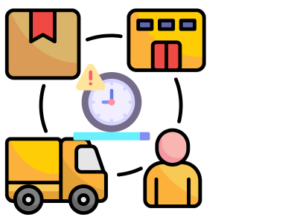
Running a restaurant is like overseeing an orchestra: every player—your staff, your ingredients, your suppliers—needs to perform perfectly in sync. But let’s face it, even the best conductors deal with hiccups. One of the most overlooked threats to running a smooth kitchen is hidden delays in the supply chain. These subtle disruptions, if left unchecked, can lead to stress, waste, and unhappy diners. So, how do you identify and tackle these invisible time-eaters for a restaurant? Let’s dive in!
What Are Supply Chain Delays, and Why Do They Matter?
Supply chain delays aren’t always obvious. They may not look like the delivery truck that’s two hours late; instead, they could be slow communication with suppliers, incomplete orders, or inconsistent delivery times. Even seemingly tiny delays add up over time, creating a ripple effect. Suddenly, your team has less prep time, menu items are unavailable, and you’re forced to apologize to disappointed customers. Ouch!
Simply put, inefficiencies in your supply chain steal precious minutes and dollars from your business, making it harder to hit peak performance.
The Sneaky Culprits Behind Delays
When you look closer, some common hidden delays include:
Last-Minute Changes: Suppliers might abruptly alter delivery schedules or stock availability, throwing your plans into disarray.
Unclear Order Specifications: If your team isn’t crystal clear on what they need, miscommunication can lead to incorrect or incomplete deliveries.
Inefficient Ordering Systems: Are you still using spreadsheets, phone calls, or word-of-mouth? Manual processes are prime suspects in slowing things down.
Vendor Overload: Juggling too many suppliers? More players in the chain often mean higher chances for things to go wrong.
These seemingly minor issues, when compounded, result in your kitchen falling behind schedule—something no restaurateur wants to deal with during a busy evening rush.
How to Spot These Supply Chain Gremlins
So, how can you be a detective and uncover these hidden delays? Start by tracking the journey of your typical orders:
Document Delivery Times: Log when orders are placed vs. when they arrive. Are there consistent gaps or unpredictable timelines?
Analyze Communication Patterns: Are misunderstandings between your staff and suppliers a recurring theme? Clear communication often solves problems before they start.
Look for Bottlenecks: Are specific vendors consistently late? Do specific products or items always seem to cause hiccups in the process?
Pro Tips for Tackling Delays
Once you’ve identified the problem areas, it’s time for action! Here are some tried-and-true tips:
Build Strong Relationships: Treat suppliers like partners. Better relationships lead to more reliable service.
Be Proactive: Anticipate potential disruptions and create contingency plans. If a specific item is unavailable, can you swap in an alternative on your menu?
Invest in Technology: Tools like restaurant management software can automate ordering, track shipments, and even predict stock needs. It’s a small price to pay for a smoother process.
Regularly Review Performance: Check in with your suppliers to ensure everyone’s on the same page. If issues persist, it might be time to explore alternative vendors.
Identifying Bottlenecks in Order Processing and Vendor Management
If you’re a restaurant owner, you know the hustle of keeping your kitchen working like a finely tuned orchestra. While I bet your pasta primavera is flawless, is your order processing and vendor management system hitting the same high note? Let’s dig into how bottlenecks in these areas might be slowing you down and, more importantly, how you can tackle them head-on!
What Are Bottlenecks, and Why Should You Care?
Bottlenecks are those annoying spots where the smooth flow of your purchasing process gets jammed up. Think of it like a traffic jam during rush hour—it slows everything down, making everyone cranky, and your restaurant operations take the hit. These bottlenecks can leave you stranded with delayed orders, ingredients arriving late or spoiled, and even unhappy vendors.
Common Causes of Bottlenecks in Order Processing
Here’s where things can go wrong:
Unclear Order Requests: Sending vague or inconsistent orders to your suppliers can lead to delays. If your vendor isn’t entirely sure what you need, how can they get it right?
Manual Processes: Still jotting long lists on paper or juggling spreadsheets? Manual tracking is time-consuming and prone to errors—both of which can slow you down.
Late Vendor Responses: Waiting on vendors to confirm or deliver? Every unreturned email or extended phone tag session eats up precious time.
Vendor Management: The Unsung Hero of Your Supply Chain
Working with vendors can sometimes feel like managing a relationship—it takes effort, clarity, and communication (minus the flowers…). But when your vendor processes aren’t streamlined, it’s a recipe for disaster. From inconsistent delivery schedules to disagreements over payment terms, mismanagement here often leads to frustrating delays.
Steps to Identify and Fix Bottlenecks
Luckily, spotting bottlenecks doesn’t require a magnifying glass. Here are some practical tips to get you started:
Audit Your Current Process: Start by mapping out how your orders flow, from placing an order to receiving goods. Identify where delays most commonly occur. Do approvals take too long? Are there too many steps?
Standardize Your Orders: Create clear templates or digital forms for recurring orders. Include specifics like quantities, brands, delivery dates, and any unique requirements. This removes ambiguity for your vendors.
Evaluate Vendor Performance: Regularly review which suppliers are reliable and which aren’t. Late deliveries or inconsistent quality? It might be time to explore alternative options or negotiate stricter terms.
Get Digital: Invest in a purchasing software tailored for restaurants. Automating order placements or vendor communication consolidates processes, saving time and reducing human error.
Setting Up Smooth Communication Channels with Suppliers
When it comes to running a restaurant, your suppliers are more than just a contact list — they are your lifeline. A seamless communication channel can make a world of difference in how efficiently your purchasing cycle operates. So, let’s explore how you can set up smooth and efficient communication with your suppliers to ensure consistent operations and fewer headaches.
Why Communication With Suppliers Often Breaks Down
Breakdowns in communication often stem from common culprits: unclear expectations, delays in responding to inquiries, or even relying on outdated methods like constant phone calls or manual spreadsheets. These inefficiencies create ripple effects, leading to delayed orders, missed deliveries, or mismatched expectations. That’s why building a proactive and dependable communication structure is critical for both you and your suppliers.
Tips for Establishing Smooth Supplier Communication
If you want a solid partnership with your suppliers, here are steps to help maintain clarity and efficiency:
Be Transparent About Your Needs: Set clear expectations from the start. Whether it’s the exact weight of seafood or specific packaging for fresh produce, describe everything in detail so there’s no room for misinterpretation.
Define Order Schedules: An agreed-upon timeline for placing and receiving orders eliminates confusion. For example, consistently submitting orders for fresh produce by a set time each week keeps things predictable.
Document Agreements: Keep track of all agreements — order quantities, delivery schedules, and prices — in a written format. Digital tools or shared spreadsheets can act as a reference point for both parties.
Centralize Communications: Avoid juggling multiple apps or communication methods. Try to centralize order-related communication through email, a supplier portal, or apps like Slack or WhatsApp.
Building Strong Relationships for Long-Term Success
Business isn’t just about transactions; relationships matter too. Cultivating a collaborative partnership with suppliers can go a long way in ensuring smoother processes. Here’s how to foster goodwill:
Be Responsive: Suppliers often operate on tight schedules too. A quick response to their questions or updates can keep everything on track.
Provide Feedback: Good communication is a two-way street. If an issue arises with an order, calmly explain the problem so the supplier is aware and can address it in the future.
Respect Their Business: Just like your restaurant, they face their own challenges. Being empathetic and collaborative creates mutual respect, paving the way for preferential treatment during crunch times.
Leveraging Technology to Strengthen Communication
One of the best ways to simplify communication is to integrate digital solutions. Tools like supplier management software or dedicated order platforms can help streamline processes and reduce the likelihood of missed messages or errors. These tools often come with features like:
Automated reminders for order deadlines.
Real-time updates on order status.
Centralized document storage for invoices and agreements.
Give these tools a try. They make it much easier to track orders, share updates, and ensure everyone is on the same page, especially during peak business hours when time is of the essence.
Smart Stockkeeping: Balancing Inventory Without Overloading Costs
Let’s face it—running restaurant inventory can feel like walking a tightrope. On one side, you can’t afford to run out of ingredients, leading to frustrated chefs and customers. On the other, overstocking is like watching money sit idly on shelves (and worse, sometimes spoil). The secret to smart stockkeeping lies in finding that sweet spot where you consistently have what you need without overloading costs. Sounds tricky? It doesn’t have to be! Let’s work through it step by step.
Why Proper Stockkeeping Matters
Efficient inventory management does more than just keep your kitchen humming—it directly impacts your profitability. Overbuying adds unnecessary overhead costs, takes up valuable storage space, and increases the risk of spoilage. Underbuying, however, can lead to unsatisfied guests, rushed reordering, and sometimes higher prices. Balance is key, and smart stockkeeping is how you achieve it.
Evaluate Your Current Inventory Practices
Start with an honest evaluation of your current practices:
Do you know how much of each item you use weekly?
Are you stocking based on actual demand, or are you guessing?
How often do you find waste in your storage area?
If you’re unsure about the answers, it’s time to dig deeper into your ordering patterns and analyze your usage rates over time. Sometimes, simple tweaks based on real data can yield big results.
The Power of Par Levels
One proven way to keep inventory in check is by establishing par levels. These are the baseline quantities of items you need to have on hand at any given time. For example, if you know your kitchen burns through 50 pounds of potatoes in a week, your par level might be 60 pounds to ensure no hiccups. When inventory dips below that par level, it’s time to reorder. Par levels keep you prepared while discouraging overstocking—and they’re easier to set up than you think!
First In, First Out (FIFO): A Golden Rule
If there’s one rule every restaurant owner should live by, it’s FIFO: First In, First Out. When new inventory arrives, make sure older items are used first. This simple method reduces spoilage and waste. Organize your storage spaces strategically so fresher ingredients don’t get buried at the back. Small adjustments like these can prevent expensive waste and save a fortune in the long run.
Batching and Portion Control for Accuracy
Beyond stocking smartly, it’s also crucial to monitor how ingredients are used. Implement batch cooking techniques for popular menu items and use precise portioning tools to control serving sizes. Not only will this prevent overuse of ingredients, but it ensures consistency in every dish served—which your customers (and bottom line) will thank you for.
Quick Tips to Simplify Inventory Management
Looking to level up your stockkeeping game without breaking a sweat? Here are a few quick tips:
Schedule regular inventory checks, and train staff to maintain records accurately.
Use clear labels for storage, including purchase dates, so you’re always organized.
Partner with suppliers who offer consistent quality and timely deliveries to avoid stockouts.
Track seasonal trends that may impact ingredient usage, like an uptick in salad orders during the summer.
Using Data Insights for Predicting Demand and Reducing Waste
As a restaurant owner, you’ve likely faced nights where your kitchen runs out of popular dishes or, worse, ends up tossing unused ingredients. Balancing just the right amount of stock can feel like walking a tightrope. The key to tipping that balance in your favor? Using data insights to predict demand and reduce waste.
Why Data Insights Are Your Secret Weapon
Gone are the days when running a restaurant was only about watching customer trends from behind the counter. While gut instinct has its place, data gives you a clearer, more reliable picture of what your business needs. Think of it as having a crystal ball for your inventory.
Every transaction, menu choice, and customer interaction generates valuable information. When analyzed correctly, this data allows you to:
Predict trends: Understand which dishes are likely to swoop in as menu favorites on specific days or during particular seasons.
Minimize over-ordering: Stock just enough without making your pantry burst at the seams.
Cut food waste: Avoid watching hard-earned profits end up in the trash.
How to Get Started with Data Analysis
If the term “data insights” sounds intimidating, don’t worry–you don’t need to be a tech expert to get started. Here’s a simple plan to help you integrate data-based decision-making into your daily operations:
Track purchase and usage patterns: Start with the basics. Use spreadsheets or point-of-sale (POS) system reports to analyze what ingredients you consistently use and how frequently orders spike or dip.
Consider seasonality: Look back at past months or years to find seasonal demand shifts. For instance, hearty soups might soar in winter, while salads take center stage in summer.
Layer in external factors: Keep an eye on local events, holidays, and even weather forecasts, as they can dramatically impact foot traffic and customer preferences (think ice cream sales during a heatwave!).
Leverage Tech Tools for an Easier Workflow
You’re not alone in this data journey. A variety of smart software solutions are at your disposal to automate and simplify the process:
POS systems with analytics: Modern POS platforms like Shopify & POSApt don’t just help you take orders, they provide detailed reports about sales trends, item-level popularity, and peak dining hours.
Inventory management software: Automate inventory tracking to sync your stock levels with sales, preventing both overstocking and last-minute shortages.
AI-powered demand forecasting tools: These advanced tools harness machine learning to identify patterns and help you stay one step ahead.
The Benefits You’ll See in Your Day-to-Day
With data guiding your purchasing decisions, you’ll notice some transformative changes. Imagine never scrambling for last-minute ingredient orders again or confidently experimenting with new dishes, knowing what your customers crave. Not only will your kitchen run more efficiently, but you’ll also see the financial benefits of tighter cost control and reduced waste.
Implementing Digital Tools for Streamlined Order Tracking
Let’s face it—running a restaurant is no easy feat! Between juggling menus, ensuring customer satisfaction, and managing staff, there’s little room for inefficiencies in your daily operations. One area where you can truly boost productivity and save precious time is optimizing your order tracking processes. That’s where digital tools come to the rescue! By leveraging modern technology, you can bring order to the chaos and create a streamlined system that keeps everything running smoothly.
Why Digital Tools Are Game-Changers
Forget paper invoices and chasing vendors for updates about deliveries! Digital tools offer intuitive and efficient ways to keep track of your orders with just a few clicks. Imagine knowing exactly where your supplies are, which orders are pending, and what’s already on its way—complete transparency, right at your fingertips. This level of control reduces the guesswork and minimizes costly mistakes like missed deliveries or double orders.
Features to Look For in an Order-Tracking Tool
Not all tools are created equal, so it’s important to choose the right one for your restaurant. Keep an eye out for features that align with your specific needs. Here are some must-haves:
Real-Time Updates: Track order statuses live so you know exactly when to expect supplies.
Integration Capabilities: The tool should sync with other software, such as your inventory or POS system, for a seamless experience. A unified restaurant ordering system that connects supplier orders with your POS and inventory ensures data flows smoothly across all operations.
Custom Alerts: Get notified about delivery delays, order confirmations, or stock shortages so you can act quickly.
Vendor Communication: Chat or email vendors directly within the app to keep all correspondence centralized.
Benefits You’ll Reap
So, what’s in it for you? Besides saving time (a hot commodity for any restaurant owner), digital tools provide additional benefits that ripple across different aspects of your business:
Improved Accuracy: Digital records eliminate errors caused by manual data entry.
Enhanced Vendor Relationships: Reliable tracking improves communication and trust with your suppliers.
Reduced Stress: With everything organized, you can focus on what you do best—creating memorable dining experiences for your customers!
Cost Savings: By avoiding duplicate orders or missed supplies, these tools even help protect your bottom line.
Easy Tips to Get Started
Jumping into the digital world can feel a bit overwhelming, but don’t worry—we’ve got you covered with a few simple steps:
Start Small: Choose an easy-to-use tool for one area, like order tracking, before expanding to additional features.
Train Your Team: Make sure all relevant employees are comfortable using the new tool to avoid hiccups during implementation.
Seek Support: Many software providers offer customer support or tutorials to help you hit the ground running.
In the hustle and bustle of the restaurant world, digital tools are no longer optional—they’re essential allies in your quest for efficiency. By streamlining order tracking, you’ll free yourself from the headaches of old-school methods and create a system that sets your business up for success. Ready to give it a try? Your future, stress-free self will thank you!
Real-World Strategies Adopted by Leading Restaurants to Gain Time Efficiency
When it comes to running a successful restaurant, time is just as critical as the quality of your food. Leading restaurants have mastered the art of saving precious minutes by implementing innovative, real-life strategies for optimizing the purchasing cycle. These aren’t far-fetched ideas — they’re practical methods that you, too, can integrate into your workflow.
1. Build Long-Term Relationships With Trusted Suppliers
Top-performing restaurants know the value of fostering strong partnerships with reliable suppliers. Instead of scrambling for new vendors each time supplies are low, focus on forming solid, long-term relationships. Trusted suppliers tend to offer quicker turnaround times, preferred pricing, and even priority during supply shortages. It’s like having a VIP pass to consistent, quality resources.
Pro Tip: Have monthly check-ins with your key suppliers to share forecasts on your needs. This way, they can plan ahead, and you’re less likely to face delays.
2. Pre-Schedule Recurring Orders
One genius strategy adopted by many successful restaurants is automating repeat orders for staple items. For example, if you consistently go through large quantities of fresh produce or proteins, schedule recurring deliveries. This reduces the time spent on repetitive purchase orders and ensures you’re never out of stock on essentials.
How to implement this? Talk to your suppliers about standing orders and use a digital inventory system to track what can be pre-scheduled. Technology makes it easy, and it’s one less thing to worry about.
3. Consolidate Vendors to Reduce Complexity
Handling orders from multiple vendors can create chaos and slow down your purchasing cycle significantly. By consolidating your suppliers — where possible — you’re reducing the number of orders, deliveries, and invoices to manage. This not only streamlines your workflow but makes reconciling purchases much faster.
Find vendors offering comprehensive product ranges so you can source multiple items from the same place.
Work toward building contracts with a few dependable suppliers rather than juggling many smaller ones.
Imagine checking off three needs from one supplier instead of coordinating with three different companies — now that’s smart efficiency!
4. Leverage the Power of “Dock-to-Stock” Systems
Many high-efficiency restaurants are turning to innovative dock-to-stock practices. This strategy minimizes the time supplies spend sitting around. With proper documentation and trusted suppliers, staff can bypass detailed quality inspections for items that meet regular, agreed-upon standards. Goods are immediately restocked and ready for use.
Here’s a quick warning: Only use this method with suppliers who’ve consistently demonstrated high-quality deliveries.
5. Train Your Staff to Be Purchasing Experts
The importance of your team in speeding up the purchasing cycle cannot be overlooked. Successful restaurants invest in training their employees on purchasing best practices. When your chefs, managers, or procurement team understand the nuances of ordering effectively, you cut back on back-and-forth communications and missteps.
Teach your team the art of anticipating inventory gaps based on past demand patterns and seasonal trends. Empower them to act quickly and confidently when placing orders.
6. Prioritize Continuous Improvement and Feedback Loops
The most time-efficient restaurants don’t stop at implementing strategies; they continuously evaluate them. They actively solicit feedback from staff, suppliers, and even customers to detect inefficiencies in the system and improve further. This adaptability helps ensure that no outdated processes slow them down. Create a schedule to review your purchasing workflows every quarter, and don’t hesitate to adjust strategies that no longer serve your goals.
Logistics in 2025 is more complex than it used to be. Costs are rising, compliance rules are tightening, and supply chains are constantly shifting. At the same time, customers expect faster, more predictable deliveries. Technology has made tracking easier, but it’s also raised expectations.
For small to mid-sized businesses and startups, choosing the right logistics partner can make the difference between steady growth and constant setbacks. The wrong choice means late deliveries, unexpected costs, and unhappy clients. Price will always matter, but it can’t be the only factor.
This guide outlines the practical steps to evaluate providers and avoid common mistakes.
1. Define your logistics needs before vetting providers
The first step is clarifying your own requirements. If you don’t, providers will set the terms for you, and you may end up paying for services you don’t actually need. Having clear expectations helps you compare offers fairly.
What does your business really need from a provider?
List your shipment frequency, volumes, and destinations. Note when volumes fluctuate, like holiday seasons or product launches.
Factor in your budget, but also mark where you’re willing to spend more for reliability or speed. A detailed picture of your needs makes it easier to see which providers align with your priorities.
Credentials that prove a provider can deliver
Any provider under consideration should be able to demonstrate proper licensing, insurance, and regulatory compliance.
Their financial stability matters too; if they’re struggling, service quality could suffer. Ask for safety records and check whether they’ve had serious incidents. Credentials and financial health form the foundation of reliability.
Any provider under consideration should be able to demonstrate proper licensing, insurance, and regulatory compliance. Safety standards such as Process Safety Management (PSM) are particularly important in industries handling hazardous goods.
Experience that matches your industry and routes
Look at whether the provider has worked with freight similar to yours. Shipping fragile items is very different from moving bulk goods. If your cargo needs special handling, the provider should have both trained drivers and the right equipment. Routes matter as well. Experience with your shipping corridors reduces delays and risks.
Affiliations and backup capacity matter too
Membership in professional associations shows commitment to standards. Relationships with customs brokers or international partners make cross-border shipping smoother.
Backup capacity is also important. If a truck breaks down or demand spikes, a strong carrier network prevents disruption. These details reveal how resilient a provider really is.
2. Look at technology, performance, and day-to-day operations
Today, logistics depends as much on technology as it does on trucks and warehouses. Businesses need visibility, integration, and clear reporting to stay on top of their supply chains.
The best providers apply systems and insights that speed up work and smooth out operations. It’s the classic hard work vs smart work debate applied to logistics. For flexible short-term capacity, consider a Box Trailer Rental to handle peak loads or special shipments. Technology should multiply efficiency, not add complexity.
Technology that works with your business
Look for real-time shipment tracking, mobile apps, and systems that integrate smoothly with your existing tools. These features give you visibility and control without adding extra manual work. Fleet management platforms like Fleetio serve as a good benchmark for what modern logistics technology can achieve. Beyond tracking gas use when integrated with thebest fuel cards for small business and scheduling inspections, they make it easier to maintain vehicle undercarriages, monitor wear and tear, and predict when maintenance is due. That level of detail prevents costly breakdowns, keeps fleets compliant, and extends the life of equipment.
A logistics provider should offer dashboards that show where shipments are, alerts for delays, and data you can actually use to improve operations. Technology should not only track loads, it should also give you insights that cut downtime, improve performance, and help you plan ahead.
Holding providers accountable with metrics
Too often, logistics providers talk about “industry-leading performance” without showing the numbers to prove it. To cut through the noise, ask for data in these areas:
On-time delivery rates: Look at trends over the past 12–24 months, not just a single snapshot. Consistency matters more than one high figure.
Damage and claims history: How often shipments are lost or damaged tells you a lot about handling quality.
Peak-season performance: Holiday periods and unexpected demand spikes reveal how well they adapt under pressure.
Capacity flexibility: Can they scale up trucks, drivers, or warehousing when needed, or do they rely on rigid limits?
Resolution times: If something goes wrong, how quickly do they close claims or handle service failures?
Peak-season performance: Holiday periods and unexpected demand spikes reveal how well they adapt under pressure. Some of the smart ways businesses handle seasonal demand include flexible staffing, scalable fleets, and predictive planning—your logistics partner should offer similar strategies.
Request actual reports or dashboards, not just marketing summaries. Providers that share hard data demonstrate transparency and give you the tools to hold them accountable over time.
Operational capabilities you can rely on
A provider’s operations should tell you whether they can meet your needs today and grow with you tomorrow.
Start by looking at the size and mix of their fleet. A small operation might be fine for regional deliveries, but if you need refrigerated trucks, flatbeds, or lift-gates, you’ll want a provider with specialized equipment already in place.
Geographic reach is another make-or-break factor. Some carriers focus tightly on one region, which works if your business is local. But if expansion is on the horizon, you’ll need a network that stretches into new states or even across borders.
Technology plays a role here, too. Route optimization tools can cut fuel costs and shave hours off delivery times. If a provider still relies on manual planning, delays and inefficiencies are more likely.
For international shipping, check their customs and compliance expertise. Even one misstep at the border can add unexpected costs and delays.
High-value shipments may require white glove delivery, while food products need temperature-controlled trucks. Hazardous goods require specialized handling and compliance measures. The ability to offer these services and adjust when your needs change is a sign of flexibility.
And finally, think about scalability. If your shipping volume doubles in the next 12 months, will they be able to handle it, or will you end up searching for a new partner again?
In 2025, data privacy and compliance have become more complex and critical than ever. Businesses face a rapidly evolving global regulatory environment that demands constant attention. Concurrently, consumers expect greater security and transparency than ever before.
Emerging technologies, such as AI, are reshaping data use and making compliance essential not only legally but also for trust and integrity especially in remote work. Data privacy demands company-wide collaboration, with proactive compliance, training, and ethical practices mitigating risks and driving competitive advantage.
In this article, we will provide essential insights into the data privacy and compliance challenges and opportunities that businesses face in 2025.
The Evolving Regulatory Landscape
Beyond frameworks like the General Data Protection Regulation (GDPR) and the California Consumer Privacy Act (CCPA), privacy regulations continue to evolve globally. New laws are emerging across the Americas, Asia, the Middle East, and Africa, each with distinct compliance requirements. These changes create challenges and opportunities, which require adaptive strategies and constant monitoring.
Companies must balance efficiency with stricter standards, especially as regulators target AI, biometrics, and cross-border data. Proactive planning is essential to maintain trust.
Statista reports that by 2024, nearly 75% of the global population was protected under modern data privacy regulations. This figure marks a notable rise from the 65% that was forecasted for 2023. In comparison, only 10% of people worldwide had privacy protection under modern laws in 2020. It highlights the rapid regulatory expansion.
Lessons from High-Profile Legal Cases
The risks of non-compliance have become evident through costly real-world legal actions. Companies like Equifax, British Airways, and Marriott have faced lawsuits and hefty fines for mishandling sensitive information. These cases illustrate that mishandling data can have severe consequences.
A particularly instructive example is the Instagram lawsuit brought by the state of Illinois, as reported by TruLaw. The platform faced a $68.5 million class-action settlement for violating the state’s Biometric Information Privacy Act (BIPA).
The Instagram legal action highlights the improper use of facial recognition without consent, violating key privacy laws. Such cases show how non-compliance can lead to heavy fines, regulatory scrutiny, and reputational damage, while proactive compliance safeguards trust and credibility.
Building a Culture of Data Responsibility
In 2025, compliance goes beyond checking boxes and requires a company-wide culture of data responsibility.
All employees, regardless of their position, have a responsibility to protect sensitive data. Effective data compliance hinges on embedding accountability at every organizational level, ensuring that privacy principles guide daily operations and decision-making processes.
Through training, clear communication, and strong leadership, businesses embed ethical practices, strengthening compliance while building lasting trust with customers and stakeholders.
Embedding a visible consent experience, often delivered through a cookie banner for WordPress, is one of the simplest ways to make that culture visible to every site visitor.
According to a Deloitte survey, nine in ten people believe they should have the right to view and delete collected data. Also, 90% feel technology companies must do more to protect it. Meanwhile, 84% expect stronger government regulation of corporate data practices. These figures underscore the powerful demand for transparency and control.
Leveraging Technology for Compliance
Advanced tools like AI-driven monitoring, automated risk assessments, and real-time compliance dashboards help businesses keep pace with evolving cybersecurity. Encryption, cloud security, and identity management platforms further protect sensitive data while supporting efficient operations.
By leveraging these technologies, organizations reduce human error, detect breaches quickly, and streamline regulatory reporting processes effectively.
For companies without extensive in-house IT resources, managed IT services for small businesses can help maintain these technologies while supporting security and compliance requirements.
Mordor Intelligence reported that the compliance automation tools market is projected to reach $36.22 billion in 2025. It is expected to grow to $65.77 billion by 2030. This represents a CAGR of 12.67% during the 2025–2030 forecast period. It highlights the growing investment in compliance technology.
Preparing for Future Challenges
Growing reliance on AI, IoT, and cross-border data sharing introduces new compliance challenges, while cyber threats become more sophisticated. Companies must adopt forward-looking strategies, which include scenario planning, continuous monitoring, and adaptive technology investments.
Building resilience today ensures long-term sustainability and prepares organizations for tomorrow’s unpredictable regulatory and technological environment.
McKinsey reported that one-third of organizations already use generative AI services in at least one function. It includes data protection and represents 60% of companies that have adopted AI. Also, 40% of organizations plan to increase AI investments because of generative AI. Meanwhile, 28% report that generative AI is already on their board’s agenda, which highlights emerging compliance and privacy challenges.
Frequently Asked Questions
1. What industries are most vulnerable to data privacy risks right now?
Industries managing large volumes of sensitive data are particularly vulnerable to privacy risks. Healthcare faces threats from medical record breaches, while finance remains a key target for fraud. Retail, e-commerce, and technology companies confront risks from payment data, AI, biometrics, and cross-border data transfers.
2. How can businesses reassure customers about data security?
Businesses can reassure customers about data security by being transparent in their data practices and complying with global regulations. To bolster security, businesses are adopting sophisticated measures like multi-factor authentication and encryption. Regular audits, certifications, and clear privacy communication further build trust and demonstrate responsible data handling.
3. What’s the recommended frequency for a business to review and update its privacy policy in 2025?
Businesses should update their privacy policies at least annually or when regulations, technologies, or data practices change. This ensures continued compliance and transparency. Regular updates also demonstrate to customers that their data protection is a priority, and working with a reliable data protection company can help maintain these standards in an evolving digital landscape.
Turning Compliance into Competitive Advantage
Data privacy and compliance in 2025 go far beyond mere regulatory obligations. They are essential for building trust, ensuring accountability, and achieving sustainable growth. The severe financial and reputational consequences of violating data privacy laws are clearly illustrated by a number of well-known legal proceedings.
Forward-looking organizations can turn compliance into a strategic advantage. As regulations tighten and consumer expectations rise, companies treating privacy as a core value will emerge as digital economy leaders.
In a digital workspace, team members use different online tools to enhance productivity and output quality. For instance, the sales and marketing teams work in CRMs like HubSpot, the project managers use tools like Asana or Trello, and most teams store and manage documents in Google Drive.
As teams use these online tools, massive amounts of data points are generated. Data points that AI can use effectively to further enhance productivity and output quality.
Question is: How do you ensure that digital workplace mistakes do not poison the process of collecting, cleaning, storing, and feeding the data to AI models? Let’s find out!
Digital WorkPlace Mistakes that Poison AI Data Pipelines (Including Fixes)
Yes, there are several digital workspace mistakes that occur in various departments. For this piece, we’ll focus on those that specifically affect AI data pipelines.
AI data pipelines define how data is collected, cleaned, transformed, stored, and fed into a specific AI model. If you let these mistakes get in the way, you’ll end up with an AI model that yields biased results, memorizes data, or one that does not improve over time.
Here are the digital workplace mistakes that poison AI data pipelines and how to fix them fast:
Skipping metadata and context
Before an AI model becomes useful or “intelligent,” it needs access to well-structured, consistent, clean, and meaningful data. And, metadata and context is what adds meaning to data.
Metadata is simply a description of the data within a specific dataset. Such descriptions include the date the data was collected, who entered the data, and what system generated it.
Context, on the other hand, clarifies the meaning of the information or data. For instance, if you are working with numbers, what do they present? You should be specific with the meaning of the numbers. Do they present sales revenue, customer satisfaction scores, product quantity, or what?
Without metadata and context, an AI model generates faulty insights, makes poor decisions, and makes misleading predictions. So, ensure your AI data pipelines have a metadata and context layer, especially when you are using web scraping tools like a Browser API to scale web data collection. At scale, many target sites implement protective measures like Cloudflare, which can block scraping attempts; therefore, understanding how to bypass Cloudflare in a reliable and ethical way is essential for maintaining consistent data flow into your AI pipelines.
Over-reliance on manual entry
Even though digital workspace data comes from separate online tools, manually entering it into an AI data pipeline slows down operations. This is because people tend to get distracted or tired. Some interpret instructions incorrectly or differently.
When you are working with a small dataset, manual entry is manageable. But as more data comes in, you’ll need to hire more data entry labor. The more you hire, the more the common mistakes, including missing fields, misspelled names, wrong numbers, and more.
If you do decide to rely on manual entry, ensure you have someone tracking input quality. Also, start working on automating data entry so that when more data starts flowing in, you don’t worry much about data quality.
AI does not thrive on inconsistent or messy data. Plus, the more you automate data entry or integrate tools with AI models, the more teams get to focus on high-value tasks, especially when you add data quality tools to keep inputs accurate, consistent, and reliable.
Week access controls and security systems
While processing digital workspace data and feeding it into AI models for insights is beneficial, not securing the data flow from the workspace apps or databases to an AI model is disastrous.
If anyone can access the data while it is flowing, there is a chance that someone may poison the data without a trace. In short, when there are no access control structures in place, you can’t tell who did what to the data while in storage or transit.
Apart from access control, not securing the data increases the risk of a data breach. You expose your business to reputation damage, financial losses, and compliance issues.
So, ensure all AI data pipelines are linked to reliable access control and security systems. Use attribute-based access controls (ABAC) or role-based access controls (RBAC) to give employees access to the tools and data they truly need.
Add effective authentication methods and encryption systems, too. For teams that ship code as part of those pipelines, a SAST scan wired into the same controls catches vulnerable commits before they ever reach a model, which keeps the AI’s training and inference inputs from carrying known flaws forward. Whether in storage or transit, data should be encrypted. Also, log user activity and regularly review and update user permissions as roles change. This way, you can tell who made certain changes to data at a specific period.
No clear data ownership and feedback loop
AI data pipelines feed from multiple departments including operations, finance, HR, and sales. If no one oversees the quality of the data coming from these departments, errors slip through unnoticed. Over time, the errors accumulate, leading to poor AI output.
Sometimes, an employee may notice an issue or error in the data pipeline. But if there is no clear process on how to report the findings, the employee may decide to ignore the error. The issue or error just keeps circulating in the pipeline.
Once you have an AI data pipeline in place, have practical data ownership systems and feedback processes in place.
Each department must have someone overseeing data flow to the AI pipeline. They should be responsible for the data’s accuracy, upkeep, and quality.
The data ownership system should also include clearly defined steps on how to address errors within the data pipeline.
For the feedback processes system, ensure there are clearly defined steps on how an employee can report errors without friction. The system should also log the incoming reports in time and trigger notifications to have errors fixed.
Not updating or properly managing legacy systems
While you may be okay with keeping legacy systems in place, note that they are prone to compatibility issues. Most legacy systems were not built with integration in mind. So, they lack APIs for easy data sharing.
Not forgetting, some legacy systems store information in outdated formats or use inconsistent structures. This makes it risky to link them to AI data pipelines because the inconsistency and unsupported data formats lead to clashes between the two systems.
If your business is using legacy systems, only integrate the parts that are compatible with certain AI data pipelines. For the incompatible parts, start updating the legacy code. You can also build APIs for the incompatible parts.
The aim is to reduce friction in your AI data pipelines. You want to ensure that despite your brand running on legacy systems, it still enjoys the benefits of AI systems.
Final Words
Whether you are running a legacy or modern system, integrating either with AI data pipelines requires that you avoid these five mistakes. If you ignore these mistakes, the AI model feeding from the pipeline will generate misleading predictions or insights, negatively impacting business growth or reputation.
Hello, restaurant enthusiasts! Let’s dive into a topic that might not sound as exciting as a sizzling steak, but trust me, it’s crucial to your restaurant’ssuccess: inventory variance. In simple terms, inventory variance is the difference between the inventory you record and the actual stock on hand. Noticed the liquor bottles disappearing faster than the receipts suggest? That’s an example of inventory variance.
Why does this matter so much? Well, in the fast-paced world of restaurants, every penny counts. Your food and beverage inventory are among your highest costs, and even small discrepancies can eat away at your profits. So, whether you’re flipping burgers at a trendy diner or running a fine-dining Michelin-starred establishment, understanding these pesky mismatched numbers is the first step to safeguarding your bottom line.
Breaking Down Inventory Variance
Let’s get a bit deeper into exactly what contributes to these discrepancies. Inventory variance usually stems from two key areas:
Theoretical Inventory: This is what your system (or your own calculations) tells you that you should have on hand based on sales, purchases, and recipes. It’s the “perfect world” scenario where every order is perfectly tracked.
Physical Inventory: This is what you actually have, counted during a stock take. This part involves old-fashioned checks by hand – or, if you’re tech-savvy, through digital tools.
The variance is the difference between these two figures – the ideal and the real – and it’s your job to figure out why they don’t match.
Why Does Inventory Variance Happen?
While we won’t dive into all the nitty-gritty causes (spoiler alert: that’s for later sections), here’s a sneak peek: variances can crop up from employee errors, theft, over-portioning, supplier inconsistencies, or even wasteful kitchen practices. Identifying it is step one, addressing it is step two, and preventing it long-term is step three.
The Hidden Value of Tracking Variance
Staying on top of inventory variance isn’t just about avoiding losses – it’s also a valuable chance to streamline your operations. Letting numbers slip through the cracks can lead to over-ordering, unnecessary food waste, and missed opportunities to boost efficiency. Knowledge is power, and having a clear understanding of variance empowers you to make smarter decisions for your restaurant.
Common Causes: Tracing the Source of Discrepancies
Let’s get real for a moment—inventory variance in restaurants can be a total headache! One day your stock levels appear balanced, and the next, there’s a glaring gap between what you think you have and what’s actually there. So, what gives? Pinpointing the source of discrepancies is absolutely critical because solving a problem starts with understanding what’s causing it. Let’s dive into the common culprits, shall we?
1. Human error: The classic culprit
Even in this age of technology, good old-fashioned human mistakes still top the list. From miscounting inventory during stock-takes to inputting incorrect numbers into your system, mistakes happen. Whether someone skips a shelf during the count or enters “100” instead of “10” on a report, small human errors can lead to surprisingly large variances over time.
How to tackle it: Accuracy starts with proper training. Make sure your staff knows how to properly count and record inventory—and encourage them to take their time. Plus, consider introducing checks and balances, like two-person verification systems for key inventory procedures. Teamwork saves the day!
2. Portioning problems: When serving sizes miss the mark
Every dish has a recipe, right? But what happens if your chefs or bar staff aren’t sticking to those exact portion sizes? Over-pouring that glass of wine or tossing in an extra handful of fries might make a customer’s day, but it wreaks havoc on your inventory consistency. Portion inconsistencies are sneakier than they seem and can account for those nagging inventory shortfalls.
How to tackle it: Standardize portion sizes with clear guidelines. Invest in tools like portioning scoops, scales, and measured pours for consistent serving, and educate your staff about staying within the recipes. That way, you’ll control both costs and variance without sacrificing quality.
3. Loss: Theft, spoilage, and waste
Not all inventory variance comes from innocent mistakes. Sometimes the issue is theft—whether it’s a bottle of wine disappearing off the shelf or someone taking home extra meals. On the flip side, spoilage and over-preparation also account for significant losses, especially with perishable ingredients in a fast-paced restaurant environment.
How to tackle it: To combat theft, implement measures like restricting access to high-value inventory and keeping your stock secured. For spoilage, focus on better forecasting and rotating stock using FIFO (First In, First Out) methods. Tracking waste data is also critical—find out what’s being thrown away and adjust your purchasing or production accordingly. Knowledge is power!
4. Supplier inconsistencies
Ever notice that some deliveries fall short of what you ordered? Or maybe they include damaged goods? These supplier-related issues are another sneaky cause of inventory variance, and they can quickly throw your numbers off if not immediately addressed.
How to tackle it: Keep a close eye on incoming deliveries. Implement a practice of checking and counting items as they arrive and comparing against purchase orders. If you spot recurring supplier errors, communicate directly with the vendor—or consider switching to a more reliable one.
5. Poorly managed inventory systems
Sometimes, the tools you use (or neglect to use) are the root of the problem. Relying on outdated spreadsheets or managing stock manually is a risky game that increases the chance of error. Without real-time tracking, discrepancies can pile up unnoticed until it’s too late.
How to tackle it: Upgrade to a modern inventory management system! Tools equipped with real-time tracking, automation, and analytical features minimize manual input errors and give you a clearer snapshot of your inventory.
The Price Tag of Neglect: Financial and Operational Impact of Variance
Let’s talk about the real-world consequences of inventory variance. When restaurant owners throw up their hands and chalk it up to “just the way it is,” they may not fully grasp the financial and operational sinkhole they’re stepping into. Inventory variance isn’t just a minor inconvenience; it’s a silent profit killer—and it can ripple into almost every aspect of your business if left unaddressed.
The Financial Impact: Death by a Thousand Cuts
Think inventory variance is just numbers on a spreadsheet? Think again. When discrepancies pile up over time, they can amount to a serious dent in your bottom line. Here’s how:
Lost Revenue: Missing ingredients mean you can’t serve menu items as planned, leading to lost opportunities for revenue. Imagine a customer craving your signature dish, only to find it’s unavailable. That’s both a lost sale and a disappointed guest who may not return.
Inaccurate Costing: How can you price your dishes effectively if you’re not sure how much ingredients truly cost? Inventory variance makes it nearly impossible to calculate food costs accurately, undermining your ability to remain profitable and competitive.
Wasteful Spending: If stock levels don’t align with reality, you’re likely to order more of what you already have—or worse, miss replenishing what you’re actually low on. Both mistakes result in avoidable expenses, whether it’s from over-purchasing or product shortages forcing you to expedite deliveries (hello, extra shipping fees).
Shrinkage and Theft: While most variance is unintentional, some is deliberate. Poor tracking can open the door for employee theft or misuse, further draining resources.
The Operational Cost: Productivity Takes a Hit
It’s not just your bank account that suffers—inventory variance sneaks into your day-to-day operations, disrupting workflow and morale. Consider this:
Stressful Shifts: Ever watch your kitchen staff scramble because an ingredient unexpectedly ran out? It’s chaotic, and it forces your team to improvise or halt service altogether. Both scenarios create stress and increase the likelihood of errors during service.
Extra Hours: Mismanaged inventory means someone has to spend more time fixing mistakes. Endless recounts, emergency supply runs, and additional audits steal time that could be spent on more productive tasks (or even just resting).
Lack of Trust: Variance issues can erode employee trust. If staff see inconsistent stock levels or frequently experience shortages, they may question leadership’s competence or cut corners—a vicious cycle that worsens the problem.
Why Ignoring Variance is Like Ignoring a Leak
Picture a slow leak in your roof. It might seem manageable at first—until it rots the beams, floods the floors, and leaves you with a repair bill you’d rather not see. Inventory variance is no different. What starts as small discrepancies can spiral into bigger, harder-to-ignore challenges, from rising food costs to frustrated staff and unhappy customers.
Spotting Red Flags: How to Detect Early Signs of Variance
When it comes to managing a restaurant, inventory variance can be one of those sneaky challenges that quietly creeps up on you until it’s causing real trouble. But guess what? If you know how to spot the early warning signs, you can address issues before they spiral out of control. So, let’s break down some telltale signs to watch out for, and how to steer your inventory ship back on course.
Unusual Patterns in Usage Reports
Your inventory usage reports can tell a story—if you know how to read them. One of the easiest ways to detect inventory variance is by looking out for usage patterns that just don’t make sense. For example, let’s say your sales data shows that you sold 100 hamburgers last week, but somehow you’re missing enough beef patties for 120. That’s a red flag right there.
Pro Tip: Make it a habit to reconcile your sales data with inventory usage regularly—weekly checks work wonders. This makes catching discrepancies a part of your routine rather than a once-in-a-while scramble.
Consistent Shortages of High-Cost Items
Are you constantly running out of premium products like cuts of meat, seafood, or specialty alcohol? These high-ticket items are prime suspects when it comes to inventory variance. Whether it’s wastage or shrinkage (a polite way of saying theft), persistent shortages demand closer scrutiny.
What to Do: Use a regular inventory count system for high-value items, keeping accurate records of what’s coming in and going out. The sooner you notice a trend, the quicker you can address its root cause.
Spikes in Food Costs Compared to Sales
Even without diving deep into your stockroom, your profit margins can hold clues to inventory variances. If your food costs are eating up a larger percentage of your revenue than usual—without a corresponding bump in sales—it’s time to dig deeper. Are ingredients being wasted during prep? Is the team over-portioning? Are items mysteriously walking out the door?
Eager to tackle this? Create an escalation plan to identify where the hemming of funds is happening and consider re-training your team on portion control and prep best practices.
Inventory Counts Rarely Match Expectations
Let’s be honest—doing inventory isn’t anyone’s favorite task. But if you notice that your physical counts barely ever match what’s on paper (or in your software), you’ve got a problem that needs immediate attention. Regular discrepancies could point to anything from data entry errors to brewing employee-related issues.
Keep in Mind: Having a system in place that combines manual counting with inventory management tools can reduce human error and immeasurably improve accuracy over time.
Mistakes That Keep Repeating Themselves
A repeated small error is often a clue to bigger underlying issues. Are orders being put in incorrectly? Do deliveries always come up short? Are storage procedures lax, allowing food to spoil or go missing before anyone notices? Repeated patterns like this are telling you something—so listen!
Solution: Train your staff on standardized ordering and storage protocols, and create a checklist to ensure everyone adheres to the process.
Trust Your Gut (and Your Data!)
Aside from visible signs, sometimes it’s your sixth sense that something’s off. If you notice that inventory doesn’t feel as consistent as it should, don’t ignore the hunch. A deep dive into your records might confirm what your instincts are telling you.
The Role of Software: Integrating Solutions to Combat Variance
Let’s be honest, managing inventory in restaurants can feel like juggling flaming torches. From tracking ingredients to ensuring accurate ordering, the task can be overwhelming. And when variances sneak in—those pesky discrepancies between what you expected to have on hand and what’s actually left—it can cost not only money but also time and mental energy. Fortunately, this is where technology steps in as the calm, collected assistant that keeps your operations running smoothly.
The Power of Restaurant-Specific Software
Gone are the days of meticulously counting items with paper and pencil or relying on a gut feeling about why you’re running out of mozzarella so quickly. Today’s restaurant inventory management software does the heavy lifting for you. These tools are designed specifically to track inventory levels, predict orders based on usage patterns, and highlight variances before they spiral out of control. The result? You spend less time stressing over spreadsheets and more time focusing on delivering incredible food and guest experiences.
Wondering what makes software so effective in combating inventory variance? Here are a few capabilities to look for:
Real-Time Tracking: The best platforms offer real-time data insights into stock levels, so you know exactly where your inventory stands at any given moment.
Integration with Sales Systems: By syncing with your POS (point of sale) system, inventory management software can automatically calculate inventory usage based on actual sales.
Variance Reporting: Many tools can highlight variances in a way that’s easy to understand, helping you identify theft, waste, or errors without digging through mountains of data.
Automatic Reordering: Never worry about running out of essential items again! Smart reordering features ensure your shelves stay stocked while minimizing overstocking.
How Software Simplifies Troubleshooting
When variances occur, the right software turns from just a tool into a full-blown detective. Instead of scrambling to figure out whether the shortage was due to human error, supplier mistakes, or unrecorded waste, inventory software gives you the evidence. For example, you might notice a spike in missing beer bottles. With the software’s analytics, you can cross-check sales data and inventory numbers to pinpoint whether these items weren’t recorded in the POS or if spillage during service might be the culprit.
The ROI of Investing in Technology
If you’re worried about the upfront costs of implementing a software solution, let’s flip that thought on its head. Imagine reducing food waste by 15% or bringing variance down to near-zero levels. Over time, these improvements add up to significant savings—dollars that go back into your profit margins instead of vanishing into thin air. Plus, tools that streamline inventory management lighten the workload on your staff, improving efficiency and freeing them to focus on their core tasks.
Tips for Choosing the Right Tool
Before you commit to a platform, do your homework. Here’s what to keep in mind:
Usability: The software should be intuitive and easy for your entire team to learn.
Scalability: Choose a tool that can grow with you, whether you’re managing one restaurant or a multi-location empire.
Customer Support: Look for a provider with stellar customer service to help whenever you’re stuck.
Features That Match Your Needs: Not every restaurant needs every feature. Think about whether you need things like recipe costing, supplier integrations, or theft tracking, and pick accordingly.
Beyond Technology: Building a Strong Culture of Inventory Accountability
While tech solutions are a game-changer for managing inventory variance, not everything boils down to software. The human element is just as vital, if not more so. Building a culture of accountability within your restaurant is the secret sauce that ensures consistent success. Let’s talk about why fostering good habits, communication, and teamwork is just as important as that fancy new inventory app.
The Foundation: Why Culture Matters
Think about it: software can only do what it’s told. It’s the people using it who determine its effectiveness. If your staff isn’t invested in inventory processes or doesn’t fully understand their role, even the best tools will fall short. A strong culture of accountability serves as the foundation for avoiding these pitfalls because it ensures that every employee, from the line cook to the general manager, feels empowered and responsible for protecting the restaurant’s resources. When people care, variance shrinks—simple as that!
Encouraging Ownership Among Your Team
Accountability starts with ownership. Your team needs to feel like they have a stake in the restaurant’s success. Here are some ways to make this happen:
Start with Training: Teach employees why inventory management is essential. Connect it to things they care about—like ensuring premium ingredients are always available or avoiding waste that could impact the menu.
Set Clear Expectations: When protocols are crystal clear, it’s easy to follow them. Develop standard operating procedures (SOPs) and get everyone on board with routines like logging inventory counts accurately and immediately reporting discrepancies.
Incentivize Accuracy: Reward your team for hitting inventory accuracy goals. Whether it’s shout-outs during team meetings, gift cards, or even small bonuses, recognition goes a long way in reinforcing good habits.
Lead by Example
Your leadership sets the tone for the culture. If managers treat inventory audits and checks as optional or last-minute chores, so will employees. But when management takes inventory seriously and visibly follows best practices, it sends a clear message that every ounce of waste matters.
The motto here? “Inspect what you expect.” If you’re regularly engaged in the process and paying attention to how inventory is being handled, your team will naturally rise to meet the standard.
Promote Communication and Collaboration
Mistakes happen—it’s part of the job. What truly matters is creating an environment where team members feel they can speak up about issues without fear of blame. Encourage open dialogue, whether it’s about a suspected theft, ingredient shortages, or miscommunications during shift changes. Teams that communicate well are better equipped to spot and solve inventory issues early on.
Fostering a “Waste Not” Mentality
Another major element is embedding a waste-conscious mindset into the culture of your restaurant. Help employees see waste for what it really is: lost revenue—and often unnecessary loss. Enforce simple habits, like rotating stock properly with FIFO (First In, First Out) principles and keeping a close eye on slow-moving items before they spoil.
Make it fun! Turn waste reduction into a team challenge or goal and celebrate when significant improvements are made. People love being part of something bigger than their individual roles, and focusing on waste reduction makes those wins tangible and meaningful.
Accountability is Ongoing
Cultural change doesn’t happen overnight. Building accountability around inventory management is an ongoing effort, requiring constant attention, positive reinforcement, and mutual trust. The beauty of this approach is that it pays off in more than just variance reduction—teams with strong accountability tend to work more cohesively and feel a greater sense of pride in their daily work. And that’s something technology alone can’t achieve.
Real-Life Insights: Success Stories from Restaurants Tackling Variance
Let’s take an inspiring journey into the world of restaurants that have turned their inventory situations around. Learning from real-life examples makes everything a bit more tangible, doesn’t it? These case studies show that with the right strategies and a bit of persistence, tackling inventory variance isn’t just achievable—it can lead to remarkable improvements in profitability, efficiency, and team morale. Ready? Let’s dive in!
The Tale of the Missing Shrimp: A Family-Owned Bistro’s Turnaround
This family-owned seaside bistro was struggling with consistent inventory discrepancies. The owners noticed that their shrimp supply regularly ran out faster than customer orders could explain. After months of frustration, they decided it was time to get serious about their inventory tracking practices.
They implemented weekly staff meetings to create open communication about inventory procedures. By launching a spot-check protocol on high-value items like shrimp, they discovered that their portion sizes weren’t standardized. Once they addressed this by training kitchen staff and introducing pre-portioned packs, their shrimp losses dropped by 25% in a single month! The owners now proudly share that tightening inventory controls gave them the confidence to experiment with more seafood specials, which boosted sales as well.
From Chaos to Control: A Fast-Food Joint’s Leap into Digital Systems
A busy fast-food restaurant in downtown Chicago was drowning in manual inventory logs. Food discrepancies were rampant, and the employees dreaded the monthly stock count. The owner realized it wasn’t enough to “just get by.” They needed a better system—and fast.
The solution? Adopting an inventory management software. The program integrated directly with their Point-of-Sale (POS) system, automatically updating stock levels in real time as orders were placed. Suddenly, they could see clear trends, like which ingredients were over-ordered or wasted most often.
What changed? Wastage dropped by 30% within two months.
Unexpected benefit: Employees felt less stressed because they weren’t buried in paperwork, allowing them to focus on providing great customer service.
Collaboration is Key: A Fine Dining Spot’s Team-Centered Approach
At a fine dining restaurant in New York, the problem wasn’t theft or waste alone—it was lack of teamwork. Kitchen staff blamed waitstaff for “overordering,” while waitstaff pointed fingers at the bar team for not tracking liquor usage properly. It was a blame game with no winners, but the restaurant’s general manager had a hunch that the solution lay in building a stronger sense of shared responsibility.
The manager organized cross-department training sessions where different teams shared their challenges and learned about how their roles impacted overall inventory management. They also introduced a monthly incentive: If the variance stayed below a threshold, staff would get a shared bonus.
Within months, the blame game dwindled.
Each team started taking ownership of their roles, from bartenders precisely logging pour counts to servers accurately entering customer orders.
Today, the restaurant boasts one of the lowest inventory variances in their region. Their secret? A unified team that sees inventory management as everyone’s responsibility—not just one person’s headache.
Deciding to sell your restaurant can stir up a mix of emotions—it’s not a simple decision. After all, your restaurant is more than just a business; it’s a space where you’ve invested time, energy, and passion. But recognizing when it’s time to step away is absolutely critical—both for your wellbeing and your business. Let’s talk about how to make that call when the time comes.
Your Emotional Readiness Is Just as Important
Beyond practical reasons, it’s important to check in with yourself emotionally. Selling a business is a major life transition, especially if it’s one you’ve built from the ground up. Take some time to reflect. Are you ready to let someone else take the reins? Do you feel at peace with the decision? Or is fear or guilt clouding your judgment? Journaling or even chatting with a trusted friend can help you sort through these emotions.
The Market Matters
Timing is everything, and that includes understanding the market climate. Are restaurants in your area selling quickly, or has the industry hit a slump? Ideally, you’ll want to sell during a strong market, when there’s healthy demand and a good chance of getting a fair price. However, even if the market isn’t perfect, personal timing often takes precedence. If now feels like the right time for you, don’t ignore that instinct.
Plan Before Acting
Once you sense it might be time to sell, don’t rush into putting your restaurant on the market. Use this realization as an opportunity to start actively planning. This might include organizing your financial records, improving any weak areas of the business, or just consulting with professionals like brokers or financial advisors early on.
Setting the Right Asking Price: Beyond the Basics
When it comes to selling your restaurant, setting the right asking price isn’t just about crunching numbers—it’s about finding that sweet spot where what your restaurant is truly worth meets the realistic expectations of potential buyers. In this section, we’ll dive deeper into the factors that matter most for pricing your eatery and how to avoid common pitfalls in the valuation process. Let’s explore how you can confidently set an asking price that’s not only fair but also attractive to buyers.
1. Start with a Professional Valuation
First and foremost, consider hiring a professional to conduct a valuation of your restaurant. Sure, you might have a rough figure in mind based on sales or your own investment over time, but experienced appraisers bring more to the table. They evaluate multiple factors such as your equipment, lease terms, reputation, and even your competitive position in the market. A professional valuation not only justifies your asking price but also shows buyers you’ve done your homework.
2. Understand Financial Performance
Buyers are primarily interested in what your restaurant can make them. Your EBITDA (Earnings Before Interest, Taxes, Depreciation, and Amortization) often serves as a central metric to assess profitability. An industry rule of thumb is that restaurants typically sell for a multiple of their EBITDA—anywhere from 1.5x to 3x, depending on stability, growth potential, and other factors. Review your financial records thoroughly for the past three years, ensuring they are accurate, detailed, and professionally prepared. Good numbers build trust!
3. Factor in Tangible and Intangible Assets
Your restaurant is worth more than its cash flow—it’s also about the assets. Don’t forget to account for tangible items like kitchen equipment, furnishings, and inventory. Want to go even deeper? Assess your intangible assets, which might include branding, goodwill, local community recognition, and any proprietary recipes or processes. These elements often hold hidden value that resonates with certain buyers, especially those looking to skip the startup struggle.
4. Research Your Local Market
The dynamics of the local market can significantly influence what buyers are willing to pay. Research other restaurant sales in your area to understand pricing trends. Compare square footage, location, and the type of dining experience they offer. If your competitors are pricing similarly, buyers will expect you to be competitive as well. Be realistic—an overpriced restaurant will sit on the market far longer than one that’s priced to sell.
5. Consider “Add-Backs”
If you’re unfamiliar with “add-backs,” they’re essentially adjustments to your financial statements that reflect non-recurring expenses or those tied to your ownership. For example, personal expenses like a company car or one-time costs like a renovation can be removed from the expense line to show what the business might earn under new ownership. Highlight these when presenting your price to ensure potential buyers see the full earning potential.
6. Avoid the Overpricing Trap
It’s tempting to aim high and hope for the best, but overpricing your restaurant can scare off serious buyers or signal a lack of understanding of its true value. Instead, focus on presenting a well-reasoned price, supported by data and real-world benchmarks. Remember, a reasonably priced restaurant can attract more offers, potentially leading to better negotiations and a quicker sale.
7. Create Room for Negotiation
While it’s important to set a realistic price, always leave a little room for negotiation. Buyers often expect to negotiate, and leaving some flexibility ensures they feel like they’re walking away with a good deal. Be strategic—know your bottom line but start slightly higher to give yourself that wiggle room.
Creating a Clear Sales Package: More Than Just Numbers
When preparing to sell your restaurant, one of the most important steps is creating a sales package that tells your business’s story—one that’s organized, compelling, and easy for potential buyers to digest. It’s not just about throwing some numbers into a spreadsheet. You’re essentially handing an “everything-you-need-to-know” guide to make your restaurant stand out and entice buyers to take that next step. Let’s break it down!
What Is a Sales Package Anyway?
A sales package is more than just financial data. Think of it as the resume for your restaurant. Does it only focus on numbers? No—it highlights what makes your business tick, what makes it valuable, and why the buyer should take the leap. This document needs to be as convincing as it is thorough. A strong sales package can make the difference between a buyer walking away or making a serious offer.
What Should Your Sales Package Include?
Here’s what to include in your restaurant’s sales package to make it comprehensive and attractive:
Executive Overview: Begin with the big picture. Highlight the concept of your restaurant, its location, what makes it a standout, and include a brief history. Think of this as your “elevator pitch” to grab attention right away.
Financial Information: Buyers will naturally want to know about the financial health of your restaurant. Include details such as:
Profit and loss (P&L) statements (for at least the last 3 years).
Balance sheets.
Tax returns.
Any projections, if available.
These numbers show if the restaurant is consistently profitable and worth the investment!
Operations Information: Outline the daily workings of the restaurant. Include:
Staffing structure (roles and salary ranges).
Vendor and supplier relationships.
Inventory processes.
Operating procedures.
Buyers need to know how they can step into your shoes without the business skipping a beat.
Assets and Equipment: Create an inventory of the equipment that comes with the sale—kitchen equipment, furniture, POS systems, and even décor. This gives buyers a clear understanding of the tangible things they’re paying for.
Lease Details: For most restaurants, the lease is a critical piece of the puzzle. Make sure you include:
Length of lease remaining.
Renewal terms.
Rental escalation clauses or any other relevant conditions.
This helps buyers understand their responsibilities moving forward.
Target Market and Marketing Efforts: Who is your customer base? Share information about your target demographic and any marketing campaigns you’ve executed that brought results.
Growth Opportunities: Outline areas where the new owner could expand or improve. Whether it’s better utilizing delivery services or extending hours, potential buyers want to see the upside potential.
Organization Is Key
Presentation matters. Imagine getting a cluttered, disorganized packet of information—would you feel confident moving forward? Probably not. Your sales package should be well-structured, visually appealing, and easy to navigate. Use clear section headings, bullet points, and charts to make the information digestible. If possible, work with a professional broker or designer to make it shine.
Be Honest Yet Strategic
Full transparency is crucial when preparing your sales package. Buyers will uncover any discrepancies during due diligence, so it’s best to address any challenges upfront. Acknowledge issues like a tougher-than-average market or stiff competition, but also emphasize how the business has overcome obstacles or where the opportunities lie. Being honest builds trust.
Preparing Your Restaurant for Buyer Visits
So, you’ve decided to sell your restaurant, and you’ve found some interested buyers—congratulations! Now comes the crucial step of preparing your restaurant for those all-important buyer visits. First impressions are everything, so this stage can make or break the sale. Let’s dive into how you can present your restaurant in the best light possible and leave buyers envisioning themselves as the next proud owner.
Start with a Deep Clean and Refresh
It goes without saying, but a clean restaurant is a must when inviting potential buyers for a visit. However, this isn’t just about wiping down chairs or sweeping the floor—you’ll need to go above and beyond your usual routine.
Deep clean kitchen appliances, including ovens, grills, and even the unreachable corners.
Ensure the dining area is spotless—polished tables, no scuffs on walls, and clean windows.
Don’t forget the bathrooms! Buyers will assume any laxity here reflects the cleanliness of your entire operation.
Repaint chipped walls or touch up décor to give the restaurant a fresh look without major renovations.
Think of this as giving your restaurant a mini-makeover—it might cost a little time and money, but the payoff will be worth it when buyers are impressed with a well-maintained space.
Organize and Show Off the Back-End
Many buyers are seasoned professionals in the restaurant industry, and they’ll want to look beyond the dining area. They’ll likely ask to see your kitchen, storage areas, and office space, so don’t neglect these behind-the-scenes sections.
Declutter: Remove unnecessary or old equipment, organize storage shelves, and ensure walk-in coolers/freezers are clean and organized.
Ensure Functionality: Buyers will want to see how your kitchen setup flows during service hours. Make sure all equipment is in working order and demonstrate efficiency during their visit, if possible.
Show Documentation:** Have permits, health inspection reports, and maintenance logs readily available. This reinforces confidence that you run a tight ship.
The goal here is to show that all systems are in place, functioning, and more than ready to handle a smooth takeover.
Set the Stage for an Experience
Potential buyers aren’t just looking at numbers; they’re imagining the possibilities. Help them visualize the dream by creating an inviting, bustling atmosphere.
Invite them during operational hours if possible, so they can experience your restaurant while it’s in action.
Ensure your staff is at their best: attentive, friendly, and knowledgeable. Educate them about the potential sale to avoid miscommunication during buyer visits.
If your restaurant has a signature dish or drink, let the buyer sample it—this can be the selling point that wins them over!
Think of this as staging a home. Buyers need to picture themselves taking over the space seamlessly.
Communicate Transparency
Lastly, always be upfront about any areas that might need improvement. Buyers appreciate honesty, and transparency builds trust. If there’s aging equipment, a lease renewal timeline on the horizon, or any challenges with suppliers, address them before the buyer finds out later. Present solutions or recommendations to ease their mind.
Finding the Right Buyer: Where and How
So, you’ve decided to sell your restaurant. Congrats! That’s a huge step in itself. But now, it’s time to focus on one of the most critical pieces of the process: finding the right buyer. You’re not just handing over your keys; you’re entrusting someone else with the heart and soul of something you poured your energy, sweat, and love into. Let’s dive into how to find that “perfect match” who can take your restaurant to the next chapter.
What Does the “Right Buyer” Even Mean?
The “right buyer” isn’t necessarily the person with the deepest pockets. Sure, selling for a good price matters, but this decision is just as much about legacy, commitment, and fit. Are you looking for someone who shares your vision or someone with fresh new ideas? Do you want an experienced operator or a budding entrepreneur with passion? Think about your goals – both financial and emotional.
Where to Start Your Buyer Search
Finding a serious buyer might feel like looking for a needle in a haystack, but don’t worry; you’re not going into this blindly. Here are some prime places to kick off your search:
Industry Brokers: A specialized business broker can connect you with potential buyers already on the hunt for restaurant opportunities. They know the marketplace, the paperwork, and the players. Plus, they save you a ton of time!
Online Business Sale Platforms: Websites like BizBuySell or LoopNet are popular platforms where buyers browse listings for restaurants and other businesses for sale. Make sure your listing stands out with great photos, essential details, and a compelling description.
Local Industry Events: Attend restaurant-focused networking events or industry gatherings. Sometimes, the best buyers are already active in hospitality and are considering expanding.
Your Own Network: Don’t underestimate the power of word-of-mouth. Let your network know you’re selling. A friend, supplier, or loyal customer might know a great candidate or be interested themselves!
Making Your Restaurant Attractive to Buyers
Here’s the thing: it’s not just about finding buyers – it’s about attracting the right ones and keeping them interested. To do that, you’ll need to think like a buyer for a moment. Ask yourself, “What would I want to know about this restaurant?” Here’s what works:
Show Them the Numbers: If someone is serious, they’ll want a clear picture of your financial performance. Get your books in order and be ready to share past profits, costs, and growth potential. Transparency is key.
Highlight the Restaurant’s Strengths: Focus on what makes your space unique. Is it a loyal customer base? A high-traffic location? Stellar online reviews? Showcase the best-selling points!
Be Honest About Challenges: No restaurant is perfect, and buyers know that. Be upfront about what could improve – whether that’s marketing, menu updates, or equipment – so expectations are realistic.
Red Flags to Watch Out For
While you’re busy vetting potential buyers, keep in mind that not every interested party is a great fit. Be cautious about:
Unrealistic Offers: If someone lowballs you beyond reason, they may not understand the business value or could be hinting at future complications.
Lack of Experience or Commitment: Is this buyer really passionate about the restaurant industry, or are they viewing this as a side gig? You want someone excited to give it 100%.
Unwillingness to Share Financing Info: A serious buyer should be prepared to demonstrate how they plan to finance the purchase.
Negotiation Tactics That Work for Restaurant Sales
Congratulations! You’ve made it this far — you’ve set the stage beautifully, found potential buyers, and now you’re at one of the most critical steps: negotiation. This part of the process can make or break the sale, so it’s important to step into discussions with a game plan. Let’s dive into some tried-and-true negotiation strategies that will give you an edge while keeping the relationship with your potential buyer intact.
1. Enter the Negotiation with Clear Priorities
Before you sit down to discuss numbers or conditions, take some time to think about what your top priorities are. Is the total selling price the most important factor, or are you also looking for terms around transitioning or keeping your staff employed? Knowing your “must-haves” versus “nice-to-haves” will save you a lot of stress during the process. Write them down and keep them front and center as discussions unfold.
2. Know Your Value and Defend It with Confidence
Buyers will naturally push to get the best deal possible (wouldn’t we all?), but this doesn’t mean you should doubt the value of your restaurant. Have your research and financial documents ready as proof of your worth. For example:
Show comparisons with similar restaurant sales in your area.
Highlight unique aspects of your restaurant, like location, loyal customer base, or proprietary recipes that make you stand out.
Point to steady revenue growth or cost-cutting strategies you’ve already implemented. Data doesn’t lie!
Being firm but approachable lets buyers know you’re serious without being overbearing.
3. Find Room for Flexibility
While sticking to your core goals is essential, it’s also important to recognize areas where you can yield a little to create a win-win outcome. Maybe you can agree to slightly lower upfront payment if the buyer agrees to an earnout or hire-back agreement. Always consider creative solutions that reduce barriers for both sides while protecting your long-term benefits.
4. Keep the Emotional Factor in Check
Let’s be honest — your restaurant probably feels like your baby. You’ve poured your heart and soul into it, so letting go can stir powerful emotions. However, emotions can cloud judgment during negotiations. Take a step back, breathe, and focus on the facts when discussions get heated. It’s okay to take breaks or even sleep on major decisions if needed.
5. Listen Actively
Negotiations aren’t just about convincing someone to agree with your terms. They’re also about understanding the other side’s needs and concerns. By listening actively, you can identify opportunities for compromise or even uncover ways to sweeten the deal for both parties. Maybe the buyer is nervous about managing staff. Could you offer a short-term training period post-sale to ease their concerns? Listening opens doors to solutions you may not have even considered.
6. Don’t Be Afraid to Walk Away
Not every deal is the right deal, and if a buyer continues pushing you into terms that jeopardize your core goals, it’s okay to walk away. It’s better to hold out for a buyer who values what your restaurant brings to the table than settle for a deal you’ll regret later. Remember, patience often pays off.
Transitioning Ownership Smoothly: A Seller’s Role
So, you’ve found the perfect buyer for your beloved restaurant—congratulations! But wait, you’re not quite done yet. Transitioning ownership is arguably one of the most delicate and crucial phases of selling a restaurant. Get this stage right, and you’ll not only set your buyer up for success but also preserve the legacy and reputation of the business you’ve worked so hard to build. Let’s walk through the essentials for making this transition stress-free and effective for everyone involved.
Be Open, Honest, and Available
It might sound obvious, but ensuring an open and smooth line of communication with the buyer is one of the most important things you can do during this stage. Remember, for the buyer, this is likely both an exciting and overwhelming experience. They’ll look to you for guidance as they navigate their new business venture.
Some ideas to ensure clarity from day one:
Offer a detailed timeline for the transition process, including when you’ll officially step away.
Be honest about any challenges the business has faced. Buyers want transparency, not surprises.
Encourage them to ask lots of questions—and commit to answering promptly and comprehensively.
Document, Document, Document!
One of your biggest responsibilities in this phase is to ensure the buyer has all the documentation they need to run the restaurant effectively. Having an organized arsenal of files not only makes onboarding easier for the buyer but also leaves a professional final impression of you as a seller.
Here are a few key documents you shouldn’t overlook:
An operations manual covering all daily processes, from opening and closing checklists to cleaning routines.
Employee onboarding materials, including training guides and job descriptions.
Vendor and supplier contact lists, along with purchase agreements and payment terms.
Past service records for equipment and warranties for any machinery.
Licensing and permits required for business operations in the area.
Think of this as passing along the keys to the kingdom—both literally and figuratively!
Smooth Handover for Staff and Customers
Beyond paperwork, there’s an emotional and personal aspect to this transition as well. Restaurants are often tight-knit communities, and a shift in ownership can feel unsettling to employees and customers alike. To avoid any unnecessary stress or uncertainty, a gradual and thoughtful handoff is key.
Here’s how you can make it seamless:
Introduce the New Owner: Whether it’s during a team meeting, an informal gathering, or even a customer-facing event, personally introduce the buyer as the new face of the establishment. This builds trust and minimizes speculation.
Stay Involved Temporarily: Agree on a training period where you can mentor the new owner hands-on. Whether it’s a week or a month, this will help ease the buyer into their role while reassuring staff and customers of the transition’s stability.
Emphasize Consistency: Encourage the buyer to maintain some familiarity during the early days, like keeping the same menu and staff, to reassure loyal patrons and employees that the transition is in good hands.
Let’s face it — running a restaurant is like orchestrating a beautiful symphony. Every piece must work in harmony to deliver an incredible experience. But what happens when maintenance issues pop up unexpectedly? Suddenly, that symphony can start to sound more like chaos. That’s why building a robust maintenance schedule is absolutely essential. A proactive approach not only keeps things running smoothly but also saves you from costly breakdowns and last-minute disasters.
Why You Need a Maintenance Schedule
A well-thought-out maintenance schedule ensures you’re always on top of inspections, repairs, and general upkeep. Think of it as your restaurant’s behind-the-scenes insurance policy. Without it, you’re leaving things to chance — and let’s be real, the odds are rarely in your favor when that fridge suddenly breaks down in the dinner rush.
Consistency: Regularly scheduled maintenance keeps your kitchen appliances, furniture, and interior spaces functioning at their best.
Cost-Effectiveness: Addressing smaller issues on a schedule is far more budget-friendly than dealing with major breakdowns.
Improved Safety: A maintained environment safeguards both employees and customers from preventable mishaps.
How to Create an Efficient Maintenance Schedule
Now that we’ve got you convinced, let’s dive into the nitty-gritty of planning. Crafting a stellar maintenance schedule requires some effort upfront, but it pays off tenfold in the long run.
Take Inventory: Start by making a detailed list of all your equipment and facilities. This includes everything from your walk-in fridge to your HVAC system. Don’t forget seemingly small things like chairs, lights, and even plumbing.
Prioritize by Usage: Some equipment gets worked harder than others. Appliances like ovens or grills, which see near-constant use, will require more frequent check-ups than rarely used items.
Set Maintenance Intervals: Every piece of equipment has unique care needs. Use manufacturer recommendations as a baseline, and adjust based on wear and tear in your specific environment.
Assign Roles and Responsibilities: Make sure staff knows who’s responsible for what when it comes to inspections or notifications. This ensures tasks don’t fall through the cracks.
Create a Calendar: Utilize software, spreadsheets, or even an old-school calendar to map out exactly when maintenance will occur. Digital tools with reminder settings can make this even easier.
Execute and Evaluate Regularly
Your maintenance schedule isn’t a set-it-and-forget-it deal. Commit to regularly reviewing what’s working and what isn’t. For instance, if your fryer seems to need repairs more often than expected, it might be time to tweak its frequency on the schedule or reconsider replacing it altogether.
Preventative Care: Saving Costs by Fixing Troubles Early
Running a restaurant is no small feat—it’s an intricate dance of ingredients, customer service, staff schedules, and, yes, maintenance. One often overlooked hero in this dance? Preventative maintenance. Think of it as your secret weapon against unexpected breakdowns and costly repairs. Done right, preventative care can save you both time and money, all while keeping your restaurant humming like a well-oiled machine. Let’s dive into why it’s essential and how you can implement it seamlessly.
Why Preventative Maintenance Matters
The allure of waiting to address equipment issues when they arise can be tempting. But trust us—it’s a bit of a trap. Ignoring signs of wear and tear can spiral into full-on equipment failures, turning minor issues into major financial burdens. For example:
Cost Savings: Regular minor repairs are almost always cheaper than replacing entire pieces of equipment.
Operational Efficiency: Properly maintained appliances and systems run more smoothly, helping you deliver on deadlines and maintain food quality.
Minimized Downtime: Preventative care helps you avoid unexpected outages that could force your kitchen operations to grind to a halt.
Longer Equipment Lifespan: A little regular TLC can keep expensive tools like refrigerators, ovens, and dishwashers going for years longer than neglected counterparts.
How to Implement Preventative Maintenance
So, now that you’re sold on its importance, how do you turn “maintenance” from a dreaded task into a smooth-running process? Here’s a step-by-step guide to weave preventative care into your restaurant’s routine:
Start with an Inventory Check: List out all your equipment—big and small. Include appliances, HVAC systems, grease traps, and even plumbing. Everything in your restaurant that gets regular use should be on your radar.
Read the Manuals: It’s easy to overlook those manufacturer instructions, but they’re full of valuable nuggets about cleaning schedules, part replacements, and other upkeep recommendations. Following these can help you stay on top of care specifics for each item.
Set Up a Maintenance Calendar: Divide tasks by daily, weekly, monthly, or seasonal needs. For example:
Daily: Clean grease traps and wipe down fryers.
Weekly: Check vents and clean HVAC filters.
Monthly: Inspect refrigerator seals and test fire safety systems.
Seasonal: Flush water heaters and inspect gas lines for leaks.
Train Your Team: Your staff plays a key role in spotting early signs of trouble. Train them to report squeaks, leaks, or inefficiencies immediately.
Invest in Professional Inspections: While your team can handle plenty, some tasks—like checking electrical systems—are best handled by qualified professionals. Schedule periodic expert check-ups to ensure safety and efficiency.
Managing a restaurant comes with its fair share of challenges, especially when it comes to maintenance. Keeping your equipment running smoothly and your space in top-notch condition can be time-consuming. However, this doesn’t have to feel like an uphill battle—modern technology offers a treasure trove of tools to make restaurant maintenance simpler, faster, and more efficient. Let’s dive into the world of essential tech tools that can help you stay on top of your game.
1. Maintenance Management Software: Your All-in-One Solution
The days of relying on sticky notes, spreadsheets, and frantic phone calls to manage repairs are long gone. If you haven’t already, consider investing in a computerized maintenance management system (CMMS) or a restaurant management app. These tools are tailored specifically to help you track repair schedules, log work orders, and monitor the condition of equipment—all in one centralized platform.
Why choose a CMMS? Here’s why:
Proactive Maintenance: CMMS tools can send notifications and alerts to remind you about upcoming equipment servicing. This ensures you never miss preventive maintenance opportunities.
Asset Tracking: Keep records of warranties, repair history, and equipment manuals at your fingertips, which helps improve decision-making about repairs versus replacements.
Organization: No more scrambling around; you’ll know who’s handling each task and how far along it is.
2. Smart Sensors and IoT for Predictive Maintenance
Welcome to the era of smart restaurants! Internet of Things (IoT) technology has revolutionized restaurant maintenance by introducing smart sensors. These tools monitor equipment performance in real-time, helping you catch potential problems before they become expensive repairs.
For example, a refrigerator with a smart sensor can alert you if the temperature begins fluctuating and risks spoiling food. Similarly, sensors for HVAC systems can indicate when filters need replacing or if there’s unusual performance irregularity. It’s like having a set of eyes and ears keeping watch over your operations 24/7, so you can act swiftly and prevent disruptions.
3. Inventory Management Systems Tied to Maintenance
Surprising as it may sound, inventory systems can play a key role in maintenance management. Integrated systems can track not only food and beverage stock, but also key maintenance-related supplies—like air filters, dishwashing chemicals, and lightbulbs. The result? You’ll always have necessary parts in stock to address maintenance issues, reducing delays caused by trips to the hardware store.
Some advanced tools even let you set reorder thresholds for these items, ensuring you never run out of essentials that keep your operations running smoothly.
4. Digital Inspection Tools
Frequent inspections are a cornerstone of good maintenance, but manually tracking them can be cumbersome. Digital tools like inspection apps simplify the process by creating customizable checklists for daily, weekly, or monthly maintenance tasks. With just a few taps, your staff can document maintenance routines, upload photos, and flag any issues for further action.
This not only ensures compliance with health and safety regulations but also creates a culture of accountability within your team.
5. Communication Platforms: Keeping Everyone in the Loop
Even the best tools fall short if your team isn’t on the same page. Messaging and collaboration apps like Slack or Microsoft Teams can streamline communication about maintenance tasks. Assign responsibilities, share updates, and follow up on open issues—all without needing endless back-and-forth emails.
Outsourcing vs. In-house Repairs: Making the Right Call
When it comes to keeping your restaurant’s operations running smoothly, making decisions about maintenance can be tricky. One of the big questions you’ll face is whether to handle repairs in-house or call in the experts. Each option has its own set of advantages and challenges. So, how do you decide which is right for your restaurant? Let’s break it down together.
When In-House Repairs Make Sense
For many restaurants, handling certain repairs internally is a practical and cost-effective option. If you have team members who are handy or a dedicated maintenance person, it’s often faster to tackle smaller issues without needing outside help. Here are some cases where in-house repairs might be your best bet:
Quick fixes: Do you need to tighten a loose faucet or swap out a light bulb? These simple, DIY-style tasks are easy wins for your in-house team.
Common issues: With the right training, your staff can handle frequent problems like resetting tripped breakers or unclogging minor kitchen drains.
Knowledge of restaurant-specific quirks: Nobody knows your equipment and facility better than the people who work there every day. Your in-house team is already familiar with the ins and outs of your operation, which can help speed things up.
That said, it’s vital to ensure your team knows their limits. For example, while replacing a refrigerator seal may be fine with in-house skills, attempting to fix a complex HVAC system or electrical wiring without the proper expertise could lead to bigger (and pricier) problems.
Outsourcing: When It’s Time to Call in the Pros
Sometimes, it pays to leave things to the professionals. Partnering with an expert contractor or repair service can save you from a lot of headaches, especially for larger or more technical jobs. Here’s when outsourcing becomes the smart choice:
Specialized knowledge is required: Dealing with high-tech appliances or installing new kitchen equipment? It’s best to have a skilled technician involved to avoid voiding warranties or causing accidental damage.
Safety concerns: Repairs involving gas lines, electrical systems, or refrigeration leaks require not just expertise but also adherence to safety regulations that might be outside your team’s abilities.
Saving time under pressure: When something critical like your oven or walk-in freezer breaks down during your busiest weekend shift, a professional repair team can likely resolve the problem faster and more effectively than your in-house crew.
The key here is building relationships with reliable repair companies or contractors ahead of time. Look for providers who offer 24/7 emergency services and have experience working with restaurants. Bonus points if they know how to minimize disruptions during your peak hours!
Finding the Right Balance
The smartest strategy often lies somewhere in between. A hybrid approach allows you to lean on your in-house team for small, regular maintenance tasks while bringing in professionals for larger, more specialized repairs. Here’s how you can strike that balance effectively:
Train your staff: Investing in basic maintenance training for your team can empower them to tackle minor issues confidently, reducing downtime and cutting costs.
Have a go-to list of pros: Create a network of trusted vendors for bigger jobs and emergencies. Keep their contact information handy for when you need them most.
Monitor costs: Track your repair expenses to identify trends. If you notice repeat breakdowns, it might be more cost-efficient to replace the equipment or contract out the maintenance entirely.
Staying Energy Efficient: Maintenance with Utility Savings in Mind
Running a restaurant is no small feat, and one thing that often sneaks up on restaurant owners and managers is the energy bill. Keeping your operations energy-efficient isn’t just about saving money—though, let’s be honest, that’s a huge bonus—it’s also about running a greener, more sustainable business. Here, we’ll break down how you can integrate energy efficiency into your restaurant maintenance plan without losing the charm (or the chill of your walk-in fridge).
Why Energy Efficiency Matters
Energy-efficient equipment and practices can dramatically cut your operational costs. And in a world where diners are increasingly mindful of a business’s eco-footprint, restaurants that prioritize sustainability can win big with customers. Plus, thinking energy first means your equipment often runs smoother, lasts longer, and requires fewer repairs. It’s a win-win for your budget and the planet!
Spot the Energy Drains
Step one? Identify the culprits. Energy drains in a restaurant typically come from:
HVAC Systems: Your heating, ventilation, and air conditioning setup is a big deal. Poorly maintained systems can guzzle energy like no tomorrow.
Kitchen Equipment: Ovens, fryers, refrigerators, and dishwashers that aren’t energy-efficient can run up the bill.
Lighting: The difference between old-school incandescent bulbs and modern LED fixtures is night and day—literally and figuratively.
Maintenance Tips for Energy Efficiency
Now, let’s get to the actionable strategies. These proactive steps can reduce waste and improve efficiency:
Regularly Clean and Service Your Equipment: Grease buildup, clogged filters, or dust-covered coils can cause your appliances to work harder than necessary. Adding equipment-cleaning tasks to your routine maintenance schedule pays off in energy savings.
Keep Your HVAC System in Check: Schedule yearly HVAC inspections and clean filters monthly. A struggling air conditioner or heater not only leads to customer discomfort but can also inflate your energy bill faster than an overcooked soufflé.
Inspect Seals and Gaskets: That fridge door that doesn’t shut tightly or the old seals around your oven could be letting energy (and money) escape. Perform regular checks and replace parts as needed.
Upgrade to Energy-Efficient Appliances: If your budget allows, start phasing out old equipment for models with an ENERGY STARⓇ certification. These machines might cost more upfront, but the long-term savings are worth it.
Be Smart with Automation
Technology can be your ally here. Many modern appliances and energy management systems come with built-in smart features. These systems allow you to monitor energy usage across your restaurant, anticipate spikes, and even set timers for appliances to power down during off-peak hours. Automation tools take the guesswork out of energy efficiency and make it easy for your team to stay on top of things.
Encourage Energy-Conscious Habits
Your team plays a key role in energy efficiency. Train staff to turn off equipment when not in use, close refrigerator doors promptly, and only run dishwashers when they’re full. It’s not just about maintenance—it’s about building mindful habits that complement your efforts.
Health and Safety Standards: Maintenance for Compliance
When it comes to running a successful restaurant, there is one area you absolutely cannot skimp on: health and safety compliance. It’s not just about keeping inspectors happy; it’s about ensuring a safe space for your guests and staff while maintaining the integrity of your operation. Maintenance plays a significant role in meeting these standards, and we’re here to guide you through how you can stay on top of it seamlessly and effectively.
Why Health and Safety Compliance Matters
First, let’s look at the big picture: compliance isn’t just a box to check; it’s an essential part of running a responsible and ethical business. Failing to meet health and safety regulations can lead to hefty fines, bad press, and, most importantly, risks to your customers and team. Restaurant maintenance is one of your best weapons in keeping everything above board, clean, and fully functional.
Key Areas to Focus On
So, where should your maintenance efforts be directed to ensure compliance? Here are some areas that deserve your attention:
Kitchen Equipment: Your ovens, fryers, exhaust systems, and other appliances are the lifeline of your operation. Regular maintenance not only ensures they’re working efficiently but also prevents hazards like fires, grease build-up, or unsafe temperatures.
Plumbing and Hygiene: Faulty plumbing can lead to water backups, leaks, or unsanitary conditions. Preventative maintenance, like regular pipe checks and drain cleaning, will help protect your restaurant’s hygiene ratings.
Flooring and Walkways: Slips and trips are a top safety concern in restaurants. Inspect tiles, carpets, and kitchen mats for wear and tear. Fix leaks or spills promptly to avoid staff or customers getting hurt.
Fire Safety Systems: Maintenance tasks like fire extinguisher checks, alarm testing, and hood cleaning are legally required in many areas. Don’t put these off—they’re vital to safety and compliance.
Creating a Compliance-Friendly Maintenance Routine
An easy way to protect your restaurant and stay on the right side of health inspectors is by developing a recurring maintenance plan. Not sure where to start? Here’s a step-by-step strategy:
Know Your Local Regulations: Every city or state might have slightly different requirements. Familiarize yourself with what’s expected in your area to ensure you meet or exceed guidelines.
Schedule Regular Inspections: Weekly, monthly, or seasonal checks of key systems (plumbing, appliances, HVAC, etc.) will help you stay ahead of potential issues.
Track Repairs and Replacements: Keep a record of maintenance tasks so you can show compliance during inspections and identify patterns before small problems become costly disasters.
Collaborate with Vendors and Experts: Work with trusted professionals for specialized systems, like fire prevention or pest control, for a comprehensive approach to compliance.
Training Your Team to Be Health-Safety Aware
Your staff are the first line of defense against many compliance issues. Provide them with training on spotting hazards, responding to spills, and using equipment properly. When everyone on your team is engaged, you’ll foster a culture of safety that benefits everyone.
Training Your Team for Rapid Problem Solving
Let’s face it—restaurants can be chaotic, high-pressure environments. When something goes wrong, like a freezer breaking down or a sink clogging mid-service, the last thing you want is confusion among your staff. This is where training your team to handle maintenance issues quickly and confidently becomes game-changing.
Investing in the right training isn’t just about avoiding chaos; it’s about empowering your staff to take action in ways that keep your operations seamless. So, how can you equip your team to solve problems like pros when maintenance hiccups arise? Let’s dive in!
1. Start with the Basics: Maintenance 101
Every member of your team should have a basic understanding of how your restaurant equipment works. We’re not saying they need to be technical wizards, but they should know their way around key items like refrigerators, grills, and dishwashers. Teach them how to recognize early warning signs of equipment failure, such as unusual noises, leaks, or temperature fluctuations.
Need a simple way to get started? Create a manual or cheat sheet that outlines common equipment issues and quick fixes. Pair this with hands-on training during team meetings or slower hours to familiarize staff with basic troubleshooting techniques.
2. Make Problem-Solving a Team Skill
Problem-solving in the restaurant industry isn’t a one-person job—it’s a team effort. Train your staff to communicate effectively when troubleshooting issues. This doesn’t just mean reporting problems to a manager; it means working together to quickly address what’s wrong.
For instance, teach your team a simple protocol: recognize the problem, escalate it to the right person if it’s beyond their knowledge, and keep guests in the loop if the issue affects service. A strong chain of communication ensures that a minor issue doesn’t spiral into a full-blown disaster during the dinner rush.
3. Roleplay Emergency Scenarios
Want to make training fun and practical? Try role-playing common maintenance emergencies. What happens when the gas burner won’t ignite, or a refrigeration unit starts beeping? Simulated scenarios can help prepare your staff for real-life challenges. By walking through these situations together, your team can gain confidence and speed in resolving issues on the fly.
Roleplaying also fosters a problem-solving mindset: instead of panicking, your staff learns to act methodically and calmly under pressure. And hey, you never know—they might even have a little fun in the process!
4. Encourage Ownership and Accountability
Your team should feel empowered to take ownership of their assigned areas. For instance, kitchen staff may be tasked with ensuring stoves and ovens remain functional, while front-of-house staff could be responsible for keeping dining areas well-maintained.
Encourage team members to regularly inspect the equipment or spaces they use most. This proactive approach helps identify potential problems early, giving you more time to resolve them before they escalate. Labeling equipment with scannable codes using The QR Code Generator (TQRCG) can help team members instantly access maintenance checklists, quick-fix guides, or troubleshooting tips tailored to each item. Recognize and reward staff who excel at spotting and addressing maintenance needs—this reinforces the importance of accountability.
5. Provide Ongoing Support and Resources
Training isn’t a one-and-done event. Regularly update your team on new equipment, policies, or common issues to stay ahead of the game. Additionally, make sure your employees know whom to contact for professional maintenance help when necessary.
Consider implementing an open-door policy for maintenance concerns. This ensures staff feel comfortable voicing issues without fear of blame. The faster problems get reported, the sooner they’re fixed, keeping your operations running like a well-oiled machine.
Running a restaurant can sometimes feel like a high-stakes juggling act. Between crafting the perfect menu, managing your team, and keeping customers returning, it’s easy for health codes to fall to the back burner. But here’s the deal: avoiding common health code violations isn’t just about acing inspections—it’s about safeguarding your customers’ well-being and protecting your business reputation.
Cross-Contamination: The Invisible Threat in Your Kitchen
Let’s face it: your kitchen may look spotless, but cross-contamination doesn’t play by the rules of appearances. It’s sneaky, invisible, and one of the top reasons health inspectors flag restaurants. The good news? This is absolutely preventable if you know what to watch out for and take clear steps to safeguard your operation.
What Exactly Is Cross-Contamination?
To put it simply, cross-contamination occurs when harmful bacteria or allergens transfer from one surface, food, or utensil to another. This invisible transfer can happen surprisingly fast and often goes unnoticed until it causes foodborne illnesses or allergic reactions. The scariest part? It’s often human behavior or minor oversights that allow these dangers to spread.
The Invisible Pathways of Cross-Contamination
Cross-contamination spreads through several routes. Knowing these pathways is the first step toward prevention:
Dirty Cutting Boards: Using one board for raw meat and then for fresh veggies without cleaning it in-between is a classic error.
Unwashed Hands: Handling raw chicken and then immediately touching cookware, plates, or other foods spreads bacteria like wildfire.
Shared Utensils: Reusing knives, tongs, or spatulas without washing them properly can easily transfer bacteria.
Improper Food Storage: Say goodbye to stacking raw and cooked foods together! Fluids from raw items like meat or fish can drip and contaminate ready-to-eat foods.
Avoiding Cross-Contamination Like a Pro
Yes, cross-contamination is sneaky, but it’s not unstoppable. A few conscientious practices can keep it at bay. Here’s how to turn your kitchen into a safe zone using the best apps for self improvement and consistent hygiene habits for better awareness and control.
Dedicate Cutting Boards: Keep separate cutting boards for different food groups—meats, veggies, bread, etc. Better yet, use color-coded ones. Pro tip: a red board for raw meat is a chef’s best friend!
Wash Hands Religiously: The sink isn’t just decorative. Staff should wash their hands with warm water and soap after handling raw food, using the restroom, sneezing, or touching anything that can spread bacteria.
Sanitize Utensils Between Uses: From knives to mixing bowls, give all tools a good scrub with hot water and soap before switching foods. Dishwashers and sanitizing chemicals are lifesavers here.
Organize Your Storage Smartly: Always store raw items like meat and eggs on lower shelves to prevent drippings from contaminating other foods. Seal everything tightly in proper containers.
The Role of Temperature Control
Another silent player in cross-contamination: temperature abuse. Bacteria thrive in temperatures between 40°F and 140°F (commonly known as the “danger zone”). Keep cold foods cold (below 40°F) and hot foods hot (above 140°F). And always use a food thermometer to make sure you hit those safe cooking temps.
It Takes a Team Effort
Don’t underestimate the power of teamwork when it comes to stopping cross-contamination. Consistent staff training on proper food safety practices is your ace in the hole. Help employees understand why these measures matter and how their actions directly impact your operation’s safety record—and, ultimately, your diner’s health.
Food Handling: The Right and Wrong Practices You Need to Know
When it comes to running a restaurant, food handling isn’t just about following rules—it’s about protecting your customers and your reputation. Mishandling food can lead to health code violations, bad reviews, or worse, foodborne illnesses. But don’t worry; mastering the do’s and don’ts of food handling is easier than you might think. Let’s dig in!
Why Proper Food Handling Matters
From ensuring your chicken is fully cooked to keeping raw and ready-to-eat foods separate, food handling practices can make or break your kitchen’s success. Poor handling can lead to contamination, sick customers, and hefty fines during inspections. It’s your responsibility to create a safe kitchen environment where your team knows how to handle every ingredient with care. No guesswork—just food safety done right.
What Are the Right Food Handling Practices?
Let’s start with the basics. These simple yet effective tips should be non-negotiable in your kitchen:
Wash Hands, Wash Hands, Wash Hands: This cannot be overstated. Staff should wash their hands for at least 20 seconds with soap and water before handling food, after touching raw ingredients, and after any potentially contaminating activity (like using the restroom or handling trash).
Keep Ingredients at the Right Temperature: Cold foods must stay at 40°F or lower, while hot foods should be kept at 140°F or higher. Use calibrated thermometers to check temperatures daily and during prep or service.
Avoid Bare-Hand Contact with Ready-to-Eat Foods: Gloves, tongs, spatulas, or deli paper should be used when serving food like salads, bread, or garnishes.
Label and Date Everything: Proper labeling—a simple step—allows you to rotate stock regularly and ensure everything is used before it spoils. It also helps inspectors see your commitment to safety.
Clean Cutting Boards Thoroughly: Invest in color-coded cutting boards to reduce the risk of cross-contamination. Red for raw meat, green for produce, and so on. After each use, wash with hot, soapy water and sanitize properly.
What Can Go Wrong? Food Handling Mistakes to Avoid
Unfortunately, simple errors in food handling are some of the most common violations inspectors see. Avoid these all-too-common pitfalls:
Storing Raw Meats Above Prepared Foods: This rookie mistake can lead to dangerous drippings contaminating ready-to-eat dishes. Always store raw proteins on the bottom shelves.
Skipping Temperature Checks: “Guessing” whether food is hot or cold enough is never acceptable. Equip your team with thermometers and make temperature checks part of your routine.
Using the Same Utensil for Raw and Cooked Foods: A cutting board or knife used on raw chicken cannot touch cooked chicken. Always change utensils to prevent contamination.
Neglecting to Change Gloves: Gloves only protect food if used correctly. Staff should change gloves whenever switching tasks or after handling raw ingredients. Gloves that stick with one task too long become a health threat, not a solution.
How to Build a Food-Safe Kitchen Culture
The key to success? Create a culture where food safety is second nature—from the newest staff member to your most seasoned cook. Try these tips:
Regular Training: Make food safety training a recurring event, not a one-and-done lecture. Quick refreshers keep everyone sharp and aware of best practices.
Lead by Example: Management must model the correct practices at all times. Your team will follow your lead—so sanitize those cutting boards and wash those hands!
Daily Checklists: Use opening and closing checklists to cover food safety priorities during every shift. Consistency keeps surprises (and fines) at bay.
Cleaning Protocols: The Overlooked Details That Make All the Difference
Cleaning your restaurant isn’t just about making the place sparkle for guests—it’s the backbone of food safety and compliance. Yet, it’s surprising how many eateries overlook the little details that can lead to health code violations. Let’s dive into those often-missed cleaning protocols that keep inspectors happy and, more importantly, protect your customers.
Why Cleaning Isn’t Just “Cleaning”
We get it: cleaning might not be the most glamorous part of running a restaurant, but it’s essential for preventing bacteria, pests, and general kitchen chaos. Importantly, thorough cleaning helps you stay ahead of harmful pathogens like Salmonella, E. coli, and Listeria. Beyond that, it’s about consistency—because when shortcuts are taken, problems inevitably arise.
1. The Hard-to-Reach Spots You Can’t Afford to Ignore
Yes, you’re probably mopping the floors and cleaning countertops daily. But what about the sneaky areas where dirt and grime love to hide? Here are some hotspots that often get overlooked:
Under equipment: Refrigerators, ovens, and deep fryers often hide grease and food buildup. Plan a deep-cleaning schedule to tackle these areas at least once a week.
Ventilation hoods: Grease accumulates here and can lead to both health risks and fire hazards. Regularly degrease and clean with the proper tools to comply with safety standards.
Door handles and light switches: These high-touch points can harbor germs but are rarely on the cleaning checklist. A quick wipe-down with disinfectant can help tremendously.
Drains: Odors and bacteria love neglected drains. Cleaning them monthly with food-safe solutions goes a long way in preventing blockages and bacteria growth.
2. Choosing the Right Cleaning Products
Not all cleaning products are created equal, and using the wrong ones can not only fail to disinfect properly but may also introduce allergens into your kitchen. Look for food-grade cleaning agents—these are specifically designed to clean surfaces that come into contact with food.
Additionally, avoid mixing chemicals (like bleach and ammonia) as this can create dangerous fumes. Train your staff to understand when and how to use sanitizers, degreasers, and disinfectants, and ensure Material Safety Data Sheets (MSDS) for all chemicals are easily accessible.
3. Set Up Easy-To-Follow Cleaning Checklists
We all know that during busy shifts, cleaning tasks can get deprioritized—but not if you have a system. Here’s how you can ensure everyone stays on top of things:
Create a detailed task list for daily, weekly, and monthly cleaning jobs.
Label or color-code cleaning tools for specific areas (e.g., keeping the mop for the dining area separate from the one for the restrooms).
Incorporate timers or scheduled reminders for deep cleaning tasks. Little nudges can help avoid overlooked duties.
Assign specific responsibilities to staff members at the beginning of each shift, so accountability is clear.
These lists make tasks less overwhelming and ensure nothing important falls through the cracks.
4. Pay Attention to Cleaning Frequency
Consistency is key. While every surface may not need to be scrubbed daily, key areas like prep spaces and cutting boards should be sanitized multiple times throughout the day. Here’s a quick guideline:
After each use: Clean knives, cutting boards, prep surfaces, and any utensils used for raw meat or produce.
Every shift: Sweep and mop floors, sanitize countertops, and clean high-touch areas.
Weekly deep-clean: Scrub floor mats, degrease cooking equipment, and address under-counter and hidden spaces.
5. Involve Your Staff in the Process
Your team is your front line. Provide them with hands-on training about cleaning protocols and why they’re crucial. When your staff knows that neglected cleaning can lead to violations—or worse, foodborne illnesses—they’ll be more likely to take these tasks seriously.
Make cleaning part of the culture in your restaurant. Celebrate staff members who go the extra mile to keep things tidy and consider investing in incentives or formal recognition for their efforts.
Staff Training: Equip Your Team to Handle Inspections Smoothly
In any restaurant, it’s your team of employees who are on the front lines of food safety and hygiene. While dazzling recipes and top-notch service are key to a restaurant’s success, a lack of proper training in health and safety can lead to costly violations during inspections. Let’s dig into why staff training matters and how you can use it to ensure smooth inspections every time.
Why is Staff Training Essential?
Even the most sophisticated health procedures won’t work if your team doesn’t know how to implement them. Inspectors are not just judging your equipment or storage practices—they’re observing your staff in action. From improper handwashing techniques to incorrect food storage handling, a single misstep could put your restaurant in violation. That’s why having a well-trained team is crucial. They’re the ones who will keep your restaurant compliant when it counts the most.
Building a Team Ready for Inspections
The goal isn’t just to avoid violations; it’s to create a culture of awareness and accountability. Here’s how you can empower your staff to feel confident about health inspections:
Start with a Comprehensive Onboarding: From day one, new hires should have a clear understanding of your restaurant’s health and safety policies. Use a mix of manuals, in-person demonstrations, and digital tools to cover the basics of food safety, hygiene, and sanitation.
Offer Hands-On Training: Theory is important, but practice is where real learning happens. Conduct regular workshops or shadowing sessions to teach staff about proper cleaning, cooking temperatures, avoiding cross-contamination, and safe food handling techniques.
Make Inspections a Team Event: Instead of leaving preparations to management, involve the entire staff in pre-inspection checklists. Show them how to double-check cleaning supplies, label expiration dates properly, and verify that all processes meet code regulations.
Open Lines of Communication
Your team needs to feel comfortable voicing their doubts, so encourage open communication. Set up a system where staff can ask questions or report any confusion they might have regarding food safety practices. Remember, an informed and confident employee is an asset during surprise inspections.
Using Technology for Consistency
Invest in tools that can make your team’s job easier! Apps to help monitor fridge temperatures, reminders for deep-cleaning schedules, or food safety software to help keep compliance tasks organized and inspection records consistent can reduce human error. Technology isn’t a replacement for training, but it’s an excellent way to reinforce good habits.
Regular Refresher Courses
Even seasoned staff benefit from occasional reminders of health code updates and best practices. Quarterly or biannual check-ins help integrate changes in local regulations and ensure that the knowledge stays fresh. Challenge them with quizzes or certification programs along with a recognition award from a digital badging platform to make learning engaging!
Avoiding the Panic Mode
One of the best outcomes of proper training is that inspections don’t have to feel like a high-stakes game. Train your team to treat inspections as opportunities to shine, instead of something to fear. A prepared staff ensures your restaurant remains compliant and upholds its commitment to customer safety.
Storage Mistakes: The Silent Culprits That Compromise Safety
Storage may seem like a no-brainer—stack the boxes, pop the food on the shelves, and call it a day, right? Well, not exactly. In the world of restaurant health codes, improper storage is often a sneaky troublemaker that can land you in hot water during inspections or, worse, put your customers at risk. Let’s dive into some of the biggest storage mistakes and, more importantly, easy ways to fix them. Don’t worry; we’ve got your back!
1. Stacking Raw and Ready-to-Eat Foods Haphazardly
How you arrange items in your storage units isn’t just about maximizing space—it’s about keeping foods safe and uncontaminated. Placing raw meats above ready-to-eat foods is a huge no-no. Why? Because raw food juices can drip and spread harmful bacteria, ruining otherwise clean ingredients.
How to avoid this: Always store raw meats, seafood, and poultry on the lowest shelves. Keep ready-to-eat items and cooked foods higher up. If possible, assign designated shelves so there’s no confusion.
2. Neglecting Proper Temperature Control
Cold storage is one of the most critical areas where things can go sideways. Freezers and refrigerators must maintain specific temperature ranges to keep bacteria at bay. Letting your fridge creep above 41°F is a recipe for disaster (and not the good kind).
How to avoid this:
Use properly calibrated thermometers inside all refrigeration units.
Regularly monitor and record temperatures to spot fluctuations early.
Keep doors closed and minimize how often you access cold storage to help maintain steady internal temps.
3. Ignoring FIFO (First In, First Out)
Letting older inventory linger at the back of your shelves can lead to spoiled goods and unhappy health inspectors. “Out of sight, out of mind” doesn’t fly in food safety!
How to avoid this: Organize your storage using the FIFO principle. That means arranging newer stock behind older stock so the oldest items are used first. Label everything clearly with dates so staff knows what to grab. Not only does this reduce waste, but it also ensures food is served at its freshest.
4. Overcrowding Your Storage Spaces
Overstuffed shelves or jam-packed refrigeration units may seem efficient, but they can compromise air circulation, making it harder to maintain safe temperatures. Plus, overcrowding means higher chances of accidental spills and cross-contamination.
How to avoid this: Avoid storing more food than your facility can comfortably handle. Maintain a storage inventory routine and consider reorganizing or expanding storage space if things feel too cramped.
5. Improper Use of Food Containers
Not all containers are created equal. Using non-food-grade containers or neglecting to cover items properly can invite contamination. Plus, if something leaks inside a container, it could spill over and affect other nearby foods.
How to avoid this:
Invest in food-grade, sealable containers designed for safe storage.
Label each container with its contents and “use by” date.
Keep lids sealed tight and store items on clean, sanitized shelving.
The Red Flags Inspectors Notice First and How to Address Them
Picture this: an inspector enters your restaurant, clipboard in hand, ready to evaluate your establishment. First impressions mean everything—not just for diners, but also for health inspectors. So, what red flags grab their attention right off the bat? Let’s uncover these warning signs and, more importantly, how you can eliminate them before they become an issue.
1. A Messy Entrance or Front-of-House Area
The front-of-house area sets the tone for the health inspector’s visit. If the lobby or dining area is dirty, cluttered, or disorganized, that’s their first clue that things might not be much better behind the scenes. How can you address this?
Keep it spotless: Floors should be swept and mopped regularly, and surfaces should be wiped down consistently.
Maintain impeccable restrooms: These are part of the dining experience and reflect how you manage cleanliness restaurant-wide. Keep soap dispensers filled, fix leaky fixtures, and remove trash frequently.
Remove clutter: An organized space not only looks professional but also ensures safety and compliance.
The front-of-house is often the “face” of your restaurant—make sure it shines!
2. Improper Food Displays
Inspectors are eagle-eyed when it comes to food displays in buffets, salad bars, or counter services. Items positioned at incorrect temperatures or exposed without proper covering could spell trouble. Here’s how you can ace your presentation:
Temperature control: Make sure foods requiring refrigeration are kept below 41°F, while hot items remain at 135°F or above.
Proper coverings: Use sneeze guards, lids, or other protective barriers to shield open food items from potential contaminants.
Labeling: Clearly label allergen-friendly or specialty items to avoid confusion, earning you extra points for customer safety.
Your food may look delicious, but safety should always take the main stage.
3. Noticeable Pest Control Issues
If there’s one thing that will send an inspector running for the exit—it’s serious signs of pests. Whether it’s rodent droppings or fruit flies buzzing about, even faint evidence of an infestation can result in serious consequences. To stay on top of this:
Seal entry points: Inspect windows, doors, and other openings for cracks or gaps. Bugs and pests are sneaky!
Clean the drains: Food debris in sink or floor drains attracts pests—schedule regular cleanings to prevent buildup.
Hire professionals: Establish a pest management program to perform routine inspections and treatments as needed.
Pest control is a non-negotiable part of food safety—don’t let it fall low on your priority list.
4. Non-Compliant Employee Practices
Frontline staff are a restaurant’s heart, but their mistakes can make an inspection less than stellar. From improper uniforms to lack of hygiene practices, health inspectors are keen to observe employees in action. Address this by:
Enforcing proper uniforms: Require uniforms to be clean and include gloves, hair nets, or hats as necessary.
Building hygiene habits: Regular, visible handwashing is an indicator of a well-run facility. Place signage to guide this practice.
Footwear checks: Make sure staff wear slip-resistant, closed-toe shoes—this promotes safety and professionalism.
Small details in employee behavior often signal larger operational standards to inspectors.
In the present rapidly changing financial world, financial crime is a growing challenge to which financial institutions are under more pressure to identify and stop financial crime in the United States. Regulators require peak compliance and this is especially so in the case of customers whose risk stands on a high plane. This is where enhanced due diligence (EDD) is of importance. Compared to typical due diligence, EDD involves more research on the background of the customer and thus allows the organizations to realize red flags like corruption, money laundering, etc. As financial networks have increased in complexity, regulators are insisting on EDD to protect the U.S. economy and financial system.
Learning About Enhanced Due Diligence of AML
Enhanced due diligence AML requirements are no longer considered in isolation but rather are components of a larger risk-based approach promoted by the financial Crimes Enforcement Network (FinCEN) and other United States regulatory authorities. Where lesser techniques of customer due diligence are being done on the majority of accounts, EDD is tailored to work on more sensitive classes of customers. This involves foreign clients, organizations in territories where money observation is lax, and people that appeared on media or government watches.
Politically Exposed Persons (PEPs)
Politically exposed persons (PEP) is one of the most important categories that may mostly demand EDD. Such persons by virtue of their political standing or positions held in the society are more susceptible to bribery, corruption and manipulations of the financial flow. The World Bank estimates that the amount of illicit money, which is laundered in the world annually constitutes trillions of dollars, and frequently PEPs are involved in laundering efforts. It is against this reason that U.S regulators also require financial institutions to have thorough and continuous supervision of such high-risk accounts.
Key Elements of EDD and PEP Monitoring:
Tailored customer risk assessments
Focus on foreign clients and high-risk jurisdictions
Screening against global sanctions and watchlists
Continuous monitoring of politically exposed persons
Compliance with FinCEN and U.S. Patriot Act requirements
The Importance of Enhanced Due Diligence Today
The trend of financial crime in the USA emphasizes the reasons why EDD is not optional anymore. According to a recent report by the U.S. Treasury, more than 300 billion dollars a year likely are laundered, using the American financial system. Compliance systems have vulnerabilities, which criminals utilize, meaning that banks and fintech companies (as well as other financial intermediaries) are exposed to sanctions and reputational risks.
Updated and improved levels of due diligence work against these risks by applying deeper levels of checks. It also means knowing not just who the customer is, but also the nature of his or her funding, business associations, and geographic exposure. Using EDD, institutions will be able to anticipate suspect activity more effectively and report it by using Suspicious Activity Reports (SARs) both as required by law and as a safeguard of the integrity of the financial system.
Items of an Enhanced Due Diligence Checklist
Creation of a balanced effective due diligence list checklist would help develop consistency and completeness in the research. In designing the process to the risk profile, although risk profiles are different, there are a number of core components which are common in the U.S.
Key Components Include:
Identity verification and document authenticity
Sanctions list screening
Source of wealth and funds validation
Geographic risk analysis
Ongoing transaction monitoring
To start with, it is mandatory to verify the identity. This entails identification of credible documents, verification with sanctions and watchlists and utilization of technology to confirm its genuineness. Second, the source of rising wealth and the source of funds of the customer must be reviewed by the institutions. The origin of money is a variable that will help determine whether monies might be related to illegal activity.
The other factor is the geographic risk analysis. As an example, transactions by customers linked to nations that are classified as having weak AML systems automatically activate higher scrutiny. Lastly, continuous monitoring will complete the checklist thus, not only is vetting of high-risk customers done at onboarding stage, but during the entire relationship with the institution.
Politically Exposed Persons and High-Risk Categories
The use of PEPs continues to be central in the EDD practice. Financial institutions have a role to play in having to serve genuine customers and the worst thing is to leave a loophole that has to be used in swindling the money. Individual who may be categorized as a PEP can be a former senator, a foreign diplomat, or even a close relative of such people. Banks and other FinCEN-covered persons are required to level a greater amount of scrutiny on these clients as required by the U.S. Patriot Act and subsequent regulations.
Recent enforcement incidents can serve to emphasize the stakes of not suitably tracking PEPs. Some American banks have incurred multiple millions of dollars in fines in 2022, when regulators found that they had failed to monitor accounts associated with foreign officials. These examples are what make stronger due diligence efforts in anti-money laundering necessary in the modern compliance landscape.
Issues, and the Use of Technology
On the one hand, EDD is crucial but its practical introduction is problematic. It takes time, resources, and knowledge to gather and process a large volume of data that it involves. A large number of institutions are faced with the burden of manual processes, which increases the risk of oversight and generates challenges such as false positives in AML.
However, technology has been reshaping EDD practices in the U.S. and artificial intelligence and machine learning technology has become common to parse through customer data, detect suspicious payments, and increase PEP screening. Such tools enhance accuracy in addition to enabling an institution to evolve with the changing regulatory needs rapidly.
Future of Enhanced Due Diligence
With the increased sophistication of financial crime in detection, the improved due diligence will keep on improving. Resting upon the notion of more transparency, the regulators in the U.S. urge institutions to be more proactive. As an illustration, the Corporate Transparency Act, which became law in 2021, requires beneficial ownership information on disclosure to fight off the abuse of shell companies.
The trend indicates that EDD will also no longer be concentrated on high-profile cases, but will increase to cover a wider base of their customers since the risk will have changed. Firms in the financial industry who focus the efforts towards conducting EDD proficiently will be in a stronger position to meet the regulatory framework, escape the punishment, and protect their reputations.
Conclusion
Enhanced due diligence is not just regulatory need, but is a jewel in the crown of trust in the U.S. financial process. Institutions will need to be more proactive and risk-based through the creation of a risk-based enhanced due diligence checklist, the application of rigorous monitoring of politically exposed persons to effective arrangements. Incorporating enriched due diligence AML procedures within their compliance frameworks, not only ensures that financial organizations are safe against a regulatory audit; it also acts as a critical step to ensure illicit funds are not able to flow freely. With the changing environment of the threats of financial crimes, EDD will be indispensable in enhancing the security of the American financial system.
The integrity of the supply chains is more vital in business now than ever before because the business world is interconnected. Organizations have been anticipated to maintain the work standards ethics, compliance, and minimize risks with their supplier networks that act as partners to organizations. This has placed supply chain due diligence at the forefront of sustainable and responsible business practices. With proper procedures in place to safeguard the organizations, there is no risk of reputational issues, lawsuits, or discontinuity in operations whilst at the same time ensuring that people trust their organizations and regulators as well as their stakeholders.
What is Supply Chain Due Diligence
Supply chain due diligence refers to the comprehensive evaluation and monitoring of business partners, vendors, and suppliers to ensure that they comply with legal, ethical, and environmental standards. It does more than mere credential verifications, offering the evaluation of labor standards, environmental accountability, financial accountability, and compliance with the international regulations. This is with an aim of ensuring that risk is mitigated prior to its impact on the operations of the business. Understanding what is supply chain due diligence also involves recognizing the potential impact of weak oversight, such as supply chain disruptions, fraud, or association with unethical practices.
The Importance of KYB for Supply Chain Due Diligence
Know Your Business (KYB) is a new vital aspect of the modern compliance framework, the aspect that should be used in the supply chains environment specifically. KYB for supply chain due diligence allows organizations to authenticate the legitimacy of companies they collaborate with, ensuring that suppliers are legally registered, financially stable, and compliant with relevant regulations. The KYB automation is an important part of the process as it ensures the data is collected and verified more efficiently, which reduces errors and manual workload and streamlines the decision-making process. KYB would also guarantee the right conduct in business relationships because in conjunction with other due diligence activities, it will ensure that the companies deal with only trustworthy partners.
Supply Chain Due Diligence Process
The supply chain due diligence process begins with the identification of all suppliers and third parties involved in the organization’s operations. After being mapped, specific risk assessments are made on each entity according to geographic location, the regulations to be adhered to by industries, and the past compliance records. This is then followed by checking of the ownership patterns, financial operations and models of corporate governance. Another part of the process is to monitor red flags which may include sanctions, court battles or prior violation. Notably, the due diligence is not a succession activity, but an ongoing supervisory practice and it changes with time due to changes in regulations and global risks.
Building a Supply Chain Due Diligence Checklist
To manage compliance efficiently, many organizations develop a structured supply chain due diligence checklist. Among the essential steps on this checklist, there are the procedure of collecting corporate documents, conducting beneficial ownership verification, evaluating labor and environmental practices evaluation, assessment of financial stability, and continuous supply chain monitoring. Checklist helps businesses to be consistent in their approach and minimise the chances of oversight since through the checklist, a business knows what to follow. An effective checklist will also assist companies to respond to new regulations or any form of emergent risks in the environment in which the global supply chain operates.
The importance of KYB as due diligence
Know Your Business is part of the supply chain to make sure it is accountable. Companies can prevent exposure to fraud, corruption and non-compliance by checking business entities prior to forging a corporate partnership. KYB data makes sure that suppliers are not only authentic but they are also respondent and in line with international transparency and ethical practices. As part of a wider due diligence system KYB can enable organizations to develop compliant and resilient supply chains that are less likely to have covert risks or unethical activity escape notice.
Supply Chains and Technology or KYB Automation
It is with it that handling international supply chains grows more complex, manual compliance methods can no longer be considered viable. That is where the KYB automation can gain a strategic advantage. Global supplier data can be easily collected, verified and analysed and compliance requirements met, with automated systems having real-time access to a variety of sources in one place. Automation additionally alleviates administrative work on compliance teams, and facilitates the accuracy of reporting. Integrating the supply chain workflows with the automation capabilities provides the organizations to be prompt in their response to the changes in regulatory framework, in their ongoing monitoring, and in improving the governance process of the overall supply chain.
Challenges in Supply Chain Due Diligence
However, effective due diligence application in supply chains is not all plain-sailing given its significance. The global supply chains can be across various jurisdictions with each jurisdiction having its regulations. Transparency among the suppliers, transparent ownership structure, and determinative use of third-party intermediaries also complicate this process. In addition, labor rights abuse or the negligence of the environment can be hard to notice without the strong systems established. The solution will be to have a proactive methodology that would incorporate regulatory experience, enhanced verification tools, and a positive culture of compliance.
Future of Supply Chain Due Diligence
As regulations continue to evolve and consumers demand more accountability, the future of supply chain due diligence lies in greater transparency and technological integration. The availability of newer technologies like artificial intelligence, blockchain, and advanced analytics will be used to better the monitoring, tracking, and verification of the activities within the global networks of suppliers. The intensified focus on sustainability and ethical sourcing will also mean that the size of due diligence will continue to grow, solidifying itself at the centre of corporate governance. Companies that leverage sound KYB software, automation, and well-defined processes will find themselves best positioned to gain trust, sustain compliance and earn long-term resilience.
Conclusion
Supply chain due diligence is an indispensable element of modern business operations, ensuring that companies maintain compliance, reduce risks, and foster trust across their global networks. By understanding what is supply chain due diligence, adopting the right supply chain due diligence process, and implementing a structured supply chain due diligence checklist, businesses can strengthen accountability and transparency. With the incorporation of the verification of Know Your Business and automation of KYB, due diligence process is efficient as well as effective. After all, not only are organizations that invest in due diligence spared the risk of regulatory penalty and reputational damage but they also establish more effective and sustainable future supply chains.