


If you’re planning a move to Japan, negotiating a job offer, or just curious how your pay stacks up, you need real numbers, not guesses. The average salary in Japan sits at roughly ¥4.78 million a year according to the National Tax Agency’s most recent survey, but that single figure hides a lot of variation by industry, age, city, and gender.
This guide breaks down everything: monthly pay, hourly wages, industry benchmarks, the highest-paying jobs, city-by-city differences, taxes, bonuses, and how Japan compares to the US, UK, and other countries. Whether you’re a job seeker, an HR manager, or an expat weighing an offer, you’ll find the specific number you’re looking for below.
What Is the Average Salary in Japan?
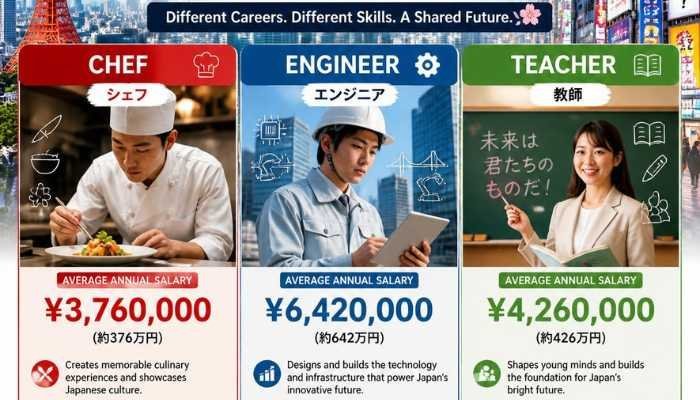
The average salary in Japan is best understood through three separate numbers: annual pay, monthly pay, and hourly wage. Each tells a slightly different story, and mixing them up is the most common mistake people make when comparing job offers.
Average Annual Salary
According to Japan’s National Tax Agency Private-Sector Salary Survey, the most recent full-year data puts the average annual salary in Japan at approximately ¥4.78 million (around $30,000–$32,000 USD, depending on the exchange rate). This is the highest figure recorded since the survey began in 1949, and it includes both base salary and bonuses.
Other data providers report slightly different numbers because they sample different populations. Doda’s database of registered job-seeking professionals puts the 2025 average closer to ¥4.29 million, while full-time regular employees alone (excluding part-timers) average closer to ¥6.2 million. The gap exists because Japan’s part-time workforce, which is large, pulls the blended national average down.
Average Monthly Salary
Divide the annual figure by 12 and you get a rough monthly number, but Japanese pay isn’t distributed evenly across the year. Most companies pay a fixed monthly base salary and then add one or two large bonuses in summer and winter. Stripping out bonuses, the average monthly base salary in Japan runs around ¥320,000 to ¥400,000 before tax, depending on the source and survey year.
If you’re comparing a job offer, always ask whether the quoted monthly figure includes or excludes bonuses. This single question avoids a lot of confusion during salary negotiations.
Average Hourly Wage
For hourly workers, part-timers, and anyone comparing minimum wage jobs, the relevant figure is the hourly rate. Japan’s minimum wage is set prefecture by prefecture and revised every October. The national weighted average minimum wage is around ¥1,121 per hour, ranging from about ¥1,023 in the lowest-paying prefectures (Kochi, Miyazaki, Okinawa) up to ¥1,226 in Tokyo, the highest in the country.
Average vs Median Salary
The average and the median are not the same thing, and the difference matters a lot in Japan. The average (mean) salary gets pulled upward by a relatively small number of very high earners, executives, doctors, and finance professionals. The median, which represents the middle point of all earners, is a better reflection of what a typical worker actually takes home.
Estimates put Japan’s median annual salary at around ¥3.8 million to ¥4.0 million, noticeably below the ¥4.78 million average. If your salary feels lower than “the average you read online,” the median is probably closer to your real-world benchmark.
Why Different Sources Report Different Salaries
You’ll see wildly different numbers depending on where you look, and there’s a simple explanation. The National Tax Agency survey includes every taxpayer, full-time and part-time. Doda and other recruitment platforms survey only registered job seekers, who skew toward white-collar professionals. The Ministry of Health, Labour and Welfare’s Monthly Labour Survey uses yet another sampling method and reporting cadence.
None of these sources is “wrong.” They’re just measuring overlapping but different populations. When you see a salary figure quoted anywhere, including in this guide, check whether it covers full-time workers only, includes bonuses, or blends part-time and full-time data before you compare it to your own paycheck.
Average Salary in Japan at a Glance
Here’s the full picture in one place, pulling together the most recent official and industry data:
| Metric | Approximate Figure |
| Average annual salary | ¥4.78 million |
| Average monthly salary (base) | ¥320,000–¥400,000 |
| Average hourly wage (minimum wage, national weighted average) | ¥1,121 |
| Median annual salary | ¥3.8–4.0 million |
| Minimum wage range by prefecture | ¥1,023–¥1,226/hour |
| Typical bonus share of total pay | 2–4 months’ salary (16–33% of annual gross) |
| Typical take-home pay (after tax and social insurance) | Roughly 73–80% of gross |
These figures move every year, particularly since 2024, when Japan entered its strongest wage growth cycle in three decades following back-to-back rounds of shuntō (spring wage negotiations) delivering over 5% base pay increases at major firms.
Average Salary by Industry

Industry is one of the biggest single factors behind how much you’ll earn in Japan. A move from retail to finance or tech can easily double your salary at the same seniority level.
IT & Software
Technology remains one of the strongest-paying sectors, driven by a persistent shortage of engineers. Software engineers in Tokyo typically earn ¥5.5–9 million a year depending on level, and senior engineers at large global tech firms operating in Japan can reach ¥10–20 million once bonuses and equity are included.
Finance
Finance consistently tops Japan’s industry rankings. Investment trusts and investment advisory roles report some of the highest average salaries in the country, and major banks such as MUFG, SMBC, and Mizuho pay financial analysts in the ¥5.5–9 million range.
Healthcare
Physicians sit at the very top of Japan’s occupational pay scale, but general healthcare workers, including nurses and allied health staff, earn closer to the national average, with meaningful regional variation.
Manufacturing
Manufacturing remains a core pillar of the Japanese economy, especially in automotive, electronics, and precision machinery. Pay here tends to track close to the national average, with strong upside for engineers and quality-control specialists at major manufacturers.
Construction
Japan’s construction sector faces a serious labor shortage tied to an aging workforce, which has pushed wages up faster than in many other blue-collar sectors in recent years.
Education
Education pay varies enormously by role. Public school teachers and university faculty earn stable, government-benchmarked salaries, while English conversation teachers and assistant language teachers (ALTs) typically earn well below the national average, often ¥2.8–4.5 million a year.
Hospitality
Hospitality remains one of the lower-paying sectors, though labor shortages and Japan’s tourism boom have started to push entry-level wages upward, particularly in major cities.
Retail
Retail pay skews low, with a large share of the workforce employed part-time. This is one of the sectors most affected when people quote the “national average” without noting how much part-time work pulls it down.
Logistics
Japan’s logistics and delivery sector has seen real wage pressure recently, driven by e-commerce growth and the so-called “2024 Problem,” new overtime caps for truck drivers that have tightened driver supply and pushed pay higher.
Government
Public sector pay in Japan is transparent, standardized, and tied to a national pay scale. It tends to sit close to or slightly below private-sector averages for equivalent roles, but comes with strong job security and predictable progression.
Highest Paying Jobs in Japan
Some professions consistently outperform the average salary in Japan by a wide margin. Here are the standouts.
Doctors
Physicians top nearly every salary survey in Japan, with average annual earnings reported above ¥10 million, well over double the national average.
Lawyers
Corporate lawyers, particularly those at large firms serving international clients, earn well above the national average, though Japan has fewer practicing lawyers per capita than most developed countries, which supports strong pay at the senior level.
Airline Pilots
Commercial pilots in Japan are among the highest earners in the transport sector, with senior captains at major carriers earning multiples of the national average.
AI Engineers
Demand for AI and machine learning talent has surged in Japan, and specialists in this field can command a 15–25% premium over standard software engineering salaries.
Data Scientists
Data scientists sit close behind AI engineers in pay, particularly in finance, e-commerce, and manufacturing analytics roles where Japanese firms are racing to modernize.
Investment Bankers
Investment banking remains one of the highest-paying career paths in Japan, especially at foreign banks with Tokyo offices, where compensation structures often mirror global, not local, benchmarks.
Average Salary by Experience Level
Japan’s traditional seniority-based pay system, known as nenkō, means experience and tenure historically mattered more than performance. That’s changing, but the pattern still shows up clearly in the data.
Entry-Level
New graduates in 2026 have seen some of the sharpest starting-salary increases in decades. Major trading houses like Marubeni raised graduate starting monthly pay to around ¥330,000, well above the historical norm. Entry-level annual pay across most industries typically sits between ¥2.8 million and ¥4.5 million.
Mid-Level
Workers with five to ten years of experience typically see their pay rise steadily, landing somewhere between ¥4.5 million and ¥7 million depending on industry and role complexity.
Senior-Level
Senior professionals and specialists, particularly in tech, finance, and healthcare, commonly earn ¥7 million to ¥12 million, with further upside for people who move into management or highly specialized technical tracks.
Average Salary by City
Where you work in Japan matters almost as much as what you do. Tokyo pays the most, but it also costs the most, and the gap between Tokyo and regional cities is wider than in most developed countries.
Tokyo
Tokyo sits well above the national average, with average annual income commonly cited between ¥6.2 million and ¥6.9 million depending on the data source and worker category. Tokyo also has the country’s highest minimum wage, at ¥1,226 per hour.
Osaka
Osaka, Japan’s second-largest economic center, pays noticeably less than Tokyo but still sits above the national average, reflecting its concentration of corporate headquarters and financial activity in the Kansai region.
Yokohama
As part of the greater Tokyo metropolitan area, Yokohama’s salary levels track closely with Tokyo, though typically a step below the capital itself.
Nagoya
Nagoya benefits from Japan’s automotive manufacturing base, particularly Toyota’s home region, which supports solid pay for engineers and manufacturing professionals even outside the biggest cities.
Kyoto
Kyoto pays somewhat below Tokyo and Osaka, but its lower cost of living and strong presence of both traditional industries and growing tech firms make it an attractive option for many professionals.
Fukuoka
Fukuoka has emerged as a genuine alternative to Tokyo for startups and remote-friendly professionals, offering noticeably lower living costs alongside a modest salary discount.
Sapporo
Sapporo, along with much of Hokkaido, sits toward the lower end of Japan’s major-city salary range, but benefits from significantly lower rent and living costs than Honshu’s major metros.
Salary by Prefecture
Salary differences don’t stop at the big cities. Here’s how the picture looks across a sample of prefectures, based on prefectural income data and minimum wage rates.
| Prefecture | Relative Salary Level | Minimum Wage (approx.) |
| Tokyo | Highest in Japan | ¥1,226/hr |
| Kanagawa | Very high | ¥1,190+/hr |
| Osaka | High | ¥1,140+/hr |
| Aichi | High | ¥1,090+/hr |
| Saitama | Above average | ¥1,090+/hr |
| Chiba | Above average | ¥1,080+/hr |
| Kyoto | Above average | ¥1,070+/hr |
| Hyogo | Average | ¥1,060+/hr |
| Fukuoka | Average | ¥1,020+/hr |
| Hokkaido | Below average | ¥1,010+/hr |
| Okinawa | Lowest tier | ¥1,023/hr |
| Miyazaki | Lowest tier | ¥1,023/hr |
| Kochi | Lowest tier | ¥1,023/hr |
The gap between the highest and lowest prefectures has been narrowing slowly as the government pushes toward a target minimum wage of ¥1,500 per hour nationwide by the late 2020s.
Salary for Foreign Workers
Foreign professionals in Japan often earn differently from the national averages quoted above, since visa categories tend to sort people into fairly distinct pay bands.
English Teachers
English teachers, whether on the JET Programme, at eikaiwa (conversation schools), or as assistant language teachers, typically earn ¥2.8–4.5 million annually. This is one of the more accessible entry points into working in Japan, but it pays below the national average.
Engineers
Foreign engineers, particularly in manufacturing, civil, and electrical fields, typically earn in line with or slightly above Japanese peers at the same level, often ¥5–9 million depending on specialization and employer.
Developers
Software developers are in high demand and short supply in Japan, and foreign developers at international tech firms based in Tokyo frequently earn toward the higher end of the local range, sometimes ¥7–15 million with bonuses and equity.
Researchers
Foreign researchers at universities and R&D labs typically earn salaries benchmarked to Japan’s academic and public research pay scales, generally ¥5–9 million depending on seniority and institution.
Skilled Workers
Japan’s expanded Specified Skilled Worker visa categories, created to address labor shortages, generally pay close to Japanese industry averages in fields like construction, agriculture, and caregiving.
Healthcare Professionals
Foreign doctors and nurses working in Japan, once appropriately licensed, are generally paid on the same scales as Japanese counterparts, meaning healthcare remains one of the stronger-paying paths for internationally trained professionals.
Bonuses and Benefits in Japan
Bonuses are not optional extras in Japan’s pay culture; they’re baked into how most companies structure total compensation.
Seasonal Bonuses
Most full-time employees receive two bonuses a year, one in summer and one in winter, together typically worth two to four months of base salary. This means annual compensation figures that exclude bonuses can understate real earnings by 16–33%.
Company Benefits
Common benefits include commuting allowance (often fully covering train or bus costs), housing allowance at some larger firms, health checkups, and enrollment in the shakai hoken social insurance system, which covers both health insurance and pension.
Overtime Pay
Overtime pay is legally mandated in Japan, typically at a 25% premium for standard overtime and higher for late-night or holiday work. In practice, unpaid overtime (known as “service overtime” or sābisu zangyō) remains a documented workplace issue, and it’s worth understanding your contracted hours clearly before accepting a role.
Cost of Living vs Salary
A higher salary doesn’t always mean a better financial outcome once you factor in rent and daily expenses in Japan life. Comparing salary to cost of living gives a much more honest picture of what your money actually buys.
Tokyo
Tokyo offers the highest salaries in Japan, but also by far the highest rent, particularly in central wards. A reasonable budgeting rule is to keep rent at 25–30% of gross income rather than the 40% common in some other major global cities, since Japanese landlords and guarantor companies scrutinize rent-to-income ratios closely.
Osaka
Osaka delivers a meaningfully lower cost of living than Tokyo, especially for housing, while still offering strong salaries tied to its status as western Japan’s commercial hub.
Rural Japan
Rural prefectures offer the lowest cost of living by a wide margin, with housing costs a fraction of Tokyo’s. The trade-off is a smaller job market and fewer high-paying corporate roles outside agriculture, tourism, and public sector work.
Sample Monthly Budget
Here’s a rough monthly budget breakdown by household type, based on typical costs in a mid-sized Japanese city (Tokyo would run notably higher on rent):
- Single: Rent ¥70,000–110,000, food ¥35,000–50,000, utilities ¥10,000–15,000, transport ¥8,000–15,000, leaving reasonable room for savings on an average salary.
- Couple: Rent ¥100,000–150,000, food ¥60,000–80,000, utilities ¥15,000–20,000, transport ¥15,000–25,000.
- Family (with children): Rent ¥130,000–200,000, food ¥90,000–120,000, utilities ¥20,000–25,000, education and childcare costs varying widely by public versus private schooling choices.
Is the Average Salary Enough to Live Comfortably?
The honest answer is: it depends heavily on where you live and what “comfortable” means to you. On the average salary in Japan, a single person in a regional city like Fukuoka or Sendai can live comfortably, save meaningfully, and still enjoy a reasonable standard of living. The same salary in central Tokyo stretches much further if you’re willing to live a bit further from the city center or share housing.
Families face a tighter squeeze, particularly around housing size and private education costs in major cities. That said, Japan’s low crime rate, excellent public transport, and universal healthcare system offset a lot of the pressure that a similar salary would face in comparably priced Western cities. Most residents report that the average salary supports a modest but genuinely comfortable lifestyle outside Tokyo, and a tighter, well-organized one within it.
Salary Trends in Japan
Japan’s wage story has changed more in the past two years than in the previous two decades combined, and it’s worth understanding why.
Wage Growth
The 2024 and 2025 shuntō (spring wage negotiation) rounds delivered base pay increases above 5% at major Japanese corporations, the strongest wage growth in more than 30 years. The 2026 round is expected to maintain similar momentum as companies compete for a shrinking pool of workers.
Inflation
For much of 2025, inflation outpaced these nominal wage gains, meaning many workers saw their paychecks grow on paper while their real purchasing power stayed flat or even fell. Whether 2026 delivers genuine real wage growth depends heavily on whether the Bank of Japan can keep inflation near its 2% target.
Labor Shortages
Japan’s demographic reality, a shrinking working-age population and a rapidly aging society, is the single biggest structural force pushing wages upward. Labor shortages are most acute in construction, logistics, healthcare, and skilled trades, all of which have seen faster-than-average wage growth recently.
AI and Technology Impact
Automation and AI adoption are reshaping which roles pay well. Technical, AI-adjacent, and specialist roles are seeing outsized salary growth, while some administrative and repetitive clerical roles face slower wage progression as tasks get automated. Discussions on platforms like LinkedIn increasingly highlight AI literacy as a factor employers now weigh in Japanese hiring and compensation decisions.
Japan Salary vs Other Countries
How does the average salary in Japan measure up internationally? Direct comparisons are tricky because of currency swings and different survey methods, but the broad picture is consistent: Japan pays less than the US, UK, Germany, Singapore, and Australia in nominal terms, while offering a lower cost of living and strong non-wage benefits like universal healthcare and job security.
| Country | Approximate Average Annual Salary (USD equivalent) |
| Japan | $30,000–$32,000 |
| United States | $65,000–$75,000 |
| Canada | $55,000–$65,000 |
| United Kingdom | $50,000–$58,000 |
| Germany | $55,000–$65,000 |
| South Korea | $40,000–$48,000 |
| Singapore | $60,000–$70,000 |
| Australia | $65,000–$70,000 |
These figures are approximate and shift with exchange rates, but the pattern holds: Japan’s average salary sits below most other G7 and high-income Asian economies in nominal USD terms, though the gap narrows considerably once cost of living and purchasing power are factored in, a point often raised in country-comparison threads on Wikipedia’s list of countries by average wage.
Tips to Increase Your Salary in Japan
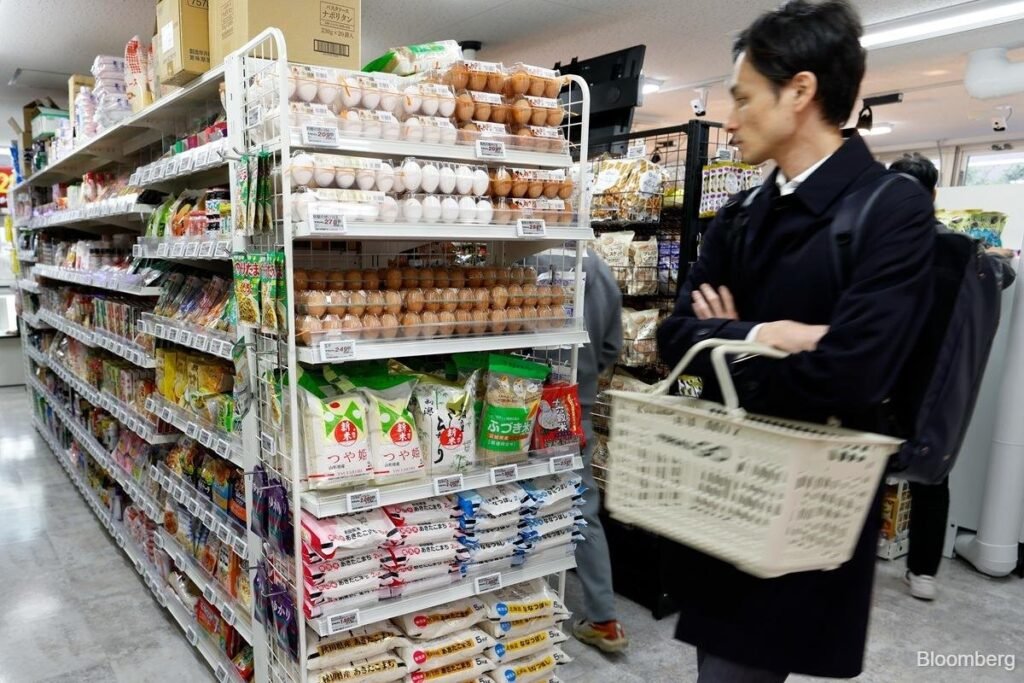
If your goal is to earn more than the average salary in Japan, a few strategies consistently move the needle.
Learn Japanese
Business-level Japanese proficiency dramatically widens your job options in Japan and often unlocks roles and promotions that stay closed to English-only speakers, particularly outside large multinational firms.
High-Demand Skills
Skills in short supply, AI and machine learning, cybersecurity, data engineering, and specialized healthcare, command a real premium over standard roles in the same industry.
Salary Negotiation
Japanese salary negotiation norms differ from Western ones; direct, aggressive negotiating can backfire. Research the going rate for your role and level first, then frame requests around market data and specific contributions rather than personal financial need.
Certifications
Professional certifications, whether in accounting, IT, or specific engineering disciplines, carry real weight in Japan’s structured hiring processes and can justify a higher starting offer.
Changing Industries
Because industry choice affects pay more than almost any other factor in Japan, moving from a lower-paying sector like retail or hospitality into tech, finance, or specialized manufacturing is often the single fastest way to raise your income.
Frequently Asked Questions
What is the average salary in Japan in 2026?
The average salary in Japan is approximately ¥4.78 million per year, based on the most recent National Tax Agency survey, though figures vary depending on whether part-time workers are included.
What is considered a good salary in Japan?
A salary above ¥6 million a year is generally considered comfortably above average in most of Japan, while in Tokyo, ¥7–8 million provides a similar standard of living given higher rent.
What is the minimum wage in Japan?
Japan’s minimum wage varies by prefecture, ranging from about ¥1,023 to ¥1,226 per hour, with a national weighted average around ¥1,121 per hour.
What is the gender pay gap in Japan?
Japan has one of the widest gender pay gaps among developed economies, with male workers earning meaningfully more than female workers on average, driven largely by higher part-time employment rates among women and career interruptions around childbirth.
How much tax do you pay on salary in Japan?
Combined national income tax (5–45%) and flat resident tax (10%) can push the total tax burden above 50% for the highest earners, though most workers pay well under that, since income tax is progressive and only the portion within each bracket is taxed at that rate.
What is the highest paying job in Japan?
Physicians consistently report the highest average salaries in Japan, followed by corporate lawyers, investment bankers, and senior airline pilots.
How much do English teachers earn in Japan?
English teachers, including ALTs and eikaiwa instructors, typically earn ¥2.8–4.5 million a year, below the national average salary in Japan.
What city in Japan pays the highest salary?
Tokyo pays the highest average salary in Japan, followed by Yokohama, Osaka, and Nagoya.
What percentage of salary goes to social insurance in Japan?
Employees typically contribute around 14.75–15% of gross salary to combined health insurance, pension, and employment insurance, with employers matching most of that amount separately.
Can foreigners earn the average salary in Japan?
Yes, foreign professionals in fields like engineering, IT, finance, and healthcare frequently earn at or above the national average, though pay for foreign English teachers typically falls below it.
Is Japan’s cost of living high compared to salary?
Tokyo’s cost of living is high relative to salary, but most of Japan outside the capital offers a considerably better salary-to-cost-of-living ratio than comparable cities in the US or Western Europe.
