


You might have thought about what kind of companies are in the consumer services field. The simple answer is that you deal with a lot of them before lunch. Like when you buy a coffee book or a flight watch a show online. Use a credit card to pay for something. You are using a consumer services company every time you do these things. The consumer services field is a part of everything we do every day. It is also one of the places where people work.
This guide will tell you what the consumer services industry really is. It will give you the names of the companies that are leading the consumer services industry. It will explain the jobs you can have in the consumer services industry. It will also look at how technology’s changing the way people work in the consumer services industry. If you are doing a school project, in the consumer services industry or if you are trying to decide on a career or if you just want to know what kinds of businesses are part of the consumer services field you will find the answers you need here. The consumer services industry is a part of our daily lives and the consumer services companies are always coming up with new ways to make our lives easier.
What Is the Consumer Services Industry?

Definition of Consumer Services
When you think about consumer services you are talking about businesses that sell things you can not touch like a service to people. These companies do not make things you can take home, instead they give you something to do or a way to do something: you can stay in a hotel, eat a meal, take a ride, watch a movie on a streaming service or have an account at a bank. What is important is what the company does for you, not what you get to keep.
This is what makes consumer services different from companies that make things, like cars or food. If a company makes cars it is considered a company that makes things for people to use. If the same company has a program to help you on the side of the road that is a consumer service. A lot of companies do both which is why it can be hard to figure out what kind of company they are. Consumer services are all about what the company does, for the consumer services user. That is what makes them special and business software play a crucial role altogether.
Why Consumer Services Matter in the Economy
Consumer services are a big part of the economy in developed countries. In the United States consumer services make up a part of the economy. Things like stores, hotels, restaurants and beauty shops are all part of consumer services. This area also gives a lot of people jobs from people who ring up purchases to people who plan business moves.
Consumer services are closely tied to what people spend their money on. So they can be a way to tell how people feel about their money. When people take trips, go out to eat more often and sign up for more streaming services it usually means the economy is doing well. On the other hand when people start spending less money, companies that provide consumer services are usually the first to notice it. Consumer services are very sensitive to changes in how people spend their money. They can be a good indicator of the overall health of the economy and consumer services play a big role in this.
Consumer Services vs Consumer Goods
The easiest way to separate the two is to ask whether you can hold the thing in your hands. A pair of running shoes is a consumer good. A personal training session is a consumer service. A smartphone is a consumer good. The wireless plan that keeps it connected is a consumer service.
Some companies blur this line on purpose. Amazon sells consumer goods through its marketplace which is one of the best platforms to sell e-books and other digital or physical products, but it also runs Prime, customer support, delivery logistics, and cloud services, all of which are consumer or business services. Apple sells hardware, but Apple Music, iCloud, and AppleCare are services. Understanding this overlap helps explain why a company can appear on both a “top consumer goods” list and a “top consumer services” list.
What Companies Are in the Consumer Services Field?
Quick List of Leading Consumer Services Companies
Here is a fast snapshot of well-known names across the consumer services world:
- Amazon
- Walmart
- Costco
- Target
- Marriott International
- Hilton Hotels
- Airbnb
- Booking Holdings
- Starbucks
- McDonald’s
- Chipotle
- Uber
- Delta Air Lines
- American Airlines
- American Express
- PayPal
- Disney
- Netflix
- Spotify
Each of these companies sells a service experience, whether that is getting you somewhere, feeding you, entertaining you, housing you for a night, or moving your money.
Consumer Services Companies by Industry
Consumer services companies generally fall into a handful of recognizable groups:
- Retail and e-commerce: Amazon, Walmart, Costco, Target, Upstore
- Hospitality and travel: Marriott, Hilton, Airbnb, Booking Holdings
- Food and restaurant services: Starbucks, McDonald’s, Chipotle
- Transportation: Uber, Delta, American Airlines
- Financial services: American Express, PayPal
- Entertainment and media: Disney, Netflix, Spotify
- Healthcare and personal services: insurers, clinics, salons, fitness studios, and similar businesses
This grouping matters because it shapes the kinds of jobs available, the skills employers look for, and how each industry is being changed by technology.
Top Consumer Services Companies in 2026
Retail and E-Commerce
1. Amazon
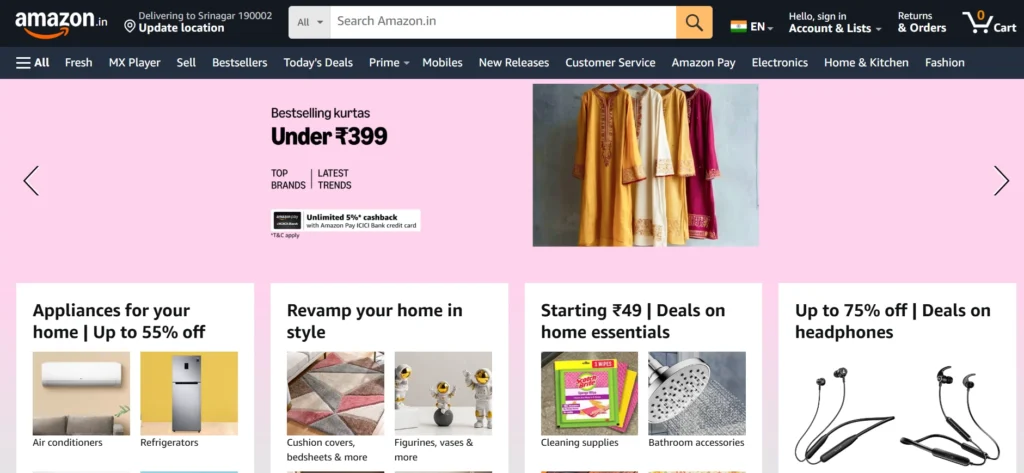
Amazon made a lot of money in 2025, 717 billion dollars. This was possible because Amazon had around 1.58 million employees working for Amazon over the world. Amazon is a company that sells things you can hold in your hand. Amazon is also really good at providing services to people. These services include things, like Amazon Prime membership, getting things delivered on the day you order them, people who help you when you have a problem and Amazon Web Services. When people think about what it means to provide services to a lot of people they often think of Amazon as an example of how to do it. Amazon is a big company and people look at Amazon when they want to see how to provide services to a lot of people at the time.
2. Walmart
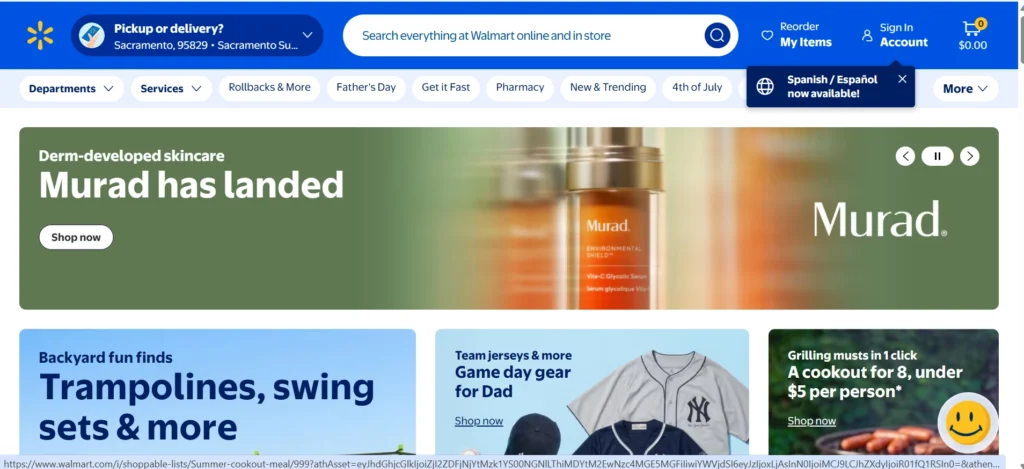
Walmart pulled in around $681 billion in revenue for its 2025 fiscal year and employs about 2.1 million people globally, making it one of the largest private employers on the planet. Its grocery delivery, pickup services, membership perks, and in-store pharmacy operations are all consumer services layered on top of its retail business.
3.Costco
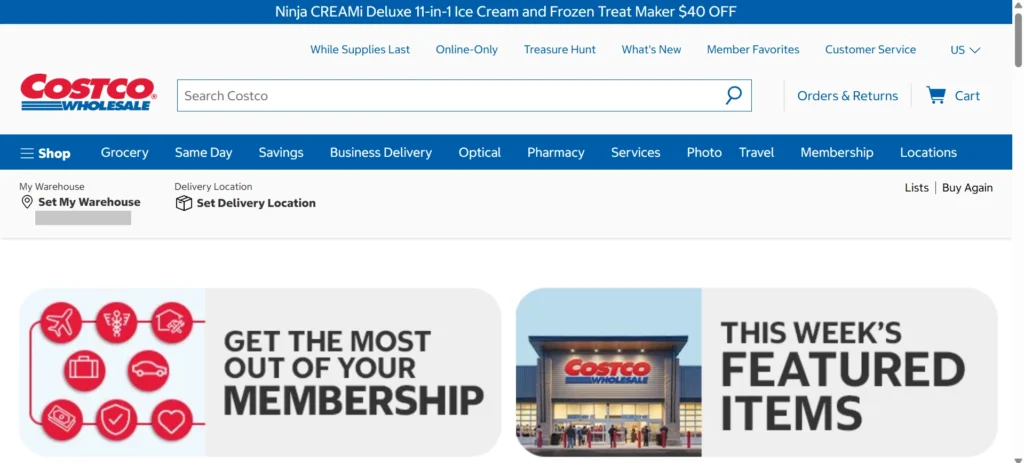
Costco made a lot of money, 275 billion dollars and they have around 341,000 people working for them. The thing that really stands out about Costco is the way they do membership. People pay a fee every year to be a member of Costco. When you are a member of Costco you get to buy things in bulk for prices. You can also use their services to book trips, get your eyes checked at their place and get medicine at their pharmacy. Costco gives you a lot of benefits that you do not get when you just buy things from other stores.
4.Target
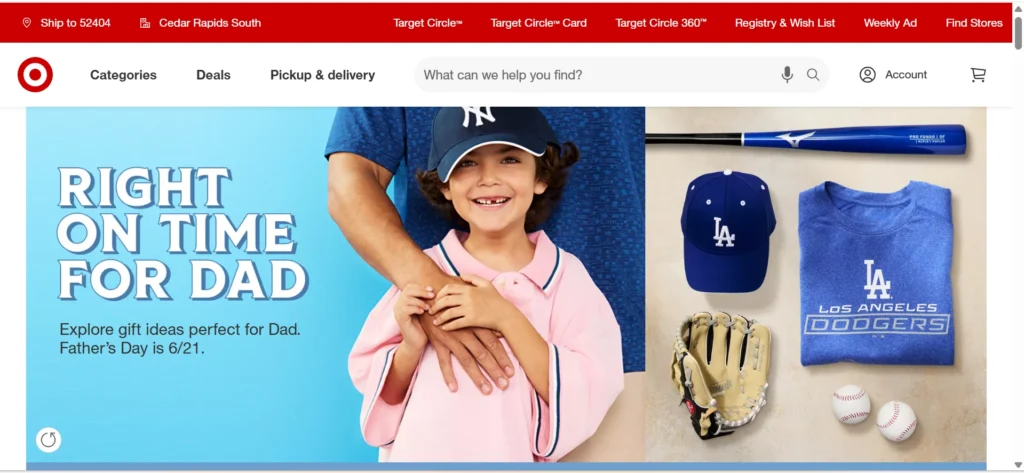
Target makes around $105 billion in revenue. Has about 415,000 employees.
They are doing same-day delivery, with Shipt.They also offer pickup.Target changed their loyalty program too.All these services help Target get into the services part of retail, not just selling goods.
Hospitality and Travel
5.Marriott International
Marriott. Franchises many hotels all over the world. They made around $20 billion in revenue. They have a lot of employees, hundreds of thousands working at their hotels.
Their Bonvoy loyalty program is really big, in the hotel business. It has hundreds of millions of members. Marriott hotels are everywhere.
6.Hilton Hotels
Hilton has a hotel network with thousands of properties. It has over 100,000 rooms in more than 100 countries.Most people who wear a Hilton name tag do not actually work for Hilton. They work for a franchise owner. This is common in the hotel industry.Marriott has a setup.
7.Airbnb
Airbnb changed the way people think about hospitality. It did this by making it possible for people to book homes and apartments. This service makes a lot of money every year. Airbnb generates billions of dollars in revenue each year. It does this by charging a fee, for every booking. The company does not own any properties itself. This makes Airbnb a great example of a business that does not need to own a lot of assets to make money. Airbnb is a consumer services business that works in a simple way.
8.Booking Holdings
Booking Holdings, which is the parent of Booking.com, Priceline and Kayak made more than twenty billion dollars in one year. This company helps people find places to stay and things to do when they travel. Booking Holdings does this by connecting travelers with accommodations and travel services. The company Booking Holdings does not own any hotels or planes. It just helps people, like travelers, find what they need when they are traveling with Booking.com, Priceline and Kayak.
Food and Restaurant Services
9.Starbucks
Starbucks made about 37 billion dollars in 2025. They have a lot of employees, hundreds of thousands of them who work at Starbucks stores that the company owns and at stores that other people own but have a Starbucks in them. The Starbucks app on your phone, the rewards you get for buying coffee and being able to make your drink just the way you like it are all parts of what Starbucks does. The coffee is a part of Starbucks and so are these other things. Starbucks is really good at letting you buy coffee and other things from them using your phone and at giving you rewards, for buying from them and at making your drinks right. Starbucks does all of these things including making coffee.
10.McDonald’s
McDonalds makes most of its money from fees that it gets from the people who own McDonalds restaurants and from rent. It does not make most of its money from selling burgers. This is because most McDonalds restaurants are owned by people who are not directly employed by McDonalds.
McDonalds restaurants all over the world sell more than $100 billion worth of food every year. The people at McDonalds are always trying to make the drive-through and the digital ordering systems better. They want to make each transaction a bit faster. They are trying to save a second on each order, at McDonalds.
11.Chipotle
Chipotle makes a lot of money, $12 billion.It builds this money from its own restaurants, not from franchises.The company has an online ordering system now.Many sales come from this system.
Because of this Chipotle is changing how its kitchens are set up.
They want it to be easy for people to pick up their food when they order on their phone.
Chipotle is making these changes because of how people use mobile pickup.
Transportation Services
12. Uber
Uber reported roughly $52 billion in revenue with a relatively small core employee base of around 34,000, since most of the people doing the actual driving and delivering are independent contractors rather than employees. The company has expanded well beyond ride-hailing into food delivery, freight, and even parking reservations.
13. Delta Air Lines
Delta posted around $63 billion in revenue, and a notable chunk of that now comes from its co-branded credit card partnership rather than ticket sales alone. Its loyalty program, SkyMiles, has become almost as important to the business as the planes themselves.
14. American Airlines
American Airlines generated roughly $55 billion in revenue, operating one of the largest fleets and route networks in the world. Like Delta, loyalty programs and premium cabin upgrades have become a growing share of how airlines make money beyond the basic seat.
Financial Consumer Services

15. American Express
American Express reported about $72 billion in revenue with roughly 77,000 employees. Its business model leans heavily on premium membership fees and rewards programs, which is why Amex cardholders tend to pay more in annual fees in exchange for travel perks, concierge service, and purchase protection.
16. PayPal
PayPal generated around $33 billion in revenue with about 24,000 employees. It built its business on making online and peer-to-peer payments simple, and it now competes with banks, card networks, and newer fintech apps for a slice of everyday consumer spending.
Entertainment and Media Services
17. Disney
Disney reported around $94 billion in revenue for its 2025 fiscal year, with roughly 231,000 employees spanning theme parks, streaming, television, and film. Few companies blend consumer services this broadly, covering everything from a cruise ship vacation to a Disney+ subscription.
18. Netflix
Netflix generated about $45 billion in revenue with a comparatively lean workforce of around 14,000 employees. Its entire business is a recurring subscription service, which makes it a textbook example of consumer services built around content rather than physical goods.
19. Spotify
Spotify earned around €15.7 billion in revenue with a workforce of roughly 7,000 people, one of the leanest staff counts relative to revenue on this list. Its freemium model, offering a free ad-supported tier alongside paid subscriptions, has become a blueprint that other consumer services companies have copied.
Types of Consumer Services Companies
Retail Services
Retail services cover everything from grocery delivery to personal shopping assistance. While retail is often grouped with consumer goods, the service layer, customer support, loyalty programs, returns handling, and delivery logistics, is what actually keeps shoppers coming back.
Hospitality Services
Hotels, resorts, vacation rentals, and cruise lines fall under hospitality. This category is built almost entirely around the guest experience, which is why hospitality companies invest so heavily in staff training, loyalty programs, and personalized service touches.
Transportation Services
Airlines, ride-hailing apps, public transit operators, and car rental companies move people and goods from one place to another. Pricing, scheduling reliability, and customer communication tend to matter as much as the physical vehicle itself.
Financial Services
Banks, credit card companies, insurance providers, and payment platforms handle the money side of consumer life. Trust and security are the core product here, since customers are handing over sensitive financial information in exchange for convenience.
Healthcare Services
Clinics, telehealth platforms, dental offices, and health insurers fall into this category. Consumer healthcare services have grown quickly as telemedicine and app-based scheduling have made it easier to access care without an in-person visit.
Entertainment Services
Streaming platforms, theme parks, live event venues, and gaming companies sell experiences rather than objects. This category has expanded rapidly as subscription models replaced one-time purchases like DVDs or physical game discs.
Personal Services
Salons, fitness studios, tutoring platforms, and home cleaning services round out the consumer services picture. These businesses are often smaller and more local, but collectively they employ millions of people and represent a huge share of everyday consumer spending.
Largest Consumer Services Companies by Revenue
Revenue Comparison Table
| Company | Approximate Annual Revenue | Industry |
| Amazon | $717 billion | Retail and e-commerce |
| Walmart | $681 billion | Retail |
| Disney | $94 billion | Entertainment and media |
| American Express | $72 billion | Financial services |
| Delta Air Lines | $63 billion | Transportation |
| American Airlines | $55 billion | Transportation |
| Uber | $52 billion | Transportation |
| Netflix | $45 billion | Entertainment and media |
| Starbucks | $37 billion | Food and restaurant services |
| PayPal | $33 billion | Financial services |
| Costco | $275 billion | Retail (membership warehouse) |
| Target | $105 billion | Retail |
Employee Count Comparison
| Company | Approximate Employees |
| Walmart | 2.1 million |
| Amazon | 1.58 million |
| Target | 415,000 |
| Disney | 231,000 |
| Costco | 341,000 |
| American Express | 77,000 |
| PayPal | 24,000 |
| Uber | 34,000 |
| Netflix | 14,000 |
| Spotify | 7,000 |
Notice the gap between revenue and headcount. Companies like Walmart and Amazon employ enormous workforces because their services rely heavily on physical labor in stores and warehouses. Netflix and Spotify, by contrast, generate billions in revenue with a fraction of the staff, because their services are delivered through software rather than people on the ground.
Market Influence Comparison
Revenue and employee counts only tell part of the story. Market influence also depends on brand recognition, customer loyalty, and how deeply a company is woven into daily routines. Amazon’s Prime membership, Starbucks’ rewards app, and Delta’s SkyMiles program are examples of loyalty systems that lock in repeat customers far more effectively than price alone ever could.
Some companies also exert influence by setting industry standards that competitors are forced to follow. Uber redefined how people expect to hail a ride. Netflix reset expectations around binge-watching and ad-free viewing. Spotify’s freemium model became the default playbook for music and even some news and education apps. Influence like this often matters more than raw revenue when it comes to shaping where an entire industry is headed.
What Jobs Are Available in Consumer Services?
Entry-Level Positions
Most people enter the consumer services field through customer-facing roles: cashier, barista, front desk agent, call center representative, or delivery driver. These jobs usually require minimal prior experience and offer flexible scheduling, which makes them a common starting point for students and career changers alike.
Mid-Level Roles
After a year or two of experience, workers often move into roles like shift supervisor, team lead, account manager, or specialist positions in areas like customer success or quality assurance. These jobs typically involve more responsibility for solving problems and training newer staff, without yet stepping into full management.
Management Careers
Management careers in consumer services include store manager, hospitality manager, branch manager, and operations manager. These roles focus on staffing, budgets, customer satisfaction targets, and coordinating between frontline staff and corporate leadership.
Remote Consumer Service Jobs
Remote work has expanded significantly in consumer services, especially in customer support, technical help desks, and account management. Companies like American Express, PayPal, and various airlines and hotel chains now hire remote agents to handle phone, chat, and email support, which has opened the field to people outside major metro areas.
Salary Expectations in Consumer Services
Pay varies widely based on location, company size, and experience level. The figures below reflect typical ranges in the United States and should be treated as general benchmarks rather than guarantees.
| Role | Typical Annual Salary Range |
| Customer Service Representative | $32,000 to $45,000 |
| Hospitality Manager | $50,000 to $75,000 |
| Retail Manager | $45,000 to $65,000 |
| Customer Experience Manager | $70,000 to $100,000+ |
Customer Service Representative
Customer service representatives handle inquiries, complaints, and basic troubleshooting. Entry-level pay is modest, but representatives who specialize in technical support or financial services can earn meaningfully more than those in general retail support.
Hospitality Manager
Hospitality managers oversee daily operations at hotels, resorts, or event venues. Pay tends to scale with the size and prestige of the property, and managers at luxury brands or large convention hotels often earn well above the lower end of the range.
Retail Manager
Retail managers are responsible for staffing, inventory, and store performance targets. Salaries vary by retailer and region, with managers at large warehouse clubs or big-box chains generally earning more than those at smaller specialty shops.
Customer Experience Manager
Customer experience managers focus on the bigger picture: mapping the customer journey, reducing friction points, and improving satisfaction scores across an entire company. This is one of the higher-paying tracks in consumer services because it blends customer insight with strategic decision-making.
Skills Needed for Success in Consumer Services
Communication
Clear, patient communication is the backbone of nearly every consumer services job. Whether someone is explaining a return policy or de-escalating an angry phone call, the ability to listen and respond calmly makes a measurable difference in customer satisfaction.
Problem Solving
Customers rarely contact a company when everything is going well. Strong problem solvers can diagnose what actually went wrong, weigh the options available, and pick a solution that satisfies the customer without overpromising what the company can deliver.
Digital Literacy
From point-of-sale systems to CRM software to chatbots, nearly every consumer services role now involves some form of technology. Comfort learning new tools quickly has become almost as important as the soft skills that used to define this field.
Customer Relationship Management
Understanding how to use CRM platforms to track customer history, preferences, and past issues helps employees deliver more personalized service. This skill has become especially valuable as companies lean harder into loyalty programs and repeat-customer retention.
Adaptability
Consumer services schedules, policies, and tools change often, and customer moods can shift in seconds. Workers who adjust quickly to new procedures, busy periods, or unexpected requests tend to advance faster than those who need everything to stay the same.
How Technology Is Transforming Consumer Services
Artificial Intelligence
AI now helps companies predict what customers want before they ask for it, flag likely complaints before they escalate, and route support tickets to the right specialist automatically. Once a call is connected, real-time transcription turns the conversation into structured data that the same routing logic can act on mid-call, escalating a frustrated caller to a specialist before the issue compounds. Retailers use AI to forecast demand, while airlines and hotels use it to adjust pricing in real time based on booking patterns.
Chatbots
Chatbots handle a growing share of routine questions, like order status, return policies, or account balances, freeing human agents to focus on more complicated issues. The best implementations hand off smoothly to a real person when a conversation gets too complex for automation.
Self-Service Platforms
Self-checkout kiosks, mobile ordering apps, and account management portals let customers solve simple tasks without waiting for an agent. This shift has reduced wait times significantly, though it has also changed the kinds of jobs available on the front line.
Omnichannel Customer Support
Customers now expect to start a conversation on chat, continue it by phone, and finish it over email without repeating themselves. Companies that connect these channels into one unified system tend to score noticeably higher on customer satisfaction surveys than those running disconnected support tools.
Personalization
Streaming recommendations, tailored coupons, and customized loyalty offers all rely on personalization engines that analyze past behavior. When done well, personalization feels like good service. When done poorly, it feels invasive, which is why companies are increasingly transparent about how customer data gets used.
Consumer Services Industry Statistics and Market Size
Industry Growth Trends
Consumer services have grown steadily as economies shift away from manufacturing toward experience-based spending. Travel, dining out, streaming subscriptions, and on-demand delivery have all expanded faster than traditional retail in recent years, reflecting a broader preference for convenience and experiences over ownership.
Employment Statistics
In the United States, retail trade and leisure and hospitality together employ tens of millions of workers, making consumer services one of the largest employment categories in the country. These sectors also tend to recover jobs quickly after economic downturns, since demand for everyday services rebounds as soon as consumer confidence returns.
Future Market Forecast
Analysts generally expect continued growth in subscription-based services, on-demand delivery, and digital financial services, while traditional brick-and-mortar retail growth stays comparatively slower. Companies that successfully blend physical presence with strong digital tools, think curbside pickup paired with a smooth app, tend to outperform competitors that lean entirely on one channel or the other.
Advantages and Challenges of Consumer Services Businesses
Key Benefits
Consumer services businesses benefit from recurring revenue models, strong brand loyalty when done well, and relatively low barriers to entry compared to manufacturing, since many service businesses can start small and scale gradually. Subscription and membership models, in particular, create predictable cash flow that makes long-term planning easier.
Common Challenges
High employee turnover, thin profit margins in industries like food service and retail, and intense price competition are persistent challenges. Customer expectations have also risen sharply, partly because companies like Amazon have trained shoppers to expect fast, frictionless service everywhere they go.
Future Opportunities
Companies that invest in personalization, flexible delivery options, and genuinely helpful AI tools have room to differentiate themselves even in crowded markets. There is also growing opportunity in underserved areas like rural telehealth, accessible financial services, and sustainable hospitality, where demand is rising but competition remains relatively thin.
Is Consumer Services a Good Career Path?
Pros
Consumer services offer low barriers to entry, transferable skills, and a wide variety of career tracks within a single industry. It is also one of the more recession-resilient sectors for employment, since people keep needing groceries, healthcare, and basic financial services even when discretionary spending tightens.
Cons
Many entry-level roles come with modest pay, irregular hours, and emotionally taxing interactions with frustrated customers. Burnout is a real risk in customer-facing positions, particularly in retail and food service, where staffing shortages can leave remaining workers covering extra shifts.
Best Career Tracks
When you work in customer experience management or hospitality leadership you can make a lot of money in the run. This is also true for financial services roles. They are all part of the consumer services field. Tend to pay well.
Some jobs that offer a lot of support are also very profitable. This is especially true for jobs, in fintech or healthcare tech. As these industries start to offer digital services they need people who can help with the technology. Customer experience management roles and hospitality leadership roles are still good options if you want to make a lot of money. Financial services roles are also a choice.
Future Demand Outlook
Demand for consumer services workers is expected to stay strong, even as automation handles more routine tasks. Roles that require judgment, empathy, and the ability to manage complex customer relationships are proving harder to automate, which keeps human workers central to the industry’s future.
Frequently Asked Questions
What is considered a consumer services company?
A consumer services company sells a service, rather than a physical product, directly to individual customers. Examples include airlines, hotels, streaming platforms, banks, and retailers that focus heavily on customer experience and support.
Which company is the largest consumer services company?
By revenue, Walmart and Amazon are typically the largest companies that include significant consumer services operations, though both also sell physical goods. Among companies built almost entirely around service delivery, Disney and American Express rank among the largest by revenue.
What industries fall under consumer services?
Major industries include retail, hospitality and travel, food and restaurant services, transportation, financial services, healthcare, entertainment and media, and personal services like salons and fitness studios.
Is consumer services a growing industry?
Yes. Spending on travel, dining, streaming, and digital financial services has grown steadily, often outpacing growth in traditional manufacturing and retail of physical goods. Subscription and on-demand models in particular continue to expand.
What jobs pay the most in consumer services?
Customer experience management, financial services leadership, and senior hospitality management roles tend to offer the highest salaries within consumer services, often exceeding $70,000 to $100,000 a year depending on company size and location.
What skills are most important in consumer services?
Communication, problem solving, digital literacy, customer relationship management, and adaptability are consistently the most valued skills across consumer services roles, regardless of industry.
How is AI affecting consumer services?
AI is helping everyday customer support tasks using chatbots. This technology is also getting better at predicting demand.It powers systems that personalize recommendations and offers for each customer.The use of AI is changing frontline jobs. Not replacing human workers completely.
Human skills, like solving problems and understanding emotions are still hard to automate.
