

Managing real estate investments is no longer just about collecting rent and tracking property appreciation. Today’s investors handle multiple properties, LLCs, tenants, maintenance costs, mortgage payments, tax deductions, and cash flow reports — often all at once. Without the right accounting software, things can quickly become messy.
Many platforms now offer automation, investor reporting, tax-ready bookkeeping, and integrations with property management tools. Solutions like QuickBooks, AppFolio, Yardi, Buildium, REI Hub, and Stessa continue to dominate the market because they simplify financial tracking and portfolio management for investors.
In this guide, we’ll explore the top accounting software for real estate investors in 2026, compare their features, and help you choose the best platform for your business.
Why Real Estate Investors Need Specialized Accounting Software

Real estate accounting is very different from traditional business bookkeeping. Investors deal with:
- Rental income
- Security deposits
- Mortgage interest
- Depreciation
- Capital expenditures
- Property taxes
- Maintenance expenses
- Multiple entities and properties
- Investor distributions
- 1031 exchanges
Generic accounting systems often fail to handle these complexities effectively.
Modern real estate accounting software helps investors:
- Automate bookkeeping
- Generate tax-ready reports
- Track profitability by property
- Manage cash flow
- Simplify tenant accounting
- Reconcile bank transactions
- Handle multi-property portfolios
Platforms designed specifically for real estate investors also offer Schedule E reporting, depreciation tracking, and property-level analytics.
Key Features to Look for in Real Estate Accounting Software
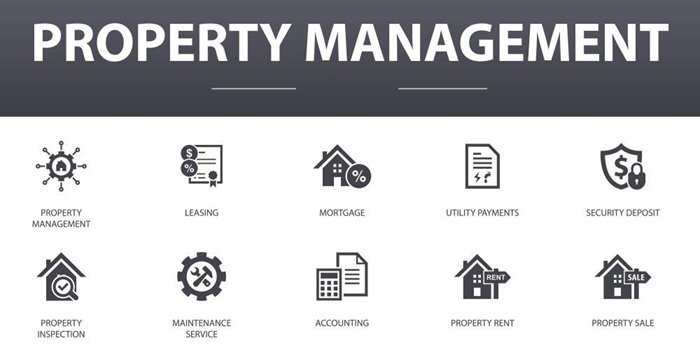
Before selecting software, investors should evaluate the following features.
1. Property-Level Accounting
The software should allow you to track income and expenses separately for each property.
This helps you:
- Measure property performance
- Identify underperforming assets
- Analyze ROI accurately
2. Bank Reconciliation
Automatic bank feeds and transaction matching reduce manual bookkeeping work and minimize errors.
3. Tax Preparation Tools
Tax season becomes easier when your software supports:
- Schedule E reports
- Depreciation tracking
- Expense categorization
- 1099 reporting
4. Multi-Entity Support
Many investors operate through multiple LLCs or partnerships. The ideal platform should support multi-entity accounting and consolidated reporting.
5. Tenant and Rent Tracking
Integrated rent collection and tenant management save time and improve organization.
6. Financial Reporting
Good software should generate:
- Profit & loss statements
- Cash flow reports
- Balance sheets
- Investor reports
- Portfolio performance dashboards
7. Automation and AI
In 2026, automation has become essential. Many accounting tools now use AI to automate reconciliation, categorization, and reporting.
Best Accounting Software for Real Estate Investors
1. QuickBooks Online
QuickBooks Online
QuickBooks Online remains one of the most widely used accounting solutions among real estate investors.
It is popular because of its flexibility, large integration ecosystem, and strong bookkeeping capabilities. Investors can customize charts of accounts, automate expense tracking, and integrate with property management software.
QuickBooks works especially well for:
- Small to medium-sized portfolios
- Independent landlords
- Real estate agents
- Property managers
Pros
- Easy bank synchronization
- Strong reporting tools
- Extensive third-party integrations
- Cloud-based access
- Mobile app support
Cons
- Requires customization for real estate use
- Limited built-in property management features
QuickBooks continues to dominate the accounting market because of its scalability and broad feature set for small businesses.
Best For
Investors who want flexible accounting software with broad integrations.
2. Stessa
Stessa
Stessa has become one of the most popular free accounting platforms for rental property investors.
The platform is designed specifically for landlords and offers automated income and expense tracking, property performance analytics, and tax-ready financial reports.
Pros
- Free to use
- Real estate-focused dashboard
- Automated expense tracking
- Portfolio performance insights
- Easy setup
Cons
- Limited advanced accounting features
- Not ideal for large enterprise portfolios
Best For
Beginner investors and landlords with small portfolios.
3. REI Hub
REI Hub
REI Hub is purpose-built for rental property investors and landlords. Unlike generic bookkeeping platforms, it offers real estate-specific accounting workflows.
The platform includes:
- Property-based bookkeeping
- Real estate chart of accounts
- Bank reconciliation
- Document storage
- Tax reporting
REI Hub has gained strong popularity because it simplifies bookkeeping for investors without accounting backgrounds.
Pros
- Built specifically for rental properties
- User-friendly interface
- Tax-ready reports
- Strong bookkeeping automation
Cons
- Smaller integration ecosystem
- Limited advanced enterprise features
Best For
Rental property owners seeking simple, dedicated accounting software.
4. Buildium
Buildium
Buildium combines accounting and property management in one platform.
It allows investors to:
- Collect rent online
- Track maintenance requests
- Generate owner statements
- Manage vendors
- Handle accounting workflows
Buildium is especially useful for property managers handling multiple tenants and properties.
Pros
- All-in-one property management system
- Automated rent collection
- Strong reporting tools
- Scalable for growing portfolios
Cons
- Higher pricing for smaller landlords
- Learning curve for beginners
Best For
Property managers and investors managing multiple rental units.
Buildium remains one of the top recommendations for investors needing both accounting and operational management tools.
5. AppFolio
AppFolio
AppFolio is a premium property management and accounting platform designed for larger portfolios.
The software offers:
- Advanced accounting
- Leasing automation
- Tenant communication
- Maintenance workflows
- Investor reporting
It’s highly scalable and widely used by professional property managers and institutional investors.
Pros
- Excellent automation tools
- Strong mobile functionality
- Advanced reporting
- Enterprise scalability
Cons
- Expensive for small investors
- May be overly complex for beginners
Best For
Mid-sized to large real estate investment portfolios.
AppFolio consistently ranks among the top real estate accounting platforms due to its enterprise-level capabilities.
6. Yardi Breeze
Yardi Breeze
Yardi Breeze is a simplified version of the enterprise-grade Yardi Voyager platform.
It offers:
- Property accounting
- Rent tracking
- Expense management
- Reporting tools
- Maintenance management
Yardi is widely trusted in commercial real estate and institutional investing.
Pros
- Industry reputation
- Strong accounting tools
- Good reporting
- Scalable infrastructure
Cons
- More expensive than beginner tools
- Some features require training
Best For
Commercial investors and growing portfolios.
7. Xero
Xero
Xero is another powerful cloud accounting platform that many real estate investors use.
While not built specifically for real estate, it integrates with many property management systems and provides excellent bookkeeping functionality.
Pros
- Clean user interface
- Excellent automation
- Strong bank integrations
- Good mobile experience
Cons
- Requires third-party apps for property management
- Less real estate-focused
Best For
Tech-savvy investors who want modern cloud accounting.
Xero continues to be recognized as one of the top accounting platforms for small businesses and investors.
Comparison Table: Best Real Estate Accounting Software
| Software | Best For | Key Strength | Pricing Level |
| QuickBooks Online | Small to medium investors | Flexibility & integrations | Medium |
| Stessa | Beginner landlords | Free property accounting | Low |
| REI Hub | Rental property owners | Real estate-specific bookkeeping | Medium |
| Buildium | Property managers | Combined management & accounting | Medium-High |
| AppFolio | Large portfolios | Enterprise automation | High |
| Yardi Breeze | Commercial investors | Advanced reporting | High |
| Xero | Cloud-focused investors | Modern accounting interface | Medium |
How to Choose the Right Accounting Software
Not every investor needs enterprise-level software.
The best solution depends on:
- Portfolio size
- Budget
- Technical experience
- Accounting complexity
- Property type
- Growth plans
Here’s a simple breakdown.
Choose QuickBooks If:
You want flexibility and already use other business tools.
Choose Stessa If:
You’re a beginner landlord looking for free accounting software.
Choose REI Hub If:
You want accounting software designed specifically for rental properties.
Choose Buildium If:
You need both accounting and property management features.
Choose AppFolio If:
You manage a large portfolio and need advanced automation.
Choose Yardi Breeze If:
You operate commercial or institutional real estate investments.
Choose Xero If:
You prefer a modern cloud accounting experience.
Common Mistakes Real Estate Investors Make
Even with good software, investors often make bookkeeping mistakes.
Mixing Personal and Business Expenses
Always separate business and personal accounts.
Ignoring Monthly Reconciliation
Waiting until tax season creates errors and confusion.
Not Tracking Property-Level Performance
You should always know which properties are profitable.
Failing to Automate
Manual bookkeeping wastes time and increases risk.
Choosing Cheap Software Without Scalability
Your portfolio may outgrow basic software quickly.
Benefits of Cloud-Based Accounting Software
Cloud accounting platforms have become the industry standard because they offer:
- Real-time access
- Automatic backups
- Mobile functionality
- Easier collaboration with accountants
- Better integrations
- AI-powered automation
Many modern platforms now integrate with banking systems, property management tools, and tax software to create a centralized financial ecosystem.
The Future of Real Estate Accounting Software
Accounting software is rapidly evolving.
In 2026, AI and automation are transforming how investors manage finances.
Emerging trends include:
- AI bookkeeping assistants
- Automated transaction categorization
- Predictive cash flow analysis
- Smart tax optimization
- Real-time investor reporting
- Automated compliance monitoring
AI-powered accounting startups are already attracting major investment because businesses want faster and more accurate financial management systems.
We can expect future accounting platforms to become even more intelligent and investor-focused.
Final Thoughts
The best accounting software for real estate investors depends on your business model, portfolio size, and operational needs.
If you’re just starting out, platforms like Stessa or REI Hub can simplify bookkeeping without overwhelming complexity.
If you manage larger portfolios, Buildium, AppFolio, and Yardi offer powerful enterprise-grade solutions.
Meanwhile, QuickBooks and Xero remain excellent flexible accounting systems with extensive integrations and scalability.
The most important thing is choosing software that helps you:
- Stay organized
- Automate bookkeeping
- Reduce tax stress
- Monitor cash flow
- Scale your portfolio efficiently
Frequently Asked Questions (FAQs)
Q1. What is the best accounting software for real estate investors?
The best accounting software depends on your portfolio size and investment goals.
- QuickBooks Online is ideal for flexibility and integrations.
- Stessa works well for beginner landlords.
- REI Hub is designed specifically for rental property accounting.
- Buildium and AppFolio are better for larger portfolios and property management operations.
Investors should choose software based on scalability, automation, reporting, and ease of use.
Q2. Is QuickBooks good for real estate investors?
Yes, QuickBooks Online is one of the most popular accounting tools for real estate investors. It offers strong bookkeeping features, bank synchronization, expense tracking, and customizable reports.
However, investors often need additional customization or integrations with property management software to fully optimize it for real estate accounting.
Q3. What accounting method do real estate investors use?
Most real estate investors use either:
- Cash basis accounting — records income and expenses when money changes hands.
- Accrual accounting — records income and expenses when transactions occur.
Small landlords typically prefer cash basis accounting because it’s simpler, while larger investment firms often use accrual accounting for more accurate financial reporting.
Q4. Can I use free accounting software for rental properties?
Yes, some platforms like Stessa offer free accounting tools specifically for rental property investors. These platforms can handle:
- Expense tracking
- Income reporting
- Property performance analysis
- Tax-ready reports
Free tools are suitable for beginners, but larger investors may eventually need more advanced software.
Q5. Why is property-level accounting important?
Property-level accounting helps investors track the profitability of each individual property.
It allows you to:
- Monitor cash flow
- Identify high-performing assets
- Analyze ROI
- Detect overspending
- Make better investment decisions
Without property-level reporting, it becomes difficult to measure portfolio performance accurately.
Q6. What features should real estate accounting software include?
The best real estate accounting software should include:
- Automated bookkeeping
- Bank reconciliation
- Rent tracking
- Expense categorization
- Financial reporting
- Tax preparation tools
- Multi-property support
- Cloud access
- Investor reporting dashboards
Advanced platforms may also offer AI-powered automation and predictive analytics
Q7. Is accounting software necessary for small landlords?
Yes. Even small landlords benefit from accounting software because it helps organize income, expenses, taxes, and tenant payments.
Using spreadsheets manually can lead to errors, missed deductions, and time-consuming bookkeeping during tax season.
Q8. What is the difference between property management software and accounting software?
Accounting software focuses mainly on:
- Bookkeeping
- Financial reporting
- Tax preparation
- Expense tracking
Property management software includes additional features such as:
- Tenant communication
- Lease management
- Maintenance requests
- Online rent collection
Some platforms like Buildium and AppFolio combine both functions into one system.
Q9. Does real estate accounting software help with taxes?
Yes. Most modern accounting platforms simplify tax preparation by generating:
- Profit and loss reports
- Expense summaries
- Schedule E reports
- Depreciation records
- 1099 forms
This reduces errors and helps investors maximize deductions.
Q10. Which accounting software is best for multiple rental properties?
For investors managing multiple properties:
- Buildium and AppFolio are excellent for large portfolios.
- REI Hub works well for medium-sized rental businesses.
- QuickBooks Online can also handle multiple properties with proper setup.
The right choice depends on how many units you manage and how advanced your reporting needs are.
Q11. Is cloud-based accounting software better for real estate investors?
Yes. Cloud-based software offers several advantages:
- Access from anywhere
- Automatic backups
- Real-time reporting
- Mobile access
- Easier collaboration with accountants
- Automated updates
Most modern investors now prefer cloud accounting platforms because they improve efficiency and flexibility.
Q12. Can accounting software track rental income automatically?
Yes. Many real estate accounting platforms integrate with bank accounts and rent collection systems to automatically track rental income and categorize transactions.
This reduces manual data entry and improves bookkeeping accuracy.
Q13. Which software is best for beginner real estate investors?
Beginner investors often prefer:
- Stessa
- REI Hub
- QuickBooks Online
These platforms are relatively easy to use and provide essential accounting features without overwhelming complexity.
Q14. How much does real estate accounting software cost?
Pricing varies based on features and portfolio size.
- Free tools: Stessa
- Mid-range platforms: QuickBooks, Xero, REI Hub
- Premium platforms: Buildium, AppFolio, Yardi
Monthly costs can range from free to several hundred dollars depending on the number of units and advanced features required.
Q15. Can accounting software help grow a real estate business?
Absolutely. Good accounting software helps investors:
- Understand cash flow
- Improve budgeting
- Reduce financial mistakes
- Make data-driven decisions
- Save time through automation
- Scale operations more efficiently
Accurate financial tracking is essential for long-term real estate investment success.
