

Day: April 29, 2026

  • 8 Proven Techniques to Double Your B2B Response Rates

    8 Proven Techniques to Double Your B2B Response Rates

    One of the most challenging aspects of sales and marketing is getting a response from a company prospect. After spending hours crafting the ideal message, you push submit, but nothing occurs, no response.

    Fortunately, most low response rates are not a result of bad luck. There are issues with strategy. Additionally, strategy is fixable.

    b2b discussion

    Lets recall eight strategies which doubles and occasionally multiplies B2B response rates.

    1. Start with a Very Specific Subject Line

    Most business emails get ignored because the subject line sounds like every other email in the inbox. Words like “partnership opportunity” or “quick question” have been overused to the point where people skip them without thinking.

    A better approach is to make the subject line so specific that the reader feels it was written just for them. Mention their company name, a recent event they were part of, or a very clear benefit tied to their exact role. Specific subject lines create curiosity, and curiosity drives opens.

    2. Reach the Right People, Not Just Any People

    No matter how good your message is, it will not perform if it lands in the wrong inbox. Many businesses waste time chasing contacts who have no authority to say yes. The decision is made elsewhere, usually at a higher level.

    This is where using a quality C-Level Executives Email List changes everything. When your outreach reaches CEOs, CFOs, CMOs, and other top leaders directly, you skip the chain of approvals and delays. These are the people who actually control budgets and can greenlight a deal. A focused list of executive contacts that has undergone email verification means fewer messages sent, but far more meaningful conversations started. The quality of your contact data is just as important as the quality of your message.

    3. Write Like a Human, Not a Brochure

    Most B2B emails read like they were written by a marketing department, not a real person. They are full of buzzwords, long paragraphs, and vague promises. Busy professionals do not have time for that.

    Write your emails the way you would talk to a colleague. Keep sentences short. Use plain words. Get to the point by the second sentence. A message that feels personal and real will always outperform one that sounds polished but cold.

    4. Focus on a Single, Clear Ask

    One of the biggest mistakes in B2B outreach is asking for too much too soon. A message that asks the prospect to schedule a call, visit a website, read a brochure, and reply with feedback all at once creates decision paralysis. The reader does not know what to do, so they do nothing.

    Pick one ask per message. Make it small and low-risk. Something like, “Would it make sense to have a 15-minute call this week?” is far easier to say yes to than “Can we set up a full demo to walk you through our platform?” A simple, single call-to-action removes friction and makes responding feel easy.

    5. Use the Right Contact Data for the Right Market

    Reaching businesses in specific regions or industries requires targeted data. If your product or service works well in Southeast Asia, for example, you need contacts who are actually based there and relevant to your offer.

    A well-segmented Malaysia business email list is a great example of this principle in action. Rather than blasting a generic list of global contacts, you send your message to businesses and decision-makers in a specific, growing market. Malaysia is home to thousands of active companies across industries like manufacturing, technology, finance, and professional services. When your outreach is built around a targeted regional list like this, your message feels relevant, and relevant messages get replies. Investing in clean, region-specific data is one of the highest-return moves in B2B outreach.

    6. Follow Up More Than You Think You Should

    Most salespeople give up after one or two emails. Research consistently shows that the majority of positive responses come after the third, fourth, or even fifth follow-up. The people who respond late are not uninterested; they were just busy the first few times.

    Create a simple follow-up sequence spread over two to three weeks. Each message should add a small piece of new value, a relevant insight, a short case study, or a different angle on the problem you solve. Do not just send the same message again with “just following up” at the top. That wastes the reader’s time and yours.

    7. Personalize Beyond the First Name

    Adding “Hi [First Name]” to an email is not personalization anymore. Everyone does it, and everyone knows it is automated. Real personalization means showing that you have done some homework. AI GTM tools can lift response rates by grounding personalization in real account context (job changes, intent signals, and stakeholder relationships) so your outreach is timed and relevant instead of generic.

    Reference something specific to their business, a recent announcement, a product they launched, a challenge common in their industry, or a mutual connection. Even one or two lines of genuine personalization at the start of a message dramatically increases the chance that the rest gets read. People can tell the difference between a template and a message meant for them.

    8. Test and Track Everything

    If you are not testing your outreach, you are guessing. Small changes in subject lines, message length, send times, or call-to-action wording can produce wildly different results.

    Run A/B tests on your best-performing messages. Track open rates, reply rates, and conversion rates separately. Look at which segments respond best and which days and times get the most replies. Over time, this data becomes a real competitive advantage. You stop guessing what works and start knowing.

    Why Businesses Need to Update Their B2B Response Strategies

    In today’s competitive digital market, businesses need to constantly update their B2B response strategies to stay ahead and maintain strong communication with potential clients. Buyer behavior changes quickly, and traditional outreach methods that worked a few years ago may no longer deliver the same results. Decision-makers now expect personalized, relevant, and timely communication rather than generic sales emails.

    Updating strategies helps businesses improve engagement, reach the right audience, and build stronger trust with prospects. Whether it is using better contact data, refining follow-up methods, or improving email personalization, regular updates ensure that outreach efforts remain effective and generate higher response rates. Companies that adapt faster often see better conversions, stronger relationships, and long-term business growth.

    FAQs

    1. What are B2B response rates?

    B2B response rates refer to the percentage of business prospects who reply to your emails, calls, or outreach campaigns. It measures how effective your communication strategy is in generating engagement.

    2. Why are low B2B response rates a problem?

    Low response rates mean missed sales opportunities, wasted marketing efforts, and slower business growth. It often indicates poor targeting, weak messaging, or outdated outreach strategies.

    3. How can personalization improve response rates?

    Personalization makes your message feel relevant and specific to the recipient. Mentioning their company, role, or recent achievements helps build trust and increases the chances of getting a reply.

    4. Why is targeting decision-makers important?

    Reaching decision-makers like CEOs, CFOs, and CMOs saves time because they have the authority to approve deals. This improves the chances of faster and more meaningful responses.

    5. How many follow-up emails should businesses send?

    Most successful B2B campaigns require at least 3 to 5 follow-up emails. Many positive responses come after multiple touchpoints rather than the first message.

    6. What is the role of email subject lines in response rates?

    A strong and specific subject line grabs attention and improves open rates. If the email is not opened, the chances of getting a response become very low.

    7. How does targeted contact data help in B2B outreach?

    Accurate and segmented contact data ensures your message reaches the right people in the right industry or region. This improves relevance and increases response rates significantly.

    8. Should businesses test different outreach strategies?

    Yes, A/B testing subject lines, send times, and call-to-action messages helps businesses identify what works best and continuously improve their B2B response performance.

    Bringing It All Together

    Your entire sales process does not need to be completely redesigned in order to double your B2B response rates. More human messaging, more precise targeting, better data, and the self-discipline to test and refine over time are all necessary.

    Every component counts, whether you are developing your pipeline using a specific area dataset or ensuring that senior decision-makers see your message. The companies that continuously succeed in outreach aren’t the ones with the most resources; rather, they are the ones that focus on the little things and never stop improving their strategy.

    Start with one technique from this list. Apply it consistently. Measure the results. Then add the next one. Done right, the improvement in your response rates will speak for itself.
  • How Industrial Inventory Management Software Helps Modern Businesses

    How Industrial Inventory Management Software Helps Modern Businesses

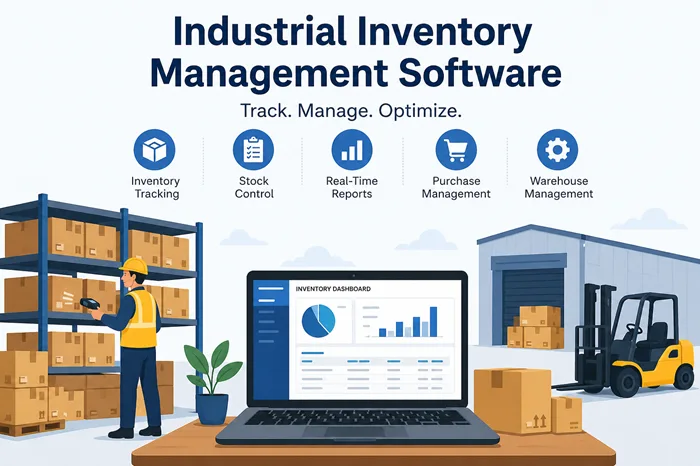
    Managing inventory is one of the biggest challenges for modern businesses, especially in manufacturing, warehousing, and industrial operations. From raw materials to finished products, every item must be tracked accurately to avoid delays, losses, and unnecessary costs. This is where industrial inventory management software becomes a game-changer.

    Today, businesses cannot rely on spreadsheets or manual tracking methods alone. They need smarter systems that improve visibility, automate processes, and reduce human error. With the right inventory management tools, companies can improve productivity, optimize stock levels, and maintain smooth production cycles.

    Whether you run a manufacturing plant, warehouse, or distribution center, using an advanced inventory tracking system helps you stay competitive in a fast-moving market.

    What Is Industrial Inventory Management Software?

    Industrial inventory management software is a digital solution designed to monitor, organize, and control inventory across industrial operations. It helps businesses manage raw materials, spare parts, finished goods, warehouse stock, and supply chain movement in real time.

    Unlike basic inventory systems, industrial solutions are built to handle complex workflows such as:

    • Multi-location warehouse management
    • Production inventory management
    • Supply chain coordination
    • Barcode and RFID tracking
    • Vendor and purchase order management
    • Real-time stock visibility

    This software helps businesses reduce waste, prevent stockouts, and improve operational efficiency.

    Why Traditional Inventory Methods No Longer Work

    Many businesses still use spreadsheets, handwritten logs, or outdated systems to manage inventory. While this may work for small operations, it creates major problems as businesses grow.

    Some common issues include:

    1. Human Errors

    Manual data entry often leads to mistakes like incorrect stock counts, duplicate records, or missing items.

    2. Lack of Real-Time Visibility

    Without a live inventory tracking system, businesses struggle to know current stock levels, causing overstocking or shortages.

    3. Delayed Production

    Poor production inventory management can lead to missing raw materials, which slows down manufacturing schedules.

    4. Increased Costs

    Holding too much stock ties up capital, while too little stock creates urgent purchasing expenses.

    5. Poor Decision-Making

    Without accurate reports, managers cannot make informed purchasing or production decisions.

    This is why modern businesses are shifting toward the best inventory control software to improve efficiency and reduce risk.

    Key Ways Industrial Inventory Management Software Helps Modern Businesses

    industrial inventory management software

    Let’s look at the biggest advantages of implementing industrial inventory management software.

    1. Real-Time Inventory Visibility

    One of the most valuable benefits is complete visibility across your inventory.

    With a powerful inventory tracking system, businesses can monitor:

    • Current stock levels
    • Incoming shipments
    • Outgoing orders
    • Raw material usage
    • Warehouse movement
    • Product availability

    This real-time access helps teams make faster and smarter decisions.

    For example, if stock levels drop below a set threshold, the system can automatically trigger reorder alerts.

    This prevents disruptions and improves overall inventory management efficiency.

    2. Better Production Inventory Management

    Manufacturers depend heavily on accurate stock planning. If raw materials are unavailable, production stops.

    Strong production inventory management ensures:

    • Materials are available when needed
    • Production schedules stay on track
    • Finished goods are delivered on time
    • Waste and downtime are minimized

    Industrial inventory software helps businesses connect inventory directly with production planning.

    This improves workflow coordination and supports lean manufacturing practices.

    For businesses focused on manufacturing excellence, this feature is essential.

    3. Reduced Human Errors

    Manual inventory handling increases the risk of costly mistakes.

    Modern software uses automation tools like:

    • Barcode scanning
    • RFID technology
    • Automated stock updates
    • Purchase order syncing
    • Batch and serial number tracking

    This significantly reduces human intervention and improves data accuracy.

    When inventory data is accurate, businesses can trust their reports and avoid expensive operational errors.

    This is one reason companies invest in the best inventory control software available.

    4. Improved Warehouse Efficiency

    Warehouse performance directly impacts customer satisfaction and profitability.

    Industrial inventory systems improve warehouse operations by helping with:

    • Faster stock locating
    • Organized storage planning
    • Accurate picking and packing
    • Shipment tracking
    • Reduced handling delays

    A reliable inventory tracking system ensures every product is in the right place at the right time.

    This leads to smoother workflows and better team productivity.

    5. Cost Reduction and Better Cash Flow

    Poor inventory planning leads to wasted money.

    Common problems include:

    • Overstocking
    • Dead stock
    • Emergency purchasing
    • Storage costs
    • Expired inventory

    With better inventory management, businesses can maintain optimal stock levels and reduce unnecessary expenses.

    This improves cash flow because money is not trapped in excess inventory.

    Smart purchasing decisions also help businesses negotiate better supplier contracts.

    6. Stronger Supply Chain Control

    Industrial businesses often work with multiple suppliers, warehouses, and distribution channels.

    Inventory software helps centralize supply chain operations by managing:

    • Supplier performance
    • Purchase orders
    • Vendor lead times
    • Delivery tracking
    • Demand forecasting

    This improves planning and helps businesses respond quickly to market changes.

    A connected system makes supply chain operations more predictable and efficient.

    7. Data-Driven Decision Making

    Modern businesses rely on analytics to stay competitive.

    The best inventory control software provides reports such as:

    • Inventory turnover rates
    • Stock valuation
    • Supplier performance reports
    • Demand forecasting
    • Production planning insights
    • Purchase trends

    These reports help managers make strategic decisions instead of relying on guesswork.

    This improves both short-term operations and long-term business planning.

    Essential Features to Look for in the Best Inventory Control Software

    Not all software solutions offer the same value. When choosing the best inventory control software, businesses should look for these essential features.

    1. Real-Time Inventory Tracking

    Live inventory updates are critical for fast decision-making.

    A strong inventory tracking system should provide accurate stock visibility across all locations.

    2. Barcode and RFID Integration

    Automation improves speed and accuracy.

    Barcode and RFID support reduce manual work and improve warehouse operations.

    3. Proti-Warehouse Support

    For businesses with multiple locations, centralized stock management is essential.

    This improves control and reporting across operations.

    5. Automated Reordering

    Automatic reorder points prevent stockouts and improve supplier coordination.

    This keeps operations running smoothly.

    6. Reportingration

    The software should integrate easily with ERP, accounting, and procurement systems.

    This creates a seamless business workflow.

    Industries That Benefit Most from Industrial Inventory Management Software

    Many industries depend heavily on inventory accuracy because even small mistakes can lead to delays, financial losses, and operational disruptions. Industrial inventory management software plays a major role in helping these businesses maintain smooth workflows and better stock control.

    In the manufacturing industry, inventory software is essential for managing raw materials, work-in-progress items, and finished goods. It helps ensure that production lines continue without interruption and that materials are always available when needed.

    Warehousing businesses also benefit greatly from strong inventory systems. Efficient storage, faster picking and packing, and accurate shipping all depend on a reliable inventory process. A good system improves warehouse productivity and reduces delays.

    The automotive industry relies on inventory accuracy for spare parts and component tracking. Since even one missing part can delay production or repairs, having a strong inventory management system is critical for smooth operations.

    In pharmaceuticals, inventory control is even more important because businesses must manage batch tracking, regulatory compliance, and product expiry dates. Accurate monitoring helps maintain safety standards and prevents costly losses.

    The food and beverage industry depends on proper stock rotation and shelf-life management. Inventory software helps businesses reduce waste, track expiration dates, and ensure fresh product availability.

    Construction companies also benefit from industrial inventory management software by managing equipment, tools, and project materials across multiple job sites. This improves project planning and reduces unnecessary purchasing.

    Each industry has unique operational needs, which is why customized inventory management solutions are important for achieving better efficiency and long-term success.

    How Small and Medium Businesses Benefit Too

    Many people assume industrial inventory software is only for large enterprises.

    That is no longer true.

    Small and medium businesses also benefit through:

    • Reduced manual workload
    • Better inventory accuracy
    • Lower operational costs
    • Improved customer satisfaction
    • Faster order fulfillment
    • Better production planning

    Cloud-based solutions make advanced inventory tracking systems affordable and scalable for growing businesses.

    Even startups can now access the best inventory control software without heavy upfront investment.

    Common Mistakes Businesses Make When Choosing Inventory Software

    Choosing the wrong system can create new problems instead of solving old ones.

    Avoid these common mistakes:

    Ignoring Scalability

    Choose software that grows with your business.

    Focusing Only on Price

    Cheap software often lacks important features.

    No Production Integration

    Manufacturers must prioritize strong production inventory management capabilities.

    Poor User Experience

    Complex systems reduce adoption among employees.

    Lack of Support

    Reliable vendor support is critical for smooth implementation.

    The right solution should fit your business needs—not just your budget.

    Future Trends in Industrial Inventory Management

    Inventory technology continues to evolve as businesses look for smarter and faster ways to manage stock. Modern industrial operations require more than basic tracking they need advanced systems that improve forecasting, automation, and decision-making. This is why new technologies are shaping the future of inventory management.

    One of the most important trends is AI-powered forecasting. Artificial intelligence helps businesses analyze past sales, seasonal demand, and purchasing patterns to improve stock planning. This reduces overstocking and prevents shortages by making demand forecasting more accurate.

    IoT integration is another major development in industrial inventory management. Smart sensors and connected devices can automatically track inventory movement, monitor warehouse conditions, and provide real-time updates without manual effort. This improves accuracy and speeds up operations.

    Mobile inventory management is also becoming more popular. Teams can now manage stock, approve purchase orders, and track inventory directly from smartphones and tablets. This improves flexibility and helps staff respond quickly from anywhere.

    Cloud-based systems are transforming how businesses access inventory data. Cloud platforms make inventory management more scalable, secure, and accessible across multiple locations. They also reduce the need for expensive on-site infrastructure.

    Predictive analytics is helping businesses solve problems before they happen. By identifying patterns and risks early, companies can prevent stock shortages, supplier delays, and production disruptions before they impact operations.

    Modern businesses that adopt these responsibilities stay ahead of competitors by improving efficiency, reducing costs, and building stronger inventory systems for long-term growth.

    Final Thoughts

    Industrial inventory management software is no longer optional it is essential for businesses that want to stay efficient, profitable, and competitive.

    From real-time stock visibility to better production inventory management, the benefits are significant. Companies can reduce waste, improve warehouse performance, strengthen supply chains, and make smarter decisions with reliable data.

    Whether you are searching for a better inventory tracking system or evaluating the best inventory control software, choosing the right solution can transform your operations.

    Strong inventory management is the foundation of successful industrial growth. Businesses that invest in smarter inventory systems today will be better prepared for tomorrow’s challenges.

    If your company still relies on outdated tracking methods, now is the right time to upgrade and unlock long-term operational success.

    FAQs About Industrial Inventory Management Software

    1. What is industrial inventory management software?

    Industrial inventory management software is a digital solution used to track, control, and manage inventory across manufacturing plants, warehouses, and industrial operations. It helps businesses monitor raw materials, spare parts, finished goods, and stock movement in real time. This improves overall inventory management and reduces manual errors.

    2. Why is an inventory tracking system important for modern businesses?

    An inventory tracking system helps businesses maintain accurate stock levels, avoid shortages, and reduce overstocking. It provides real-time visibility into inventory movement, making it easier to plan purchases, improve warehouse efficiency, and support smooth production operations.

    3. How does production inventory management improve manufacturing?

    Production inventory management ensures that raw materials and components are available exactly when needed for manufacturing. This prevents production delays, reduces downtime, and improves delivery schedules. It also helps manufacturers reduce waste and improve cost control.

    4. What features should I look for in the best inventory control software?

    The best inventory control software should include real-time tracking, barcode scanning, RFID support, automated reordering, multi-location warehouse management, reporting tools, and ERP integration. For manufacturers, strong production planning and inventory forecasting features are also important.

    5. Can small businesses use industrial inventory management software?

    Yes, small and medium-sized businesses can benefit greatly from industrial inventory management software. Cloud-based solutions make advanced inventory management tools affordable and scalable. Small businesses can improve stock accuracy, reduce costs, and increase operational efficiency without large upfront investments.

    6. How does inventory management software reduce business costs?

    Good inventory management software helps businesses avoid overstocking, stock shortages, dead stock, and emergency purchases. It improves stock planning, reduces storage costs, and frees up cash flow by maintaining optimal inventory levels.

    7. Is inventory management software useful for multiple warehouses?

    Yes, most modern systems support multi-location inventory control. A strong inventory tracking system allows businesses to manage stock across multiple warehouses from one central platform. This improves visibility, coordination, and reporting accuracy.

    8. How do I choose the best inventory control software for my business?

    Start by identifying your business needs, such as warehouse size, production requirements, reporting needs, and supply chain complexity. Choose the best inventory control software that offers scalability, automation, easy integration, and strong customer support rather than focusing only on price.

    9. What industries benefit most from industrial inventory management software?

    Industries like manufacturing, warehousing, automotive, pharmaceuticals, food and beverage, and construction benefit greatly from advanced inventory management systems. These industries require accurate stock control to maintain efficiency and avoid costly delays.

    10. Can inventory software integrate with ERP systems?

    Yes, most advanced inventory systems integrate with ERP, accounting, procurement, and finance software. This creates a connected workflow across departments and improves business efficiency, especially in large-scale industrial operations.