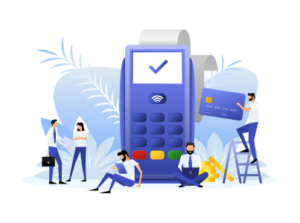
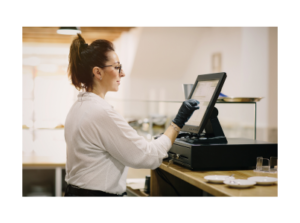
When you think about dining at your favorite restaurant, your mind probably goes to the food, ambiance, and maybe that stellar service from your go-to server. But behind the scenes, there’s an unsung hero quietly orchestrating the entire service experience: the restaurant POS system. Short for Point of Sale, the POS system is more than just a glorified cash register. It’s the trusty sidekick of every restaurant owner, helping them juggle operations that range from taking orders to processing payments and beyond.
Think of the restaurant POS as the brain of your restaurant’s front-end and back-end operations. It’s the technology that bridges the gap between your brilliant chefs, enthusiastic servers, and satisfied customers. But here’s the kicker: A modern POS system isn’t just for popping out receipts or running credit cards anymore. It’s evolved far beyond the counter, transforming how restaurants operate in ways you probably haven’t even realized yet.
How Did POS Systems Revolutionize Restaurants?
Rewind a few decades, and restaurateurs relied on pen-and-paper systems to track sales, take orders, and manage inventory. Sounds chaotic, right? Mistakes in orders were common, sales tracking was tedious, and analyzing profits? A headache, to say the least. When the first digital POS systems started to roll into restaurants, they were game-changers. Suddenly, owners could track every sale, categorize menu items, and make data-driven decisions faster than ever before.
And today? POS systems have advanced to do even more, incorporating features like inventory management, customer loyalty tracking, and mobile order processing. They’re no longer limited to sit-down restaurants either. POS systems have integrated into food trucks, coffee shops, bakeries, and even cloud kitchens. This evolution has allowed restaurateurs to focus on what they’re passionate about – delivering a memorable dining experience – while the technology takes care of the nitty-gritty details.
What’s Beyond the Counter?
The phrase “beyond the counter” aptly describes how POS systems have transcended their traditional use of merely residing at the sales terminal. Here’s what modern restaurant POS systems are capable of:
- Table-Side Ordering: Servers can take orders directly on handheld devices or tablets, reducing errors and speeding up service.
- Mobile Payments: Guests can pay directly at their table, creating a seamless and faster checkout experience.
- Online Integration: With apps and online systems, POS platforms now handle takeout, delivery orders, and even reservations, syncing all data in one place.
- Analytics & Insights: Owners can dive into sales trends, menu performance, and staff productivity with just a few clicks. No more endless spreadsheets!
- Multi-Location Management: Manage multiple outlets or franchises from a single centralized platform, saving time and reducing headaches.
In essence, a POS system evolves based on the needs of the modern restaurant. It’s no longer just about facilitating transactions; it’s about improving the overall efficiency of your restaurant’s workflow while boosting customer satisfaction. Whether you run a small café or a bustling fine-dining establishment, today’s POS systems are designed to take the load off your shoulders.

Breaking Down the Basics: What Really Makes Up a POS System?
So, what exactly is a POS system? Let’s break it down in a straightforward way. A Point-of-Sale (POS) system is a combination of hardware and software that helps restaurants manage their sales transactions, track their inventory, analyze business performance, and even improve the dining experience for customers. It’s like the brain of your restaurant’s operations—keeping everything organized and running smoothly.
At first glance, a POS system may look like little more than a cash register replacement. But wow, these systems are so much more! They’ve evolved into high-tech hubs that support modern restaurants in managing everything from payment processing to staff scheduling. Intrigued? Let’s dive into the key components that make up a restaurant POS system so you can fully understand its magic.
1. Hardware: The Tangible Tools
The hardware is the physical part of the POS system—what you can touch. Think of it as the gear that helps your system function. Here are the main players:
- POS Terminal: This is the heart of the hardware setup. It’s typically a computer or tablet that runs the POS software.
- Cash Register or Drawer: Even in our digital age, cash isn’t dead. Most systems include a cash drawer for handling cash transactions safely.
- Receipt Printer: Receipts still play a role in customer interactions, whether they’re provided in paper form or emailed directly.
- Card Reader: Credit and debit cards are king today. A card reader processes payments quickly and securely.
- Kitchen Display Systems (KDS): This is often a tablet or screen in the kitchen where the chefs see incoming orders, replacing hand-written tickets.
- Barcode Scanner: For restaurants that sell items like bottles of wine or retail products, a barcode scanner speeds up checkout.
Each piece plays a vital role in creating a seamless dining and checkout experience. But hardware is just one side of the coin!
2. Software: The Brain of the Operation
The software is where the real magic happens—it’s the operational command center. Here’s what it handles:
- Order Management: Staff use the software to input and track customer orders. Whether it’s a burger with extra cheese or a latte with soy milk, accuracy is key.
- Payment Processing: POS software ensures smooth transactions via credit cards, mobile payments (like Apple Pay), or traditional cash.
- Inventory Tracking: Good software monitors inventory levels and alerts you when it’s time to reorder essentials like burger patties or coffee beans.
- Employee Management: The system can track clock-ins, clock-outs, and even schedule staff shifts.
- Reporting and Analytics: Visual dashboards show sales trends, best-performing menu items, and more.
The beauty of great POS software is that it’s intuitive, making complex operations feel surprisingly simple.
3. Cloud vs. Local Setup
Modern systems often leverage the cloud, meaning your data is stored and processed online rather than on a local server. But why is this important? Well, with a cloud-based POS, you can access your restaurant’s data anytime, anywhere, from any device. It’s flexibility at its finest. Traditional systems, on the other hand, rely on local servers and may not offer the same ease of remote access. We’ll get into cloud-based setups in more detail later, but for now, remember: cloud equals convenience!
4. Integrations: The Glue That Holds It All Together
A solid POS system offers integrations with other tools you already use—or plan to use. For instance:
- Third-party delivery systems like Uber Eats or DoorDash.
- Accounting software like QuickBooks for easier financial management.
- Loyalty program apps to keep customers coming back.
These integrations help create a seamless ecosystem for your restaurant operations.
Types Explained: From Hardware to Cloud-Based Setups
When it comes to restaurant POS (Point of Sale) systems, choosing the right one can feel a bit like deciding what’s for dinner on a Friday night—there are so many options, and each has its own flavor! Whether you’re running a cozy coffee shop or a bustling fine-dining restaurant, understanding the different types of POS systems is key to running every aspect of your business smoothly.
1. The Hardware-Driven POS: A Classic But Reliable Option
Let’s start with the most traditional type: hardware-driven POS systems. These setups rely on physical devices like touchscreen terminals, cash registers, receipt printers, and barcode scanners. While some may see this as “old school,” there’s no denying their reliability. Hardware-driven systems are perfect for restaurants with a fixed location and steady operations. Here’s why:
- Durability: These systems often include rugged hardware built to withstand spills, grease, and even busy dinner rushes.
- All-in-One Functionality: Some hardware packages include built-in payment processing, inventory tracking, and staff management tools.
- Great for Offline Use: No Wi-Fi? No problem! Many hardware systems function without an internet connection.
However, they come with a hefty upfront cost for equipment and can lack the flexibility modern restaurateurs love. That’s where software-based and cloud-based options come in.
2. Software-Only POS: Flexibility First
Software-based POS systems are growing in popularity for their adaptability and range of features. These systems are ideal for restaurants already equipped with compatible devices like tablets, computers, or even smartphones. Essentially, it’s all about downloading the POS software, and you’re good to go. Here are some highlights:
- Lower Initial Costs: No need to invest heavily in hardware—you can use devices you already own.
- Customizable: Choose a software package tailored to your restaurant’s specific needs, from menu options to order tracking.
- Integration Possibilities: Software-based systems often integrate seamlessly with other tools, such as accounting software or online ordering platforms.
While software-only systems are flexible, they may rely heavily on an internet connection, and you’ll need compatible devices to get started. Still, they offer a great mix of affordability and convenience.
3. Cloud-Based POS: The Future of Dining
Here’s where things get next-level: cloud-based POS systems. These systems are all about mobility and real-time analytics. Instead of storing all your data locally, cloud POS systems host everything on secure servers, so you can access and manage your restaurant’s operations from anywhere in the world.
Cloud-based POS systems are perfect for restaurants looking to embrace modern technology. Why? Check this out:
- Real-Time Syncing: Menus, orders, and inventory data update instantly across multiple devices, keeping your team on the same page.
- Mobility: Cloud POS systems fit seamlessly on handheld tablets or mobile devices, making tableside ordering and payment seamless.
- Scalability: Whether you’re managing one restaurant or several, cloud POS systems can adapt to your restaurant’s growth.
- Accessibility: Manage your restaurant remotely! Want to track last night’s sales while sipping coffee at home? No problem.
While cloud systems shine in flexibility, keep in mind that you’ll need a reliable internet connection. Additionally, monthly subscription fees might add up over time, so budgeting is important.
4. Hybrid Solutions: The Best of Both Worlds
Can’t decide between hardware and cloud-based? No problem—hybrid POS systems bring together the strengths of multiple setup types. These systems combine robust hardware for in-house operations with cloud capabilities for remote access and backups.
Hybrid options offer balance by ensuring stability (even without internet) while providing the flexibility to manage your restaurant on the move. They’re especially useful for restaurants operating in high-speed environments but looking to harness the power of cloud-based analytics.
Why Restaurants Need POS: The Case for Efficiency and Accuracy
Running a restaurant comes with its own set of challenges—busy dinner rushes, late lunch orders, inventory monitoring, and ensuring happy customers. In this chaos, a reliable POS system acts as the unsung hero of restaurant management. But why exactly do restaurants need a POS system? Let’s dive into the ways these systems enhance efficiency and accuracy, leaving no room for unnecessary headaches.
1. Speed Up Order Processing
In the fast-paced world of food service, every second matters. A modern POS system allows servers to quickly send orders directly from the table to the kitchen. This eliminates the need for walking back and forth between the customers dining area and the chef’s workstation. No more lost or forgotten paper tickets, and no more delays in preparing those customer-favorite dishes!
Additionally, many POS systems integrate with handheld devices or tablets, enabling staff to take orders with lightning-fast accuracy without leaving the table. It’s a win-win: orders are processed faster, and customers don’t have to wait for their meals.
2. Reduce Human Error with Built-In Accuracy
Let’s face it—mistakes happen, especially when orders are scribbled on a notepad, and communication between front-of-house and back-of-house gets lost in translation. A POS system drastically reduces these errors by automating the order communication process.
- Clear order details: Orders are sent directly to the kitchen with precise instructions, avoiding errors in meal preparation.
- Customizations made easy: Holding the onions or adding more cheese becomes a breeze when the POS system captures and communicates every modification.
- Split bills without the hassle: Modern POS systems allow staff to divide checks with precision, which makes both customers and staff happy.
This attention to accuracy directly impacts customer satisfaction—nothing ruins a meal faster than getting the wrong dish.
3. Inventory and Reporting at Your Fingertips
A restaurant is only as good as its backend management. POS systems do more than help with orders; they also track inventory levels in real-time. Running out of ingredients? Your system will let you know before a disappointed customer does.
Some high-tech systems even forecast inventory needs based on historical data, helping managers plan menus better and reduce food wastage. Pair this with built-in reporting tools, and you’re looking at a system that provides insights into sales trends, busiest hours, and top-performing menu items—all invaluable data for running a successful restaurant with peak efficiency.
4. Payments Made Seamless
Customers expect swift payment options, and a POS system delivers just that. With features like credit card processing, contactless payments, and even mobile wallet support, your restaurant can offer convenience at every turn. Some systems even include helpful tipping prompts, encouraging gratuity for your hardworking staff while keeping the transaction process swift and positive for your guests.
5. Happy Customers, Happy Business
In the end, the true value of a restaurant POS system is measured by its ability to enhance the customer experience. Faster service, accurate orders, and smooth checkout processes are all ingredients for a pleasant dining experience. And when customers leave happy, they’re far more likely to return—and to bring their friends along next time!
Lesser-Known Features of Modern Restaurant POS Systems
When you think of a restaurant Point of Sale (POS) system, the basics probably come to mind first—processing payments, tracking sales, and managing inventory. But modern POS systems have evolved far beyond the simple cash registers of yesteryear! Packed with clever, lesser-known features, these systems now do so much more to support restaurant owners, staff, and even customers. Let’s dive into some of these hidden gems and explore how they can revolutionize your restaurant operations.
1. Integrated Marketing Tools
Did you know that your POS system can double as a marketing assistant? Many modern POS platforms include built-in marketing tools to help you connect with your customers like never before. Features like:
- Customer Relationship Management (CRM): Track customer preferences and order history to create personalized offers.
- Automated Email Campaigns: Send promotions, loyalty rewards, or special event invitations directly from your POS.
This makes it easier than ever to build long-term relationships with diners and keep them coming back for more!
2. Tableside Ordering for Maximum Efficiency
In the age of digital convenience, why stick to traditional ordering methods? Tableside ordering features allow servers to input customer orders directly into a handheld tablet or mobile device. What’s the upside?
- Faster order processing, as orders go straight to the kitchen or bar.
- Improved accuracy by reducing errors caused by miscommunication or messy handwriting.
- A smoother dining experience for guests, who won’t have to wait as long for their meals.
This feature is especially helpful during busy hours, ensuring your team stays on top of their game!
3. Advanced Reporting and Analytics
If you’re not using your POS system to analyze your business, you’re missing out on a treasure trove of insights. Beyond basic sales tracking, today’s POS platforms can offer detailed data analytics features, such as:
- Sales Trends: Know your best-selling dishes, busiest hours, and seasonal trends.
- Labor Insights: See how well your team is performing and track labor costs in real-time.
- Waste Management: Track inventory turnover to minimize food waste and improve profitability.
These reports aren’t just numbers; they’re actionable insights that empower you to make smarter decisions for your business.
4. Employee Management
Keeping your staff organized can be a challenge, but your POS system can help you streamline employee management. Common features include:
- Shift scheduling and tracking.
- Clock-in/out functionality to simplify payroll.
- Performance tracking to identify top performers and areas for improvement.
By automating these tasks, you save time and allow your team to focus on delivering excellent service.
5. Mobile and Online Ordering Integration
Another understated but invaluable feature is the ability to integrate mobile and online ordering. Many modern POS systems sync directly with third-party delivery platforms or allow customers to place orders through your restaurant’s website or branded app. The benefits?
- Broader reach, as you can cater to dine-in, takeout, and delivery customers seamlessly.
- Increased revenue from tapping into the growing demand for off-premise dining options.
Plus, many systems let you monitor all these channels in one place, saving you from bouncing between platforms.
How POS Systems Change the Game for Small and Large Operations
It doesn’t matter if you’re running a cozy family diner or managing a high-end restaurant chain—Point of Sale (POS) systems are absolute game-changers for the industry. They’ve revolutionized the way food service businesses operate, bridging gaps between old-fashioned ordering systems and cutting-edge technological efficiency. So, how exactly do these systems streamline operations for both small and larger-scale restaurants? Let’s dive in!
Simplifying Operations for Small Restaurants
For small restaurant owners, juggling responsibilities like inventory management, order tracking, and customer service can be overwhelming. This is where POS systems step in to save the day. Here’s how:
- Streamlined Ordering: A modern POS system lets servers take orders directly on tablets or smartphones. Orders are sent instantly to the kitchen, eliminating the risk of errors caused by handwritten notes or verbal communication.
- Inventory Management: Many POS systems come with real-time inventory tracking, letting you monitor stock levels and avoid running out of popular menu items—or worse, overstocking and wasting perishable goods.
- Financial Insights: Small restaurants often struggle to manage finances efficiently with limited staff or tools. POS systems generate automatic daily sales reports, allowing owners to identify top-selling items and peak hours with ease.
By automating mundane tasks, a POS system frees small restaurant owners to focus on delivering exceptional customer experiences. And let’s be honest: there’s nothing better for business than happy guests recommending your food to friends and family!
Transforming Large-Scale Operations
On the flip side, large restaurant operations—whether part of a franchise model or a bustling fine-dining establishment—have different challenges. Complexity increases with scale, but a POS system can rise to the occasion:
- Multi-Location Management: Large operations often face headaches when managing multiple locations. POS systems designed for chains can centralize data—syncing menus, pricing, or promotions across locations while maintaining seamless reporting.
- Kitchen Efficiency: Consistency is key when scaling up. With kitchen display systems (KDS) integrated into the POS, orders are clearly laid out, reducing preparation errors and speeding up the process even during peak hours.
- Analytics at Scale: Managing large operations requires robust data insights. Advanced POS systems provide analytics dashboards that can break down performance metrics—including table turnover rates, staffing needs, and more—across various locations in real time.
By consolidating data and improving communication, a POS system enables larger operations to run like a well-oiled machine. Plus, with less time wasted chasing down inefficiencies, managers can spend more time creating a great dining atmosphere.

The Universal Game-Changer
Regardless of size, a POS system’s value extends beyond just convenience—it paves the way for long-term growth and profitability. By improving order accuracy, reducing waste through better inventory management, and offering insights that drive smart decision-making, restaurateurs are equipped to compete in an ever-challenging industry.
Future Trends in POS Systems: Looking Ahead
Let’s take a moment to look at where restaurant Point of Sale (POS) systems are headed. From what we’ve already seen, it’s safe to say this technology isn’t slowing down—it’s just getting smarter, sleeker, and even more integral to how restaurants operate. Whether you own a cozy neighborhood café or manage a high-volume chain, understanding the future of POS systems isn’t just interesting; it’s crucial if you want to stay ahead. So, what’s next on the menu for these powerful tools? Let’s dig in.
Artificial Intelligence and Machine Learning
Artificial intelligence (AI) is no longer just a futuristic buzzword. In fact, it’s poised to play a larger role in how POS systems operate. Imagine a system that doesn’t just process payments but also predicts your busiest times, recommends menu adjustments based on customer preferences, and even helps reduce food waste by analyzing your inventory trends. AI-powered insights will transform POS systems into full-fledged business strategists—working right by your side to simplify decision-making and boost profits.
Fully Integrated Digital Ecosystems
One of the most exciting trends? POS systems are becoming hyper-connected hubs for your restaurant’s entire operation. In the future, we’ll see even deeper integration with food delivery platforms, online ordering, customer loyalty programs, and marketing tools. The goal is no longer to just process payments—it’s to seamlessly connect every aspect of your restaurant under one umbrella. This means less manual work, fewer headaches, and more time to focus on your food and your customers.
100% Cloud-Based Systems
If you haven’t made the switch to a cloud-based POS system yet, you might find yourself doing so sooner than later. In the future, expect these systems to become the absolute standard. With cloud-based technology, you’ll gain access to real-time data, remote management, and effortless updates. Plus, you’ll have peace of mind knowing your data is securely stored online instead of being tied to a physical device that’s susceptible to damage or theft.
Advanced Payment Options
Cash and cards? Sure. But tomorrow’s POS systems will aim to accommodate cutting-edge payment solutions like digital wallets, cryptocurrency, and tap-to-pay technology. The idea is to serve customers where they are—quite literally—in line with their evolving preferences. A frictionless, fast, and modern payment experience will no longer be the exception; it’ll be the expectation.
Predictive Analytics and Reporting
One of the most powerful shifts in future POS systems will be in their ability to analyze data beyond historical trends. Future systems will leverage predictive analytics to help you make proactive business decisions. For example, they’ll tell you when to stock up on ingredients ahead of a major local event or show which dishes might perform better based on seasonal trends. Essentially, these systems will act as your digital crystal ball!
Emphasis on Sustainability
With increasing focus on sustainability, POS systems will likely support eco-friendly practices, such as helping restaurants optimize portion sizes, track food waste, or partner with suppliers known for responsible sourcing. As diners themselves grow more eco-conscious, these features won’t just be a nice-to-have—they’ll be essential to maintaining customer trust and loyalty.