Author: Ahmad Firdous

  • Restaurant Health Code Violations And How to Avoid Them

    Restaurant Health Code Violations And How to Avoid Them

    Running a restaurant can sometimes feel like a high-stakes juggling act. Between crafting the perfect menu, managing your team, and keeping customers returning, it’s easy for health codes to fall to the back burner. But here’s the deal: avoiding common health code violations isn’t just about acing inspections—it’s about safeguarding your customers’ well-being and protecting your business reputation.

    Cross-Contamination: The Invisible Threat in Your Kitchen

    Let’s face it: your kitchen may look spotless, but cross-contamination doesn’t play by the rules of appearances. It’s sneaky, invisible, and one of the top reasons health inspectors flag restaurants. The good news? This is absolutely preventable if you know what to watch out for and take clear steps to safeguard your operation.

    What Exactly Is Cross-Contamination?

    To put it simply, cross-contamination occurs when harmful bacteria or allergens transfer from one surface, food, or utensil to another. This invisible transfer can happen surprisingly fast and often goes unnoticed until it causes foodborne illnesses or allergic reactions. The scariest part? It’s often human behavior or minor oversights that allow these dangers to spread.

    Restaurant Health Code Violations And How to Avoid Them

    The Invisible Pathways of Cross-Contamination

    Cross-contamination spreads through several routes. Knowing these pathways is the first step toward prevention:

    • Dirty Cutting Boards: Using one board for raw meat and then for fresh veggies without cleaning it in-between is a classic error.
    • Unwashed Hands: Handling raw chicken and then immediately touching cookware, plates, or other foods spreads bacteria like wildfire.
    • Shared Utensils: Reusing knives, tongs, or spatulas without washing them properly can easily transfer bacteria.
    • Improper Food Storage: Say goodbye to stacking raw and cooked foods together! Fluids from raw items like meat or fish can drip and contaminate ready-to-eat foods.

    Avoiding Cross-Contamination Like a Pro

    Yes, cross-contamination is sneaky, but it’s not unstoppable. A few conscientious practices can keep it at bay. Here’s how to turn your kitchen into a safe zone using the best apps for self improvement and consistent hygiene habits for better awareness and control.

    1. Dedicate Cutting Boards: Keep separate cutting boards for different food groups—meats, veggies, bread, etc. Better yet, use color-coded ones. Pro tip: a red board for raw meat is a chef’s best friend!
    2. Wash Hands Religiously: The sink isn’t just decorative. Staff should wash their hands with warm water and soap after handling raw food, using the restroom, sneezing, or touching anything that can spread bacteria.
    3. Sanitize Utensils Between Uses: From knives to mixing bowls, give all tools a good scrub with hot water and soap before switching foods. Dishwashers and sanitizing chemicals are lifesavers here.
    4. Organize Your Storage Smartly: Always store raw items like meat and eggs on lower shelves to prevent drippings from contaminating other foods. Seal everything tightly in proper containers.

    The Role of Temperature Control

    Another silent player in cross-contamination: temperature abuse. Bacteria thrive in temperatures between 40°F and 140°F (commonly known as the “danger zone”). Keep cold foods cold (below 40°F) and hot foods hot (above 140°F). And always use a food thermometer to make sure you hit those safe cooking temps.

    It Takes a Team Effort

    Don’t underestimate the power of teamwork when it comes to stopping cross-contamination. Consistent staff training on proper food safety practices is your ace in the hole. Help employees understand why these measures matter and how their actions directly impact your operation’s safety record—and, ultimately, your diner’s health.

    Food Handling: The Right and Wrong Practices You Need to Know

    When it comes to running a restaurant, food handling isn’t just about following rules—it’s about protecting your customers and your reputation. Mishandling food can lead to health code violations, bad reviews, or worse, foodborne illnesses. But don’t worry; mastering the do’s and don’ts of food handling is easier than you might think. Let’s dig in!

    Why Proper Food Handling Matters

    From ensuring your chicken is fully cooked to keeping raw and ready-to-eat foods separate, food handling practices can make or break your kitchen’s success. Poor handling can lead to contamination, sick customers, and hefty fines during inspections. It’s your responsibility to create a safe kitchen environment where your team knows how to handle every ingredient with care. No guesswork—just food safety done right.

    What Are the Right Food Handling Practices?

    Let’s start with the basics. These simple yet effective tips should be non-negotiable in your kitchen:

    • Wash Hands, Wash Hands, Wash Hands: This cannot be overstated. Staff should wash their hands for at least 20 seconds with soap and water before handling food, after touching raw ingredients, and after any potentially contaminating activity (like using the restroom or handling trash).
    • Keep Ingredients at the Right Temperature: Cold foods must stay at 40°F or lower, while hot foods should be kept at 140°F or higher. Use calibrated thermometers to check temperatures daily and during prep or service.
    • Avoid Bare-Hand Contact with Ready-to-Eat Foods: Gloves, tongs, spatulas, or deli paper should be used when serving food like salads, bread, or garnishes.
    • Label and Date Everything: Proper labeling—a simple step—allows you to rotate stock regularly and ensure everything is used before it spoils. It also helps inspectors see your commitment to safety.
    • Clean Cutting Boards Thoroughly: Invest in color-coded cutting boards to reduce the risk of cross-contamination. Red for raw meat, green for produce, and so on. After each use, wash with hot, soapy water and sanitize properly.

    What Can Go Wrong? Food Handling Mistakes to Avoid

    Unfortunately, simple errors in food handling are some of the most common violations inspectors see. Avoid these all-too-common pitfalls:

    1. Storing Raw Meats Above Prepared Foods: This rookie mistake can lead to dangerous drippings contaminating ready-to-eat dishes. Always store raw proteins on the bottom shelves.
    2. Skipping Temperature Checks: “Guessing” whether food is hot or cold enough is never acceptable. Equip your team with thermometers and make temperature checks part of your routine.
    3. Using the Same Utensil for Raw and Cooked Foods: A cutting board or knife used on raw chicken cannot touch cooked chicken. Always change utensils to prevent contamination.
    4. Neglecting to Change Gloves: Gloves only protect food if used correctly. Staff should change gloves whenever switching tasks or after handling raw ingredients. Gloves that stick with one task too long become a health threat, not a solution.

    How to Build a Food-Safe Kitchen Culture

    The key to success? Create a culture where food safety is second nature—from the newest staff member to your most seasoned cook. Try these tips:

    • Regular Training: Make food safety training a recurring event, not a one-and-done lecture. Quick refreshers keep everyone sharp and aware of best practices.
    • Lead by Example: Management must model the correct practices at all times. Your team will follow your lead—so sanitize those cutting boards and wash those hands!
    • Daily Checklists: Use opening and closing checklists to cover food safety priorities during every shift. Consistency keeps surprises (and fines) at bay.

    Cleaning Protocols: The Overlooked Details That Make All the Difference

    Cleaning your restaurant isn’t just about making the place sparkle for guests—it’s the backbone of food safety and compliance. Yet, it’s surprising how many eateries overlook the little details that can lead to health code violations. Let’s dive into those often-missed cleaning protocols that keep inspectors happy and, more importantly, protect your customers.

    Why Cleaning Isn’t Just “Cleaning”

    We get it: cleaning might not be the most glamorous part of running a restaurant, but it’s essential for preventing bacteria, pests, and general kitchen chaos. Importantly, thorough cleaning helps you stay ahead of harmful pathogens like Salmonella, E. coli, and Listeria. Beyond that, it’s about consistency—because when shortcuts are taken, problems inevitably arise.

    1. The Hard-to-Reach Spots You Can’t Afford to Ignore

    Yes, you’re probably mopping the floors and cleaning countertops daily. But what about the sneaky areas where dirt and grime love to hide? Here are some hotspots that often get overlooked:

    • Under equipment: Refrigerators, ovens, and deep fryers often hide grease and food buildup. Plan a deep-cleaning schedule to tackle these areas at least once a week.
    • Ventilation hoods: Grease accumulates here and can lead to both health risks and fire hazards. Regularly degrease and clean with the proper tools to comply with safety standards.
    • Door handles and light switches: These high-touch points can harbor germs but are rarely on the cleaning checklist. A quick wipe-down with disinfectant can help tremendously.
    • Drains: Odors and bacteria love neglected drains. Cleaning them monthly with food-safe solutions goes a long way in preventing blockages and bacteria growth.

    2. Choosing the Right Cleaning Products

    Not all cleaning products are created equal, and using the wrong ones can not only fail to disinfect properly but may also introduce allergens into your kitchen. Look for food-grade cleaning agents—these are specifically designed to clean surfaces that come into contact with food.

    Additionally, avoid mixing chemicals (like bleach and ammonia) as this can create dangerous fumes. Train your staff to understand when and how to use sanitizers, degreasers, and disinfectants, and ensure Material Safety Data Sheets (MSDS) for all chemicals are easily accessible.

    3. Set Up Easy-To-Follow Cleaning Checklists

    We all know that during busy shifts, cleaning tasks can get deprioritized—but not if you have a system. Here’s how you can ensure everyone stays on top of things:

    1. Create a detailed task list for daily, weekly, and monthly cleaning jobs.
    2. Label or color-code cleaning tools for specific areas (e.g., keeping the mop for the dining area separate from the one for the restrooms).
    3. Incorporate timers or scheduled reminders for deep cleaning tasks. Little nudges can help avoid overlooked duties.
    4. Assign specific responsibilities to staff members at the beginning of each shift, so accountability is clear.

    These lists make tasks less overwhelming and ensure nothing important falls through the cracks.

    4. Pay Attention to Cleaning Frequency

    Consistency is key. While every surface may not need to be scrubbed daily, key areas like prep spaces and cutting boards should be sanitized multiple times throughout the day. Here’s a quick guideline:

    • After each use: Clean knives, cutting boards, prep surfaces, and any utensils used for raw meat or produce.
    • Every shift: Sweep and mop floors, sanitize countertops, and clean high-touch areas.
    • Weekly deep-clean: Scrub floor mats, degrease cooking equipment, and address under-counter and hidden spaces.

    5. Involve Your Staff in the Process

    Your team is your front line. Provide them with hands-on training about cleaning protocols and why they’re crucial. When your staff knows that neglected cleaning can lead to violations—or worse, foodborne illnesses—they’ll be more likely to take these tasks seriously.

    Make cleaning part of the culture in your restaurant. Celebrate staff members who go the extra mile to keep things tidy and consider investing in incentives or formal recognition for their efforts.

    Staff Training: Equip Your Team to Handle Inspections Smoothly

    In any restaurant, it’s your team of employees who are on the front lines of food safety and hygiene. While dazzling recipes and top-notch service are key to a restaurant’s success, a lack of proper training in health and safety can lead to costly violations during inspections. Let’s dig into why staff training matters and how you can use it to ensure smooth inspections every time.

    Why is Staff Training Essential?

    Even the most sophisticated health procedures won’t work if your team doesn’t know how to implement them. Inspectors are not just judging your equipment or storage practices—they’re observing your staff in action. From improper handwashing techniques to incorrect food storage handling, a single misstep could put your restaurant in violation. That’s why having a well-trained team is crucial. They’re the ones who will keep your restaurant compliant when it counts the most.

    Building a Team Ready for Inspections

    The goal isn’t just to avoid violations; it’s to create a culture of awareness and accountability. Here’s how you can empower your staff to feel confident about health inspections:

    • Start with a Comprehensive Onboarding: From day one, new hires should have a clear understanding of your restaurant’s health and safety policies. Use a mix of manuals, in-person demonstrations, and digital tools to cover the basics of food safety, hygiene, and sanitation.
    • Offer Hands-On Training: Theory is important, but practice is where real learning happens. Conduct regular workshops or shadowing sessions to teach staff about proper cleaning, cooking temperatures, avoiding cross-contamination, and safe food handling techniques.
    • Make Inspections a Team Event: Instead of leaving preparations to management, involve the entire staff in pre-inspection checklists. Show them how to double-check cleaning supplies, label expiration dates properly, and verify that all processes meet code regulations.

    Open Lines of Communication

    Your team needs to feel comfortable voicing their doubts, so encourage open communication. Set up a system where staff can ask questions or report any confusion they might have regarding food safety practices. Remember, an informed and confident employee is an asset during surprise inspections.

    Using Technology for Consistency

    Invest in tools that can make your team’s job easier! Apps to help monitor fridge temperatures, reminders for deep-cleaning schedules, or food safety software to help keep compliance tasks organized and inspection records consistent can reduce human error. Technology isn’t a replacement for training, but it’s an excellent way to reinforce good habits.

    Regular Refresher Courses

    Even seasoned staff benefit from occasional reminders of health code updates and best practices. Quarterly or biannual check-ins help integrate changes in local regulations and ensure that the knowledge stays fresh. Challenge them with quizzes or certification programs along with a recognition award from a digital badging platform to make learning engaging!

    Avoiding the Panic Mode

    One of the best outcomes of proper training is that inspections don’t have to feel like a high-stakes game. Train your team to treat inspections as opportunities to shine, instead of something to fear. A prepared staff ensures your restaurant remains compliant and upholds its commitment to customer safety.

    Storage Mistakes: The Silent Culprits That Compromise Safety

    Storage may seem like a no-brainer—stack the boxes, pop the food on the shelves, and call it a day, right? Well, not exactly. In the world of restaurant health codes, improper storage is often a sneaky troublemaker that can land you in hot water during inspections or, worse, put your customers at risk. Let’s dive into some of the biggest storage mistakes and, more importantly, easy ways to fix them. Don’t worry; we’ve got your back!

    1. Stacking Raw and Ready-to-Eat Foods Haphazardly

    How you arrange items in your storage units isn’t just about maximizing space—it’s about keeping foods safe and uncontaminated. Placing raw meats above ready-to-eat foods is a huge no-no. Why? Because raw food juices can drip and spread harmful bacteria, ruining otherwise clean ingredients.

    How to avoid this: Always store raw meats, seafood, and poultry on the lowest shelves. Keep ready-to-eat items and cooked foods higher up. If possible, assign designated shelves so there’s no confusion.

    2. Neglecting Proper Temperature Control

    Cold storage is one of the most critical areas where things can go sideways. Freezers and refrigerators must maintain specific temperature ranges to keep bacteria at bay. Letting your fridge creep above 41°F is a recipe for disaster (and not the good kind).

    How to avoid this:

    • Use properly calibrated thermometers inside all refrigeration units.
    • Regularly monitor and record temperatures to spot fluctuations early.
    • Keep doors closed and minimize how often you access cold storage to help maintain steady internal temps.

    3. Ignoring FIFO (First In, First Out)

    Letting older inventory linger at the back of your shelves can lead to spoiled goods and unhappy health inspectors. “Out of sight, out of mind” doesn’t fly in food safety!

    How to avoid this: Organize your storage using the FIFO principle. That means arranging newer stock behind older stock so the oldest items are used first. Label everything clearly with dates so staff knows what to grab. Not only does this reduce waste, but it also ensures food is served at its freshest.

    4. Overcrowding Your Storage Spaces

    Overstuffed shelves or jam-packed refrigeration units may seem efficient, but they can compromise air circulation, making it harder to maintain safe temperatures. Plus, overcrowding means higher chances of accidental spills and cross-contamination.

    How to avoid this: Avoid storing more food than your facility can comfortably handle. Maintain a storage inventory routine and consider reorganizing or expanding storage space if things feel too cramped.

    5. Improper Use of Food Containers

    Not all containers are created equal. Using non-food-grade containers or neglecting to cover items properly can invite contamination. Plus, if something leaks inside a container, it could spill over and affect other nearby foods.

    How to avoid this:

    • Invest in food-grade, sealable containers designed for safe storage.
    • Label each container with its contents and “use by” date.
    • Keep lids sealed tight and store items on clean, sanitized shelving.

    The Red Flags Inspectors Notice First and How to Address Them

    Picture this: an inspector enters your restaurant, clipboard in hand, ready to evaluate your establishment. First impressions mean everything—not just for diners, but also for health inspectors. So, what red flags grab their attention right off the bat? Let’s uncover these warning signs and, more importantly, how you can eliminate them before they become an issue.

    Restaurant Health Code Violations And How to Avoid Them

    1. A Messy Entrance or Front-of-House Area

    The front-of-house area sets the tone for the health inspector’s visit. If the lobby or dining area is dirty, cluttered, or disorganized, that’s their first clue that things might not be much better behind the scenes. How can you address this?

    • Keep it spotless: Floors should be swept and mopped regularly, and surfaces should be wiped down consistently.
    • Maintain impeccable restrooms: These are part of the dining experience and reflect how you manage cleanliness restaurant-wide. Keep soap dispensers filled, fix leaky fixtures, and remove trash frequently.
    • Remove clutter: An organized space not only looks professional but also ensures safety and compliance.

    The front-of-house is often the “face” of your restaurant—make sure it shines!

    2. Improper Food Displays

    Inspectors are eagle-eyed when it comes to food displays in buffets, salad bars, or counter services. Items positioned at incorrect temperatures or exposed without proper covering could spell trouble. Here’s how you can ace your presentation:

    • Temperature control: Make sure foods requiring refrigeration are kept below 41°F, while hot items remain at 135°F or above.
    • Proper coverings: Use sneeze guards, lids, or other protective barriers to shield open food items from potential contaminants.
    • Labeling: Clearly label allergen-friendly or specialty items to avoid confusion, earning you extra points for customer safety.

    Your food may look delicious, but safety should always take the main stage.

    3. Noticeable Pest Control Issues

    If there’s one thing that will send an inspector running for the exit—it’s serious signs of pests. Whether it’s rodent droppings or fruit flies buzzing about, even faint evidence of an infestation can result in serious consequences. To stay on top of this:

    1. Seal entry points: Inspect windows, doors, and other openings for cracks or gaps. Bugs and pests are sneaky!
    2. Clean the drains: Food debris in sink or floor drains attracts pests—schedule regular cleanings to prevent buildup.
    3. Hire professionals: Establish a pest management program to perform routine inspections and treatments as needed.

    Pest control is a non-negotiable part of food safety—don’t let it fall low on your priority list.

    4. Non-Compliant Employee Practices

    Frontline staff are a restaurant’s heart, but their mistakes can make an inspection less than stellar. From improper uniforms to lack of hygiene practices, health inspectors are keen to observe employees in action. Address this by:

    • Enforcing proper uniforms: Require uniforms to be clean and include gloves, hair nets, or hats as necessary.
    • Building hygiene habits: Regular, visible handwashing is an indicator of a well-run facility. Place signage to guide this practice.
    • Footwear checks: Make sure staff wear slip-resistant, closed-toe shoes—this promotes safety and professionalism.

    Small details in employee behavior often signal larger operational standards to inspectors.

  • What is a restaurant POS system POS definition types and benefits

    What is a restaurant POS system POS definition types and benefits

    When you think about dining at your favorite restaurant, your mind probably goes to the food, ambiance, and maybe that stellar service from your go-to server. But behind the scenes, there’s an unsung hero quietly orchestrating the entire service experience: the restaurant POS system. Short for Point of Sale, the POS system is more than just a glorified cash register. It’s the trusty sidekick of every restaurant owner, helping them juggle operations that range from taking orders to processing payments and beyond.

    Think of the restaurant POS as the brain of your restaurant’s front-end and back-end operations. It’s the technology that bridges the gap between your brilliant chefs, enthusiastic servers, and satisfied customers. But here’s the kicker: A modern POS system isn’t just for popping out receipts or running credit cards anymore. It’s evolved far beyond the counter, transforming how restaurants operate in ways you probably haven’t even realized yet.

    How Did POS Systems Revolutionize Restaurants?

    Rewind a few decades, and restaurateurs relied on pen-and-paper systems to track sales, take orders, and manage inventory. Sounds chaotic, right? Mistakes in orders were common, sales tracking was tedious, and analyzing profits? A headache, to say the least. When the first digital POS systems started to roll into restaurants, they were game-changers. Suddenly, owners could track every sale, categorize menu items, and make data-driven decisions faster than ever before.

    And today? POS systems have advanced to do even more, incorporating features like inventory management, customer loyalty tracking, and mobile order processing. They’re no longer limited to sit-down restaurants either. POS systems have integrated into food trucks, coffee shops, bakeries, and even cloud kitchens. This evolution has allowed restaurateurs to focus on what they’re passionate about – delivering a memorable dining experience – while the technology takes care of the nitty-gritty details.

    What’s Beyond the Counter?

    The phrase “beyond the counter” aptly describes how POS systems have transcended their traditional use of merely residing at the sales terminal. Here’s what modern restaurant POS systems are capable of:

    • Table-Side Ordering: Servers can take orders directly on handheld devices or tablets, reducing errors and speeding up service.
    • Mobile Payments: Guests can pay directly at their table, creating a seamless and faster checkout experience.
    • Online Integration: With apps and online systems, POS platforms now handle takeout, delivery orders, and even reservations, syncing all data in one place.
    • Analytics & Insights: Owners can dive into sales trends, menu performance, and staff productivity with just a few clicks. No more endless spreadsheets!
    • Multi-Location Management: Manage multiple outlets or franchises from a single centralized platform, saving time and reducing headaches.

    In essence, a POS system evolves based on the needs of the modern restaurant. It’s no longer just about facilitating transactions; it’s about improving the overall efficiency of your restaurant’s workflow while boosting customer satisfaction. Whether you run a small café or a bustling fine-dining establishment, today’s POS systems are designed to take the load off your shoulders.

    restaurant POS system POS definition types and benefits

    Breaking Down the Basics: What Really Makes Up a POS System?

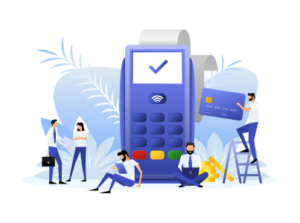
    So, what exactly is a POS system? Let’s break it down in a straightforward way. A Point-of-Sale (POS) system is a combination of hardware and software that helps restaurants manage their sales transactions, track their inventory, analyze business performance, and even improve the dining experience for customers. It’s like the brain of your restaurant’s operations—keeping everything organized and running smoothly.

    At first glance, a POS system may look like little more than a cash register replacement. But wow, these systems are so much more! They’ve evolved into high-tech hubs that support modern restaurants in managing everything from payment processing to staff scheduling. Intrigued? Let’s dive into the key components that make up a restaurant POS system so you can fully understand its magic.

    1. Hardware: The Tangible Tools

    The hardware is the physical part of the POS system—what you can touch. Think of it as the gear that helps your system function. Here are the main players:

    • POS Terminal: This is the heart of the hardware setup. It’s typically a computer or tablet that runs the POS software.
    • Cash Register or Drawer: Even in our digital age, cash isn’t dead. Most systems include a cash drawer for handling cash transactions safely.
    • Receipt Printer: Receipts still play a role in customer interactions, whether they’re provided in paper form or emailed directly.
    • Card Reader: Credit and debit cards are king today. A card reader processes payments quickly and securely.
    • Kitchen Display Systems (KDS): This is often a tablet or screen in the kitchen where the chefs see incoming orders, replacing hand-written tickets.
    • Barcode Scanner: For restaurants that sell items like bottles of wine or retail products, a barcode scanner speeds up checkout.

    Each piece plays a vital role in creating a seamless dining and checkout experience. But hardware is just one side of the coin!

    2. Software: The Brain of the Operation

    The software is where the real magic happens—it’s the operational command center. Here’s what it handles:

    • Order Management: Staff use the software to input and track customer orders. Whether it’s a burger with extra cheese or a latte with soy milk, accuracy is key.
    • Payment Processing: POS software ensures smooth transactions via credit cards, mobile payments (like Apple Pay), or traditional cash.
    • Inventory Tracking: Good software monitors inventory levels and alerts you when it’s time to reorder essentials like burger patties or coffee beans.
    • Employee Management: The system can track clock-ins, clock-outs, and even schedule staff shifts.
    • Reporting and Analytics: Visual dashboards show sales trends, best-performing menu items, and more.

    The beauty of great POS software is that it’s intuitive, making complex operations feel surprisingly simple.

    3. Cloud vs. Local Setup

    Modern systems often leverage the cloud, meaning your data is stored and processed online rather than on a local server. But why is this important? Well, with a cloud-based POS, you can access your restaurant’s data anytime, anywhere, from any device. It’s flexibility at its finest. Traditional systems, on the other hand, rely on local servers and may not offer the same ease of remote access. We’ll get into cloud-based setups in more detail later, but for now, remember: cloud equals convenience!

    4. Integrations: The Glue That Holds It All Together

    A solid POS system offers integrations with other tools you already use—or plan to use. For instance:

    • Third-party delivery systems like Uber Eats or DoorDash.
    • Accounting software like QuickBooks for easier financial management.
    • Loyalty program apps to keep customers coming back.

    These integrations help create a seamless ecosystem for your restaurant operations.

    Types Explained: From Hardware to Cloud-Based Setups

    When it comes to restaurant POS (Point of Sale) systems, choosing the right one can feel a bit like deciding what’s for dinner on a Friday night—there are so many options, and each has its own flavor! Whether you’re running a cozy coffee shop or a bustling fine-dining restaurant, understanding the different types of POS systems is key to running every aspect of your business smoothly.

    1. The Hardware-Driven POS: A Classic But Reliable Option

    Let’s start with the most traditional type: hardware-driven POS systems. These setups rely on physical devices like touchscreen terminals, cash registers, receipt printers, and barcode scanners. While some may see this as “old school,” there’s no denying their reliability. Hardware-driven systems are perfect for restaurants with a fixed location and steady operations. Here’s why:

    • Durability: These systems often include rugged hardware built to withstand spills, grease, and even busy dinner rushes.
    • All-in-One Functionality: Some hardware packages include built-in payment processing, inventory tracking, and staff management tools.
    • Great for Offline Use: No Wi-Fi? No problem! Many hardware systems function without an internet connection.

    However, they come with a hefty upfront cost for equipment and can lack the flexibility modern restaurateurs love. That’s where software-based and cloud-based options come in.

    2. Software-Only POS: Flexibility First

    Software-based POS systems are growing in popularity for their adaptability and range of features. These systems are ideal for restaurants already equipped with compatible devices like tablets, computers, or even smartphones. Essentially, it’s all about downloading the POS software, and you’re good to go. Here are some highlights:

    • Lower Initial Costs: No need to invest heavily in hardware—you can use devices you already own.
    • Customizable: Choose a software package tailored to your restaurant’s specific needs, from menu options to order tracking.
    • Integration Possibilities: Software-based systems often integrate seamlessly with other tools, such as accounting software or online ordering platforms.

    While software-only systems are flexible, they may rely heavily on an internet connection, and you’ll need compatible devices to get started. Still, they offer a great mix of affordability and convenience.

    3. Cloud-Based POS: The Future of Dining

    Here’s where things get next-level: cloud-based POS systems. These systems are all about mobility and real-time analytics. Instead of storing all your data locally, cloud POS systems host everything on secure servers, so you can access and manage your restaurant’s operations from anywhere in the world.

    Cloud-based POS systems are perfect for restaurants looking to embrace modern technology. Why? Check this out:

    • Real-Time Syncing: Menus, orders, and inventory data update instantly across multiple devices, keeping your team on the same page.
    • Mobility: Cloud POS systems fit seamlessly on handheld tablets or mobile devices, making tableside ordering and payment seamless.
    • Scalability: Whether you’re managing one restaurant or several, cloud POS systems can adapt to your restaurant’s growth.
    • Accessibility: Manage your restaurant remotely! Want to track last night’s sales while sipping coffee at home? No problem.

    While cloud systems shine in flexibility, keep in mind that you’ll need a reliable internet connection. Additionally, monthly subscription fees might add up over time, so budgeting is important.

    4. Hybrid Solutions: The Best of Both Worlds

    Can’t decide between hardware and cloud-based? No problem—hybrid POS systems bring together the strengths of multiple setup types. These systems combine robust hardware for in-house operations with cloud capabilities for remote access and backups.

    Hybrid options offer balance by ensuring stability (even without internet) while providing the flexibility to manage your restaurant on the move. They’re especially useful for restaurants operating in high-speed environments but looking to harness the power of cloud-based analytics.

    Why Restaurants Need POS: The Case for Efficiency and Accuracy

    Running a restaurant comes with its own set of challenges—busy dinner rushes, late lunch orders, inventory monitoring, and ensuring happy customers. In this chaos, a reliable POS system acts as the unsung hero of restaurant management. But why exactly do restaurants need a POS system? Let’s dive into the ways these systems enhance efficiency and accuracy, leaving no room for unnecessary headaches.

    1. Speed Up Order Processing

    In the fast-paced world of food service, every second matters. A modern POS system allows servers to quickly send orders directly from the table to the kitchen. This eliminates the need for walking back and forth between the customers dining area and the chef’s workstation. No more lost or forgotten paper tickets, and no more delays in preparing those customer-favorite dishes!

    Additionally, many POS systems integrate with handheld devices or tablets, enabling staff to take orders with lightning-fast accuracy without leaving the table. It’s a win-win: orders are processed faster, and customers don’t have to wait for their meals.

    2. Reduce Human Error with Built-In Accuracy

    Let’s face it—mistakes happen, especially when orders are scribbled on a notepad, and communication between front-of-house and back-of-house gets lost in translation. A POS system drastically reduces these errors by automating the order communication process.

    • Clear order details: Orders are sent directly to the kitchen with precise instructions, avoiding errors in meal preparation.
    • Customizations made easy: Holding the onions or adding more cheese becomes a breeze when the POS system captures and communicates every modification.
    • Split bills without the hassle: Modern POS systems allow staff to divide checks with precision, which makes both customers and staff happy.

    This attention to accuracy directly impacts customer satisfaction—nothing ruins a meal faster than getting the wrong dish.

    3. Inventory and Reporting at Your Fingertips

    A restaurant is only as good as its backend management. POS systems do more than help with orders; they also track inventory levels in real-time. Running out of ingredients? Your system will let you know before a disappointed customer does.

    Some high-tech systems even forecast inventory needs based on historical data, helping managers plan menus better and reduce food wastage. Pair this with built-in reporting tools, and you’re looking at a system that provides insights into sales trends, busiest hours, and top-performing menu items—all invaluable data for running a successful restaurant with peak efficiency.

    4. Payments Made Seamless

    Customers expect swift payment options, and a POS system delivers just that. With features like credit card processing, contactless payments, and even mobile wallet support, your restaurant can offer convenience at every turn. Some systems even include helpful tipping prompts, encouraging gratuity for your hardworking staff while keeping the transaction process swift and positive for your guests.

    5. Happy Customers, Happy Business

    In the end, the true value of a restaurant POS system is measured by its ability to enhance the customer experience. Faster service, accurate orders, and smooth checkout processes are all ingredients for a pleasant dining experience. And when customers leave happy, they’re far more likely to return—and to bring their friends along next time!

    Lesser-Known Features of Modern Restaurant POS Systems

    When you think of a restaurant Point of Sale (POS) system, the basics probably come to mind first—processing payments, tracking sales, and managing inventory. But modern POS systems have evolved far beyond the simple cash registers of yesteryear! Packed with clever, lesser-known features, these systems now do so much more to support restaurant owners, staff, and even customers. Let’s dive into some of these hidden gems and explore how they can revolutionize your restaurant operations.

    1. Integrated Marketing Tools

    Did you know that your POS system can double as a marketing assistant? Many modern POS platforms include built-in marketing tools to help you connect with your customers like never before. Features like:

    • Customer Relationship Management (CRM): Track customer preferences and order history to create personalized offers.
    • Automated Email Campaigns: Send promotions, loyalty rewards, or special event invitations directly from your POS.

    This makes it easier than ever to build long-term relationships with diners and keep them coming back for more!

    2. Tableside Ordering for Maximum Efficiency

    In the age of digital convenience, why stick to traditional ordering methods? Tableside ordering features allow servers to input customer orders directly into a handheld tablet or mobile device. What’s the upside?

    • Faster order processing, as orders go straight to the kitchen or bar.
    • Improved accuracy by reducing errors caused by miscommunication or messy handwriting.
    • A smoother dining experience for guests, who won’t have to wait as long for their meals.

    This feature is especially helpful during busy hours, ensuring your team stays on top of their game!

    3. Advanced Reporting and Analytics

    If you’re not using your POS system to analyze your business, you’re missing out on a treasure trove of insights. Beyond basic sales tracking, today’s POS platforms can offer detailed data analytics features, such as:

    • Sales Trends: Know your best-selling dishes, busiest hours, and seasonal trends.
    • Labor Insights: See how well your team is performing and track labor costs in real-time.
    • Waste Management: Track inventory turnover to minimize food waste and improve profitability.

    These reports aren’t just numbers; they’re actionable insights that empower you to make smarter decisions for your business.

    4. Employee Management

    Keeping your staff organized can be a challenge, but your POS system can help you streamline employee management. Common features include:

    • Shift scheduling and tracking.
    • Clock-in/out functionality to simplify payroll.
    • Performance tracking to identify top performers and areas for improvement.

    By automating these tasks, you save time and allow your team to focus on delivering excellent service.

    5. Mobile and Online Ordering Integration

    Another understated but invaluable feature is the ability to integrate mobile and online ordering. Many modern POS systems sync directly with third-party delivery platforms or allow customers to place orders through your restaurant’s website or branded app. The benefits?

    • Broader reach, as you can cater to dine-in, takeout, and delivery customers seamlessly.
    • Increased revenue from tapping into the growing demand for off-premise dining options.

    Plus, many systems let you monitor all these channels in one place, saving you from bouncing between platforms.

    How POS Systems Change the Game for Small and Large Operations

    It doesn’t matter if you’re running a cozy family diner or managing a high-end restaurant chain—Point of Sale (POS) systems are absolute game-changers for the industry. They’ve revolutionized the way food service businesses operate, bridging gaps between old-fashioned ordering systems and cutting-edge technological efficiency. So, how exactly do these systems streamline operations for both small and larger-scale restaurants? Let’s dive in!

    Simplifying Operations for Small Restaurants

    For small restaurant owners, juggling responsibilities like inventory management, order tracking, and customer service can be overwhelming. This is where POS systems step in to save the day. Here’s how:

    • Streamlined Ordering: A modern POS system lets servers take orders directly on tablets or smartphones. Orders are sent instantly to the kitchen, eliminating the risk of errors caused by handwritten notes or verbal communication.
    • Inventory Management: Many POS systems come with real-time inventory tracking, letting you monitor stock levels and avoid running out of popular menu items—or worse, overstocking and wasting perishable goods.
    • Financial Insights: Small restaurants often struggle to manage finances efficiently with limited staff or tools. POS systems generate automatic daily sales reports, allowing owners to identify top-selling items and peak hours with ease.

    By automating mundane tasks, a POS system frees small restaurant owners to focus on delivering exceptional customer experiences. And let’s be honest: there’s nothing better for business than happy guests recommending your food to friends and family!

    Transforming Large-Scale Operations

    On the flip side, large restaurant operations—whether part of a franchise model or a bustling fine-dining establishment—have different challenges. Complexity increases with scale, but a POS system can rise to the occasion:

    • Multi-Location Management: Large operations often face headaches when managing multiple locations. POS systems designed for chains can centralize data—syncing menus, pricing, or promotions across locations while maintaining seamless reporting.
    • Kitchen Efficiency: Consistency is key when scaling up. With kitchen display systems (KDS) integrated into the POS, orders are clearly laid out, reducing preparation errors and speeding up the process even during peak hours.
    • Analytics at Scale: Managing large operations requires robust data insights. Advanced POS systems provide analytics dashboards that can break down performance metrics—including table turnover rates, staffing needs, and more—across various locations in real time.

    By consolidating data and improving communication, a POS system enables larger operations to run like a well-oiled machine. Plus, with less time wasted chasing down inefficiencies, managers can spend more time creating a great dining atmosphere.
    restaurant POS system POS definition types and benefits

    The Universal Game-Changer

    Regardless of size, a POS system’s value extends beyond just convenience—it paves the way for long-term growth and profitability. By improving order accuracy, reducing waste through better inventory management, and offering insights that drive smart decision-making, restaurateurs are equipped to compete in an ever-challenging industry.

    Future Trends in POS Systems: Looking Ahead

    Let’s take a moment to look at where restaurant Point of Sale (POS) systems are headed. From what we’ve already seen, it’s safe to say this technology isn’t slowing down—it’s just getting smarter, sleeker, and even more integral to how restaurants operate. Whether you own a cozy neighborhood café or manage a high-volume chain, understanding the future of POS systems isn’t just interesting; it’s crucial if you want to stay ahead. So, what’s next on the menu for these powerful tools? Let’s dig in.

    Artificial Intelligence and Machine Learning

    Artificial intelligence (AI) is no longer just a futuristic buzzword. In fact, it’s poised to play a larger role in how POS systems operate. Imagine a system that doesn’t just process payments but also predicts your busiest times, recommends menu adjustments based on customer preferences, and even helps reduce food waste by analyzing your inventory trends. AI-powered insights will transform POS systems into full-fledged business strategists—working right by your side to simplify decision-making and boost profits.

    Fully Integrated Digital Ecosystems

    One of the most exciting trends? POS systems are becoming hyper-connected hubs for your restaurant’s entire operation. In the future, we’ll see even deeper integration with food delivery platforms, online ordering, customer loyalty programs, and marketing tools. The goal is no longer to just process payments—it’s to seamlessly connect every aspect of your restaurant under one umbrella. This means less manual work, fewer headaches, and more time to focus on your food and your customers.

    100% Cloud-Based Systems

    If you haven’t made the switch to a cloud-based POS system yet, you might find yourself doing so sooner than later. In the future, expect these systems to become the absolute standard. With cloud-based technology, you’ll gain access to real-time data, remote management, and effortless updates. Plus, you’ll have peace of mind knowing your data is securely stored online instead of being tied to a physical device that’s susceptible to damage or theft.

    Advanced Payment Options

    Cash and cards? Sure. But tomorrow’s POS systems will aim to accommodate cutting-edge payment solutions like digital wallets, cryptocurrency, and tap-to-pay technology. The idea is to serve customers where they are—quite literally—in line with their evolving preferences. A frictionless, fast, and modern payment experience will no longer be the exception; it’ll be the expectation.

     Predictive Analytics and Reporting

    One of the most powerful shifts in future POS systems will be in their ability to analyze data beyond historical trends. Future systems will leverage predictive analytics to help you make proactive business decisions. For example, they’ll tell you when to stock up on ingredients ahead of a major local event or show which dishes might perform better based on seasonal trends. Essentially, these systems will act as your digital crystal ball!

    Emphasis on Sustainability

    With increasing focus on sustainability, POS systems will likely support eco-friendly practices, such as helping restaurants optimize portion sizes, track food waste, or partner with suppliers known for responsible sourcing. As diners themselves grow more eco-conscious, these features won’t just be a nice-to-have—they’ll be essential to maintaining customer trust and loyalty.

  • The ultimate restaurant expense breakdown

    The ultimate restaurant expense breakdown

    Ever wondered why your favorite dish at a restaurant tastes so good and, perhaps, costs what it does? One of the biggest factors comes down to what’s on your plate—literally. Let’s dive into how restaurants navigate the world of ingredient costs to bring you meals worth savoring!

    The Journey Begins at the Farm

    Ingredients have a story that starts long before they reach the kitchen. Whether it’s fruits, vegetables, meats, or grains, these foods are typically sourced directly from farms or food suppliers. Prices at this stage vary based on several factors:

    • Seasonality: Ever noticed strawberries are cheaper in summer? That’s because they’re in season and more abundant. Off-season ingredients often drive up the cost for restaurants.
    • Supply Chain Challenges: Natural disasters, droughts, or global events can disrupt supply, pushing prices higher for imported or regional goods.
    • Local vs. Imported: Sourcing locally can reduce transportation costs but may not always provide the variety or quantity restaurants need. Imported goods, on the other hand, often bring unique flavors… alongside higher price tags.

    Bulk Buying: Advantage or Challenge?

    Restaurants often purchase ingredients in bulk to save money. This sounds straightforward, but it requires precise planning. Buying too little could lead to shortages, while over-purchasing may result in wastage, especially with perishable items. Striking the perfect balance becomes a key behind-the-scenes skill for kitchen managers.

    The Role of Quality

    Let’s talk quality. Diners today are paying more attention to what they eat. Organic vegetables, grass-fed beef, artisanal cheeses—premium choices come at a cost. Restaurants must weigh whether better-quality ingredients justify the higher price tag. For eateries daring to elevate your dining experience, ingredient quality becomes a direct investment in customer satisfaction.

    Hidden Costs in Food Prep

    Once an ingredient hits the kitchen, there are additional “hidden” costs to consider! Did you know:

    • Trimming and Waste: That whole fish? Only part of it becomes the filet you’re enjoying. Raw materials usually require trimming, peeling, or cutting, which adds to the effective cost.
    • Storage: Freezers, refrigerators, and pantry shelves are essential investments for keeping ingredients fresh. Managing inventory to prevent spoilage is a science in itself.

    Balancing Costs Without Sacrificing Experience

    It’s a balancing act: restaurants must maintain a menu that’s both exciting and cost-effective. That’s why you might see ingredients rotated seasonally or substituted with local options. And sometimes, creative recipes—like using carrot tops for pesto—are born out of an effort to reduce waste while wowing diners.

    The ultimate restaurant expense breakdown

    Staff Salaries and Benefits: The Quiet Cornerstone of Restaurant Finances

    Running a restaurant is as much about the people behind the counter as it is about the food on the table. While customers often rave about the chef’s signature dishes or the cozy atmosphere, one essential piece of the puzzle quietly takes center stage for restaurant owners: staff salaries and benefits. Believe it or not, your team is not just an expense—it’s an investment that can either make or break your business.

    The Real Cost of Keeping a Stellar Team

    When you think about staff costs, you might immediately picture paychecks. Yes, wages and salaries are a big slice of the pie, but there’s more. From health insurance to paid time off, benefits are equally critical—not just for compliance purposes, but also for retaining top talent in a highly competitive industry. The restaurant turnover rate is notoriously high. Want to keep your best barista or that charismatic server every customer loves? Investing in their well-being pays dividends in customer satisfaction and business stability.

    Breaking Down the Numbers

    On average, labor costs for restaurants range between 20% and 35% of total revenue, depending on the type of establishment and service model (e.g., fine dining vs. quick-service). But it’s not just about throwing money into a staffing black hole. Smart labor management is key to keeping this cost sustainable. Here are some guiding principles:

    • Scheduling wisely: Use historical data to track busy hours and staff accordingly. Overstaffing leads to wasted resources, while understaffing discourages repeat customers.
    • Cross-training staff: A dynamic team that can switch roles (e.g., hosting, serving, or bartending) reduces the need to hire excessive personnel and aids in smoother operations during peak hours.
    • Tracking labor costs as a percentage of sales: This metric ensures you’re not overspending on staff relative to what the restaurant brings in. Tools like POS systems make this tracking easier than ever.

    Why Benefits Are Worth It

    “Benefits” might seem like a fancy word for additional expenses, but let’s flip the perspective. By offering perks like healthcare coverage, retirement plans, or even something as simple as a meal during their shift, you foster loyalty, improve employee morale, and reduce turnover. High staff turnover doesn’t just cost time—it’s expensive to recruit, hire, and train new employees. Long-term staff provide consistency, and regular patrons love seeing familiar faces when they walk through the door.

    You don’t need to break the bank on benefits, either. Consider smaller incentives like discounts on food for their families, recognition programs, or flexible scheduling. A little effort goes a long way in showing your team they’re valued.

    The “Hidden” Labor Costs

    Think labor costs begin and end with wages? Think again. Employers also foot the bill for taxes, including payroll taxes, unemployment insurance, and workers’ compensation. These “hidden” costs can sneak up if you’re not prepared for them. Keeping meticulous records of your payroll and understanding your legal obligations ensures there are no surprises down the road.

    Rent, Utilities, and Overhead Expenses: Keeping the Lights On

    When it comes to running a successful restaurant, it’s easy to get caught up in the more exciting aspects, like crafting the perfect menu or building a stellar team. But behind every thriving dining establishment are the not-so-glamorous costs of keeping the lights on—literally. Rent, utilities, and overhead expenses form the foundation of restaurant operations. Let’s break down how these costs can impact your bottom line and why they deserve just as much attention as your recipe book does.

    Rent: The Backbone of Your Brick-and-Mortar

    In the restaurant business, location is everything. Unfortunately, a prime spot often comes with a hefty price tag. Rent is typically one of the largest expenses a restaurant faces, and its impact can’t be overstated. Securing a space in a bustling downtown area or a trendy neighborhood might bring in foot traffic, but it also demands careful financial planning.

    Negotiate your lease terms wisely. Signing a long-term lease might provide stability, but it also limits your flexibility if market conditions change. Be sure to consider not just the total rent, but also “hidden” costs, such as property taxes or common area maintenance (CAM) fees. Always build out financial projections to ensure you aren’t biting off more than you can chew in your monthly payments.

    Utilities: Turning on the Heat, Literally

    Your restaurant’s kitchen isn’t just hot in terms of its food offerings—it’s likely a big part of your utility costs, too. Depending on your location, utilities such as electricity, gas, and water can quickly become major expenses. Commercial kitchens rely heavily on power-intensive equipment like ovens, refrigerators, and ventilation systems, and it all adds up fast.

    One major cost-saving tip? Go energy-efficient. Many modern appliances are designed to conserve power without sacrificing performance. Plus, some cities and states offer tax deductions or rebates for businesses that adopt sustainable practices. Simple changes like switching to LED lighting or maintaining your appliances regularly can also result in noticeable monthly savings.

    Other Overhead Costs: Beyond the Basics

    Rent and utilities may grab the spotlight, but other overhead expenses play important supporting roles. Insurance, permits, and property maintenance are all recurring costs, and they’re not ones you can cut corners on.

    • Insurance: Whether it’s liability coverage, fire insurance, or workers’ comp, you’ll need comprehensive insurance plans to protect your business.
    • Permits: Health and safety permits are non-negotiable in the restaurant industry. Regular inspections ensure compliance but can also come with renewal fees.
    • Repairs and maintenance: From leaking roofs to clogged drains, unexpected expenses can derail your budget if you’re not prepared. Creating an emergency fund for these kinds of repairs is a smart move.

    Kitchen Equipment and Maintenance Costs: Beyond the Initial Investment

    When we think about restaurant costs, kitchen equipment is often considered one-and-done. Buy a stove, a fryer, a fridge, and you’re set for years, right? Wrong! The reality of kitchen equipment costs is much more nuanced. As any seasoned restaurateur will tell you, it’s not just about slapping down the cash to acquire top-tier appliances. It’s also about maintaining them, upgrading when necessary, and sometimes, replacing a workhorse when it decides its time is up—usually on the busiest night of the year!

    It Starts with the Initial Investment

    Let’s talk about the up-front costs. Outfitting a professional kitchen with the essentials can easily run into tens of thousands of dollars—or more, depending on the concept and scale of your restaurant. Here’s a quick list of must-haves:

    • Cooking equipment: From ovens and grills to fryers and stovetops, this is the heart of any kitchen.
    • Refrigeration: Walk-in coolers, freezers, and under-counter fridges are essential to managing perishable items.
    • Prep stations: Worktables, cutting boards, mixers, and slicers make daily food preparation efficient.
    • Dishwashing units: Clean dishes are non-negotiable for any operation!

    While buying used or refurbished equipment can save costs, it comes with risks. You’ll have to balance the budgetary benefits with the potential expense of quicker wear and tear down the road. Pro tip: Always consider warranties and service agreements when making a purchase. They might feel unnecessary at the moment, but they can save you from major headaches later!

    Maintenance: Where the Real Work Lies

    Here’s a fact: even the best equipment isn’t built to last forever without a little TLC. Regular maintenance is key to ensuring long-term functionality and safety. Skimping on maintenance costs might save you money in the short term but could lead to costly breakdowns or replacements sooner than you’d like.

    Think of it as scheduling a doctor’s visit for your equipment. For example:

    • Periodically clean and descale your steamers and coffee machines to prevent build-up.
    • Ensure proper ventilation for stoves and fryers to avoid heat overload or even fire hazards.
    • Keep refrigerator and freezer seals intact to maintain efficient cooling and prevent spoiled inventory.

    It’s worth building a relationship with a trusted equipment repair service. Having someone on speed dial who knows their way around your appliances can save precious time and mitigate downtime when something inevitably breaks.

    Budget for the Unexpected

    No matter how well-prepared you are, every restaurateur has at least one horror story where a key piece of equipment decides to quit mid-dinner rush. These moments underline the importance of having an emergency fund or a line in your budget specifically for equipment breakdowns.

    One smart move? Plan regular equipment reviews to identify signs of deterioration before a full-blown failure occurs. You might spot, say, a burner that doesn’t heat as evenly anymore or a dishwasher that’s getting noisier by the day. A little foresight can keep these manageable issues from becoming mountain-sized headaches.

    Thinking Long-Term

    Finally, factor long-term equipment upgrades into your financial plans. Technology and industry standards are always evolving. Trends like energy-efficient appliances and smart kitchen technology not only save on utilities but can pay for themselves in efficiency and output in the years ahead.

    Marketing and Customer Outreach: The Key to a Packed Restaurant

    Running a restaurant doesn’t just mean creating delicious food and having excellent service. It also means making sure people know about your offerings and enticing them to visit. Marketing and customer outreach are critical for filling seats, building a loyal customer base, and staying ahead in a competitive industry. Let’s dive into what marketing really entails for a restaurant and how you can approach it effectively, step by step.

    Why Marketing Matters

    Imagine you’ve set up the coziest dining environment and perfected your recipes, yet week after week, you’re looking at empty tables. This can happen if your potential customers don’t know you exist or are tempted away by competitors with stronger marketing strategies. Effective outreach bridges the gap between your restaurant and your audience, creating awareness, drawing traffic, and — most importantly — converting curious diners into loyal regulars.

    Breaking It Down: Types of Marketing Strategies

    There’s no one-size-fits-all for restaurant marketing, so blending several approaches will yield the best results. Here are some common strategies restaurants use to attract hungry diners:

    • Social Media Marketing: Platforms like Instagram, Facebook, and TikTok are goldmines for restaurants. Share drool-worthy photos of your dishes, behind-the-scenes sneak peeks of the kitchen, or live streams of special events. Build a consistent voice and engage with your followers.
    • Email Campaigns: Start building your email list by offering dine-in discounts or exclusive news. Weekly newsletters can highlight specials, promote events, or share feel-good stories about your staff or ingredients.
    • Paid Advertising: Boost visibility with strategic investments in Google ads, social media sponsorships, or local newspaper advertisements using a Social media post generator. If done right, even small ads can produce big returns.
    • Loyalty Programs: Reward regulars with special perks or discounts. Word-of-mouth from happy customers is free marketing that pays dividends!
    • Partnering Locally: Collaborate with nearby businesses or host events to build relationships within your community. For example, sponsoring a local charity can elevate your reputation while attracting new customers.

    Allocating Your Marketing Budget

    One of the biggest questions restaurant owners face is how much to spend on marketing. Many experts suggest setting aside about 3-6% of your total revenue for marketing efforts. However, this can vary depending on your goals. A new restaurant might need to spend more upfront to build visibility, while an established business might maintain a steady, moderate budget to retain its audience.

    Tracking where every dollar goes is also crucial. Regularly assess which strategies are yielding the best returns. For example, your Instagram ads might be driving significant traffic, while a local print ad barely moves the needle. Adjust your plan accordingly to maximize impact.

    Measuring the Success of Your Efforts

    Marketing isn’t just about throwing ideas at the wall to see what sticks; it’s about consistently examining the data. Use tools like Google Analytics, social media insights, or even point-of-sale systems to track campaign performance. Ask questions like:

    1. How many reservations can be traced back to your recent social media post?
    2. Did your new loyalty program result in a significant increase in repeat customers?
    3. Are guests mentioning your special offers or events when they call to book?

    Metrics like website traffic, engagement rates, and customer feedback can help refine your outreach and show where your time and money are best spent.

    Storytelling: The Secret Ingredient

    The most successful restaurant marketing campaigns are often about more than just food — they tell a story. People connect deeply with authenticity. For example, showcase the journey of how your dishes are prepared, highlight the farmers you partner with, or share your chef’s culinary inspiration. When people feel emotionally invested in your restaurant, they’re far more likely to walk through the door.

    The Hidden Tech Bill: Unveiling Restaurant Technology Costs

    In today’s digital age, running a restaurant without integrating some form of technology is almost unheard of. While these tools promise streamlined operations and enhanced customer experiences, they come with a hidden price tag that can quietly eat into your budget. Let’s break down these expenses, one byte at a time!

    Understanding Restaurant Technology: The Essentials

    Technology in the restaurant industry goes far beyond a slick website or a social media presence. It includes tools like:

    • Point-of-Sale (POS) Systems: These are the backbone of modern restaurants, managing everything from orders and inventory to sales analytics. While incredibly useful, they often come with a hefty upfront cost or a recurring subscription fee.
    • Online Ordering Platforms: With the rise of takeout and delivery culture, having an integrated online ordering system is essential. However, these platforms often charge commissions or subscription rates that can significantly impact profits.
    • Reservation and Table Management Tools: Solutions that help optimize seating and reduce wait times are great for customers, but license fees can add up quickly over the year.
    • Employee Scheduling Software: Gone are the days of scribbled shift schedules. Software tools make staff management easier, but they also come with a recurring cost.
    • Kitchen Display Systems (KDS): These systems digitize and streamline communication between the front-of-house and back-of-house, improving efficiency. Their initial cost and maintenance expenses, however, are worth noting.

    The Subscription Era: Why Does It All Add Up?

    One common trend is the shift from one-time purchases to subscription-based pricing models. This may seem affordable at first glance, but as you stack multiple tools together—POS systems, marketing platforms, CRM software—it quickly becomes an ongoing financial burden.

    The key advice here? Periodically audit your subscriptions. Are you paying for things you rarely use? Can some tools overlap in functionality? Being mindful and strategic about what you’re subscribing to can save you hundreds, if not thousands, of dollars annually.

    The ultimate restaurant expense breakdown

    Understanding Miscellaneous Charges: The Small Costs That Sneak Up

    When you’re running a business, especially a restaurant or café, it’s easy to get so focused on the big-ticket expenses like rent, salaries, or food costs that the “smaller stuff” slips under your radar. But guess what? Those small costs add up faster than you think, and before you know it, they can take a pretty big bite out of your budget. Let’s chat about these sneaky expenses, why they matter, and how you can get a handle on them to keep your finances on track.

    What Do Miscellaneous Charges Even Mean?

    Think of miscellaneous charges as the little underdogs of your expense sheet. They might include items such as:

    • Cleaning supplies: You can’t exactly skip dish soap or sanitizer, can you?
    • To-go packaging: Takeout containers, napkins, and straws aren’t free, and they’re more important than ever in today’s dining climate.
    • Office supplies: Pens, paper, printer ink—it sounds basic, but it’s a continuous cost.
    • Employee uniforms: Need aprons? Branded t-shirts? Replace worn-out gear? That’s all part of the equation.
    • Bank or payment processing fees: Swipe the card, pay the percentage—those transaction fees add up every month!
    • Licensing and permits: Annual or one-off fees to stay compliant with industry and government standards.

    Some of these might seem so tiny that you barely notice them, especially when compared to those hefty recurring bills, but here’s the thing: small, frequent costs can pile up to something significant if they aren’t tracked.

    Why Do These Little Costs Add Up So Quickly?

    The real culprit here is frequency. Paying $10 for cleaners or $50 for takeout packaging might feel small in isolation, but when you’re buying those items weekly or monthly, the yearly total can be surprisingly shocking. Think about it this way: an extra $50 per week adds up to $2,600 a year. That’s a lot of money that could instead go toward upgrades, staff perks, or reinvestment.

    Managing and Controlling the Little Things

    Now that we’ve acknowledged these sneaky costs exist, let’s explore what you can do about them. Managing miscellaneous charges doesn’t mean skimping on essentials but rather being mindful and strategic.

    1. Create a dedicated budget: Don’t lump these costs into a general expense category. Set a specific budget for incidentals and track it closely. This makes it easier to spot patterns or outliers.
    2. Track everything: Use accounting software or even a basic spreadsheet to log every purchase, no matter how small. It’s hard to manage what you don’t measure! Many modern tools can even automate this for you.
    3. Buy in bulk: It might seem obvious, but buying staples like cleaning supplies or packaging in larger quantities can save you money in the long run. Just don’t buy so much it becomes wasteful or creates storage issues.
    4. Shop smart: Get competitive. Compare prices from multiple suppliers or negotiate better deals for things you purchase regularly. Loyalty often pays dividends.
    5. Keep an eagle eye on fees: Look into your payment processor. Are there hidden costs you weren’t aware of? Shopping for a better processing service could cut these seemingly invisible charges.

    It’s All About Awareness

    At the end of the day, miscellaneous charges might not be the most glamorous part of running a business, but they’re an unavoidable reality. By staying mindful, tracking every penny, and making small improvements where you can, you’ll find these expenses a lot easier to handle. And hey, think of it as a fun financial puzzle—it’s all part of the challenge of keeping your business thriving!

  • The Rotating Weekend Schedule Work in Your Restaurant

    The Rotating Weekend Schedule Work in Your Restaurant

    Creating schedules that account for business needs while respecting employees’ lives can feel like walking a tightrope. Honestly, it’s a challenge, but with the right approach, mastering the art of staggering shifts without upsetting balance is absolutely doable. Today, we’ll dive into practical strategies to keep things smooth and fair for everyone involved.

    Why Staggering Shifts Matters

    If your organization covers multiple time zones, offers 24/7 services, or handles unpredictable peaks in demand, staggering shifts isn’t just a nice-to-have; it’s essential. Doing it well ensures your team is positioned to handle these operations seamlessly. But here’s the catch: you have to balance it all without overburdening anyone or leaving them frustrated.

    Start with Business Needs

    The first step? Nail down what your operation requires. Ask yourself questions like:

    • Are there times of day that need more hands on deck?
    • Do specific tasks require certain skill sets at specific times?
    • Are there regulatory needs to consider (e.g., mandatory rest periods)?

    Having this clarity allows you to build shifts with intention rather than playing guessing games.

    Understand Your Team’s Preferences

    Effective scheduling always takes people into account. Sure, business needs are paramount, but forcing a “one-size-fits-all” approach can backfire. To avoid an unhappy team:

    • Communicate directly with employees to understand preferred working hours or off-days.
    • Acknowledge personal commitments such as childcare, medical appointments, or ongoing classes.
    • Offer some degree of flexibility by allowing shift swaps where possible.

    Remember, when employees feel heard, they’re more likely to buy into the system, even if compromises are sometimes required.

    Maintain Equity: Rotate the Tough Shifts

    Avoid getting stuck in a rut of giving “undesirable” shifts to the same individuals. If the 5 a.m. or weekend slots are concentrated on a handful of people, resentment will build – fast. Instead:

    1. Use a rotation system to fairly distribute early morning, late-night, or weekend shifts.
    2. Consider a “weighted rotation” for those with longer tenures or higher responsibilities, but make this transparent to the team.

    This keeps things fair, which in turn helps morale and teamwork thrive.

    Communicate, Then Communicate Some More

    Even the smartest schedules can cause friction if employees feel left in the dark. Be transparent about why shifts are designed a certain way and host forums for feedback. Bonus? When employees understand the logic, their cooperation often naturally improves!

    Crafting Fair and Predictable Schedules

    Creating a fair and predictable schedule isn’t just a managerial skill—it’s an art and science that directly impacts workplace harmony and productivity. Let’s be honest: no one likes to feel blindsided by a schedule that doesn’t consider their needs or a rotation that feels downright unfair. Whether you’re leading a team of baristas, nurses, or software engineers, making your scheduling process as fair and transparent as possible is essential to keeping your team happy and running smoothly.

    The Rotating Weekend Schedule Work in Your Restaurant

    Why Fairness is Non-Negotiable

    Fair schedules aren’t just about equity; they’re about building trust in your leadership. When team members perceive favoritism or inconsistency in shift assignments, it can lead to resentment or even turnover. To avoid these tricky waters, fairness should always be your guiding principle. Ensure that everyone feels their time and contributions are valued equally. Simple tweaks, like rotating weekends off fairly or avoiding last-minute shift changes, can make a world of difference.

    Tried-and-Tested Scheduling Tips

    Creating an equitable system doesn’t have to be overwhelming. Here’s how you can design shifts that work for everyone:

    • Understand team preferences: Some employees might be night owls, while others thrive during the morning. It’s okay to play to their strengths as long as no single worker feels “stuck” with a particular time slot while others are off the hook. A quick survey can help reveal their sweet spots.
    • Stick to a repeatable pattern: Predictable schedules remove unnecessary guesswork. For example, if there’s a clear rotation for who gets weekends off, employees can better plan their personal lives and reduce stress.
    • Set clear guidelines upfront: Transparency about how shifts are assigned avoids confusion and ensures no one feels singled out or overlooked. Document your rules, such as how requests for time off are prioritized, to prevent misunderstandings.
    • Mix the workload: Avoid assigning challenging shifts—like late-night or holiday hours—to the same employees repeatedly. Spread the tough slots around to share the load.

    The Benefits of Predictability

    Predictable schedules aren’t just good for employees; they make life easier for you, too! When your team knows their shifts well in advance, last-minute requests and absenteeism drop. Additionally, predictability fosters work-life balance, which means happier, more engaged employees who can perform at their best. A win-win for everyone involved.

    Flexibility Without Chaos

    While predictability is key, flexibility shouldn’t be ignored—life happens. Occasional swaps or adjustments are inevitable, but you can stay in control by establishing a mechanism for employees to trade shifts among themselves (with your approval). A sound rule of thumb: Maintain enough flexibility for emergencies but prioritize structure for the majority of scheduling scenarios.

    Fostering a Positive Team Spirit Through Thoughtful Planning

    In any workplace, morale can make or break a team’s success. Happy, engaged staff are more productive, collaborative, and committed to the organization’s goals. But how do you keep staff morale high, especially when juggling the complexities of schedules and rotations? The key lies in thoughtful planning that takes individual needs, team dynamics, and workloads into account. Let’s dive into how you can achieve this with practical strategies.

    Be Transparent and Communicative

    Consistency in communication is the foundation of building trust and morale within your team. When it comes to schedules, nothing dissolves confidence faster than unpredictability or last-minute surprises. Always share schedules well in advance to give your staff time to plan their personal lives.

    It’s also crucial to clearly explain the “why” behind scheduling decisions. For instance, if certain rotations are implemented to ensure fairness or better work-life balance, let your team know. Employees are more likely to view schedules positively if they understand the reasoning behind them.

    Recognize Individual Needs

    One-size-fits-all never works when it comes to schedules. Each team member has unique circumstances, whether it’s caring for children, pursuing education, or simply being a night owl who thrives on evening shifts. Showing flexibility and accommodating personal preferences wherever possible is one of the most powerful ways to keep morale high.

    For example:

    • Consider implementing policies that allow team members to request specific days off or adjust their preferred work hours.
    • Be open to swaps between colleagues and focus on flexibility as long as coverage remains intact.

    When employees feel supported as individuals, they are far more likely to approach their work with enthusiasm and loyalty.

    Celebrate Wins and Milestones

    Often, we overlook the power of recognition in fostering a motivated team. Thoughtful scheduling offers countless opportunities to celebrate achievements or acknowledge employees for their hard work. Did the team successfully navigate a particularly tough week? Did someone step up to fill in gaps? A small gesture, like swapping someone into a less demanding shift or providing extra time off, can send a strong message of appreciation.

    Additionally, don’t shy away from simple acknowledgments like public thank-yous in team meetings, shoutouts in emails, or even a note in the shared calendar. These little moments of recognition amplify positivity in the workplace.

    Create Space for Feedback

    Feedback provides employees with a voice, and few things boost morale more effectively than making people feel heard. Ask your staff regularly how they feel about their schedules. Are there consistent pain points? Do they feel their needs are being met? Use anonymous surveys if employees are hesitant to share openly.

    Once you have this feedback, act on it. Even small adjustments made in response to team input can strengthen trust and show that their opinions truly matter.

    Maintain Fairness Across the Board

    For morale to flourish, fairness is non-negotiable. Rotations should not favor some employees at the expense of others. Everyone should have equal opportunities for prime shifts, holidays off, and preferred rotation slots.

    You might want to implement a system that tracks who gets these privileges and rotates them systematically. Doing so demonstrates your commitment to equity and ensures no one feels overlooked or overburdened.

    Balancing Flexibility and Consistency for Rotation Success

    Let’s talk about a sweet spot in scheduling shifts: balancing the flexibility your team craves with the consistency your business needs. It’s not always the easiest task to accomplish, but when done right, it can be the glue that holds your team together and keeps your operations running smoothly. So how do you strike that balance without feeling like you’re constantly juggling plates?

    Why Flexibility Matters

    The truth is, life doesn’t always happen on a schedule. By offering flexibility to your staff, you’re acknowledging their humanity and respecting their personal commitments outside of work. This fosters a sense of trust and mutual respect that can go a long way in building a positive workplace culture.

    For example, maybe one team member has regular therapy appointments on Wednesday afternoons, while another has a child’s soccer game every Friday at 5 p.m. By granting some room for adjustments, you’re empowering your staff to lead well-rounded lives without compromising their productivity at work.

    The Importance of Consistency

    Now, let’s flip the coin. Consistency plays a crucial role in setting expectations for both employees and the organization. Consistent schedules help avoid confusion, prevent burnout, and ensure seamless operations.

    Take the example of a restaurant kitchen: if half the staff is unfamiliar with their responsibilities on a given night, chaos ensues. Predictable rotation patterns also allow workers to mentally prepare, which can improve performance and reduce last-minute call-offs.

    How to Merge Flexibility with Consistency

    Here’s the good news: You don’t have to choose one over the other. With a little planning and communication, you can achieve a balanced approach that works for everyone. Here’s how:

    • Plan Core Hours: Establish specific “core hours” or shifts that require consistent coverage. Everyone knows these crucial slots are fixed, ensuring operational needs are met without compromise.
    • Rotate Non-Essential Shifts: For less critical shifts or roles, introduce rotational patterns where employees can trade or adjust depending on their availability. This shows you value their preferences while maintaining fairness.
    • Leverage Team Input: Involve your team in the scheduling process. A quick staff meeting or a polling app can help managers pinpoint preferences without creating favoritism.
    • Create Swap Policies: Encourage a system where staff can easily swap shifts among themselves, provided there’s adequate notice and approval. This maintains your rotation’s integrity while offering flexibility.

    Use Real-Life Scenarios to Your Advantage

    No two organizations operate in the same way, so tailoring flexibility to fit your needs is vital. For instance, seasonal businesses might find that offering flexibility during slower months works wonders, while prioritizing consistency during peak times keeps things under control.

    Similarly, industries such as healthcare or customer support will depend on carefully calculated coverage. In this case, balancing flexibility could involve offering alternate options like remote work or shorter shifts.

    Fine-Tuning Weekly Rotations with Feedback Loops

    When it comes to running seamless weekly rotations, one thing is for sure: nobody gets it perfect the first time. That’s where feedback loops come into play. Whether you’re managing a small team or a large workforce, incorporating feedback into your scheduling process isn’t just helpful—it’s essential. Let’s dive into why feedback loops are a game-changer and how you can use them to create weekly rotations that work for everyone.

    Why Feedback Makes All the Difference

    Think about it—who has the best perspective on how schedules are working? Your team! They’re the ones dealing with the day-to-day realities of the rotations, and their experiences can give you valuable insights. By opening up clear lines of communication, you’ll not only improve your planning process, but you’ll also show your employees that their opinions matter. Win-win, right?

    How to Set Up Effective Feedback Loops

    Creating feedback loops doesn’t have to be complicated. Here are some practical steps to get started:

    • Schedule Regular Check-Ins: Weekly or bi-weekly short meetings work well. Use this time to hear how employees feel about their shifts and what challenges they’re facing.
    • Utilize Anonymous Surveys: Sometimes, employees may shy away from voicing concerns openly. Anonymous surveys can provide a safe space for more candid feedback.
    • Create Open Channels for Everyday Feedback: Use tools like Slack, email, or even a suggestion box. The key is to make providing feedback simple and accessible.

    What to Do With Feedback Once You Have It

    Gathering input is only the beginning. The magic happens when you transform that feedback into action. Here’s how:

    1. Look for Patterns: If multiple employees are flagging the same issue—like certain shift times being unpopular—take note and prioritize those areas for improvement.
    2. Experiment with Adjustments: Maybe you can tweak start times or make rotations longer or shorter depending on the feedback. Think of it as trial and (scheduled) error.
    3. Communicate Changes: Be transparent about the adjustments you’re making. Let your employees know their input drove the changes; it’ll build trust and encourage future feedback.

    Common Pitfalls to Avoid

    While feedback loops are fantastic, they can backfire if not handled well. Here are some potential pitfalls to steer clear of:

    • Ignoring Feedback: Asking for opinions and then doing nothing with them is worse than not asking at all. Always follow through.
    • Overcorrecting: While feedback is important, keep the bigger picture in mind. You can’t accommodate everyone all the time, so aim for balanced improvements.
    • Failing to Close the Loop: Make sure to update your team on how their feedback influenced the final outcome.

    Simplified Rotations With the Right Software Tools

    Let’s face it—managing staff rotations can sometimes feel like trying to juggle flaming torches while riding a unicycle. Between countless spreadsheets, late-night schedule adjustments, and the endless search for swaps, it’s no wonder many of us feel stretched thin. But here’s the good news: the right software tools are here to save the day.

    The Rotating Weekend Schedule Work in Your Restaurant

    Gone are the days of hastily scribbled calendars or never-ending email chains trying to coordinate shifts. In this digital age, scheduling software can transform the way your team operates, providing simplicity, clarity, and efficiency. Let’s explore how these tools can have a major impact on your rotation management:

    1. Instant Organization at Your Fingertips

    Have you ever accidentally double-scheduled someone, or completely overlooked a time-off request? Honest mistakes like these can happen when juggling calendars manually. Software tools, however, are built to prevent such errors. Many platforms offer centralized dashboards that allow you to:

    • View everyone’s schedules at a glance.
    • Track upcoming time-off requests and avoid conflicts.
    • Receive notifications for potential overlaps.

    This level of visibility ensures a smoother operation where everyone knows what to expect.

    2. Flexibility Without the Hassle

    Flexibility is key when managing modern teams. Whether someone is picking up extra shifts or swapping due to a last-minute conflict, software tools can simplify the process. With user-friendly apps, employees can often:

    • Swap shifts with coworkers in just a few clicks.
    • Request changes without waiting for endless approval loops.
    • See real-time updates, ensuring the entire team stays on the same page.

    It’s a win-win: your team feels more empowered and you spend less time buried in a web of emails.

    3. Accurate Reporting and Metrics Tracking

    One underrated benefit of the right tools? **Data-driven decisions**. Advanced scheduling platforms often generate reports to help you identify trends, bottlenecks, or inefficiencies in your rotation process. For instance, you can track:

    1. How often shifts are adjusted.
    2. Which rotations lead to the highest satisfaction rates.
    3. Potential gaps in coverage before they become an issue.

    Armed with this insight, you can fine-tune your strategies for better results.

    4. Seamless Integration with Payroll and HR

    What if your scheduling tool could connect directly to your payroll system? Many software solutions integrate with HR platforms to ensure shifts and hours worked are automatically recorded for accurate payroll processing. Say goodbye to manual tracking errors and hello to less administrative stress.

    5. A More Unified Team

    Perhaps the biggest advantage of scheduling software is the sense of unity it fosters. When your team knows their schedules are clear, fair, and reliable, confidence improves. And when trust in the system grows, so does collaboration and productivity.

    Minimizing Burnout While Ensuring Coverage

    When it comes to creating weekly rotations or schedules, one of the biggest challenges is finding that elusive sweet spot where everyone feels supported, and there’s still enough coverage to keep operations running smoothly. Let’s face it—burnout is a real concern, and overworked employees can’t bring their best to work. So, how do you reduce burnout while keeping the lights on? Buckle up, because we’re about to dive in with actionable advice and a friendly approach!

    Why Burnout Should Never Be Ignored

    Before we get into the nitty-gritty, let’s talk about why minimizing burnout is critical. Burnout doesn’t just affect productivity—it also impacts team morale, retention, and overall workplace satisfaction. If employees feel constantly overworked, they’re more likely to mentally disengage, which can lead to higher turnover rates and decreased efficiency. A little planning and inclusion go a long way in keeping everyone happy and healthy.

    Start with Workload Awareness

    Not all workloads are created equal, right? Some tasks might demand more physical or mental energy than others. To minimize burnout, start by evaluating the intensity of your team’s responsibilities. Are certain employees handling the lion’s share of tough roles, or are things balanced? Be transparent when assigning tasks, and make it a priority to rotate responsibilities fairly. This not only relieves pressure but also gives everyone a fair shot at skill development.

    Encourage Open Communication

    Your team’s voice matters, and encouraging open communication is one of the simplest yet most effective ways to avoid burnout. When employees feel heard, they’re more likely to speak up if they’re feeling overwhelmed. Here’s a quick way to structure this:

    • Start one-on-one check-ins to discuss workloads.
    • Allow team members to suggest alternative rotation ideas.
    • Create anonymous channels for feedback if some employees feel hesitant to voice concerns.

    Proactive communication often helps as you get ahead of a brewing issue before it snowballs into full-blown burnout.

    Strategic Breaks and Smart Scheduling

    Breaks aren’t just a nice-to-have—they’re essential. Employees taking regular breaks tend to return to their tasks more focused and engaged, so factor this into your scheduling efforts. For instance:

    1. Use staggered shifts to ensure consistent coverage while giving everyone sufficient downtime between rotations.
    2. Allow input for preferred days off to align with personal schedules when possible.
    3. Be mindful of consecutive shifts that leave little room for rest and recovery.

    By prioritizing rest, you empower your team to bring their best selves to work.

    Develop a Culture of Appreciation

    Sometimes, burnout can stem from not feeling valued. A simple gesture like publicly recognizing employees for doing a great job, rewarding teamwork, or celebrating milestones can vastly improve morale. After all, happy employees are less likely to feel drained!

  • What Makes the Perfect Restaurant Staff?

    What Makes the Perfect Restaurant Staff?

    Great communication skills are the cornerstone of any successful restaurant staff. Why? Because every interaction—whether it’s taking a customer’s order, addressing a special dietary request, or resolving a mix-up—relies heavily on clear and effective dialogue. A restaurant isn’t just about food; it’s about creating memorable experiences, and the words exchanged between staff and guests often set the tone for the entire meal.

    So, what does communication that “works” actually look like? It’s not just about saying the right things—it’s also about how you say them. Body language, tone of voice, and active listening are just as important as the words themselves.

    Handling Guest Complaints

    Ah, the dreaded guest complaint! But worry not—this is where excellent communication truly shines. Start by listening without interruption, acknowledge the issue, and thank the guest for bringing it up. Then, offer a solution and follow through. This approach transforms complaints into opportunities to demonstrate care and professionalism. Remember, negativity isn’t personal; it’s a chance to improve.

    Communication Within the Team

    Seamless guest service isn’t just about communicating with diners—it starts behind the scenes with the team. Ever seen a restaurant where the staff moves like a well-choreographed dance? That level of harmony doesn’t happen by accident—it’s the result of constant, effective communication. Whether it’s signaling an order is ready, or letting the team know about a specific guest request, a transparent communication culture ensures that everyone is on the same page.

    The Art of Multitasking Without Breaking a Sweat

    Ever walked into a bustling restaurant and marveled at how servers glide from table to table, orders flowing effortlessly through their hands? That’s the result of a skill that every exceptional restaurant staff member masters: multitasking. At first glance, it might look like magic, but at its core, multitasking is an art refined through practice, focus, and a dash of clever prioritization. Let’s dive into the nitty-gritty of how multitasking elevates service to an art form.

    Why Multitasking Matters

    Picture this scenario: a server is juggling five tables, each at different points of their dining experience. One table needs drink refills, another is asking about dessert, the kitchen is informing them a dish is ready, and two new guests just walked in. Without multitasking, chaos would ensue!

    A high-functioning restaurant thrives on seamless operations that don’t leave guests waiting too long or feeling ignored. Staff who can manage multiple responsibilities at once keep the energy flowing and guests happy—two non-negotiables in any great dining experience.

    The Balance Between Efficiency and Attention

    An important thing to remember is that multitasking should never feel robotic or rushed to guests. In addition to managing your flow across various tasks, there’s an art in making each customer feel like they’re your priority, even when you’re thinking of several others. Smiling, maintaining eye contact, and showing genuine warmth demonstrates care despite your plate being full—pun intended!

    What Makes the Perfect Restaurant Staff?

    Bringing the Menu to Life: Product Knowledge Beyond Basics

    Let’s be honest: a restaurant menu is more than just a list of dishes; it’s a story, a mood-setter, and perhaps the most important connection point between the staff and the customer. That’s why having a solid understanding of what’s on the menu—and then going beyond the basics—can transform a dining experience from “decent” to unforgettable. So, how can restaurant staff bring the menu to life with confidence and finesse? Let’s dig into it!

    Why Knowledge Is Power

    Imagine this: a guest is deciding between two entrées. They want to know which dish has a stronger flavor profile or pairs best with that glass of Merlot they’re eyeing. If the server only replies with a generic “both are good,” the moment falls flat. On the other hand, a server who explains the intricacies of a dish with enthusiasm—detailing its ingredients, preparation, and flavor—creates impact.

    Knowing the menu inside out allows servers to guide guests effectively, anticipate questions, and make thoughtful recommendations. This deep knowledge fosters trust and leaves customers feeling cared for. And let’s not forget: great suggestions also lead to higher checks and better tips!

    How to Build Next-Level Product Knowledge

    So, how can restaurant staff elevate their menu expertise? Here are a few essential tips:

    • Taste Test Everything: The best way to talk about a dish is to taste it yourself. When staff can describe the food’s aromas, textures, and unique flavors through first-hand experience, it becomes an authentic and engaging dialogue. (Pro tip: Don’t overlook seasonal specials—they’re often the most intriguing!)
    • Learn the Ingredients: Beyond just memorizing the names of dishes, servers should learn the key components of each. Awareness of dietary restrictions, such as gluten-free or vegetarian options, can make or break someone’s dining experience.
    • Understand Cooking Techniques: Does the salmon come pan-seared or grilled? Is the pasta handmade daily? Knowing these details not only answers guest questions but sparks interest in trying the dish.
    • Pair Like a Pro: Whether it’s wine, craft beers, or side dishes, understanding how flavors complement each other can lead to impeccable pairings. Guests will appreciate the thoughtfulness behind the suggestion.

    Communicating Passion and Expertise

    Having the knowledge is one thing, but sharing it with customers effectively is where the magic happens. Here are a couple of tips for creating that wow factor:

    1. Paint Vivid Pictures: Instead of simply listing ingredients, transport guests with descriptions. Say, “This steak is grilled to tender perfection and topped with a rich garlic herb butter that melts right into every bite,” rather than, “It’s a steak with butter.” See the difference?
    2. Read the Room: Not every guest is looking for a full culinary lecture. Some might be running on limited time, while others want to dive into every detail. Gauge their interest level and tailor your presentation accordingly.

    Attire and Attitude: First Impressions That Stick

    Let’s be honest – first impressions matter. Whether a guest is walking into a fine-dining establishment or grabbing a quick bite at a local café, the way staff present themselves speaks volumes about the restaurant. Think of it like this: when your attire and attitude are on point, you’re not just representing yourself but the entire dining experience. So, what’s the recipe to nail that first impression? Let’s break it down!

    The Role of Attire

    You don’t need to be dressed to walk a fashion runway, but you do need to be professional and polished. The way restaurant staff dress sets the tone for the kind of service a customer can expect. Imagine walking into a restaurant and noticing a server with an untidy uniform – wrinkled shirt, frayed apron, or dirty shoes. Not ideal, right?

    Here are some attire basics to keep in mind:

    • Cleanliness is key: Always start your shift in freshly laundered uniforms. Guests notice small details, so a spotless shirt or apron can make all the difference.
    • Fit matters: Your clothing should fit well – not too tight, not too loose. Being comfortable helps you move easily while presenting a professional image.
    • Dress code consistency: Adhere to your restaurant’s specific dress policies. This could mean a standard uniform or a particular color scheme. Uniformity creates cohesion and makes the team look polished.
    • Footwear counts: Comfort and cleanliness are equally important. Sneakers may be your best friend, but remember they need to be stain-free and professional.

    And here’s a little tip: If your establishment allows some personal flare – like neatly styled hair, a stylish watch, or a pop of color – knowing where to add that extra touch can elevate your look without distracting from the brand.

    A Winning Attitude: The Key to Memorable Service

    Attire might catch the eye, but attitude steals the show. A warm, approachable demeanor can turn a regular meal into a memorable occasion. After all, guests come for the food, but they return for the service. So, how can restaurant staff bring their A-game in attitude?

    Here’s a quick checklist for cultivating that winning vibe:

    1. Start with a smile: A genuine smile is disarming and instantly puts guests at ease. Even on challenging shifts, a positive demeanor can bridge the gap when things go awry.
    2. Be approachable: Make eye contact, greet guests warmly, and always be ready to assist. Guests don’t want to feel ignored or like they’re being rushed.
    3. Handle stress gracefully: Restaurant work is fast-paced and often chaotic, but staying composed and courteous under pressure separates a good server from a great one.
    4. Empathy is everything: Whether a guest has dietary requests or a complaint to share, being understanding and proactive demonstrates attentiveness and care.
    5. Enthusiasm is contagious: Show passion for the food, the service, and the overall dining experience. Guests notice when someone genuinely loves what they do.

    Collaboration Over Competition: Building True Team Harmony

    Ever walked into a restaurant and just felt the energy of the team working together like a well-rehearsed orchestra? That is the power of collaboration—and in the restaurant world, it’s absolutely essential. A harmonious team isn’t just a perk; it’s the secret sauce that can make or break the entire dining experience. So, let’s dig into what it takes to build strong team cohesion and why it’s a hallmark of the perfect restaurant staff.

    Why Collaboration Matters

    Restaurants can be chaotic by nature. Orders flying in, last-minute changes, special dietary requests—anyone who’s worked in the industry knows it’s not for those who shy away from intensity. But here’s the kicker: a team that communicates and cooperates under pressure can turn that chaos into rhythm.

    Collaborative teams ensure that no one person bears the brunt of the workload. It’s not about individual success; it’s about ensuring guests leave happy and satisfied. In competitive environments where staff members only focus on their own tasks, cracks start to form. Food’s late, tables pile up, and worst of all, the customer notices. A seamless flow between servers, kitchen staff, hosts, and bartenders doesn’t just make the restaurant more efficient—it makes it extraordinary.

    How to Foster Team Harmony

    You’re probably wondering, “Cool, but how do you actually get a restaurant team to work like this?” Fair question! Let’s break it down:

    • Encourage Open Communication: A harmonious team starts with clear lines of communication. Staff should feel comfortable sharing important information, like updates on table statuses or specific guest needs. Encourage regular check-ins during shifts to make sure everyone is on the same page.
    • Avoid the Blame Game: Mistakes happen, especially in the fast-paced world of hospitality. What’s important is learning from them — together. When something goes wrong, focus on solutions rather than pointing fingers. A team that has each other’s backs is one that thrives.
    • Celebrate Wins (Big and Small): Did the kitchen push out an unusually high number of orders flawlessly? Did one server handle a tough customer with grace? Celebrate it! Recognizing team wins, no matter how small, boosts morale and strengthens bonds.

    Lead by Example

    If you’re in a leadership role, your approach sets the tone for the rest of the team. As a manager, lead with collaboration in mind. Step in during busy moments, work alongside your staff, and show them what “team spirit” really looks like. If you’re a peer, being proactive and lending a hand when someone’s swamped can inspire others to do the same.

    The Guest Sees the Difference

    Here’s a little secret: diners notice when a restaurant staff truly works as a team. Coordination creates a smooth, enjoyable experience that radiates through every interaction. Have you ever been in a space where you could almost feel the tension between staff? It’s not fun for the team—or the guests!

    What Makes the Perfect Restaurant Staff?

    Quick Thinking in the Heat of the Moment

    Picture this: It’s a packed Friday evening, and the room is buzzing. A tray of drinks almost tips over, a guest requests a special substitution, and the kitchen is running short on a key ingredient—all at the same time. This is when the magic of quick thinking truly shines. In the restaurant business, the ability to adapt, act, and resolve issues under pressure isn’t just a nice-to-have—it’s a necessity.

    Why Quick Thinking is Crucial

    Restaurants thrive on timing, and every second counts. Whether it’s a table waiting for their appetizer, a surprise issue with a dish, or a sudden influx of guests, the bar for solving problems is high. Quick thinking can transform what would otherwise be a stressful disaster into a seamless recovery. For patrons, this means they remain blissfully unaware of any behind-the-scenes hiccups. For the team, it builds trust and cohesion. Quite simply, quick thinkers keep the ship afloat when the waters get choppy.

    Key Traits for Thinking on Your Feet

    If you’re wondering what it really means to hone this skill, here are a few essential traits a restaurant team member can cultivate:

    • Calm under pressure: It’s easy to panic when things go wrong, but staying collected helps focus energy where it matters most—solving the problem. Taking a deep breath before acting can make all the difference.
    • Decisiveness: Quick thinkers don’t hesitate to make a decision, whether it’s offering a suitable replacement for an ingredient or delegating tasks during a surge of activity.
    • Resourcefulness: Thinking outside of the box is a hallmark of someone who can handle chaos. Running out of an item? Suggest alternative dishes. Spilled drinks? A swift cleanup paired with an apology and maybe even a complementary gesture can turn the tide.

    Practical Tips to Master Quick Thinking

    So, how can a restaurant professional fine-tune their ability to think on their feet? Here are a few actionable tips:

    1. Practice handling scenarios: Role-playing different situations during team meetings can be invaluable. Think through common incidents—like a double-booking or a miscommunication with the kitchen—and practice how to react quickly and effectively.
    2. Stay informed: Understanding the ins and outs of daily operations empowers you to make better decisions instantly. For example, knowing what’s running low in the kitchen or the pacing of reservations can prevent a problem before it starts.
    3. Lean on teamwork: Sometimes, quick thinking is knowing when to delegate or ask for help. Trusting your team and communicating effectively keeps everyone aligned and prevents missteps.

    Turning Tight Situations into Moments of Excellence

    It’s important to remember that quick thinking isn’t just about solving problems—it’s also a chance to elevate the guest experience. When a server handles a challenging situation with grace and efficiency, it can leave a positive impression far stronger than if the problem had never occurred in the first place. Customers see the human side of the service and often respond with understanding and even loyalty.

    Turning Feedback into Growth: An Openness to Learn

    Every great restaurant team shares one key quality: the ability to learn and grow from feedback. Whether you’re a seasoned chef, a front-of-house dynamo, or a new server stepping into the fast-paced world of hospitality, feedback is your best friend. Think of it as the GPS on your journey to excellence—offering directions and recalibrating when necessary. But how can staff embrace feedback in ways that spark meaningful growth?

    Why Feedback Matters

    In the restaurant industry, every detail counts. A seemingly small oversight—like forgetting to refill a water glass—can leave a big impression on your guests. Feedback helps us identify these blind spots and refine our performance. More importantly, it fosters a culture of continuous improvement that ensures the team doesn’t just meet expectations but consistently exceeds them.

    Adopting the Right Mindset

    The secret to turning feedback into a growth opportunity lies in your attitude. Here’s a relatable reality: constructive criticism can sting a little. But instead of dwelling on discomfort, focus on what you can take away from it. A mindset of openness transforms feedback from something that feels personal into an actionable opportunity for professional development.

    Tried-and-True Tips for Staying Open to Feedback:

    • Listen Without Interrupting: Even when you feel defensive, give the speaker a chance to fully express themselves. This demonstrates maturity and a willingness to learn.
    • Ask Clarifying Questions: If something isn’t clear, it’s okay to ask for examples or specifics. Clarity ensures that you’re improving in the way that’s needed.
    • Take Time to Reflect: Process the feedback before responding. Constructive criticism might sting at first, but reflection often reveals its true value.

    The Role of Management in Nurturing Growth

    Restaurant leaders play a critical role in shaping how feedback is received and integrated. Managers and owners should be transparent, specific, and constructive in how they deliver feedback. The goal is to build confidence by helping team members understand that feedback isn’t about pointing fingers—it’s about building skills, boosting performance, and enhancing the guest experience. One effective way to support this culture of growth is by exploring practical ideas on how to make training more engaging, ensuring staff not only receive feedback but also stay motivated to apply it in their daily routines.

    Learning on Both Sides

    Receiving feedback is just half the equation. Restaurant staff should feel just as comfortable giving feedback to their managers and peers. Did a new workflow improve teamwork? Was there an unexpected challenge with a menu rollout? Open dialogue works best when it’s a two-way street, reinforcing trust and collaboration across the team.

    Celebrating Progress

    Finally, don’t forget to celebrate growth! Feedback isn’t just about “fixing mistakes”—it’s about spotting room for improvement and tracking your progress over time. When a server nails pairing wine recommendations or manages a tricky table with grace, acknowledge it—this boosts morale and motivation for continued learning.

  • Food safety management system benefits

    Food safety management system benefits

    Food safety might sound like just another box to tick, but when it comes down to it, it’s non-negotiable. Every stakeholder in the food industry, from small cafes to industrial-scale manufacturers, has an obligation to maintain high standards. This isn’t just about compliance or legal obligations—it’s about protecting customers and building trust. And this is where Food Safety Management Systems (FSMS) come into play.

    Clearly Defined Standards That Everyone Can Follow

    Another hallmark of FSMS is its focus on clarity. Let’s face it: food safety can sometimes feel overwhelming, especially if you’ve got a team with varying levels of expertise. Management systems break things down into standardized processes and clear protocols. Think of these as a roadmap—easy to follow, effective under pressure, and built to ensure smooth operations.

    Global Recognition: Catering to Universal Standards

    Many FSMS models are based on globally recognized standards such as ISO 22000 or HACCP (Hazard Analysis and Critical Control Points). Meeting these standards doesn’t just provide peace of mind—it also demonstrates to the world that your business takes its responsibility seriously. Whether you’re sourcing ingredients internationally or aiming to expand globally, adherence to these systems sets you apart as a leader in quality.

    food safety management system benefits

    Why This Matters More Than Ever

    In an increasingly health-conscious and regulatory-focused world, the spotlight on food safety is brighter than ever. Consumers expect transparency and accountability; a single slip can potentially damage more than just profits—it can tarnish your reputation permanently. So, ensuring that your business has a robust food safety management system isn’t just about meeting today’s challenges; it’s about staying ahead of tomorrow’s expectations.

    How Compliance Becomes Simpler with an Effective System

    Let’s face it—when it comes to food safety compliance, it can often feel like you’re juggling too many balls at once. Regulations, audits, documentation, training: it’s a lot to keep track of, isn’t it? The good news is that with a robust food safety management system (FSMS) in place, achieving and maintaining compliance doesn’t have to feel overwhelming. In fact, it can be downright simple! Let’s dive into the specifics of how this works.

    Structured Processes Take the Guesswork Out

    One of the main challenges in compliance is ensuring that all processes—from cleaning protocols to food storage temperatures—are followed consistently. This is where an effective FSMS can shine. By providing clear, standardized procedures, it sets your team up for success. No more second-guessing whether that storage area is cool enough or whether the cleaning routine was thorough; the system lays it all out.

    For instance, you can automate tasks like temperature monitoring or schedule reminders for equipment maintenance. This eliminates the chance of small but costly oversights and ensures that regulatory requirements are met every single time.

    Training Becomes a Breeze

    Another area where compliance gets a helping hand is employee training. A good FSMS makes training more accessible and intuitive. Think of interactive modules or centralized online resources that your team can reference anytime. Employees are far more likely to follow procedures when they understand not just the “how” but also the “why” behind them. And with easy-to-track training records, you’ll have the documentation you need to satisfy auditors without scrambling last-minute.

    Real-Time Monitoring and Alerts

    Modern FSMS solutions often come with a feature that’s a game-changer for compliance: real-time monitoring. Sensors in your facility can send instant alerts if, say, a refrigerator suddenly slips out of the acceptable temperature range. Instead of discovering the issue hours later (or, worse, having an auditor point it out), you can fix the problem immediately. This kind of proactive compliance management demonstrates not just efficiency but also your commitment to high standards.

    Fewer Late-Night Audit Worries

    Let’s talk about audits, a common source of stress for many food industry professionals. Keeping your records up-to-date and accessible is a key part of passing with flying colors, and an FSMS helps ensure that all necessary documentation is already in order. From sanitation logs to batch traceability, all the nitty-gritty details the auditors are looking for can be stored securely and retrieved in seconds. Bye-bye, sleepless nights before audit day!

    Digital Record Keeping: Reducing Errors and Saving Time

    Let’s face it — manual record keeping can feel like you’re stuck in the stone age! With today’s fast-paced food industry, there’s no room for clunky systems or mountains of paperwork. That’s where digital record keeping comes in, revolutionizing how food businesses manage data, cut down on mistakes, and save precious time. Whether you’re running a local restaurant or a large-scale manufacturing facility, moving to digital processes can be a game-changer. Let’s break it down.

    The Problem with Paper Trails

    Imagine this: a supplier audit is looming, and you’re frantically shuffling through folders looking for the right temperature logs from last month. Sound familiar? Traditional, paper-based systems are not only time-consuming but extremely error-prone. Think of misplaced files, illegible handwriting, or skipped entries. Small mistakes like missing details can lead to far bigger issues when compliance officers come knocking.

    On top of that, manual processes don’t scale well. As your business grows and regulations become stricter, trying to keep track of everything physically can overwhelm any team. Instead, businesses need tools that help them stay organized, accurate, and ready to meet all safety standards.

    How Digital Record Keeping Makes Life Easier

    Digital record keeping works like your own personal assistant, but without the steep salary! It automates much of the heavy lifting, eliminating human error and ensuring records are up-to-date and easily accessible when you need them. Here’s why it’s worth investing in:

    • Accuracy and Consistency: Digital solutions like cloud-based software ensure accurate records are kept consistently, courtesy of automatic data inputs and system reminders for any missed entries.
    • Accessibility: No more flipping through endless binders! With digital records, you can access logs on-demand, whether you’re on your office desktop or checking on things from your phone at home.
    • Real-Time Updates: Track time-sensitive data — such as refrigeration temperatures or food spoilage metrics — in real-time. This means you know immediately when corrective action is needed.

    The Time-Saving Benefits

    One of the most underrated perks of digital record keeping is how much time it frees up for your team. Instead of chasing documentation or re-inputting data, staff can spend their time on more valuable tasks like improving operations or serving customers. Here are a few examples of how it speeds things up:

    1. Reports Can Be Generated Instantly: Need a compliance report? Instead of pulling records manually, you can click a button and have everything ready in minutes.
    2. Streamlined Audits: When food safety regulators come knocking, digital systems allow you to present data quickly and transparently. This reduces audit stress and helps build trust.
    3. Task Automation: Digital platforms notify you of deadlines, overdue tasks, or anomalies — saving you from constantly keeping track of schedules.

    Making the Switch

    If the idea of going paperless sounds overwhelming at first, start small. Many software platforms offer modular options that let you digitize step by step. Focus on areas where you currently face the biggest pain points, like monitoring expiration dates or tracking cleaning schedules. As you get comfortable with these tools, you can expand to cover other aspects of food safety management.

    The Ripple Effect of Food Safety on Business Reputation

    Let’s get real for a second—when it comes to food, trust is everything. Whether you’re running a cozy local café or managing a sprawling multinational food brand, your reputation hinges on your ability to deliver safe, high-quality products. This might sound straightforward, but the truth is, food safety is about so much more than just ticking boxes; it’s about building credibility and keeping your customers loyal.

    Why Food Safety Impacts Reputation

    Your brand is essentially a promise you make to your customers. It tells them: “You can trust what I deliver.” Now, imagine that trust being shattered by a food safety scandal—whether it’s a recall, contamination issue, or publicized health violation. Customers don’t just shrug and move on. They remember, talk about it, and worst of all, stop trusting you.

    The numbers don’t lie. Studies consistently show that trust is the cornerstone of brand loyalty. One food safety misstep, though, and this loyalty erodes almost instantly. A single negative headline can cast a shadow over the years of effort you’ve invested in your reputation. That’s why food safety isn’t just a checklist—it’s a critical part of your risk management and branding strategy.

    The Cost of Getting It Wrong

    Here’s something many companies don’t anticipate: poor food safety practices don’t just hurt your bottom line—they can even put you out of business. Fines, lawsuits, and compensation settlements can pile up quickly. Plus, word spreads fast in the age of social media, amplifying negative feedback faster than ever before. A single tweet could snowball into a PR disaster, and rebuilding trust after an incident can cost more money and time than most businesses are prepared to handle.

    What’s even more alarming? Perception alone can damage you. Even if the media gets the story wrong, or an issue gets blown out of proportion, customers’ perception is reality.

    The Upside of a Strong Food Safety System

    Here’s the good news—getting food safety right has the opposite effect on your business reputation. It builds trust, enhances customer loyalty, and turns you into an industry leader people look up to as an example. Plus, it doesn’t hurt that certifications and compliance (like HACCP, ISO 22000, or FDA standards) serve as tangible proof of your commitment to safety.

    • Positive Public Perception: Customers love knowing they’re buying products from a brand that prioritizes their wellbeing.
    • Customer Loyalty: Happy, loyal customers don’t just come back—they refer you to others.
    • Competitive Edge: In a crowded market, food safety can become your USP (Unique Selling Point).

    Trending Innovations in Food Safety Technology

    Hello, food enthusiasts and safety-savvy readers! Let’s dive into the fascinating world of food safety technology. It’s no secret that the industry has advanced leaps and bounds in recent years, but what exactly are the trending innovations shaping the way we ensure food is safe and sound for consumers? In this article, we’ll explore how cutting-edge tools are redefining food safety like never before.

    1. AI-Powered Predictions: The Brain Behind Food Safety

    Artificial intelligence (AI) is no longer just for self-driving cars—it’s a game changer in food safety too! By analyzing massive datasets, AI can predict potential risks at production facilities, distribution centers, and retail locations. For example, predictive algorithms can detect patterns linked to contamination or spoilage long before problems arise, offering preventative solutions instead of reactive fixes. The result? Reduced recalls and safer food on our plates.

    2. Internet of Things (IoT): Connecting the Dots

    Imagine a network of connected sensors throughout the food supply chain, constantly monitoring temperature, humidity, and sanitation conditions—all in real-time. That’s exactly what IoT does. Some food companies are now equipping their facilities and transportation vehicles with smart sensors to detect any anomalies that could compromise food safety. These devices immediately alert teams of issues, ensuring that quick corrective action is taken to prevent further problems. Transparency has never been this accessible!

    3. Blockchain: Trust Through Traceability

    Ever wondered where your food comes from? Blockchain technology is making the entire food supply chain more transparent. By recording every step of a product’s journey—from farm to plate—blockchain creates an unchangeable, shared record of food traceability. This makes pinpointing the source of contamination faster when outbreaks occur and helps consumers regain trust by validating the origins and safety of what they’re eating.

    4. Smart Packaging: Not Just a Wrapper

    Packaging is no longer just a container—it’s becoming an intelligent part of food safety processes. Today’s smart packaging solutions include indicators that can change color to show whether food has been properly stored, exposed to unsafe temperatures, or even spoiled. Some innovations even integrate QR codes created using tools like The QR Code Generator (TQRCG), letting consumers scan for real-time freshness updates.. Shopping for groceries just became an interactive—and safer—experience.

    5. Automated Sanitation Systems

    Cleaning doesn’t sound cutting-edge, but revolutionary sanitation technologies prove otherwise. Enter automated systems: robots and self-cleaning mechanisms tasked with keeping equipment spotless. These machines excel in precision and efficiency, ensuring areas prone to contamination stay hygienic without interruptions. Goodbye, human error; hello, consistently clean factories!

    food safety management system benefits

    Why These Innovations Matter

    The bottom line is clear: these innovations make the food supply chain safer, faster, and more reliable. As consumers demand higher standards and regulators enforce stricter policies, staying ahead with technology isn’t just a choice—it’s a must.

    Picking the Right Solution: Key Features to Consider

    When it comes to ensuring food safety in your business, picking the right solution can feel a bit overwhelming, right? With so many options out there, how do you know what to look for? The good news is that identifying the right solution doesn’t have to be complicated – as long as you know which key features to prioritize. Let’s walk through this together so you can make the best decision for your unique needs.

    1. User-Friendly Interface

    No one wants to waste time trying to figure out complicated software. A food safety management system (FSMS) with an intuitive, user-friendly interface is a must. Whether it’s you, your staff, or a new team member jumping in, the platform should be easy to navigate and quick to learn. Look for solutions that minimize technical jargon and provide clear, logical workflows.

    2. Comprehensive Features

    A strong FSMS should cover all the bases – think of it as your all-in-one toolkit. Features to look for include:

    • Hazard Analysis and Critical Control Point (HACCP) monitoring
    • Regulatory compliance tracking (specific to your industry and location)
    • Automatic alerts for critical thresholds, like temperature or expiration limits
    • Inspection checklists to streamline audits

    Solutions that handle these tasks and more will save you time and energy, so keep an eye out for those built with a wide functionality scope.

    3. Cloud-Based Accessibility

    Gone are the days of being tethered to a desk. A cloud-based FSMS allows you to access critical data anytime, anywhere. Whether you’re reviewing compliance logs from your phone or checking a dashboard from another location, cloud access enhances flexibility and connectivity for your team. Plus, cloud solutions often include real-time updates, which is a major win for fast-paced operations.

    4. Scalability for Growth

    Your business will (hopefully!) grow – your food safety solution should grow with it. Before committing to any system, check if it can scale up or adapt as your operations expand. Will the platform support multiple locations? Can it handle more users or additional data as your output increases? A scalable solution is an investment not just for now, but for the future.

    5. Integration Capabilities

    Chances are, your business already relies on a range of tools and technologies. The perfect FSMS will integrate seamlessly with your existing systems, be it inventory management software, POS systems, or IoT-enabled sensors for monitoring equipment. Integration means better data flow and reduced manual entry – two perks every business can benefit from.

    6. Exceptional Customer Support

    No matter how intuitive the system, questions will pop up or issues may arise. The value of excellent customer support cannot be overstated. Choose a provider that offers thorough onboarding, technical assistance, and real-time troubleshooting. A responsive support team will save you headaches down the line.

    7. Customizability

    No two businesses are exactly alike, and your FSMS should reflect that. Solutions that allow for customization – whether it’s creating tailored inspection forms or setting specific workflows – will help you align the system with your unique operational nuances.

    Real-World Success: How Companies Are Benefiting

    Let’s talk success stories! Implementing food safety management systems (FSMS) isn’t just about compliance or ticking regulatory boxes—it’s a game changer for businesses across the board. Many companies, big and small, are harnessing the power of these systems to not only meet food safety standards but also boost operational efficiency, improve customer trust, and ultimately, grow their bottom line. So, how does this translate to real-world success? Let’s dive right in.

    1. Enhanced Efficiency: Less Waste, More Productivity

    Food safety systems help businesses streamline their processes, reducing waste and improving productivity. By using tools like automated temperature monitoring and digital checklists, companies are minimizing human errors and ensuring every step of their operations aligns with safety protocols. Take, for example, a mid-sized catering company. Before implementing FSMS, they often overstocked perishables, resulting in frequent spoilage. With an integrated inventory tracking system, they reduced food waste by 30% in just six months. That’s huge—not just for their business but the environment too.

    2. Building a Trustworthy Brand

    Imagine dining at a restaurant with frequent food safety violations. Not a pleasant thought, right? Well, companies investing in food safety are flipping that script. Success in today’s market isn’t just about serving good food; it’s about creating trust. Case in point: a well-known bakery chain that faced scrutiny over a contamination issue. They adopted FSMS and rigorously monitored hygiene across all outlets. Not only did this restore customer confidence, but it also increased their foot traffic by 40% in the following year. Clearly, showing your commitment to food safety can make your brand one that customers trust and recommend.

    3. Cost Savings (Yes, Really!)

    Here’s something companies love to hear: investing in food safety actually saves money in the long run. It may seem counterintuitive since implementing technology or upgrading your processes might feel like a big upfront cost. But think about the alternative—recalls, fines, and losing loyal customers due to subpar safety measures. A multinational processed food company learned this the hard way after a major foodborne illness outbreak. After transitioning to a state-of-the-art FSMS, they reduced recall incidents to zero in two years, saving millions on legal and operational setbacks. Sometimes, prevention really is cheaper than cure!

    4. Gaining a Competitive Edge

    There’s no denying it: businesses that prioritize food safety stand out in the market. A coffee roastery that integrated blockchain-powered FSMS, for example, not only enhanced traceability but also proudly marketed the transparency of their process. This differentiated them from competitors and appealed to a growing base of conscious consumers who value ethical sourcing and safety. Whether you’re a mom-and-pop shop or a global brand, showing that your operations are cutting-edge can set you apart from the crowd.

  • Restaurant payroll and HR software make it easy on yourself

    Restaurant payroll and HR software make it easy on yourself

    Running a restaurant is no small feat, right? Between the busy dinner rush, managing your team, and ensuring diners leave happy, payroll and HR tasks can feel like a headache waiting to happen. But here’s the thing: payroll and HR software for restaurants isn’t just a tool to check off your list—it’s your secret weapon for running a smoother, more efficient operation. Let’s talk about why.

    It’s About Saving Time Where It Matters

    Your time is precious, and payroll software gives you the gift of reclaiming hours usually spent fumbling with spreadsheets or chasing down timesheets. Imagine the freedom of clicking a few buttons to process payroll accurately or accessing an HR dashboard that tells you everything you need to know about your staff at a glance. It’s like having a personal assistant dedicated solely to these tasks—but without the overhead of hiring more people.

    Cutting Down the Paperwork: Automating Repetitive Tasks

    Let’s be honest—no one opens a restaurant because they adore processing payroll or manually inputting endless employee data. Yet, for many small business owners, these repetitive administrative tasks can consume a huge portion of their time and energy. So, how can you focus on what you love—serving delicious meals and creating memorable dining experiences—without being bogged down by paperwork? The answer lies in automation.

    Restaurant payroll and HR software

    Why Automation Matters for Restaurants

    Automation isn’t just a buzzword; it’s a lifeline for busy restaurant owners and managers. Whether you’re juggling payroll, tracking employee hours, or managing compliance records, automating these repetitive tasks means fewer errors, more efficiency, and ultimately more time to focus on growing your business.

    Restaurants in particular deal with fast-paced environments, where things change quickly—shift swaps, last-minute hires, or overtime calculations. Sorting these things out manually might have worked in the past, but in today’s world? It’s downright outdated. Automation keeps the ship running smoothly, making sure no detail falls through the cracks.

    What Can Be Automated?

    When it comes to restaurant payroll and HR software, many of the repetitive and time-consuming tasks can be handed over to automation. For multi-location teams, Global work helps verify roles and coordinate candidate outreach during peak seasons. Here’s what you can look forward to when you embrace modern tools:

    • Time Tracking: No more paper punch cards! Automated systems digitally track employee hours in real-time, syncing with payroll systems for accurate paychecks.
    • Payroll Processing: Forget calculating taxes and deductions by hand. Automation crunches the numbers for you—error-free and on time.
    • Employee Recordkeeping: Store and organize vital employee information in one secured, cloud-powered space, freeing yourself of filing cabinets or cluttered spreadsheets.
    • Benefits Enrollment: Say goodbye to chasing employees for forms. Digital systems allow staff to enroll in benefits quickly and independently.

    How It Simplifies Your Life

    Let’s paint a clearer picture. Imagine no longer having to scramble through spreadsheets trying to reconcile who worked what hours or worrying if Johnny from the kitchen was underpaid due to a payroll oversight. Instead, automated systems ensure that all this is handled seamlessly. Clocked-in hours are logged, payroll is processed with precision, and your staff gets paid accurately—every time.

    Plus, with software handling the grunt work, you minimize human errors. Have you ever missed a paycheck approval deadline or accidentally paid overtime incorrectly? Automation can eliminate these headaches entirely while giving you peace of mind.

    Shift Scheduling Made Simple: The Secret to Smoother Operations

    If there’s one thing that can make or break the smooth running of a restaurant, it’s shift scheduling. Between juggling employees’ availability, peak hours, last-minute callouts, and ensuring you have the right staff mix on the floor, scheduling can feel like spinning plates in a windstorm. But it doesn’t have to be this hard! With the right restaurant payroll and HR software, scheduling becomes less of a chore and more of a strategic advantage.

    Why Shift Scheduling Matters

    In the bustling world of restaurants, no two days are alike. Friday nights could be a frenzy, while mid-week lunches could be a bit slower. Effective shift scheduling ensures:

    • The right people are working at the right time.
    • You’re not over- or under-staffed, saving time and money.
    • Your team isn’t overwhelmed—or worse, burnt out.
    • Coverage for emergencies or high-traffic surges is in place.

    This isn’t just about efficiency—it’s about creating a happier, less stressful working environment. And we all know, happier employees lead to happier customers.

    How Software Simplifies Scheduling

    Forget the days of spreadsheets and whiteboards. Today, restaurants rely on smart scheduling tools that streamline the process from start to finish. Here’s how software helps:

    1. Streamlined Availability Tracking: Instead of chasing down who’s available for which shift, software lets employees input their preferences directly. Now, everyone’s availability is organized and easy to access in one place.
    2. Predicted Staff Needs: Advanced systems can forecast staffing requirements based on historical demand, weather patterns, and special events. You’ll always know if you need extra hands—or if you’re all set for a slower afternoon.
    3. Instant Notifications: Got a sudden shift change? No problem! With automated notifications, you can instantly update your team, avoiding miscommunications or no-shows.
    4. Shift Swapping Without the Drama: Employees can request swaps or covers directly through the platform. No more middleman. No more clunky group texts. Just seamless communication.

    Empowering Employees = Greater Satisfaction

    One of the best parts of modern scheduling tools is employee self-service. With just a few clicks, team members can:

    • Set their availability.
    • Pick up open shifts they’re interested in.
    • Swap shifts with colleagues (with manager approval).

    This feature reduces stress for everyone involved. Employees have more control over their work-life balance, and managers spend less time solving scheduling puzzles.

    From Chaos to Calm: The ROI of Smart Scheduling Software

    Investing in shift scheduling software is one of the smartest decisions you can make for your restaurant. Beyond convenience, the ROI is undeniable. You’ll see:

    • Lower employee turnover due to reduced scheduling conflicts.
    • Increased productivity because your team is set for success during every shift.
    • Happier customers, thanks to smooth, well-staffed operations.

    Tax Compliance Without the Headache: Stay on the Right Side of the Law

    Let’s face it—nobody starts a restaurant because they love tax forms. Taxes can be a dreaded part of running any business, but in the hospitality world, they can feel downright overwhelming. Between tracking employee wages, withholding the right amounts, and managing tips, the potential pitfalls are immense. However, you don’t have to lose sleep over tax compliance. With the right payroll and HR software, you can master the fine art of tax obligations and avoid the headaches that come with it.

    Why Tax Compliance Matters

    Staying compliant with tax laws isn’t just about avoiding penalties (although that’s a big part of it!). It’s about protecting your reputation as an employer and ensuring the financial health of your restaurant. Tax missteps, even small ones, can snowball into audits, fines, or worse. By keeping accurate tax records and handling withholdings properly, you’re not just fulfilling an obligation—you’re laying a solid foundation for growth.

    Restaurant payroll and HR software

    How Payroll Software Simplifies Tax Compliance

    The good news? You don’t need to be a tax expert. Payroll and HR software designed specifically for restaurants can do all the heavy lifting. Here’s how:

    • Automated Tax Calculations: No more guesswork! The software calculates payroll taxes, including Social Security, Medicare, and applicable federal and state taxes. It ensures everything is up-to-date with current rates—so you’re always compliant.
    • Built-in Reporting Tools: Gone are the days of manually digging through piles of receipts or spreadsheets. Payroll software generates reports that simplify forms like W-2s, W-3s, and 1099s.
    • Tip Reporting: If your staff receives tips, you’re required to include them in payroll taxes. Many payroll tools make this process effortless by incorporating tip declarations directly into the system.
    • E-filing: Many systems enable direct e-filing with tax agencies, cutting down on paperwork and the risk of missed deadlines. No more standing in long lines or sending off forms at the last minute!

    Why Employee Self-Service Matters

    Think about it: your restaurant is only as strong as your team. When your employees feel empowered and in control, they perform better. Employee self-service, often built into modern restaurant payroll and HR software, gives your staff the tools to manage key aspects of their work life—all without needing to wait for approvals or answers from you. Here are just a few ways this feature can supercharge your restaurant operations:

    • Transparency: Employees can access their pay stubs, tip summaries, and tax forms directly—which builds trust and reduces confusion.
    • Efficiency: With personal and work-related updates just a few clicks away, no one has to juggle endless forms or emails.
    • Empowerment: By giving your team ownership over their schedules, benefits, and personal information, you’re fostering a culture of accountability.

    What Can Your Team Do With Self-Service?

    Modern restaurant payroll and HR systems make life easier—both for your employees and for you. The best self-service platforms don’t just streamline processes; they actively bring flexibility and clarity to team dynamics. Here’s a snapshot of what your team can expect from employee self-service features:

    1. View and Update Personal Information: Need to change a phone number or upload a new address? Employees can handle this themselves without involving HR.
    2. Access Pay and Tax Documents: Forget the frantic end-of-year scramble for W-2s or questions about deductions. Everything they need is right at their fingertips.
    3. Manage Schedules: Employees can view their work schedule, pick-up extra shifts, or request time off—all through an intuitive system that reduces scheduling headaches.
    4. Shift Swapping: Got a last-minute emergency? Employees can swap or drop shifts with teammates, as long as it’s within your approval rules.
    5. Track Time-Off Balances: From sick days to vacation, self-service tools keep everyone on the same page about available time off.

    How It Benefits Your Restaurant

    Not only does employee self-service eliminate a ton of administrative headaches, but it also fosters a more engaged and motivated team. Look at it this way: when your staff feels trusted and valued, they’re more likely to show up with positivity and purpose. Plus, cutting out time-consuming tasks for managers means they can focus on what they do best—serving up incredible experiences to your guests!

    Consider these key payoffs:

    • Fewer interruptions for management and HR staff, leading to better operational focus.
    • Enhanced employee satisfaction, resulting in lower turnover rates.
    • Faster communication about important updates like policy changes or new menu items.

    Seamless Tip Management: Keeping It Fair and Transparent

    In the hustle and bustle of restaurant life, few things are more crucial than ensuring everyone on your team feels appreciated and fairly compensated. For many restaurants, tips are a lifeline for employees, but managing them can be a complicated—and sometimes contentious—task. That’s where seamless tip management comes in. Trust us, it’s a game-changer.

    •  

    The Magic of Automation

    Digital tip management systems take care of all the nitty-gritty details so you can focus on running your restaurant. Imagine automatically calculating pooled tips at the end of each shift or seamlessly integrating tip data into your payroll. It’s not a dream; it’s the power of automation.

    With the right software, you can:

    1. Automate tip distribution: No more counting bills and coins late into the night—software can calculate and assign tips with unmatched accuracy.
    2. Track contributions: Whether it’s waitstaff, bartenders, or bussers, you can keep a clear record of who contributed what to pooled tips, ensuring fairness for everyone on the team.
    3. Stay tax-compliant: By automating tip reporting, you reduce the risk of running afoul of complicated tax laws. Why add more stress during tax season?

    Keeping It Fair: A Win-Win for Everyone

    Fairness isn’t just about avoiding complaints—it’s about cultivating an environment where your staff feels respected and valued. When employees know they’re being treated equitably, two amazing things happen:

    • Morale skyrockets: Transparency in tip distribution fosters positivity and a sense of trust among team members.
    • Turnover decreases: Keeping your team happy means they’re more likely to stick around—a huge win for your business and bottom line.

    Making the Leap: Is It Worth It?

    If you’re still managing tips the old-fashioned way, the idea of switching to a digital system might feel intimidating. After all, change is hard! But the benefits—from reduced errors to happier staff—are too big to ignore. Modern payroll and HR software doesn’t just simplify tip management; it transforms it into a process that’s fair, transparent, and worry-free.

    So, go ahead—explore your options and find a system that works for your unique needs. Your employees will thank you, your business will run smoother, and you’ll gain the peace of mind that comes with knowing you got it right.

    Scaling Up? How Software Can Handle Growing Pains

    So, business is booming, your tables are filling, and your staff is expanding—first of all, congratulations! Growth is exciting, but let’s be real: it’s not always a smooth ride. More employees, larger payrolls, and increasingly complex operations can add to the chaos. But don’t worry—this is where restaurant payroll and HR software steps up to make scaling feel less like a mountain and more like a molehill.

    The Growing Pains of Restaurant Expansion

    Scaling a restaurant isn’t as simple as just hiring more staff or buying more inventory. As your business expands, so do the challenges:

    • Handling payroll for an increasing number of employees across various roles and shift types.
    • Ensuring consistent compliance with labor laws and tax requirements as regulations may shift with size and location.
    • Tracking performance, schedules, and certifications as your team multiplies.
    • Maintaining a positive, organized work culture as operations grow more complex.

    The wrong tools—or worse, no tools—can make it easy for small issues to snowball into unmanageable problems. But here’s the good news: the right software can grow alongside you, tackling these headaches before they even start.

    How Software Helps You Stay in Control

    Investing in restaurant payroll and HR software early gives you an edge as your restaurant flourishes. Here’s how these platforms can support your growth:

    1. Effortlessly Manage a Bigger Team: When your staff grows from a handful to dozens or even hundreds, manually tracking schedules, payroll, and performance becomes a logistical nightmare. Scalable software automates these processes, ensuring no one’s shift or paycheck slips through the cracks, no matter how big you get.
    2. Streamline Compliance as You Expand: The larger your business, the more complex labor laws and tax regulations become. Good HR software automatically updates with the latest federal, state, and local requirements, helping you dodge costly compliance mistakes.
    3. Provide Data-Driven Insights: Want to know which shifts are peak performers, or how much you’re spending on overtime? Comprehensive restaurant software gives you those insights with the click of a button. Understanding this data helps you optimize operations and make smarter decisions as you scale.
    4. Build Retention and Morale: Growth can sometimes lead to employee dissatisfaction if things get disorganized. The right tools help keep communication clear, schedules fair, and payroll accurate—all essential for keeping your team happy as your business grows.

    A Tool That Grows With You

    One of the beauties of modern HR and payroll software is its scalability. It’s built to evolve with you—not just keeping up but actively helping you grow. You don’t have to worry about outgrowing it; it steps up to meet your larger team, bigger payroll complexities, and new challenges seamlessly.

    Think of it as having a business coach who’s always on call. Whether you’re adding your second location or your 20th, investing in robust software ensures your operations stay smooth, your team stays focused, and you stay on track to meet your goals.

  • what is a double shift at a restaurant

    what is a double shift at a restaurant

    For anyone working in the restaurant industry, the term “double shifts” probably brings a mix of emotions. It’s that situation where an employee works two consecutive shifts in a day. Imagine this: you start your morning shift at 8 a.m., finish at 3 p.m., take a short break, and then slide right into the dinner rush that ends at 11 p.m. Sounds exhausting, right? Well, double shifts can be a reality for chefs, servers, bartenders, and even managers in bustling restaurants.

    But let’s take a step back and understand why double shifts exist in the first place. At their core, double shifts are a way for restaurants to handle fluctuating customer demand throughout the day. For example, a restaurant might have a busy lunch crowd and an equally packed dinner service, so having staff overlap during these key periods ensures smooth operations.

    Why Do Double Shifts Happen So Often?

    • Staffing shortages: With the rising challenges in recruiting and retaining restaurant employees, doubling up on shifts often becomes a necessity when the team is short-handed.
    • Seasonal spikes: Think holidays, weekends, or big events. These periods drive huge increases in demand, meaning more hands are needed on deck.
    • Operational efficiency: Restaurants sometimes rely on a core team of trusted, experienced employees who can handle consecutive shifts instead of bringing in untrained staff who may slow things down.

    Double Shifts: Problem or Opportunity?

    While double shifts may sound like a grind, they can also be an opportunity, particularly for people looking to increase their earnings or gain more experience in their role. Many tipped workers, for example, welcome double shifts because they can make a significant chunk of their weekly income in just a day. Similarly, some employees find double shifts rewarding as they offer a chance to strengthen their skills, bond with coworkers, and demonstrate reliability to managers.

    However, to make the most of double shifts, employees and employers alike need to approach them with care and planning. Without strategies in place to manage the workload, the result can be exhaustion, decreased morale, and even health issues down the line. Regular feedback collected through pulse survey software can also help managers understand how employees feel about long shifts and identify early signs of fatigue or burnout in busy restaurant environments.

    How Double Shifts Impact Staff Workload and Well-being

    Let’s talk about double shifts in the restaurant industry – a hustle most of us admire but few truly understand until they’ve stepped into those non-slip shoes. Sure, double shifts might sound like a badge of honor for the hard-working few, but they can also be a double-edged sword, contributing to challenges with workload, health, and overall well-being. So how does pulling those back-to-back shifts really impact restaurant staff? Let’s dive in.

    The Workload Juggle: Balancing Plates (Literally and Figuratively)

    Double shifts inevitably mean longer working hours, translating to higher physical demands and mental strain. Picture this: You’re managing the lunch rush, running plates, taking orders, and barely catching a breath – but instead of going home to recharge, you stay to take on dinner service. Doing this repeatedly? Exhausting. The intensity of combining two shifts into one day doesn’t just pile on more tasks; it can quickly leave someone feeling overwhelmed.

    Staff often report feeling stretched thin, especially in roles like servers or kitchen staff. Working double shifts means prioritizing speed and efficiency for hours on end, leading to mounting pressure. As multitasking ramps up, it’s easy for errors to slip in, which can, in turn, amplify stress levels. It’s not just about “putting in extra hours”; it’s about doing so in an industry where chaos is a constant companion.

    what is a double shift at a restaurant

    Toll on Physical Health: The Job Can Be Tough on the Body

    Working in a restaurant already demands a high level of physical stamina: standing for hours, lifting heavy trays, maneuvering around tight spaces, and staying on your feet almost all day. Add a double shift into the mix, and you’re asking a lot from your body. This kind of workload can lead to issues like chronic fatigue, muscle pain, or even long-term joint problems. Plus, without adequate breaks, proper hydration, and well-rounded meals, staff may find their health suffering even faster.

    Let’s Not Forget Mental and Emotional Well-being

    While the physical strain of double shifts is hard to ignore, let’s not overlook how they can weigh on someone’s mental and emotional health. Burnout is a genuine risk when employees face never-ending shifts with little time for recovery. Constantly dealing with customers in high-stress environments, unresolved concerns about mistakes, or the pressure to meet expectations while exhausted can quickly lead to frustration, irritability, or even disengagement from the job.

    When Rest is Just as Important as Work

    We can’t talk about well-being without emphasizing the importance of rest. Unfortunately, for many restaurant employees, double shifts can disrupt not only their sleep but also their personal lives. Limited downtime between shifts makes it nearly impossible to relax, recharge, or even enjoy a meal away from work.

    Over time, this lack of balance can contribute to a cycle of stress, poor sleep, and low energy. Even for the most passionate industry professionals, the demand to continuously perform at peak energy levels without sufficient recovery is unsustainable.

    A Day in the Life: Managing Back-to-Back Shifts Without Burnout

    Tackling double shifts in the restaurant industry can feel like the ultimate test of endurance. But don’t worry—surviving (and even thriving) through these long days is not just about sheer grit; it’s about smart strategies and mindful self-care. So, grab that metaphorical apron (or literal one) and let’s walk through what it takes to make a double shift not only doable but manageable.

    Start Strong: The Power of Morning Prep

    Any seasoned restaurant worker will tell you that how you start your day sets the tone. Double shifts demand fuel, so never skip breakfast! Opt for a meal loaded with slow-burning energy—think oatmeal, a banana, and maybe a touch of peanut butter. And don’t forget the importance of hydration: beginning your day hydrated gives you a head start for the long hours ahead.

    Before heading to work, take a moment to mentally prepare yourself. Deep breathing, a quick stretch, or even reviewing your game plan for the day can help you hit the ground running. Being proactive is the key here.

    Stay Energized: Pacing Yourself Matters

    Double shifts are a marathon, not a sprint. You might want to push hard during the first few hours, but you’ll burn out halfway through if you don’t pace yourself. Build a rhythm: stay focused, yet steady. Get comfortable with prioritization—what needs attention now, and what can wait for later?

    It’s also crucial to keep snacks handy. Look for easy, healthy options like nuts, fruit, or granola bars. These keep your energy levels stable without the sugar crash. And while caffeine can be a lifesaver, use it wisely. Too much coffee too soon, and you’ll risk running out of steam before that second shift is even halfway done.

    Make Downtime Actually Count

    If you’re lucky enough to snag a break between shifts, use it wisely. Resist diving into your phone for endless scrolling—that might just drain you even more. Instead, step outside for fresh air, stretch your legs, or even take a quick power nap (yes, 15-20 minutes of shuteye can be magic).

    Food and hydration are also non-negotiable on your break. A balanced, protein-packed meal will give you the stamina for round two. If you can, chat with coworkers or engage in something uplifting. Just a little bit of positivity can make a world of difference when you’re gearing up for another shift.

    The Mental Game: Keep a Resilient Mindset

    Double shifts test your mental endurance, and that’s where attitude matters most. Instead of focusing on how tired you might be, try reframing your perspective: think of it as a chance to challenge yourself, earn that paycheck, and hone your multi-tasking skills like a pro.

    Some quick hacks to keep your mood lifted include reminding yourself what you’re working towards, practicing gratitude (hey, at least today’s tips look promising!), and staying connected with your supportive coworkers. A bit of camaraderie can turn a tough shift into a shared triumph.

    Self-Care After Clocking Out

    Congratulations—you’ve made it! Now comes the recovery phase. First, resist the urge to collapse without eating; your body needs food (and hydration) to reset. Warm up a favorite meal, or grab something nourishing that isn’t fast food.

    Afterward, focus on proper rest. Take a warm shower to relax those hardworking muscles and unwind your mind. Need some quick stress relief? Try a few minutes of light stretching or meditation. And remember—getting a full night of sleep is crucial for preventing burnout, especially if double shifts pop up regularly on your schedule.

    Legal Guidelines and Policies Surrounding Double Shifts

    Double shifts are a common fixture in the restaurant industry, often seen as an opportunity to earn more but also a potential source of exhaustion. While they can benefit employees and employers alike, staying informed about the legal guidelines surrounding these extended work hours ensures fairness and protects workers’ rights. Let’s dive into the key regulations that every restaurant owner, manager, and employee should know to create a safe and compliant work environment.

    Why Legal Guidelines Matter

    While double shifts can be a practical necessity during busy periods, like holidays or weekends, they raise concerns around workers’ health, safety, and wage fairness. Legal frameworks exist to prevent exploitative practices and ensure workers are compensated fairly without jeopardizing their well-being. Knowing these laws not only safeguards employees but also helps businesses avoid costly legal problems.

    Important Labor Laws to Know

    • Overtime Pay: In many countries, employees are entitled to overtime pay when they work beyond a standard number of hours, usually 40 hours per week in the U.S. The Fair Labor Standards Act (FLSA) mandates that eligible workers must receive 1.5 times their regular hourly wage for overtime hours.
    • Maximum Work Hours: While federal laws in some countries don’t limit the number of hours an adult can work, states or local jurisdictions may have specific rules. For example, some regions have mandatory break periods after extended work hours.
    • Breaks and Meal Periods: Depending on where you’re located, there may be legal requirements for providing meal or rest breaks. For example, California mandates that workers receive a 30-minute unpaid meal break after working more than five hours, along with paid 10-minute rest breaks for every four hours worked.
    • Fatigue Management Regulations: Although unusual in the restaurant industry, some jurisdictions may impose specific laws to address worker fatigue, particularly for long shifts.
    • Youth Labor Laws: When double shifts involve minors, stricter rules usually apply. For instance, there are often strict limits on the number of hours teenagers can work in a single day or week.

    Common Compliance Issues in Restaurants

    Restaurant owners and managers should be mindful of common compliance pitfalls when scheduling double shifts:

    1. Improperly Calculated Overtime: In a fast-paced environment, it can be easy to miss an employee going into overtime. Using automated scheduling or payroll software can help avoid mistakes.
    2. Failure to Provide Breaks: A packed dining room and rushed kitchen staff often lead to skipped breaks—a violation in states with mandatory rest periods.
    3. Overworking Without Consent: Employees generally must opt into double shifts voluntarily, particularly if they extend into significant overtime.

    How to Stay on the Right Side of the Law

    Maintaining compliance is easier when you implement some best practices:

    • Transparent Scheduling: Keep schedules predictable and provide ample notice for double shift assignments.
    • Educate Managers: Train your leadership team on labor laws to prevent unintentional violations.
    • Track Time Accurately: Use reliable time-tracking tools to ensure all hours are recorded and compensated correctly.
    • Encourage Open Communication: Create a workplace culture where employees feel comfortable expressing concerns about their workloads or breaks.
    • Consult Legal Experts: When in doubt, seek guidance from labor law experts to check that your practices align with regulations.

    Strategies Restaurants Use to Make Double Shifts Work Efficiently

    Double shifts might sound overwhelming at first, but with the right strategies in place, restaurants around the globe continue to make them work like a well-oiled machine. Whether you’re a seasoned restaurant owner, a chef, or a server pulling long hours, efficiency is the name of the game. Let’s dive into some tried-and-true strategies that help restaurants thrive under the pressure of double shifts, while keeping the team energized and the service top-notch.

    1. Streamlined Staffing Schedules

    The foundation of any successful double shift starts with smart scheduling. Restaurant managers know that overloading team members can lead to a decline in both morale and performance. Many restaurants rely on scheduling software to ensure shifts are balanced, legally compliant, and considerate of individual employee needs. For example:

    • Alternating team responsibilities between front-of-house (FOH) and back-of-house (BOH) staff ensures no one person bears the same burden all the time.
    • Managers may stagger start and break times during double shifts to avoid service gaps and reduce fatigue.
    • Cross-training staff allows greater flexibility, enabling team members to swap roles or provide relief when someone tires out.

    When schedules are built with care, everyone benefits and the entire operation runs more smoothly.

    2. Prioritizing Breaks and Micro-Rest Opportunities

    Nobody can operate at full speed for 16 hours straight—nor should they be expected to! Restaurants that excel in managing double shifts proactively schedule proper breaks into the day. Here’s how they do it:

    1. Dedicated break zones: These spaces are free of distractions and equipped with comfortable seating, snacks, and sometimes even a little entertainment like books or a TV.
    2. Micro-breaks: Employees are encouraged to take quick 5-minute breathers between busy periods to recharge. Even a short pause can help shift focus and reduce physical strain.

    By valuing breaks, restaurants remind their teams that rest is not a luxury—it’s a necessity to maintain high-quality service.

    3. Leveraging Technology to Lighten the Load

    Technology isn’t just a convenience—it’s a game-changer. Many restaurants adopt tools that support efficiency during double shifts. For instance:

    • Point-of-sale (POS) systems: Fast and intuitive POS systems speed up order-taking and payment processes, reducing stress during peak hours.
    • Inventory management software: Automated tracking makes stock replenishment easier, saving crucial time for BOH staff.
    • Kitchen display systems (KDS): These systems help chefs and line cooks coordinate orders seamlessly, minimizing confusion and enhancing speed.

    By embracing technology, restaurants can eliminate small inefficiencies that often stack up during back-to-back shifts.

    4. Energizing Team Morale Through Communication and Perks

    Working a double shift isn’t just physically demanding—it’s emotionally taxing as well. Restaurants that value their teams invest in keeping morale high. Here’s how:

    • Managers lead with open communication, regularly checking in with staff to address concerns or fatigue.
    • Many workplaces offer free or discounted meals during shifts, ensuring employees stay fueled and happy.
    • Some restaurants add fun rewards, like recognizing “Employee of the Double” or giving out small bonuses, to show appreciation for extra effort.

    Teams perform their best when they feel supported and recognized. A little appreciation goes a long way!

    5. Pre-Shift Meetings and Post-Shift Reviews

    Preparation is key for a smooth double shift. Successful restaurants kick off each shift with a quick huddle to set expectations, highlight specials, or address anticipated busy periods. Similarly, post-shift reviews provide opportunities to debrief and identify areas for improvement, so each day gets better than the last.

    Real-Life Stories: Employees Reflect on Double Shift Culture

    Double shifts are often viewed as a badge of honor in the restaurant industry. They demand grit, stamina, and a hearty dose of resilience. But what’s it really like to live and breathe the double shift culture day in and day out? To find out, I spoke with restaurant employees who’ve been in the trenches. Here are their stories, insights, and tips to thrive in this unique working environment.

    what is a double shift at a restaurant

    “It’s a Hustle, but I Love the Rush”

    Meet Jamie, a server at a bustling downtown diner. She talks about how double shifts, though grueling, have become an integral part of her life. “There’s something oddly satisfying about starting with the breakfast crowd and sticking around long enough to see the dinner rush. Of course, it’s not always easy—my feet are usually killing me by the end of the night—but I thrive on the fast-paced energy.”

    Jamie says that what keeps her going is the camaraderie with her coworkers and the satisfaction of knowing she’s providing excellent service to her customers. “When a day’s grinding me down, a quick laugh with the kitchen staff or a compliment from a regular can really lift my spirits,” she shares with a smile.

    “Balance is Key—Even on the Hardest Days”

    Marcus, a line cook with eight years of experience, focuses on balance as his survival tactic. “Double shifts are tough, no doubt about it,” he says, “but I’ve learned that prepping for them is half the battle.” His advice for making it through these grueling workdays is simple but effective:

    • Hydrate: “I keep a water bottle near me at all times—seriously, staying hydrated changes the game.”
    • Fuel Your Body: “Snacks like nuts or fruit keep me energized without bogging me down.”
    • Quick Mental Breaks: “Even 60 seconds to take a breath and reset makes a difference when you’re running on fumes.”

    For Marcus, a double shift becomes more bearable when the staff works together as a team. “When the kitchen is having a bad night, it feels like we all rally to get through it. Those are the moments I’m weirdly proud of.”

    “Some Days Are Just Tough—And That’s Okay”

    Not every employee has a love-hate relationship with double shifts; some openly dislike them, and that’s okay too. Sarah, a part-time hostess pursuing her degree, acknowledges that while the extra money is helpful, double shifts are physically draining. “When I know I’ve got a double, I mentally prepare myself the night before. I remind myself it’s just one day—it’ll pass.”

    Her strategy? Emotional boundaries. “I’ve learned to leave work stress at work. If I carry the complaints, mess-ups, or tough tables with me, I’ll never get the rest I need to tackle another shift.”

    Key Takeaways for Navigating Double Shifts Like a Pro

    Tackling double shifts in the restaurant industry can sometimes feel like running a marathon and sprinting a 100-meter dash back-to-back. It’s tough, for sure, but not impossible. Whether you’re a seasoned pro or just gearing up for your first long day, equipping yourself with the right strategies can make all the difference. Let’s dive into some actionable advice to help you master double shifts without feeling like you’ve been steamrolled by the end of it.

    1. Preparation is Everything

    Taking on a double shift starts long before you clock in. The key here? Preparation. Think ahead:

    • Hydration: Start hydrating the night before. Keep a reusable bottle on hand during your shift and refill often.
    • Prioritize Sleep: A solid night’s sleep is your secret weapon for endurance.
    • Meal Prep: Double shifts demand double energy. Pack energy-boosting snacks like nuts, fruits, or granola bars to keep you fueled throughout the day. Avoid junk food; it’ll zap your energy later.
    • Comfortable Clothing: Your shoes and outfit determine how comfortable your workday will be. Opt for non-slip shoes and breathable attire to keep you moving with ease.

    2. Master the Art of Time Management

    Double shifts can feel like a time warp if you don’t pace yourself effectively. Smart time management isn’t just about doing things quickly; it’s about maintaining efficiency. Stick to these tips:

    1. Breaks Matter: If you’re entitled to breaks, take them. Even a short 5-10 minute pause can re-energize you.
    2. Pace Yourself: Don’t blow all your energy in your first shift. Save some stamina for the second half of the double shift.
    3. Organize Tasks by Priority: Focus on tasks that need immediate attention and don’t get sidetracked by less urgent demands.

    3. Keep a Positive Headspace

    Mental fatigue can be just as draining as physical exhaustion. A positive attitude may not magically refill your energy reserves, but it sure lightens the load. Create a mental toolkit for yourself:

    • Music or Podcasts: If your workplace allows, listening to your favorite playlist or audiobooks during breaks can lift your spirits.
    • Focus on Short-Term Milestones: Instead of dreading the hours ahead, think about getting to your next break or completing a specific task.
    • Lean on Your Team: Your coworkers are likely in the same boat. A few shared jokes or mutual encouragement can go a long way with camaraderie.

    4. Post-Shift Self-Care is the Secret Sauce

    You’ve made it through—now what? Effective recovery ensures you’re ready to tackle the next shift. Here’s how you can wind down:

    • Stretch It Out: Loosen up tense muscles with a light stretching routine. You’ll wake up feeling less achy.
    • Eat a Balanced Meal: Replenish your body with a healthy mix of protein, veggies, and carbs.
    • Unplug and Relax: Resist the urge to scroll through your phone endlessly. Instead, read a book, watch your favorite show, or practice mindfulness to truly recharge.

    5. Learn When to Say No

    While double shifts can lead to extra income and growth opportunities, it’s essential to know your limits. Consistently piling on extra hours can lead to burnout. If you feel overworked or your performance is slipping, talk to your manager or supervisor. A proactive approach shows you’re responsible and self-aware.

  • Restaurant TMS what you need to know

    Restaurant TMS what you need to know

    Let’s paint a picture: It’s Friday night at your restaurant, the place is buzzing, and the tables are packed. But hold on—it feels more like organized chaos than smooth sailing. Staff are scrambling to seat guests, tables are sitting empty for longer than they should, and your waiting area is one collective sigh of impatience. Sounds familiar? If so, it’s time to talk about why better table management isn’t just a nice-to-have; it’s a must-have.

    In any restaurant, especially during peak hours, table management is the heartbeat of your operations. It’s what keeps the flow of guests moving, ensures consistent revenue, and maintains your reputation for excellent service. Without an effective system in place, that heartbeat gets irregular, and suddenly, what should be a great night for your business becomes a stressful experience for both your staff and your diners.

    Why It’s Hard to Manage Tables Without the Right Tools

    At its core, the challenge of table management comes down to juggling several moving pieces:

    • Coordinating reservations, walk-ins, and waitlists.
    • Ensuring every table is turned over efficiently without rushing diners.
    • Balancing party sizes with available seating options.

    When you’re relying on pen and paper, sticky notes, or scattered communication, it’s easy for things to get messy. You might end up double-booking tables, keeping guests waiting longer than necessary, or overlooking special requests—it’s like trying to complete a puzzle with missing pieces.

    The Benefits of Streamlining Table Management

    Here’s the good news: A well-run table management system can take your operations from reactive to proactive. Here’s what you can expect when you ditch the chaos and embrace an organized approach:

    1. Better Guest Experience: No one likes waiting around or seeing empty tables when they’re hungry. A good system helps reduce wait times and ensures every guest’s journey—whether they’ve reserved online, walked in, or joined a waitlist—is seamless.
    2. Happier Staff: When your hosts and servers aren’t scrambling to figure out where to seat the Smith party of five, they can focus on what they do best—offering stellar service. Less stress means better morale.
    3. Optimized Seating: A strong system helps you maximize your floor plan’s potential. You’ll seat more parties without rushing anyone, which means increased revenue per service.

    Signs It’s Time to Upgrade

    Not sure if your restaurant really needs a better table management system? Ask yourself:

    • Do guests frequently complain about long waits?
    • Are your servers struggling to keep up with table turnovers?
    • Is your team spending more time managing tables than interacting with diners?
    • Do you often feel like you’re losing potential revenue because of empty or underutilized tables?

    If you answered yes to any of these, it’s probably time to explore solutions that can bring order to your restaurant floor. The goal is simple: let technology do the heavy lifting so you and your team can focus on creating memorable dining experiences.

    Restaurant TMS what you need to know

    A Deep Dive Into Key Features Modern Table Management Systems Offer

    Running a successful restaurant means more than just serving great food – it’s about creating seamless experiences for your guests. That starts with managing your tables effectively. Modern table management systems have transformed how restaurants operate, offering a range of powerful features that can take your efficiency and customer satisfaction to new heights. Let’s look at some of these key features and why they matter.

    1. Real-Time Table Availability Updates

    Say goodbye to scribbling on paper seating charts or relying on memory to track table status. Modern systems provide real-time updates on which tables are occupied, vacant, or being cleaned. This visibility ensures hosts and managers can immediately determine where to seat the next guests. It also helps prevent awkward double-bookings or long wait times that can impact customer experience.

    2. Easy Reservation Management

    Today’s customers expect to be able to book a table online with just a few clicks. Modern systems seamlessly integrate with reservation platforms, making it easy to manage advance bookings alongside walk-ins. Some even allow customers to modify or cancel reservations on their own, reducing no-shows and headaches for your staff. Bonus points if the system also sends automatic confirmation emails and SMS reminders!

    3. Customizable Floor Plans

    Not every restaurant layout is created equal, and modern table management systems get that. They allow you to create and customize digital floor plans that reflect your actual seating arrangements. You can adjust layouts for special events, accommodate large parties, or even adapt to social distancing regulations when needed. The flexibility can truly streamline daily operations.

    4. Waitlist Management Made Simple

    No one likes to be left in the dark while waiting for a table. Advanced systems streamline waitlist communication by allowing hosts to input guest details (like party size and contact information) and send SMS updates when a table is ready. This improves the guest experience by minimizing frustration and lets your staff focus on hospitality rather than hunting down waiting customers.

    5. Data-Driven Guest Preferences

    Modern systems don’t just manage where your guests sit – they help you understand who your guests are. With built-in features for tracking repeat customers, dietary preferences, and even seating preferences (think: “near the window” or “quiet corner”), you can provide highly personalized experiences that keep customers coming back. After all, who doesn’t love being remembered?

    6. Integration With Mobile Apps

    Mobile-first is the way forward, and many table management systems now integrate directly with mobile apps. This allows your team to access real-time updates and make seating decisions from anywhere in the restaurant – no need to hover over a host stand all day. It’s a simple way to boost your team’s efficiency and agility.

    7. Reporting and Analytics Tools

    Running a data-driven business is key to long-term success. Many systems offer robust reporting tools that track metrics like table turnover, average dining time, or peak hours. These insights help you identify trends, forecast busy periods, and ultimately make more informed decisions about staffing and menu adjustments.

    Bridging the Gap: Connecting Reservations, Walk-ins, and Waitlists

    We’ve all been there — walking into a bustling restaurant, only to be told that there’s a long wait. While reservations are neatly maintained, walk-in guests sometimes feel overlooked, and waitlists can be a jumbled mess. That’s where a modern table management system truly shines — it bridges the gap between reservations, walk-ins, and waitlists.

    Let’s break it down and see how you can create a cohesive dining experience for every guest, whether they planned ahead or decided on your restaurant last minute.

    Reservations: Rolling Out the Red Carpet for Your Planners

    Reservations give your more organized patrons peace of mind. If they booked ahead, they expect seamless seating. A robust table management system ensures that reservations are tracked, updated, and honored efficiently. This doesn’t just mean having a guest’s name on a list — it includes integrating timing, party size, and preferences, like “window seating” or “no loud areas.” A good system guarantees no double-booking and helps staff prepare for smoother transitions.

    Pro Tip: Encourage your guests to book online and integrate your reservation platform with your system. This cuts down manual efforts and mistakes while offering guests real-time availability to book from anywhere.

    Walk-ins: Welcoming the Spontaneous Diners

    While reservations are predictable, walk-ins can be unpredictable — and that’s okay. Not everyone plans their meals days in advance. Serving walk-in guests well requires flexibility and a thoughtful strategy.

    A smart table management system helps by showing the availability of tables at a glance. It empowers your hosts to quickly determine which tables can be instantly filled and which ones might be ready soon. You can even estimate precise wait times for walk-ins, earning their trust and ensuring they feel valued rather than ignored.

    Waitlists: Turning Waits into Anticipation, Not Frustration

    Waitlists don’t have to mean missed opportunities or unhappy guests. Long gone are the days when diners hovered by the front door waiting to hear their name shouted across the restaurant. Your table management system can make waiting a breeze with features like SMS updates, estimated seat times, and guest communication. Guests can wait comfortably outside, wander nearby, or relax without feeling forgotten.

    Pro Tip: Use automated waitlist notifications to keep guests informed. A simple text that says, “Your table will be ready in 10 minutes!” adds an extra professional touch.

    Bringing It All Together: A Truly Unified System

    Reservations, walk-ins, and waitlists don’t have to collide in chaos. A smart table management system connects them seamlessly. Real-time table tracking and predictive algorithms mean your staff always knows where they stand, no matter how busy the night gets.

    • Balance priorities: The system ensures reservation holders are seated as planned while also making room for walk-ins.
    • Minimize downtime: Empty tables are lost revenue. Efficiently linking across all guest types ensures you always have someone seated.
    • Enhance guest experiences: Whether booked, walking in, or waiting, every guest gets attentive management and clear communication, making them feel valued.

    Maximizing Seating Efficiency Without Compromising Guest Comfort

    One of the trickiest balancing acts in any restaurant is ensuring every seat is used efficiently while still making your guests feel at home. Let’s face it—packing people into a dining room like sardines is not a vibe. And yet, empty tables hurt your bottom line. So how do you strike the perfect balance? Let’s dive into some practical, tried-and-true methods to maximize seating efficiency without turning your restaurant into a stuffy, uncomfortable experience for your guests.

    Start With a Smart Floor Plan

    Your floor plan is the foundation of optimized seating. Think of it as a puzzle—you need to arrange the pieces, aka tables, in a way that maximizes space but also feels open and inviting. When creating your layout, keep these factors in mind:

    • Traffic Flow: Make sure your guests and staff can move around easily. Nobody enjoys being bumped during dinner or struggling to squeeze through narrow spaces.
    • Table Types: Mix it up! Include a combination of two-tops, four-tops, and larger communal or banquet-style tables to accommodate various party sizes.
    • Ambiance: Guests should never feel crammed or exposed. Think about lighting, acoustics, and spacing when arranging your tables.

    A restaurant table management system can help you virtually design your layout and identify pinch points before committing to a physical arrangement—which is a total game-changer.

    Leverage Technology to Keep Things Moving

    A modern table management system can do wonders in keeping your restaurant running efficiently. These platforms provide real-time data on seating availability so you can manage the flow of incoming and outgoing guests with ease. Some even offer dynamic seating optimization, which automatically suggests which parties to seat at which tables for maximum space utilization.

    Pro tip: Many systems also feature waitlist management and guest notifications, allowing you to seamlessly handle busy periods while improving the overall guest experience. People love texts that say, “Your table is ready!” instead of another round of “How much longer do we have to wait?”

    Prioritize Guest Comfort

    Efficiency doesn’t mean much if guests leave feeling rushed or uncomfortable. Here’s how to make sure your service is both fast and thoughtful:

    • Don’t Rush Guests: While turning tables is important, timing is everything. Be observant—servers should be able to subtly gauge when a guest is ready to move on versus when they’re still deep in conversation or savoring the last bite of dessert.
    • Build in Proper Spacing: Even if your restaurant is small, resist the urge to pack tables too tightly. A few extra inches between setups can make a big difference in how people perceive the dining experience.
    • Remember Personalization: Know your regulars, honor special requests, and cater to the needs of different groups. A family with kids will have different expectations than someone hosting a business lunch.

    Train Your Team for Success

    Efficient table management isn’t just about technology and layout—it’s a team effort. Ensure everyone, from your hosts to your servers, understands the importance of maximizing seating without sacrificing service quality. Conduct regular training sessions on how to manage table turnover gracefully and manage delays tactfully during peak hours.

    Integrating Your Table Management With Point of Sale and Kitchen Systems

    Let’s talk about something that can revolutionize the way your restaurant operates: integrating your table management system with your Point of Sale (POS) and kitchen systems. Sounds fancy, right? But don’t worry—it’s not as daunting as it may seem. The benefits? Oh, they’re endless. Let’s dig in!

    Why Integration Is the Game-Changer

    Picture this: a seamless communication loop between your servers, the kitchen, and even your front-of-house team. When your table management system is connected to your POS and kitchen systems, every department operates in harmony. Why does this matter? Because a disjointed workflow can lead to missed orders, food delays, and ultimately, unhappy guests. And let’s face it, no one wants that!

    Integrating these systems ensures that as soon as a guest is seated, every detail about their experience—from orders to payments—is captured and flowed through in real-time. This keeps your team in sync and allows smoother service, reducing stress for everyone.

    Restaurant TMS what you need to know

    The Perks of a Connected Restaurant

    Here are some of the key advantages you’ll see when you take table management to the next level:

    • Streamlined Communication: Integration eliminates the need for servers to play courier between the POS and the kitchen. The second an order is punched in, it reaches the correct station, making everyone’s job easier.
    • Real-Time Updates: You’ll know exactly how many tables are in use, which ones are waiting to pay, and where your bottlenecks are—all in an instant. This helps adjust workflows on the fly.
    • Enhanced Accuracy: Fewer communication breakdowns mean fewer mistakes. This is especially important during peak hours when the margin for human error increases.
    • Data-Driven Decisions: Integration allows for better reporting, meaning you can track popular menu items, average table turnaround times, and peak dining hours in one streamlined dashboard.

    Consider the Impact on Guest Experience

    An integrated approach doesn’t just make your team’s life easier; it takes guest satisfaction to a whole new level. For starters, faster order handling means shorter waiting times, and that’s always a win. Guests also appreciate when servers don’t have to disappear for long stretches to “check with the back.” Dining out is all about the experience, and inefficiency can easily chip away at that joy.

    Beyond service speed, integration lends a personal touch to guest interactions. For example, a synced-up system could notify servers that it’s a frequent diner’s birthday or remind them of a loyal customer’s favorite drink. These small details don’t just impress—they build lasting relationships.

    What to Look for in Integration Solutions

    When shopping for technology that connects your table management with your POS and kitchen systems, pay close attention to:

    1. Compatibility: Ensure the tools you choose can work together seamlessly. Some table management systems are designed with built-in POS and kitchen connectivity, while others may need third-party integration.
    2. User-Friendliness: Tech shouldn’t feel like a puzzle for your team to decode. Look for platforms that are intuitive and offer plenty of customer support.
    3. Scalability: Can the system grow with your business? Whether you’re running one restaurant or planning to expand to multiple locations, flexibility is key.

    Data Insights You Didn’t Know Could Improve Your Restaurant’s Workflow

    Let’s talk about a not-so-secret weapon that separates thriving restaurants from those constantly battling inefficiency—data insights. In today’s tech-driven world, your table management system doesn’t just organize who sits where and when; it quietly collects and processes data that can revolutionize the way your business operates. So, let’s uncover why this matters and how you can use those insights to elevate your restaurant’s workflow.

    1. Understanding Guest Behavior

    Data about your customers can feel like gold dust when used effectively. Modern table management systems can track customer preferences, dining habits, and average meal durations. For example, have you noticed that some guests prefer a quick dinner during the weekday rush, while weekend diners linger longer over wine and dessert? By recognizing these trends, you can tailor your service with precision. This kind of foresight strengthens customer loyalty—and happy guests are likely to return (and leave glowing reviews!).

    2. Pinpointing Peak Hours

    Ever feel like your restaurant runs like clockwork one hour but spirals into chaos the next? Data insights can paint a clear picture of your peak traffic hours. Knowing exactly when you’re busiest allows you to optimize staff scheduling and even adjust reservation slots. With the right data in hand, you’ll have a tighter grip on balancing walk-in customers and reservations to reduce wait times without turning anyone away.

    3. Fine-Tuning Table Turn Times

    If you haven’t been tracking how long your tables are occupied, you’re leaving money on the table—literally. Many table management systems provide insights into table turn times, showing how long it takes to seat, serve, and clear each party. If your tables linger empty between reservations or service is slower than industry benchmarks, you lose potential revenue. With this insight, you can address bottlenecks by training your staff, tweaking menus, or streamlining workflows in the kitchen.

    4. Spotting Menu Trends

    Pairing your table management system with sales data can give you surprising insights into your menu. Are certain dishes consistently ordered by parties of a specific size? Do large groups gravitate toward your shareable platters, while solo diners prefer a quick lunch special? Recognizing these patterns allows you to adjust your menu offerings based on the guest profile during different time slots, maximizing revenue without extra effort.

    5. Forecasting Staff Needs

    Gone are the days of guessing how many servers you’ll need on a Friday night. By analyzing historical data, table management systems can help you forecast staffing requirements with confidence. You can ensure you have enough hands on deck during rushes and save on labor costs during quieter times. It’s win-win for your guests and your bottom line!

    6. Improving Waitlist Predictions

    One of the most guest-frustrating situations in a busy restaurant is an inaccurate wait time. Using data, your table management system can help predict wait times better than a gut instinct ever could. This insight helps set realistic expectations for walk-ins and reduces complaints, all while making your restaurant experience more seamless.

    Your Checklist for Picking the Right Table Management Solution

    Choosing the best restaurant table management system can feel like an overwhelming task, but fear not! With an explosion of options out there, it’s critical to focus on what fits your unique needs. Don’t worry if you’re not sure where to begin—we’ve got you covered with this simple, yet comprehensive, checklist to help you make a smart choice.

    1. Ease of Use: Keep It Simple (for Everyone)

    Let’s start with the basics: your table management system should be user-friendly. Not just for tech-savvy managers but also for hosts, servers, and anyone else on your team who might use it. Features should be intuitive and easy to navigate, from assigning tables to viewing schedules at a glance. If your staff needs endless training to use the software, that’s a red flag.

    2. Customization: One Size Doesn’t Fit All

    Every restaurant is unique, so your system should be able to adapt to your floor plan, style, and workflow. Whether you have a cozy café or a buzzing fine-dining establishment, look for software that allows you to tailor table sizes, zones, and layouts to match your operations.

    3. **Scalability: Growth Must Be Supported**

    Are you planning to expand, add more tables, or maybe open new locations down the line? Pick a system that can grow with your business. Scalability is key! You don’t want to wrestle with switching systems later because your chosen tool isn’t built to handle a busier, larger-scale operation.

    4. Seamless Integration With Existing Tools

    Your table management system shouldn’t exist in isolation. Can it work hand-in-hand with your reservation software? Your POS and kitchen management system? Choose a solution that integrates like a dream with the tools you already use, so you end up with one cohesive ecosystem. It’ll not only save time but also streamline your entire workflow.

    5. Real-Time Updates and Connectivity

    If your system doesn’t provide real-time updates—think long delays in syncing reservations and cancellations—it’s time to look for something that does. Connectivity is critical, especially if you’re juggling walk-ins and online bookings. A lag in updates could mean empty tables when you could be accommodating hungry guests.

    6. Data-Driven Insights and Analytics

    Choose software that empowers you with valuable data. From peak hours to table turnover rates, insights gathered from your system can help optimize your operations and improve profits. Some modern systems even use AI to forecast demand—how cool is that?

    7. Customer Support: A Safety Net You Can Count On

    Things can go wrong—technology isn’t always perfect. That’s why you need a vendor with reliable customer support, available when you need them. Quick problem-solving can make or break a busy Friday night, so consider vendors known for excellent service.

    8. Affordability and Pricing Transparency

    Cost is always a factor, so figure out your budget ahead of time and compare pricing models. Some systems have upfront fees, while others work on a subscription basis. Bonus points for solutions with no hidden fees—transparency matters!

    9. Demo-Friendly: Try Before You Buy

    Don’t commit to a system without experiencing it firsthand. Look for providers that offer free trials or demos so you can test the waters. This will give you confidence in your investment and give your team a chance to provide input before rolling it out fully.

  • How to calculate restaurant par levels

    How to calculate restaurant par levels

    Running a restaurant can often feel like trying to juggle a dozen tasks at once. You’re managing staff, overseeing the kitchen, and keeping customers happy—all while making sure the costs don’t spiral out of control. Sound familiar? One secret weapon that every restaurant manager should know about is understanding and implementing par levels. But what exactly are par levels, and why should you care? Let’s dive into the basics and help crack the code!

    What Are Par Levels?
    Par Levels

    Par levels, or “par stock levels,” are essentially the minimum amount of inventory you need on hand to meet your restaurant’s needs without over-ordering. Think of them as your trusty safety net, ensuring you always have enough ingredients or supplies to operate smoothly, but not so much that you’re wasting money or letting items spoil.

    For example, if your restaurant usually goes through 25 heads of lettuce per week, you might set a par level of 30 to account for any unexpected surge in demand. Anything below this number tells you it’s time to reorder, while staying just above it keeps you confident and prepared.

    Why Are Par Levels Important?

    At first glance, you might think par levels are just about keeping things organized. But in reality, they’re deeply tied to your restaurant’s profit margins, efficiency, and customer satisfaction. Here’s why:

    • Cost Control: By setting accurate par levels, you’re not overstocking perishable items that may go to waste or understocking and risking customer dissatisfaction.
    • Streamlined Operations: Imagine being in the middle of a Saturday night rush only to discover that you’re out of a key ingredient. Accurate par levels ensure this doesn’t happen.
    • Better Decision-Making: Par levels serve as a snapshot of your inventory needs and trends. This can help you identify what sells, what doesn’t, and how to adjust orders over time.

    How Do You Establish Par Levels?

    The first step is understanding that par levels aren’t one-size-fits-all. Restaurants vary in size, menu offerings, and the types of customers they serve. However, a simple formula can get you started:

    1. Determine your weekly usage of an item. For this, sales data or past inventory records are your best friends.
    2. Factor in delivery frequency. If your supplier delivers twice a week, you’ll need to account for that when setting your thresholds.
    3. Add a small buffer to account for unexpected demand. It’s better to have a little extra in case of an unexpected rush!

    Common Challenges with Par Levels

    Despite their benefits, setting and maintaining par levels can be tricky. Some restaurants set numbers too high out of fear of running out, while others barely keep track at all. The key is to treat par levels as a dynamic system—you’ll need to reevaluate and adjust them regularly based on sales trends, seasonal shifts, and menu changes.

    Key Ingredients for Setting Accurate Par Levels

    Let’s dive into the fundamental building blocks behind determining par levels for your restaurant. After all, if you’re trying to manage your stock efficiently and reduce waste, getting your par levels just right is an absolute must. Whether you’re running a small cafe or a bustling dining hotspot, a solid understanding of the essentials helps ensure your business stays lean and profitable. Ready? Let’s break it down together!

    1. Understand Your Menu Inside-Out

    At the heart of setting par levels is your menu. Your menu guides demand; some dishes may require large amounts of inventory, while others might call for specialty items used sparingly. Start by analyzing each item on your menu and identifying the ingredients required for each dish. How often are these dishes ordered? Are there staples your kitchen can’t live without, like flour, cooking oil, or chicken?

    Take notes on high-turnover ingredients. These items will naturally require higher par levels to avoid disappointing guests (nobody likes seeing “out of stock” next to a favorite dish!). On the other hand, you can afford to set lower levels for less commonly used products.

    2. Consider Lead Times

    When suppliers are involved, timing is everything. Understanding how long it takes for orders to arrive after they’re placed is vital in determining your par levels. Ask yourself:

    • How often do deliveries come in—daily, weekly, or bi-weekly?
    • Is there a risk of delays due to seasonality or supplier disruptions?
    • For perishable goods, what’s the timeframe for peak freshness?

    To account for potential gaps between deliveries, your par levels should include a cushion to cover any unexpected delays. Trust us—you’ll thank yourself later when you avoid a mid-service scramble for ingredients!

    3. Factor in Portion Control

    Accurate portioning isn’t just crucial for consistency; it’s also key to setting precise par levels. If you know exactly how much cheese goes on each pizza or how many ounces of steak you serve per plate, it’s far easier to calculate how much of each ingredient you’ll need.

    Work with your kitchen staff to ensure portion control is standardized and documented. This way, you’ll avoid overestimating or underestimating your par requirements—and reduce waste along the way!

    4. Observe Usage Over Time

    Not all days or weeks are created equally when it comes to restaurant traffic. Before locking in your par levels, allow time to collect data on ingredient usage. Track your inventory over a period of regular and peak business days to establish trends. Take note of items that fluctuate more than others—these will require extra attention or adjustable par levels.

    5. Always Account for Safety Stock

    Sometimes life throws curveballs, like unexpected rush hours or menu specials that become overnight hits. This is where safety stock comes in—essentially, your “just-in-case” buffer. A good rule of thumb is to add 10-20% to your average demand for critical inventory. Some extra tomatoes or beef patties today can save tomorrow’s service from chaos!

    6. Regularly Review and Adjust

    Finally, setting accurate par levels isn’t a “set it and forget it” deal. Restaurants are dynamic operations; things change fast, from demand patterns to supplier availability. Make it a habit to review your par levels at least monthly and tweak them as needed. Think of it as fine-tuning your restaurant’s engine for optimal performance.

    The Role of Sales Data in Determining Par Levels
    Sales Data in Determining Par Levels

    Have you ever felt like you’re just guessing how much inventory your restaurant needs each week? If so, you’re not alone. One of the most important tools you can leverage to clear up the guesswork is sales data. It’s like your crystal ball for understanding what your customers want, when they want it, and how much of it they’ll consume. Sounds pretty magical, right?

    Why Sales Data is Your Best Friend

    Here’s the deal: your par levels — the minimum amount of stock you need to keep your restaurant humming — rely heavily on trends found in your sales data. Without this information, you’d be flying blind. Sales data is the foundation for making informed decisions about your inventory. It tells you:

    • What menu items are selling like hotcakes (pun intended!).
    • Which ingredients are being used the most.
    • How customer demand changes during specific times of the day, week, or year.

    This ensures you stock the right ingredients, avoid waste, and never keep a customer waiting because you ran out of their favorite entrée or drink. Win-win, right?

    How to Use Sales Data to Set Par Levels

    Okay, so you’ve got the sales data. Now, how do you actually use it to set par levels for your inventory? Break it down into a few simple steps:

    1. Analyze Historical Sales: Look at your sales history to find patterns. What sells the most during peak times? Which items tend to only move on weekends or special events? If your pasta dishes are highly popular, you can prioritize par levels for things like pasta, sauces, and fresh herbs.
    2. Identify Daily Usage Rates: If you know you sell 100 burgers on an average Friday, you can calculate how much ground beef, buns, cheese, and toppings you use per day. Multiply that by how many days you need to keep stock fresh, and voilà — you’ve got your par level.
    3. Factor in Buffer Stock: There will always be fluctuations. A surprise dinner rush or an influx of new customers means you’ll sometimes need extra. A small buffer can ensure you’re prepared without overstocking.

    By following these steps, you’ll transform your sales data into a playbook for smarter inventory management. Your freezer might just thank you!

    The Perils of Ignoring Your Data

    Let’s be real — ignoring sales data when setting par levels can create a mess. Overestimating demand means wasted food, and underestimating demand means telling customers you’re out of their favorite dish. Neither is a great look, right?

    Not only that, but failing to track sales can lead to hidden costs. You might order the wrong things, tie up cash in unnecessary inventory, or even disrupt your team’s workflow. Trust us: a little data can save a lot of stress.

    Keys to Success

    Here are some practical tips for using sales data effectively:

    • Track it consistently. Whether you use a modern point-of-sale (POS) system or old-fashioned spreadsheets, keep accurate records of sales every day.
    • Compare trends regularly. Make it a monthly habit to review your data. Are there any spikes or drops you weren’t expecting? Adjust your par levels accordingly.
    • Collaborate with your team. Your staff knows what sells best during peak shifts, so incorporate their observations into your decision-making process!

    Seasonal Trends and Their Impact on Par Calculations

    Let’s face it: whether it’s pumpkin spice season, summer barbecue month, or the holiday rush, seasonal trends can have a significant impact on how restaurants manage their inventory. One of the trickiest parts of this equation? Adjusting your par levels to match fluctuating demand during these seasonal shifts. But don’t worry, we’ve got you covered! Let’s dive into why it matters and how you can navigate these changes like a pro.

    What Are Seasonal Trends Anyway?

    Seasonal trends refer to the predictable rises and falls in demand for certain dishes or ingredients based on the time of year. Think about cozy comfort foods in the winter or refreshing, lighter options in the summer. Customers’ preferences adjust with the seasons, and so must your inventory. Ignoring these fluctuations could lead to two serious headaches: stockouts (running out of key ingredients) or overstocking (leading to wasted inventory and lost revenue).

    Why Seasonal Trends Matter for Par Levels

    Your par level represents the minimum amount of a product you need on hand to meet usual demand before restocking is required. While a consistent par level might work during stable periods, failing to account for seasonal trends could result in mismatched supply and demand. And we all know the last thing you want is to tell a customer their favorite seasonal dish isn’t available.

    For instance, imagine it’s summer and frozen lemonade is selling like crazy. If your par calculation didn’t factor in the higher seasonal demand, you might not stock enough lemons, ice, or sweeteners to meet the surge in orders. See the problem?

    Steps to Factor Seasonal Trends Into Your Par Levels

    Now that we understand why seasonal trends are important, here’s how to incorporate them into your par level calculations:

    1. Dive into historical data: Look at past sales during the same season from previous years. Spot trends such as what items surged in popularity or became slow movers.
    2. Consult your team: Have a conversation with your front-of-house and back-of-house staff – they often have invaluable insights about seasonal customer preferences.
    3. Stay ahead of holidays and events: Think beyond just weather seasons. Holidays, sports events, or local festivals can create massive spikes in demand for certain products. Adjust your inventory accordingly.
    4. Avoid overcorrection: While it’s good to increase your par level for popular seasonal items, be cautious about overstocking to the point that perishable goods go to waste. Strike a balance based on realistic sales projections.

    Best Practices for Tackling Seasonal Inventory Challenges

    Here are some extra tips to keep you on top of your par game during the busy (or slow!) seasons:

    • Leverage supplier relationships: Stay in close communication with your suppliers so they can help ensure timely deliveries, especially for high-demand periods.
    • Experiment with limited menus: During peak seasons, consider narrowing down your menu. This reduces the risk of overextending your inventory and simplifies par management.
    • Monitor weather forecasts: Yes, you read that right! Weather changes can shift what guests crave. A heatwave might call for more cold beverages, while rainy days could increase demand for hearty soup dishes.

    Common Mistakes When Setting Par Levels (And How to Avoid Them)

    Setting par levels is an essential task for any restaurant manager, but let’s be honest—it’s not always a straightforward process. Between balancing inventory, avoiding waste, and keeping your kitchen stocked for service, there’s a lot that can go wrong. But don’t worry! Together, we’ll explore some of the most common mistakes restaurants make when setting par levels and, more importantly, how you can steer clear of these pitfalls.

    1. Ignoring Fluctuations in Demand

    One major oversight is setting par levels without considering how demand changes throughout the week, month, or even season. For instance, the number of pizzas you sell on a bustling Friday night is probably very different from what you sell on a lazy Tuesday afternoon. If you’re not factoring those fluctuations into your par levels, you’re either going to run out of stock or be left with spoiled inventory.

    Quick Fix: Analyze past sales data to spot patterns. Break down your sales by day of the week and meal period to ensure your par levels are aligned with those peaks and valleys in demand. Don’t base everything off average sales—dig deeper!

    2. Overestimating “Buffer Stock”

    Everyone wants to avoid running out of key ingredients during the dinner rush, but keeping too much “just in case” inventory can harm your business too. Overestimating buffer stock often leads to waste, especially with perishable ingredients.

    Quick Fix: Be realistic about your inventory needs. Use your historical sales data to calculate a reasonable buffer amount. Generally, aim to strike a balance between preventing stockouts and reducing spoilage.

    3. Failing to Account for Supplier Lead Times

    Ever run out of a crowd-favorite dish because your tomato supplier takes three days to deliver? Not accounting for supplier lead times is a classic mistake. If you don’t consider the time it takes to replenish inventory, you’re setting yourself up for unnecessary headaches.

    Quick Fix: Confirm lead times for all your suppliers. Adjust your par levels so you can restock well before you’re in danger of running out. For instance, if your supplier takes two days to deliver, make sure your par accounts for that lag.

    4. Forgetting to Regularly Reevaluate Par Levels

    Setting your par levels isn’t a “set it and forget it” task. Some restaurants fall into the trap of creating par levels and then never revisiting them, even when their menu, customer base, or sales patterns evolve. This can lead to outdated and incorrect par guidelines.

    Quick Fix: Schedule regular reviews of your par levels—monthly, quarterly, or whenever you’re launching new menu items. Treat these reviews as an opportunity to tweak and optimize based on your most recent data.

    5. Neglecting Employee Training

    Even if you perfectly calculate your par levels, they’re only as good as the team using them. Lack of proper training can lead to inconsistent ordering, poor inventory tracking, and mismanaged stock, making your par system ineffective.

    Quick Fix: Educate your team on how par levels work and why they’re important. Ensure everyone understands how to follow your ordering process and track inventory accurately. A knowledgeable team is your greatest weapon against par-level blunders.

    How to Fine-Tune Your Par Levels for Maximum Efficiency

    So, you’ve got your par levels set up, but you’re wondering if they’re working as efficiently as they could. That’s a great start! Fine-tuning your par levels can make the difference between a restaurant that’s running smoothly and one that’s drowning in waste or struggling with stockouts. Let’s dive into how you can optimize those numbers for maximum efficiency!

    What Does “Fine-Tuning” Even Mean?

    Fine-tuning is all about refining the inventory levels you already have in place so they better align with the specific needs and rhythms of your restaurant. Maybe your par levels worked great a year ago, but your business has grown, menus have changed, or customer patterns are different. Adjusting these numbers regularly ensures you’re keeping up with the real-time demands of your operation.

    Keep It Data-Driven

    First things first: go back to your data. Data is your best friend when it comes to fine-tuning. Pull up previous sales reports, inventory usage, and delivery times to see where inefficiencies might be hiding. For instance, is there an ingredient you’re constantly running out of? That’s a sign you need to bump up the par level slightly. Alternately, if there’s something that’s always sitting untouched in your stock, decrementing its par level could help reduce waste.

    How to Spot Red Flags in Your Current Par Levels

    It’s easy to spot areas where your par levels need tweaking if you know what to look for. Here are some red flags:

    • Running out of essentials: If you’re frequently running out of certain items during busy shifts, your par level might not be high enough.
    • Frequent overstocking: If certain ingredients are constantly being thrown away because they’ve expired, your par level may be set too high.
    • Inconsistent supplier availability: If your suppliers occasionally delay deliveries, you’ll need a buffer in your par levels to accommodate these hiccups.

    Get Your Team Involved

    Your team is on the frontlines and has eyes on inventory every day. Regularly check in with your kitchen staff, chefs, and even servers to gather feedback on what ingredients and supplies are running out too quickly or sitting around unused. They know if the tomatoes are vanishing in hours or if boxes of napkins are gathering dust in storage.

    Adjusting for Peak Efficiency

    Once you’ve reviewed your data and spoken with your team, it’s time to tweak those par levels. Here’s how you can do that:

    1. Prioritize high-impact items: Start by addressing items that are critical to your service, like proteins, popular ingredients, or specialty items that can’t easily be replaced.
    2. Maintain flexibility: Set a target range rather than a strict par level. This gives you room to adapt without overhauling the system each time customer trends shift.
    3. Test adjustments: Incrementally change your par levels rather than making big sweeping adjustments. Track the impact over a few weeks to see how your tweaks are performing.

    Using Technology to Simplify Par Level Calculations

    Let’s face it—running a restaurant is no walk in the park. Juggling inventory, tracking sales, and staying on top of trends can feel overwhelming. But here’s the good news: technology has come to the rescue, making it easier than ever to handle the nitty-gritty details, like calculating par levels, with efficiency and accuracy. Whether you’re a tech aficionado or someone who’s just dipping their toes into digital waters, there’s a lot to gain by letting technology take the wheel in this area.

    Why Bother Automating Par Level Calculations?

    Before we dive into the how, let’s talk about the “why.” Par levels are the backbone of a well-managed inventory system. They ensure you’re not overstocking or understocking, which can lead to unnecessary waste or embarrassing shortages. Yet, calculating them manually can be time-consuming and prone to human error. Enter technology—a game-changer for efficiency. Automated tools can handle complex calculations, minimize guesswork, and, best of all, free up your time for other important tasks (like perfecting that new recipe!).

    Tools That Can Make Your Life Easier

    The market is brimming with tools designed to help you simplify inventory management. Here are a few options to consider:

    • Inventory Management Software: Platforms like Upserve, Toast, or MarketMan allow you to input data like sales figures, seasonal trends, and vendor schedules. They quickly calculate accurate par levels and update them as patterns shift.
    • POS Integration: A robust Point-of-Sale (POS) system doesn’t just handle transactions; it gathers real-time data. Systems like Square or Lightspeed integrate with inventory tools to automatically track inventory and project reorder points based on sales activity.
    • AI-Powered Tools: For those ready to embrace cutting-edge tech, Artificial Intelligence (AI) tools can predict inventory needs based on historical trends, customer behavior, and even weather patterns.

    How to Get Started with Tech Solutions

    Taking that first step into the tech world might seem intimidating, but it doesn’t have to be! Here’s how you can ease into the process:

    1. Evaluate Your Needs: Take a closer look at your current processes. Are you losing time on manual calculations? Struggling to keep up with fluctuating demand? Pinpointing weak areas will help you choose the right tool for your restaurant.
    2. Research Your Options: Not all technology is one-size-fits-all. Do your homework, and be sure to pick a solution tailored to your restaurant’s scale, menu, and sales volume.
    3. Start Small: Ease into it by automating just one part of your process, like par calculations, before integrating other inventory-related functions.
    4. Provide Employee Training: Ensure your team knows how to use the tools effectively. A small investment of time upfront can lead to big efficiency gains down the road.