Day: July 3, 2025

  • Steps to preparing a sales forecast?

    Steps to preparing a sales forecast?

    When it comes to preparing a sales forecast, it can feel like navigating uncharted waters, especially if you’re new to the process. But don’t worry; understanding the foundation is simpler than it seems. Sales forecasting boils down to a structured method of predicting what lies ahead, which is why breaking down the process into defined steps is crucial. These steps act as a roadmap, guiding you from raw data to actionable insights. Let’s uncover what makes these steps so important and approachable.

    First of all, why are there specifically four steps? The answer lies in their effectiveness. Each step plays a distinct role, ensuring you avoid confusion while staying focused on producing realistic and useful projections. Think of it like baking a cake (who doesn’t love cake?): you wouldn’t mix, bake, and frost all at the same time! By approaching forecasting step-by-step, you ensure nothing is out of sync.

    The Four Steps, Simplified:

    1. Analyze Historical Data: This is the detective work of the process. By digging into past sales performance, seasonal trends, or consumer behavior patterns, you establish a baseline for what’s worked – or not worked – in the past.
    2. Evaluate Market Conditions: External factors like industry trends, economic downturns, or emerging competitor strategies can all impact your sales numbers. This step is where you survey the playing field beyond your direct circle.
    3. Establish Goals and Strategy: This step is all about clarity. What are you hoping to achieve? Do you want a 10% growth in sales for the next quarter? Translating these goals into structured strategies connects your forecast to actionable outcomes.
    4. Fine-Tune and Adjust: No forecast can be perfect from the get-go. This step ensures your projections remain dynamic and adaptable. Think of it as an ongoing calibration – not every variable is set in stone!

    An integral part of this process is **knowing why each step matters**. For example, skipping over market evaluation may result in projections that ignore competitors launching a similar product. On the other hand, failing to adjust your goals for seasonality might make your holiday sales forecast wildly optimistic. By sticking to these structured steps, you stay on track and avoid costly missteps.

    Breaking Down Misconceptions Around Sales Forecasting

    Sales forecasting. It sounds straightforward, doesn’t it? Just analyze what’s happened in the past, toss in a few predictions about the future, and voila! You have your crystal ball. But hold on, is it really that simple? Not so fast. Sales forecasting is one of those activities that often gets muddled with misconceptions, leading professionals down the path of overcomplication or faulty guesses. Let’s clear the air and address some of the typical misunderstandings about sales forecasting.

    preparing a sales forecast?

    Why Misconceptions Matter

    Misperceptions around sales forecasting can derail strategies, waste time, and even cost you money if your decisions are based on inaccurate assumptions. Simply put, getting it wrong could mean you’re either underestimating your potential, setting unrealistic goals, or budgeting incorrectly. That’s why it’s so essential to dissect the myths before diving into the actual steps of sales forecasting. Shall we?

    Misconception 1: Sales Forecasting Is Entirely About Guesswork

    The number one myth surrounding sales forecasting is that it’s all about subjective guesses. People sometimes equate forecasting to standing at a dartboard blindfolded, hoping to land on the bullseye. But in reality, effective sales forecasting is heavily rooted in data. Sure, there will always be some level of prediction involved—you can’t account for every external factor perfectly—but your insights should be informed by historical performance, market research, and established trends.

    Misconception 2: It’s a “One-and-Done” Process

    If you’ve ever thought, “Once we’ve made our forecast, we’re good to go!”—you’re falling into a trap. Sales forecasting is a living, breathing process. Markets shift, customer behaviors evolve, and economic conditions fluctuate, all of which can impact your sales outcomes. This means your forecasts should be regularly revisited and updated to reflect reality. Automation tools and software make it easier to frequently adjust your forecasts to stay aligned with current conditions.

    Misconception 3: You Can Skip Research, as Long as You Have Past Data

    Another common mistake? Relying solely on last year’s numbers. While historical data is undoubtedly valuable, it’s only one part of the equation. Ignoring market changes, competitor moves, or new trends can lead you to miss critical signals. A reliable forecast requires combining quantitative data (your past sales numbers) with qualitative insights (industry developments, customer needs, etc.).

    Avoiding the Pitfalls

    • Always ground your forecasts in a mix of data-driven analysis and real-world context.
    • Schedule regular reviews of your sales forecasts—don’t set it and forget it!
    • Include your sales team in discussions. Front-line reps often have valuable input about what customers are saying and doing.
    • Invest in tools that can help you track not just historical performance, but also pipelines and leads.

    Common Errors That Fuel Forecasting Confusion

    Sales forecasting can feel like trying to predict the weather—sometimes it works, and other times, you’re caught in an unexpected storm. But here’s the secret: most mistakes in sales forecasting stem from common errors that can easily be rectified with the right knowledge and approach. Let’s break down these pitfalls and how you can steer clear of them!

    1. Relying on Gut Feelings Over Data

    It’s tempting to let intuition drive decisions, especially if you’ve been in the business for a while. After all, you “know” your market, right? However, sales forecasting is all about precision. Solely relying on gut feelings without leveraging historical data or market trends creates unnecessary risks.

    Quick Tip: Make data your best friend. Dive into past sales numbers, analyze customer behaviors, and look at industry trends. The numbers don’t lie, and they’ll paint a much clearer picture than gut instincts ever could.

    2. Ignoring Variability in Sales Cycles

    One-size-fits-all does not apply to sales cycles. Many forecasting errors come from failing to account for the nuances of different products, services, or markets. For example, what sells like hotcakes in peak seasons might tank during offseason periods.

    Quick Tip: Customize your predictions based on distinct sales cycles. Account for seasonality, new-launch buzz, or economic factors impacting customer spending habits. When you fine-tune for variability, your forecast results will be closer to reality.

    3. Overlooking Team Input

    Sales teams are often the boots-on-the-ground when it comes to understanding client behavior. Many forecasting efforts go astray simply because decision-makers fail to include their sales reps’ insights. It’s like flying blind—it won’t end well!

    Quick Tip: Host regular feedback sessions with your sales teams. Their firsthand knowledge can help validate—or even challenge—the initial assumptions you’ve made. Including their insights ensures a grounded, collaborative forecast.

    4. Overcomplicating the Process

    Sure, sales forecasting can sound like a complex science. However, some professionals make the mistake of piling on excessive tools, methodologies, and formulas, which can cloud clarity and lead to confusion.

    Quick Tip: Keep it simple! Use forecasting methods that make sense for your business. Whether it’s straightforward trend analysis or more intricate CRM software, ensure your team fully understands the process without being overwhelmed.

    5. Banking Too Much on Best-Case Scenarios

    Yes, optimism is good! But betting everything on a best-case scenario in your sales forecast is dangerous. Overestimating potential revenues or ignoring market risks might lead to surprise shortfalls or misallocated resources.

    Quick Tip: Balance optimism with realism. Prepare multiple scenarios: best-case, worst-case, and most-likely case. This flexibility equips you for any surprises along the way.

    6. Lack of Regular Review and Adjustments

    A “set it and forget it” attitude is a surefire recipe for forecasting failure. Markets shift, customer preferences evolve, and competitor strategies change. If you’re not revisiting your forecast regularly, you’ll lose sight of the bigger picture.

    Quick Tip: Schedule monthly or quarterly reviews of your sales forecast. By continuously tweaking and realigning your projections with fresh data, you’ll stay on track, no matter the market conditions.

    Step-by-Step Analysis of Sales Forecast Preparations

    Preparing a sales forecast may sound daunting, but when broken into manageable steps, it becomes not just less intimidating but also incredibly rewarding. Whether you’re a seasoned business owner or new to forecasting, a methodical approach serves as a reliable compass—guiding you towards accurate estimates and smarter decisions. Let’s dive into the step-by-step process involved in creating a sales forecast, so you can unlock clarity and confidence in your strategy!

    Step 1: Define Your Objectives Clearly

    Every successful endeavor starts with a clear purpose. Ask yourself: What am I trying to achieve with this sales forecast? Are you solely looking to predict revenue for a specific quarter, or is your goal to assess whether you need additional resources like staff, inventory, or technology? Knowing your objectives will steer the entire process and ensure that your efforts align with meaningful business goals.

    Pro Tip: Be specific with your objectives. For instance: “Predict Q1 revenue for 2024 to identify whether a marketing investment is warranted” is far more actionable than “Get a sales estimate.”

    Step 2: Examine Your Historical Data

    Your business’s past performance is one of your greatest forecasting assets. Start by reviewing historical sales data to spot patterns and trends. Was there consistent growth year over year? Are there seasonal fluctuations that repeat annually?

    • Identify high-performing periods.
    • Consider anomalies: If there was a sudden spike in sales due to an unexpected event, treat it as an outlier rather than a trend.
    • Segment data: Break it down by product lines, customer demographics, or sales channels for deeper insights.

    Don’t have historical data because you’re a newer business? No problem! You can use industry benchmarks or averages from similar companies to get started.

    Step 3: Factor in Market Dynamics

    Sales don’t happen in a vacuum. To truly understand your sales potential, you need to account for external forces. Consider elements like:

    • Current economic conditions: Will a robust economy mean higher spending, or does buyer sentiment suggest caution?
    • Industry trends: Are you in a growing market, or is demand plateauing?
    • Competitor behavior: Have competitors launched new products, lowered prices, or adjusted their strategies in a way that could impact your sales?

    Keeping a pulse on the market ensures your forecast isn’t overly optimistic—or unnecessarily conservative.

    Step 4: Choose & Apply Your Forecasting Method

    Now it’s time to crunch the numbers! Selecting a forecasting method depends on your business type, available data, and goals. Here are some common approaches:

    1. Trend Projection: Use historical data to predict future trends. This works well for steady, predictable businesses.
    2. Bottom-up Forecasting: Start by estimating sales per product or sales team, then build up to a total.
    3. Top-down Forecasting: Start by analyzing market size and estimating your share, then drill down to specifics.

    Whichever method you choose, stay consistent. Back your assumptions with logic, and don’t hesitate to test different scenarios (e.g., best-case vs. worst-case). This prepares you for a range of outcomes.

    Step 5: Review & Adjust Regularly

    Your forecast doesn’t end once it’s created! Revisit it periodically—quarterly, monthly, or even weekly depending on the pace of your business. Factors like new product launches or unexpected disruptions (hello, supply chain hiccups) may require updates to your numbers. The more adaptive you are, the more accurate your picture will remain.

    Pro Tip: Gather feedback from your sales team, as they’re often closest to real-time market dynamics.

    Identifying the Outlier: What Doesn’t Belong?

    Ah, the classic puzzle of figuring out what doesn’t fit — it’s like the sales forecasting version of those “one of these things is not like the others” games we loved as kids. But when it comes to preparing a sales forecast, identifying the outlier is critical. It not only keeps your strategy tight but also ensures you don’t waste time or resources chasing the wrong step. So, let’s dive in with an analytical yet approachable lens and uncover what doesn’t belong!

    Why Finding the Outlier is Important

    Sales forecasting is all about precision and structure. While it’s exciting to jump straight into the numbers game, losing track of the process can lead to errors, misaligned goals, and frustration. Sticking to the steps ensures that each layer of your forecast builds on the one before it. So, if you introduce steps that don’t align with the framework — BAM! — confusion and inefficiency creep in. Identifying what doesn’t belong early helps keep your strategy focused and effective.

    Spotting an Outlier: The Steps That Usually Work

    Create forecasts like a pro by sticking to the time-tested four steps:

    • Reviewing historical sales performance: This is your starting point. It’s like looking into a rearview mirror to understand past trends and build a foundation.
    • Analyzing market conditions: Check the external factors — market behavior, economic variables, and industry trends — that impact sales performance.
    • Setting sales goals: A forecast without goals is like baking without a recipe. Define your targets to align team efforts and expectations.
    • Tracking and updating forecasts: This is the rinse-and-repeat step that helps you refine your forecast based on real-time data.

    See? All these steps work like pieces of a puzzle, perfectly fitting together. Each one contributes to crafting accurate and meaningful sales predictions.

    When You Meet a Rogue Step: The Red Flags

    Now, let’s talk about the kind of steps that *don’t* belong in this systematic process. Here are some tell-tale signs of outliers:

    1. Guesswork with no data: Making bold predictions without evidence is like throwing darts blindfolded. It might seem like you’re heading somewhere, but you’re more likely to land nowhere useful.
    2. Overemphasis on one channel: Focusing all efforts on limited metrics or sources may skew the results and ignore the bigger picture.
    3. Skipping post-analysis review: Neglecting the process of updating your forecasts means you’re essentially freezing them in time — and that’s far from useful in a dynamic sales environment.

    These examples may seem harmless, but they don’t serve the structured purpose of preparing a sales forecast. They dilute your focus, creating friction when your goal is clarity.

    The Skill of Saying “This Doesn’t Belong”

    Being able to pinpoint what doesn’t align with your forecasting strategy is a skill worth mastering. Practice critical thinking and keep asking yourself: “Does this step add to or complicate the process?” When in doubt, revisit the core four steps and filter any additional processes through that lens. If it feels forced, it probably is!

    preparing a sales forecast?

    Why Distinguishing Between Steps Can Save Your Strategy

    When it comes to sales forecasting, getting your steps in the right order isn’t just important—it’s essential. Think of it like baking a cake: if you mix up the sugar and the salt or skip the eggs altogether, the final product won’t just be mediocre; it could be inedible. The same principle applies to sales forecasting. Each step exists for a reason, and understanding the unique purpose of each ensures you build a strategy that can actually deliver on its promises.

    Why Is Step Clarity So Important?

    Imagine trying to implement a sales forecast without knowing what to do first—or, worse, lumping multiple steps together in one chaotic scramble. Yikes! When you blur the lines between distinct stages, you risk missing the details that give your forecast its edge. Worse yet, mismanagement could lead to inaccurate projections, wasted time, or misguided business decisions. None of us want to make a faulty forecast decision when our budget or profitability is on the line, right?

    Ultimately, each step is designed to ensure the process runs smoothly from start to finish. Distinguishing between the steps gives you a kind of road map that keeps you firmly in control, rather than leaving you second-guessing or, even worse, lost.

    Breaking It Down: How to Avoid Blurred Lines

    To maintain precision in your sales forecasting approach, it helps to take a moment to examine and question your own process. Ask yourself:

    • Am I clear on the purpose of each stage? Understanding where one phase ends and another begins is crucial so you don’t accidentally overlook critical tasks or double up on unnecessary steps.
    • Do I have distinct goals for each step? Each stage should build upon the last, so if the goals for each step don’t naturally lead to the next, go back and reassess.
    • Am I adhering to the order of operations? Jumping around between steps or skipping ahead might seem like a shortcut, but it almost always leads to rework—and frustration—later on.

    Answering these questions and adjusting your method as needed will save you time, effort, and resources in the long run.

    How Strategic Focus Powers Results

    A properly executed sales forecast isn’t just a crystal ball for future gains. It’s a strategic tool—one that informs staffing decisions, marketing budgets, production planning, and so much more. Yet if the steps are muddled or poorly defined, the value of that forecast drops significantly. The data might still look polished, but underneath it, major cracks may form.

    By distinguishing between the steps of preparing a sales forecast, you’re safeguarding not just your current projections but the future of your business planning process. It’s like building a solid foundation for a house: if the basics are strong, everything you add on top benefits from that stability.

    Insights and Expert Observations on Bypassing Mistakes

    Hello there! Sales forecasting might seem like a daunting task, but let me tell you – it doesn’t have to be. If you’ve been down the road of trying to forecast sales and felt like you were walking a tightrope without a safety net, you’re not alone. The trick is to avoid common mistakes, and that’s exactly what we’re diving into here: the insights and expert observations that can save you from missteps. Ready to sharpen your forecasting game? Let’s go!

    The Power of Learning from Experts

    Sales forecasting is both an art and a science. Thankfully, plenty of experts have paved the way, offering wisdom to help you sidestep the pitfalls. Here’s what they often emphasize:

    • Stay data-driven: Gut feelings and wishful thinking are not reliable methods. Experts emphasize relying on historical data and reasonable assumptions based on market conditions.
    • Customization is key: Avoid cookie-cutter approaches. Your business is unique, and your forecasting methods should reflect that. One size does not fit all.
    • Update regularly: Forecasting is not a one-and-done activity. Professionals recommend revisiting and refining your forecasts continuously to keep them aligned with real-world conditions.

    By keeping these principles in mind, you can build a forecasting process that’s proactive and insights-driven.

    Avoid Overcomplicating the Process

    Another piece of advice that crops up repeatedly among seasoned forecasters is this: simplicity often wins the day. Overcomplicating the forecasting process with excessive formulas, countless variables, or unrealistic expectations can make it harder to extract real insights. Here’s a handy tip – use the “KISS” approach (Keep It Simple, Smart!). Break down the complexity into manageable chunks.

    “The best forecasts are straightforward yet thorough, making it easy for stakeholders to understand and trust the numbers.” – Anonymous Expert

    Mistakes? You’re Not Alone

    We all make mistakes, but the good news? You can learn from them! Here are some common forecasting errors experts see all the time, and how to avoid them:

    1. Ignoring external factors: Sure, you can look inward at your business, but don’t forget to consider market trends, competitor activity, and broader economic conditions. A lack of context leads to weak predictions.
    2. Overestimating growth: Optimism is great, but overestimating sales growth without evidence can skew your whole forecast. Always have data to back up your assumptions.
    3. Failing to involve your team: Sales forecasting isn’t a one-person job. Bring your sales team, marketing experts, and other stakeholders into the conversation to enrich your projections.
  • What is a lead sales associate

    What is a lead sales associate

    When you hear the title Lead Sales Associate, what comes to mind? Someone who helps customers find the right products while managing a team on the side? Well, yes, but there’s so much more to the role. At its core, being a Lead Sales Associate is about wearing multiple hats: part sales guru, part team motivator, part problem solver, and always a beacon of positivity. Let’s dig into what truly defines this dynamic position.

    The term “lead” in the title isn’t there by chance. It signifies the responsibility of guiding, inspiring, and often acting as a bridge between the store associates and upper management. But don’t worry—it’s not all admin work and team talks. A Lead Sales Associate thrives on the sales floor, fully immersed in the action, balancing leadership duties with hands-on customer engagement. Yes, it’s a lot of responsibility, but it’s also incredibly rewarding if you’re the kind of person who loves mixing strategy with day-to-day hustle.

    Breaking Down the Key Functions

    Wondering what a Lead Sales Associate’s day-to-day actually looks like? Here are some of the core areas where their influence shines:

    • Sales Leadership: Sure, selling is a big part of the job, but Lead Sales Associates do more than that. They demonstrate best practices to their team and set the tone for how to engage customers effectively—leading by example.
    • Coaching and Mentorship: A Lead Sales Associate is often the go-to person for new hires and team members in need of guidance. Whether it’s teaching someone how to pitch products or offering encouragement after a tough day, their role is to support and elevate their team’s performance.
    • Inventory Oversight: Keeping shelves stocked and products organized is part of the job. However, this responsibility extends beyond placement—it’s about understanding product flows, knowing what customers need, and ensuring the team is always prepared.
    • Problem-Solving: Lead Sales Associates often troubleshoot challenges on the fly, whether it’s resolving a customer complaint, reconciling a register discrepancy, or addressing scheduling conflicts. It’s about thinking on your feet!

    The Difference Between a Sales Associate and a Lead

    Many people assume that a Lead Sales Associate is just a glorified version of a regular Sales Associate. Not true! While both roles share a commitment to delivering excellent customer experiences, a Lead’s added responsibilities require a sharper focus on the bigger picture—like long-term sales strategies and fostering team morale. Think of it this way: a Sales Associate ensures the daily goals are met, while a Lead jams on the question, “How do we make more people love shopping with us, over and over?”

    The Core Competencies That Drive Success

    Let’s be honest: being a Lead Sales Associate isn’t just about slapping on a flashy title and calling it a day. This role is all about mastering a specific set of skills and traits that allow you to shine both as a salesperson and a team motivator. Developing these core competencies is like building a rock-solid foundation for every challenge and opportunity ahead. Let’s dive into what truly makes a Lead Sales Associate excel and stand out.

    Lead sales associate

    1. The Art of Communication

    First things first: communication skills. As a Lead Sales Associate, you’re the bridge between your team, your customers, and even upper management. Your ability to express yourself clearly, listen actively, and tailor your message to different audiences is key. Whether you’re explaining a product benefit to a customer or coaching a teammate on best practices, your words—and how you deliver them—make a lasting impact.

    2. Sales Mastery

    It wouldn’t be a sales role without, well, sales expertise. To be successful, you need to know the ins and outs of your product line or services and have a deep understanding of customer motivations. Here’s a pro tip: Sharpening your negotiation tactics and embrace consultative selling strategies will make customers feel heard and valued. That’s how you turn a simple transaction into a relationship.

    3. Problem-Solving Savvy

    In retail or any sales environment, challenges pop up like clockwork. Unhappy customer? Inventory mix-up? Tight deadlines? No problem. A great Lead Sales Associate stays calm under pressure and approaches these situations with resourcefulness. Cultivating your ability to think on your feet and creatively resolve issues is a game-changer for earning trust and keeping operations smooth.

    4. Time Management Superpowers

    No day is ever the same, and juggling priorities is part of the job. Between leading a team, meeting sales goals, and assisting customers, smart time management is non-negotiable. Consider tools like task apps or simply prioritize by urgency and importance. A well-organized Lead Sales Associate doesn’t just react—they plan and act with purpose.

    5. Emotional Intelligence

    Let’s shout this from the rooftops: Successful sales is as much about emotion as it is about logic. Emotional intelligence, or the ability to empathize, manage emotions, and handle interpersonal relationships wisely, is your secret weapon. Understanding what drives both your team and your customers helps you connect on a human level—and that’s where real magic happens.

    6. Motivation and Focus

    Every day won’t be perfect, and sales slumps happen. But as a Lead Sales Associate, you’re someone people look up to. Keeping yourself motivated—and bringing that energy to your team—is essential. Plus, staying focused on your goals without being derailed shows your commitment to success. It’s all about being consistent and forward-thinking.

    7. Adaptability and Resilience

    If the past few years have taught us anything, it’s the value of being adaptable. Whether it’s changing customer behavior, new company policies, or unexpected challenges, resilience ensures you’re not only ready to weather change but also thrive in it. Flexibility paired with determination lets you tackle whatever comes your way.

     Balancing Leadership and Frontline Sales

    Being a Lead Sales Associate means walking the fine line between guiding a team and delivering impeccable sales performance yourself. It’s a role that requires adaptability, focus, and a solid understanding of when to lead from the front – and when to step back and empower others. So how do you master this balance? Let’s dig in!

    The Dual Responsibilities: More Than Just Sales

    Think of a Lead Sales Associate as a bridge. On one end, you’re supporting your team, ensuring they have the tools and guidance to excel. On the other, you’re maintaining your own momentum on the sales floor. It’s this dual reality that makes the position exciting and challenging.

    Great leaders are those who lead by example. That means pulling in strong sales numbers yourself, not just instructing others. Doing so not only keeps you sharp and engaged but also sets the standard for your team. After all, nothing is more inspiring to colleagues than working alongside someone who truly understands and lives the sales process.

    Time Management: The Secret to Balancing It All

    Balancing leadership and frontline sales requires robust time management skills. One of the best things you can do is prioritize tasks based on what the moment demands:

    • Step into a leadership role. Coach, answer questions, or jump in to solve challenges alongside your team.
    • During peak sales hours: Lead from the front! Actively engage customers and work to achieve your targets as a way to set the pace for the team.
    • When systems or processes are lagging: Take a moment to streamline workflows, ensuring both you and your team can work more efficiently moving forward.

    By learning to juggle these responsibilities with confidence, you’ll set yourself apart as someone who gets things done while keeping your team motivated.

    Delegation: A Leader’s Best Friend

    One common trap Lead Sales Associates fall into is trying to do it all. Don’t! Effective leaders know the value of delegating. Assigning responsibilities not only empowers your team but also creates more bandwidth for you to focus on high-priority tasks.

    For example:

    • Train a team member to handle simpler customer inquiries, giving you more time to focus on complex problems or high-value customers.
    • Assign daily tasks, like restocking or organizing the sales floor, so you can dedicate more time to big-picture leadership activities.

    When you delegate effectively, you’re not just balancing roles for yourself – you’re building confidence and skills within your team too.

    Staying Customer-Focused: The Core of Frontline Sales

    Even as you lead others, never lose sight of the heartbeat of the sales floor: the customers. Leading while remaining customer-focused means showing your team what excellent service looks like in action. Be present, proactive, and solution-oriented when dealing with customers.

    Your interactions set the tone. If you’re attentive and engaging, your team is more likely to follow suit. By modeling the behavior you want to see, you’re actively reinforcing the customer-first mentality.

    Pro Tip: Learn to Pivot and Adapt

    Sales floors are unpredictable. There are quiet stretches when you can focus on leadership tasks, and then there are rushes that demand all hands on deck. Knowing when to pivot – and being flexible enough to adapt – is a hallmark of success in this role.

    1. Stay observant: Keep an eye on traffic patterns and customer needs to anticipate the next move.
    2. Communicate constantly: Provide clear updates and instructions to your team about priorities throughout the day.

    By staying flexible, you can ensure both leadership responsibilities and frontline requirements are always in good hands – yours.

    Tools and Systems Every Lead Sales Associate Should Know

    As a Lead Sales Associate, technology and tools can be your best friends. Mastering the right systems doesn’t just make you more efficient—it makes you indispensable. Let’s explore the essential tools and systems you should have in your arsenal, so you’ll always be on top of your game.

    1. Point-of-Sale (POS) Systems: The Heart of Sales

    Every retail or sales environment revolves around the Point-of-Sale (POS) system. Think of it as the engine that keeps the sales floor running. Whether you’re processing transactions, tracking inventory, or reviewing daily revenue, a well-operated POS system ensures smooth sailing. Effective POS system management is essential for minimizing downtime, avoiding transaction errors, and keeping operations efficient. Proficiency here isn’t just a skill—it’s a must. If you’re new to these systems, don’t worry. They often come with user-friendly training modules, and practice is key. Make it your mission to know its ins and outs better than anyone on your team!

    2. Customer Relationship Management (CRM) Tools: Building Lasting Connections

    Being a great Lead Sales Associate isn’t just about closing sales—it’s about building relationships. And that’s where Customer Relationship Management (CRM) tools come into play. Tools like Salesforce, HubSpot, or even smaller-scale CRMs help you track customer preferences, past purchases, and interactions. Imagine being able to personalize follow-ups or recommend the perfect product because your CRM reminded you of a customer’s last visit. That personal touch can lead to not only happy customers but also repeat business—and nothing says success like loyal customers who trust YOU.

    3. Inventory Management Systems: The Backbone of Operations

    Ever been stuck searching for a product that’s mysteriously missing from the shelf? That’s where inventory management systems save the day. As a Lead Sales Associate, you’ll often be expected to troubleshoot inventory concerns, monitor product levels, and even assist with restocking. Familiarizing yourself with tools like SAP Inventory or user-friendly systems like Square for Retail empowers you to stay ahead of stockouts, miscounts, or over-ordering challenges. A well-stocked store is a successful store!

    4. Communication Platforms: Staying Connected with the Team

    Teamwork is everything in sales, and managing your team requires seamless communication. Various apps, from Slack to Microsoft Teams (or even group chats in many cases), help keep conversations flowing when you’re managing schedules, delegating tasks, or sharing updates. Take a moment to familiarize yourself with these digital channels—and as a pro-tip, aim to maintain a balance between clarity and brevity when communicating with your team.

    5. Analytics Dashboards: Your Window to Performance

    Do you love numbers? Even if the answer is no, you’ll want to keep an eye on your metrics. Sales, foot traffic, conversion rates—these data points tell the real story of your store’s performance. Tools like Google Analytics (for online sales) or built-in analytics within POS systems can help you pinpoint trends and uncover opportunities. Regularly reviewing these stats will not only make you more informed but also position you as a strategic contributor to your team’s success.

    6. Digital Payment Systems: Serving the Next-Gen Customer

    In today’s fast-paced world, customers love convenience. Digital wallets, tap-to-pay, and mobile apps are rapidly replacing cash and cards. Learning how to handle digital payment systems like Apple Pay or Google Pay will put you a step ahead of the curve. Bonus? Showing your expertise in these tools inspires customer confidence and builds trust in your competency.

    7. AI Sales Roleplay Tools: Improving Real-World Sales Conversations

    Strong sales performance comes from practice, not just knowledge. AI sales roleplay tools allow reps to rehearse customer conversations, handle objections and refine their approach through guided, scenario-based training. For Lead Sales Associates, this makes coaching more consistent, supports faster onboarding and reduces the need for constant manual role-plays, while ensuring the team is better prepared for real interactions on the sales floor.

     The Value of Customer Interaction Skills

    Let’s talk about one of the most important yet often underestimated superpowers of a Lead Sales Associate: stellar customer interaction skills. Think of these skills as the secret sauce that not only keeps customers coming back but also sets the tone for your team. After all, a great customer experience starts with YOU. So, what makes these skills so valuable, and how can you hone them like a pro? Let’s break it down step by step.

    Why Do Customer Interaction Skills Matter So Much?

    It’s simple: happy customers equal loyal customers. But it’s not just about ringing up a sale or meeting your monthly quota. As a Lead Sales Associate, you’re not just representing a brand—you are the human connection to that brand. A friendly smile, genuinely listening to a customer’s needs, and showing empathy can turn a casual shopper into a lifelong advocate.

    Furthermore, exceptional customer interaction skills have a contagious effect on your team. When they see you handling difficult situations with grace or going the extra mile for a customer, they’re more likely to follow suit. Wondering how to build those skills? Let’s explore some practical tips.

    Top Tips to Level Up Your Customer Interaction Game

    • Practice Active Listening: Ever caught yourself already thinking about what to say next while someone’s still talking? It happens to the best of us! Active listening means giving the customer your full attention. Nod, smile, and repeat their question or concern in your reply. It shows you’re engaged and care about what they’re saying.
    • Know Your Product Inside Out: There’s nothing worse than fumbling when a customer asks you about your products or services. Having rock-solid knowledge empowers you to assist with confidence and offer meaningful recommendations. When you’re seen as a trusted advisor, customer trust skyrockets.
    • Personalize the Experience: Everyone likes to feel special. Something as small as using their name or remembering a past purchase they mentioned can go a long way. It’s the little details that turn a forgettable transaction into a memorable experience.
    • Learn to Handle Tough Situations with Grace: Difficult customers? No sweat. Stay calm, acknowledge their frustration, and try to offer a solution. A little patience and empathy can often diffuse tension and turn even the grumpiest customer into a satisfied one.

    The Domino Effect: How Great Customer Interaction Benefits Your Team

    Your ability to connect with customers doesn’t just pay off on the sales floor—it influences your team dynamics, too. When you model top-tier customer service, you create a benchmark for your team to follow. That shared standard of excellence fosters a sense of pride and motivation in their roles.

    Additionally, your approach to customer interactions can make your team feel more confident in their own abilities. If they see you handle a tricky customer with patience and poise, they’ll be better equipped to emulate that behavior the next time they’re in a similar situation.

    How a Lead Sales Associate Shapes Team Dynamics

    Let’s talk about one of the most exciting—and important—aspects of being a Lead Sales Associate: team dynamics. Whether you’re a natural-born leader or someone sharpening their leadership skills every day, how you influence and shape the team around you can make a world of difference. A productive, motivated, and happy team doesn’t just happen by accident; it’s a direct result of purposeful effort, thoughtful communication, and a knack for fostering collaboration.

    Be the Glue That Holds the Team Together

    Every effective team needs a unifier—a person who understands everyone’s strengths and aligns them with the collective goal. As a Lead Sales Associate, you’re in a unique position to be that glue. You’re not just a team member anymore, but also an inspirational figure that bridges the gap between the management’s expectations and the team’s on-the-ground momentum.

    When team dynamics are strong, everyone feels valued. Take time to get to know your colleagues—not just their sales numbers, but also their working styles, strengths, and challenges. As you build rapport, you’ll create an atmosphere where people feel comfortable asking for guidance or offering suggestions. And it’s that level of trust that fuels effective collaboration.

    The Power of Setting the Pace

    Leadership in sales is about leading by example. Your attitude and work ethic set the tone for the rest of the team. Are you tackling challenges with energy? Are you going above and beyond to meet customer needs? Your team is always watching—and they’ll take cues from your work habits. A Lead Sales Associate who exemplifies professionalism and enthusiasm naturally inspires their team to work harder and push themselves further.

    However, leadership goes beyond just doing your job well. It’s also about noticing when the team is slowing down or struggling and then stepping in to reignite focus. Pace isn’t just about speed but also consistency—keeping the team on track without anyone feeling burnt out.

    Master Conflict Resolution—Gracefully!

    Where there are people, there are bound to be disagreements. Retail environments can get tense, whether it’s a scheduling misunderstanding, a difference of opinion on strategy, or the occasional personality clash. Here’s where your influence becomes critical.

    • Encourage open and respectful communication. Make sure people feel heard before jumping into solutions.
    • Be a neutral mediator. As much as possible, avoid taking sides and instead focus on the overall goals of the team.
    • Turn challenges into teachable moments. Use conflicts as an opportunity to strengthen teamwork and mutual understanding.

    Create Opportunities for Growth

    One of your most rewarding responsibilities is helping other team members grow. This could mean showing a rookie the ropes, helping someone improve their sales technique, or giving constructive feedback in a way that builds confidence. Be generous with your knowledge and take pride in seeing your team flourish because of your mentorship.

    Consider how you can help create a culture of ongoing improvement. Maybe that’s role-playing different sales scenarios during quiet periods or recognizing someone’s achievements during a team meeting. A growth-oriented team culture not only motivates individuals but also strengthens the entire group’s dynamic.

    From Experience to Expertise: Tips for Thriving in the Role

    So, you’ve landed the role of Lead Sales Associate—congrats! But let’s talk about truly excelling. Moving from simply “getting the job done” to becoming someone your team and managers look up to takes effort, insight, and strategy. This is where you can shift from gaining experience to being an expert in your field. Let’s explore some actionable tips to help you thrive in this pivotal role.

    1. Stay Curious and Keep Learning

    One key trait of an expert is their commitment to ongoing growth. Whether it’s brushing up on industry trends, familiarizing yourself with your company’s newest products, or attending workshops, the goal is to stay sharp—and curious.

    • Sign up for webinars or training sessions specifically targeted at sales leadership.
    • Read up on sales-related articles, trends, and case studies (bonus points if they directly apply to your field or target customers).
    • Set a personal learning goal—like mastering a new sales technique or improving your time management strategies.

    Pro tip: Experts are never stagnant. By staying informed and ahead of the curve, you position yourself as a reliable resource for your team and customers alike.

    2. Set Clear Goals for Yourself

    In your role, you’re likely tasked with driving results—not just on an individual level, but for the team as well. Setting personal and professional benchmarks can help you stay focused and motivated. Here’s how:

    1. Break goals into smaller tasks: For example, if you want to increase sales by 10% for your store, determine daily or weekly action items to support that broader target.
    2. Measure and reflect: Regularly review your progress and adjust your approach if something isn’t working.
    3. Celebrate wins: Don’t forget to acknowledge both your own achievements and those of your team—it builds confidence and morale!

    Remember, goal-setting isn’t just about the numbers. It’s also about building the habits and practices that reinforce your role as a strong leader.

    Lead sales associate

    3. Develop Emotional Intelligence (EQ)

    Thriving as a Lead Sales Associate isn’t just about boosting numbers—it’s about understanding people. Emotional intelligence (EQ) helps you navigate the complexities of team dynamics and customer interactions with finesse. Here are some components of EQ to hone:

    • Self-awareness: Understand how your attitude and actions influence others.
    • Empathy: Take the time to truly listen to your team members and customers; this fosters trust and loyalty.
    • Conflict resolution: Resolve challenges tactfully to maintain a positive environment.

    By mastering these skills, you’ll not only lead more effectively but also create a workplace culture people enjoy being part of.

    4. Seek Mentorship and Offer It

    Experts know the value of mentorship. Whether you’re learning from someone more seasoned or mentoring a less experienced colleague, this exchange of knowledge can accelerate your growth.

    When seeking mentorship:

    • Identify someone who inspires you and ask for their guidance.
    • Be open about what you want to learn and your career aspirations.

    As a mentor:

    • Share not only your successes but also your lessons from challenges—it makes your insights more relatable and impactful.
    • Encourage and empower your mentees to find their own solutions.

    5. Embrace Feedback as Fuel

    Feedback—whether from managers, teammates, or customers—provides incredible opportunities to grow. Instead of viewing constructive criticism negatively, see it as a gift to fine-tune your skills.

    • Ask for regular feedback from peers and supervisors.
    • Reflect on what you’ve heard and identify areas of improvement.
    • Implement changes, showing others you’re both proactive and adaptable.

    When you openly invite feedback, you create a culture of trust and continuous improvement.

  • What is employee id?

    What is employee id?

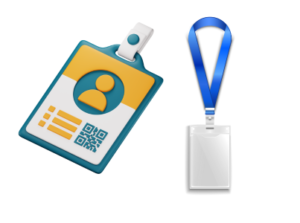
    Let’s talk Employee IDs! You’ve probably seen those alphanumeric codes printed on work badges, displayed on employee portals, or requested during HR paperwork. But what exactly does Employee ID mean? Don’t worry—this isn’t as complicated as deciphering a cryptic password.

    In simple terms, an Employee ID is a unique identifier assigned to each person within an organization. Think of it like a fingerprint for your workplace identity. Instead of calling out Sarah, the third Sarah in accounting, or Michael from IT, organizations use this unique number or code to make sure they know precisely whom they’re referring to. Isn’t that neat? It’s like a virtual name tag, but with better precision!

    The Purpose: Why Do Organizations Use Employee IDs?

    Employee IDs might seem like a small detail when compared to the larger wheels of an organization, but their importance cannot be overstated. As a unique identifier for each team member, an employee ID does more than just assign a series of numbers or letters to someone’s name—it creates clarity, improves efficiency, and strengthens accountability. Curious about how these little codes serve such big purposes? Let’s walk through it together in a friendly and relatable way.

    1. Streamlining Operations

    You’ve heard the phrase “time is money,” right? Well, employee IDs embody that principle in action. By assigning a unique identifier to every employee, organizations can quickly access critical information without sifting through piles of paper or endless Excel rows. Whether it’s tracking attendance, managing payroll, or locating a personnel file, an employee ID simplifies processes immensely. Think of it like a key that unlocks just the right door amidst a maze of data!

     employee id

    2. Enhancing Security

    In today’s world, both physical and digital security are crucial for organizations of any size. Employee IDs help enforce access control, ensuring that only authorized personnel can enter specific areas or access sensitive systems. Pair these IDs with smart technology like ID cards, biometric systems, or secure logins, and you’ve got a tight-knit security net. This not only keeps assets safe but also reassures employees that their workplace is secure.

    3. Promoting Accountability

    Let’s face it—keeping track of responsibilities in a bustling organization can feel a bit like juggling a dozen balls. Employee IDs help establish clear accountability by linking specific tasks, transactions, or activities to individuals. This is particularly valuable in industries like healthcare, logistics, and retail, where even small errors can have significant repercussions. Say goodbye to “who did what” confusion—it’s all in the system!

    4. Driving Personalization

    While employee IDs are universal tools, they also enable personalized experiences. For example, when tied to HR platforms or internal systems, IDs can grant employees access to tailored benefits, training programs, and development modules. Imagine logging in and being greeted with resources that are tailored to your role, skills, and career objectives. Pretty empowering, wouldn’t you agree?

    5. Simplifying Communication and Collaboration

    An organized workplace is often an efficient one. Employee IDs play a critical role here, especially in larger companies where employees may not know each other personally. By using IDs to identify team members in systems, emails, or collaborative projects, organizations can eliminate ambiguity and foster smooth communication. Platforms like Nectar help teams streamline internal communications without adding process overhead. It’s like giving everyone a clear introduction without needing a formal handshake.

    6. Supporting Organizational Growth

    A scalable organization is one that’s prepared for future expansion. Employee IDs are an integral part of that scalability. They help organizations manage growing workforces without losing track of administrative responsibilities. As the company grows, employee IDs ensure that operational systems remain consistent and efficient.

    Format Variations: Is There a Standard Way to Create Employee IDs?

    Ah, employee IDs—a tiny combination of letters, numbers, or sometimes even symbols that hold so much information about an employee’s identity within an organization. But here’s the big question: is there a standard way to create these IDs? The short answer is no! Employee ID formats vary widely, and each organization tailors them based on its structure, industry, and specific needs. Let’s dive into how these formats can differ and what you should consider when creating them.

    Why Isn’t There a Universal Standard?

    The lack of a universal standard comes down to the fact that not all businesses operate the same way. A small independent bookstore won’t have the same employee ID needs as a multinational tech giant, and that’s perfectly okay! Different sectors prioritize different features, ranging from an ID that’s easy to read to one that integrates seamlessly into complicated systems. This means flexibility is key.

    Common Types of Employee ID Formats

    Even though there isn’t a universal template, here are a few popular formats you’ll often encounter:

    • Numerical IDs: These are simple, sequential numbers assigned to employees as they onboard. For example, the first hire may be “001,” followed by “002,” and so on. It’s straightforward and works well for smaller, less complex organizations.
    • Alphanumeric IDs: These are combinations of letters and numbers. For instance, “HR001” might represent an HR employee, while “DEV105” could signify someone in the development team. This format is great for categorizing employees by team or department.
    • Date-Based IDs: Some companies incorporate the year or month of employment into the ID, like “2023-045” for someone hired in 2023. This gives you an instant timeline for referencing employee tenure.
    • Custom Codes: Custom IDs are built on internal logic specific to the organization. For example, a retail chain might assign employees codes based on store location, job level, and hiring sequence (e.g., “NYC-MGR-050” for a manager at the New York City store).

    Each system has its pros and cons—numerical IDs may be simpler, while alphanumeric or custom codes offer richer information but can get complicated to manage without thoughtful planning.

    Things to Consider When Deciding on a Format

    If you’re building or revisiting your employee ID system, keep these tips in mind to make it effective and user-friendly:

    1. Keep It Scalable: Choose a format that can grow with your organization. For example, if you’re using sequential numbers, ensure your system can handle thousands or even millions of IDs.
    2. Make It Meaningful (but Not Overcomplicated): Including details like department or hire dates in the ID can be helpful, but don’t make the codes so complex that employees or managers can’t understand them.
    3. Ensure System Compatibility: If your IDs will interact with payroll software, access control systems, or even time-tracking tools, ensure the format aligns with their requirements. The last thing you want is a logistical nightmare caused by mismatched systems.
    4. Avoid Overtly Personal Data: Including sensitive details like birthdates in an ID is a big no-no from a privacy standpoint. Stick to neutral identifiers.

    Technology Meets Identity: How Modern Systems Handle Employee IDs

    Let’s talk about the fascinating intersection of technology and employee identification! Employee IDs may seem like mere strings of numbers and letters, but in today’s digital era, they carry far more significance. Thanks to innovative systems, organizations are streamlining how IDs are used, assigned, and managed to support a fast-paced, ever-evolving workforce. Let me walk you through how modern tools are making this process smarter than ever!

    1. Automation: Simplifying the Assignment Process

    Gone are the days of manually creating employee IDs on a spreadsheet. Today, many organizations rely on HR software and enterprise resource planning (ERP) solutions to generate IDs automatically. These systems create unique, error-free identifiers, reducing human error while saving time. Pretty cool, right? With just a few clicks, an HR manager can have brand-new employee IDs tied directly to personnel records.

    2. Integration with HR and Payroll Systems

    A big benefit of modern technology is integration. Many platforms now link employee IDs to crucial systems like:

    • Payroll: Ensuring employees are compensated accurately and promptly.
    • Time Tracking: Best attendance management software auto-tracks hours and attendance via IDs.
    • Performance Management: Tying employee performance reviews or training histories directly to IDs.

    This “centralized ID approach” makes it seamless to access data across departments, fostering better coordination and efficiency.

    3. Biometric Technology and Smart Access

    Modern employee IDs are not just about numbers—they’re becoming smarter, too! Thanks to biometric integrations and ID cards with embedded chips, these IDs now serve dual purposes. For example:

    • Secure entry: Employees can scan their ID cards or use fingerprint technology for building access.
    • Personalized features: Some badges allow custom privileges, like access to specific departments or restricted files.

    This creates a streamlined and secure workplace environment while minimizing risks associated with unauthorized access.

    4. Cloud-Based Management for Remote Teams

    As remote work continues to grow, cloud-based systems are stepping up to handle employee IDs in new ways. By tying employee IDs to cloud platforms, teams can:

    • Access internal systems securely from anywhere using ID-based logins.
    • Sync IDs with collaboration tools like Slack or Microsoft Teams.
    • Monitor and manage virtual workspace access without geographic limitations.

    It’s all about flexibility and ensuring that remote employees feel just as connected to the organization as on-site teams.

    5. Leveraging Artificial Intelligence (AI)

    AI is playing a significant role in optimizing the administration of employee IDs. For example, modern systems use AI to track and flag issues like duplicate IDs, inactive accounts, or potential anomalies in access patterns. These proactive algorithms ensure efficient ID management while enhancing security. Isn’t that neat?

    Security and Privacy: Safeguarding Employee Identifications

    Protecting employee identification data is more important than ever in today’s interconnected world. As organizations lean heavily on digital technologies to streamline operations, ensuring the security and privacy of employee IDs has become a critical responsibility. Let’s dive into how businesses can safeguard this sensitive information and why it matters so much.

     employee id

    Why Does Security Matter?

    Employee IDs are not just random numbers or alphanumeric codes. They are often gateways to an organization’s resources, systems, and sensitive data about employees. If improperly secured, an employee ID could become a vulnerability that cybercriminals exploit, leading to financial loss, reputation damage, or even legal liabilities for the organization. Protecting these identifiers means protecting your people and your business simultaneously.

    Top Strategies to Safeguard Employee Data

    So, how can your organization ensure that employee IDs and the information tied to them are well-protected? Here are some powerful yet practical strategies:

    • Use Strong Access Controls: Limit who can access the employee ID database. Role-based authorization ensures that only those who need to see or manage this information as part of their job have access.
    • Implement Encryption: Always encrypt ID data, whether it’s being stored or transmitted. Encryption adds an extra layer of defense by ensuring the data is unreadable to anyone who doesn’t have the proper key.
    • Two-Factor Authentication (2FA): To access systems tied to employee IDs, require 2FA. The additional authentication step makes it exponentially harder for bad actors to break in.
    • Regular Audits: Conduct routine checks on the systems handling employee IDs. Look for vulnerabilities, unauthorized access attempts, or outdated security protocols that need an upgrade.
    • Data Minimization: Only collect and store the information you absolutely need. The less data you have, the smaller your risk surface in case of a breach.

    Don’t Forget Employee Awareness

    Your security efforts aren’t complete without involving your team. Employees should understand how their ID data is used and what measures are being taken to protect it. Conducting regular training sessions on best practices (like not sharing their ID or passwords) empowers them to support organizational security efforts.

    Handling Privacy with Care

    Privacy is the twin sibling of security, and it’s just as critical when dealing with employee IDs. Regulations like GDPR and CCPA emphasize the importance of handling personal and professional data responsibly. To ensure compliance and foster trust:

    1. Be Transparent: Clearly inform employees about how their ID data is collected, used, and stored.
    2. Secure Collaboration with IT: Align IT policies with privacy standards to ensure the safe management of employee information.
    3. Allow Access Requests: Provide employees with options to review and control their own ID-related personal data.

    What Happens When Security Goes Wrong?

    A breach of employee ID security isn’t just about technical consequences. It can erode trust between the workforce and management. Employees may feel exposed if their information gets into the wrong hands, making it more important than ever for businesses to be proactive about securing this data.

    Common Pitfalls: Mistakes to Avoid When Assigning Employee IDs

    Assigning employee IDs might seem like a straightforward task—but don’t be deceived. It’s easy to overlook some key details that could lead to complicated issues down the road. Let’s break down the most common mistakes organizations make and how to avoid them. With just a little foresight, you can save yourself a lot of trouble later on!

    1. Lack of a Clear System

    One of the biggest blunders is diving into the process without a well-defined plan. Assigning IDs “on the fly” or based on ad hoc criteria can lead to chaos as your team grows. For example, manually assigning numbers may work for your first five employees, but what happens when your team scales to a hundred—or a thousand?

    Solution: Think long-term! Use systems like structured formats with combinations of letters, numbers, or department codes. A clear, predetermined pattern will make record-keeping and future adjustments a breeze.

    2. Reusing Employee IDs

    Recycling old IDs—say, assigning an ex-employee’s ID to a new hire—may seem efficient, but it can wreak havoc on your records. Imagine the confusion when someone mistakenly retrieves information for the wrong individual. Plus, data overlap from reused IDs can spell tracking nightmares in payroll and HR systems.

    Solution: Treat each ID as permanently retired once it’s been used. This ensures unique identification, avoiding cross-referencing mishaps and embarrassing mix-ups.

    3. Including Personal Information

    IDs that incorporate sensitive or personal details, like birthdates, initials, or Social Security numbers, may unintentionally pose privacy risks. Not only can this information be exploited if accessed by unauthorized individuals, but it can also erode trust between employees and the organization.

    Solution: Keep IDs generic and unrelated to personal data. A random alphanumeric sequence works best. This preserves privacy and makes IDs harder to guess or misuse.

    4. Creating Overly Complex IDs

    While structure is essential, it’s possible to overcomplicate it. Employee IDs that are unnecessarily long or filled with confusing combinations are a nightmare for everyone who needs to use or remember them. For instance, an ID like EE##XYBZ09724-AA567 is likely to frustrate employees and clog up processing systems.

    Solution: Strike a balance! Keep IDs concise yet unique. Something like E12345 or HR5678 is simple, functional, and gets the job done without the head-scratching.

    5. Neglecting to Train or Inform Staff

    Sometimes, organizations assign IDs but fail to explain their purpose or how they’ll be used. This can lead to underutilization or employees mishandling IDs altogether. What’s the point of a robust system if it’s misunderstood?

    Solution: Include ID-related instructions as part of onboarding. Explain why IDs matter, where they’re needed (like logging into systems or accessing resources), and how they help the organization stay organized. A little clarity goes a long way!

    6. Skipping Regular Audits

    Over time, the numbers can stack up, and errors or duplicates can creep in. Organizations that avoid periodic ID audits may find themselves tangled in inconsistent records or outdated practices.

    Solution: Schedule periodic reviews to ensure your system remains clean and up-to-date. Routine checks will help you catch any errors early, prevent redundancy, and keep your system running smoothly.

    Beyond Numbers: How Employee IDs Support Organizational Growth

    When most people think about employee IDs, they picture a series of numbers or maybe an alphanumeric string. But did you know that employee IDs are more than just a set of digits? They play a crucial role in driving organizational growth. Yes, those little employee identifiers quietly work in the background, building efficiency, fostering transparency, and supporting innovation. Let’s dive into how something so seemingly simple can create a ripple effect within an organization.

    1. Streamlining Operations for Efficiency

    First and foremost, employee IDs are a game-changer for operational efficiency. Each employee tied to a unique ID allows organizations to store, access, and manage core data quickly. Think about payroll, for example. Without a centralized system to identify employees, processing salaries, reimbursements, and tax deductions could be a logistical nightmare.

    Moreover, employee IDs ensure that communication between departments remains smooth. Supervisors and HR teams can track an employee’s progress, attendance, and contributions without having to sift through pages of confusing spreadsheets. The result? A faster, more focused work environment that saves time and optimizes resources.

    2. Building Accountability and Transparency

    Transparency is the glue that holds organizational culture together, and employee IDs help ensure that everyone stays on track. With unique identifiers, every employee has a digital “footprint” within an organization. This helps in tracking tasks, workflows, and project ownership.

    For example, imagine a collaborative project where multiple team members are contributing. Thanks to the categorization enabled by these IDs, leaders can easily identify who performed what tasks and when. This not only boosts accountability but also gives recognition where it’s due, fostering a positive workplace environment.

    3. A Strong Foundation for Data-Driven Decisions

    In today’s era of big data, making informed decisions is essential for growth. Employee IDs make it easier for organizations to gather and analyze trends about their workforce. Want to identify which department has the highest retention rate? Or figure out the ratio of overtime hours to project completion rates? Employee ID systems make it simple to pull accurate and actionable insights.

    These metrics and patterns directly feed into organizational strategies. By understanding workforce trends, companies can refine recruitment strategies, improve employee engagement initiatives, and optimize resource allocation. In short, these IDs become the thread that connects data to smart decision-making.

    4. Supporting Employee Development

    Did you know employee IDs also contribute to personal and professional growth? With the data linked to these IDs, HR teams can track an individual’s contributions, performance reviews, completed training programs, and more. This makes it easier to design personalized growth plans and ensure that employees have access to the right opportunities for upskilling or career advancement.

    From identifying training needs to mapping career trajectories within the company, employee IDs can pave the way for a more developed, skilled, and satisfied workforce. And guess what? A happy, well-trained team is the backbone of a thriving organization.

    5. Facilitating Long-Term Scalability

    As organizations grow, so does the complexity of managing their workforce. Here’s where scalable employee ID systems come into play. Whether a company has 50 employees or 50,000, unique identifiers ensure a seamless scale-up. They serve as a foundation for advanced systems like enterprise resource planning (ERP), employee file management software, or even remote work platforms.

    By establishing a solid infrastructure with employee IDs early on, businesses can prepare themselves for growth without the risk of crumbling under the weight of administrative chaos. This adaptability and foresight are what help a company stay ahead of the curve.